





April marks the annual return of Fashion Revolution Week, a pivotal global campaign running from April 22nd to 28th, bringing together the world’s largest fashion activism movement for a concentrated period of action. In 2026, as the initiative observes over a decade of advocacy, it reaffirms its foundational commitment to systemic change, urging consumers, brands, and policymakers to prioritize people and the planet over profit and unsustainable growth. This year’s campaign unfolds amidst significant shifts within the movement itself and a complex global economic landscape, underscoring the urgent need for collective engagement.
The Genesis of a Global Movement: Remembering Rana Plaza
Fashion Revolution Week was born from the ashes of tragedy. On April 24, 2013, the collapse of the Rana Plaza garment factory in Dhaka, Bangladesh, claimed the lives of 1,138 workers and injured over 2,500. This catastrophic event, which exposed the horrific working conditions and profound disregard for human life within the global fast fashion supply chain, served as a grim awakening for the international community. The eight-story building, housing five garment factories, had been constructed illegally and showed severe structural cracks, yet workers were compelled to enter despite safety warnings. The sheer scale of the disaster galvanized outrage and spurred immediate calls for accountability and reform.
In the immediate aftermath, a coalition of activists, designers, academics, and industry professionals came together to establish Fashion Revolution. Their mission was clear: to transform the fashion industry into a force for good, ensuring safe, dignified working conditions, fair wages, and environmental responsibility. The movement launched its inaugural Fashion Revolution Week in 2014, coinciding with the first anniversary of the Rana Plaza tragedy, and introduced the now-iconic hashtag #WhoMadeMyClothes, empowering consumers to demand transparency from brands. This simple question became a powerful tool for consumer activism, shining a light on the opaque supply chains that often conceal exploitation.
A Decade of Advocacy: Evolution and Impact
Over the past decade, Fashion Revolution has grown exponentially, evolving from a grassroots response to a sophisticated global network operating in over 100 countries. Its campaigns have pushed for greater transparency, accountability, and ethical practices across the industry.
- 2014-2016: Laying the Foundation: Early campaigns focused on raising awareness about the Rana Plaza tragedy and the systemic issues of fast fashion. The #WhoMadeMyClothes campaign encouraged millions of consumers to engage directly with brands, demanding visibility into their supply chains.
- 2017: The Fashion Transparency Index: A significant milestone was the launch of the Fashion Transparency Index, an annual report that reviews and ranks 250 of the world’s largest fashion brands and retailers based on their public disclosure of human rights and environmental policies, practices, and impacts. This tool provided a crucial benchmark for industry accountability and enabled consumers to make more informed choices.
- 2018-2020: Expanding the Scope: The movement broadened its focus to include environmental issues, campaigning for responsible resource management, reduction of waste, and circular economy principles. Questions like #WhatsInMyClothes highlighted the impact of synthetic fibers and harmful chemicals.
- 2021-Present: Policy and Systemic Change: More recently, Fashion Revolution has intensified its advocacy for policy-level changes, engaging with governments and international bodies to push for legislation that mandates due diligence, living wages, and environmental protection throughout the supply chain. This includes supporting initiatives like the European Union’s proposed Corporate Sustainability Due Diligence Directive. The movement has consistently emphasized that voluntary corporate actions alone are insufficient to address the deep-rooted issues of the industry.
Through these years, the organization has published numerous reports, educational resources, and manifestos, advocating for a fashion industry that conserves and restores the environment, values people over growth and profit, and operates with transparency and accountability.
The Unseen Costs: Exploitation in the Fashion Supply Chain
Despite a decade of activism, the fashion industry remains largely built upon the exploitation of labor and natural resources. This systemic prioritization of profit leads to a concentration of wealth and power in the hands of a few, while those at the bottom of the supply chain—primarily garment workers in low-wage countries—continue to suffer.
- Labor Exploitation: Millions of garment workers, predominantly women, earn wages far below a living wage, trapping them in cycles of poverty. A 2023 report by the Asia Floor Wage Alliance found that workers in major garment-producing countries like Bangladesh and India still struggle with wages that barely cover basic necessities. Forced overtime, unsafe working conditions, and suppression of unionization efforts remain pervasive issues. The drive for ever-faster production cycles and lower costs puts immense pressure on factories, often leading to neglect of safety standards and worker well-being.
- Environmental Degradation: The fashion industry is one of the most polluting sectors globally. It is estimated to contribute between 2% and 8% of global greenhouse gas emissions, a figure projected to rise significantly without intervention. Water pollution from dyeing and finishing processes, excessive water consumption (e.g., 2,700 liters of water for one cotton t-shirt), and microplastic pollution from synthetic textiles are critical concerns. Furthermore, textile waste is a growing crisis, with a truckload of textiles being landfilled or incinerated every second. The relentless pace of fast fashion encourages overconsumption and contributes directly to these environmental catastrophes.
- The Disconnect: The disconnect between the price consumers pay for clothing and the cost of its production, both human and environmental, is stark. While brands report record profits, the people making the clothes struggle to meet their basic needs. As Fashion Revolution aptly states, "there’s no sustainability without fair pay and safe working conditions." True sustainability must encompass social equity alongside environmental protection.
Navigating a Shifting Landscape: Challenges and Strategic Shifts in 2026
Fashion Revolution Week 2026 takes place during a particularly challenging period. The global economic climate, marked by geopolitical crises and inflationary pressures, has seen a tightening of corporate budgets, often leading to reduced funding and corporate support for sustainability initiatives. Small brands, which often lead the way in ethical production, are struggling to stay afloat, and garment workers worldwide are facing increased precarity.
In a significant strategic development, Fashion Revolution itself recently announced the closure of its UK headquarters. This decision, partly attributed to funding challenges, marks a transition towards a "more federated, globally coordinated, and locally led next phase of the work." This move reflects a broader trend within global advocacy movements to decentralize operations, empowering local chapters and activists to drive change within their specific contexts. While presenting new operational challenges, this shift could also foster greater agility, responsiveness, and localized impact, strengthening the movement’s global reach through community-led initiatives. It underscores the resilience of the movement, adapting its structure to ensure its continued influence in a dynamic environment.
Despite these hurdles, the organization and its global community remain steadfast. The focus for Fashion Revolution Week 2026 is on the power of collective action, returning to the movement’s roots of connection, inquiry, and public engagement. "As a movement we’re going back to our roots, and we’re asking fashion revolutionaries to do the same. Seek connection, ask questions, and take to the streets – for both a better fashion industry and for future generations that follow in our footsteps," the organization declares. This renewed emphasis on grassroots activism and community engagement is crucial in an era where top-down corporate sustainability commitments face increasing scrutiny and financial constraints.
The Call to Action for 2026: Collective Power
For individuals seeking to contribute to a more ethical and sustainable fashion industry, Fashion Revolution Week 2026 offers myriad opportunities for engagement, both online and offline.
- Attend Events and Workshops: Throughout the week, a diverse program of digital and physical conferences, exhibitions, workshops, and online public demonstrations will be held worldwide. These events provide educational opportunities, platforms for discussion, and spaces for collective action. Participants can explore the official Fashion Revolution website for a comprehensive listing of events, or even organize their own local gatherings to foster community dialogue.
- Post a Selfie and Ask #WhoMadeMyClothes? and #WhatsInMyClothes?: This iconic campaign remains one of the most direct and effective ways to engage with brands. By posting a selfie wearing a favorite item of clothing, tagging the brand, and using the hashtags #WhoMadeMyClothes and #WhatsInMyClothes, consumers directly demand transparency. This public inquiry pressure brands to disclose more about their supply chains and the materials they use. Tagging @fash_rev ensures the movement can track brand responses and maintain momentum. If a brand fails to respond, the call to action encourages persistence.
- Spread the Word: Fashion Revolution provides a wealth of promotional assets, including social media templates, posters, and official campaign branding packs. Downloading and sharing these resources helps amplify the message, reaching a wider audience and inspiring others to join the movement. Visual campaigns are particularly effective in digital spaces, making these assets invaluable for broader dissemination.
- Join the Conversation: Engaging in dialogue with family and friends about the global impact of clothing is a powerful step towards shifting consumer mindsets. Fashion Revolution’s "Talk Climate Change" site (talkclimatechange.org/fashionrevolution) offers a platform to map these conversations, drawing inspiration from the Fashion Revolution manifesto, and explore discussions initiated by other "Fashion Revolutionaries" worldwide. This collective storytelling and knowledge-sharing reinforce the communal aspect of the movement.
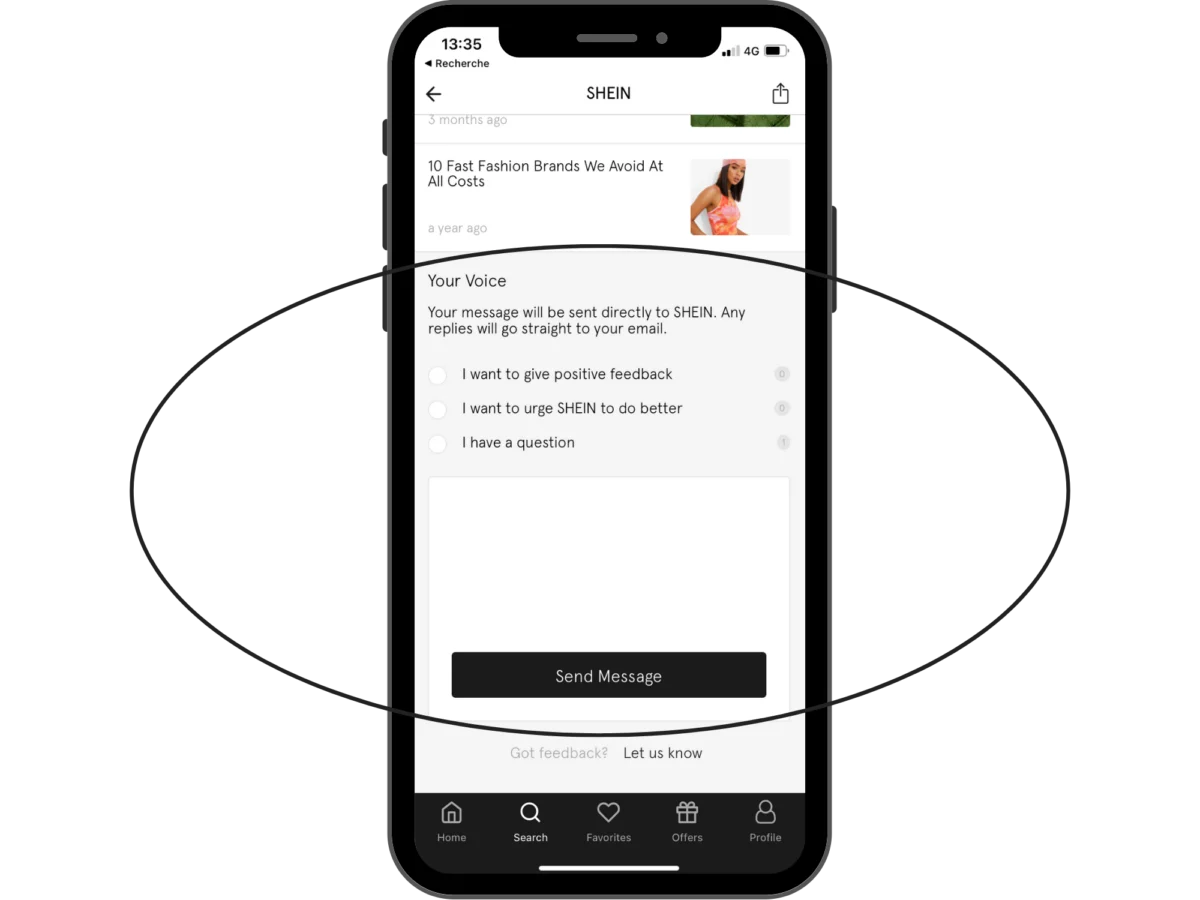
- Write to Your Favorite Brand: For a more direct and formal approach, Fashion Revolution provides a downloadable PDF template for writing letters to brands, asking #WhoMadeMyClothes?. This method allows for a personalized message, expressing consumer concerns and expectations directly to corporate decision-makers. Additionally, the Good On You app offers a convenient way to send messages directly to brands, whether to urge improvement, ask specific questions, or provide positive feedback to those demonstrating good practices. The "Your Voice" section within each brand’s listing on the app streamlines this process, empowering consumers to exert influence with ease.
Beyond the Week: Sustaining the Momentum
Fashion Revolution Week serves as an annual focal point, but its ultimate goal is to foster sustained engagement and systemic change throughout the year. The challenges facing the fashion industry—from climate change to pervasive human rights abuses—are deeply entrenched and require continuous pressure from all stakeholders.
The future of ethical fashion hinges on several interconnected factors:
- Consumer Awareness and Demand: Educated consumers who consciously choose ethical and sustainable brands, and who actively demand transparency, are crucial drivers of change. The rise of conscious consumerism, though still niche, signals a growing demand for responsible production.
- Brand Accountability and Innovation: Brands must move beyond token gestures and embed sustainability and ethical practices into their core business models. This includes investing in living wages, ensuring safe working conditions, adopting circular design principles, and transparently reporting on their impacts. Innovation in material science and production processes is also vital.
- Policy and Regulation: Governments play a critical role in creating a level playing field and enforcing ethical standards. Legislation mandating due diligence, banning exploitative labor practices, and setting ambitious environmental targets can accelerate industry-wide transformation, moving beyond voluntary commitments.
- Collaboration Across the Industry: True change requires collaboration among brands, suppliers, trade unions, NGOs, and governments. Sharing best practices, investing in capacity building, and developing collective solutions are essential for tackling complex global supply chain issues.
Fashion Revolution Week 2026, building on a decade of tireless activism, reaffirms that the power to transform the fashion industry lies in collective action. By seeking connection, asking critical questions, and actively participating, individuals contribute to a future where fashion is a force for positive change, valuing people and the planet above all else. The movement’s strategic pivot towards a more federated, locally led model signals a resilient and adaptable approach to advocacy, ensuring that the spirit of Fashion Revolution continues to inspire and empower communities worldwide. The work is far from over, but the collective resolve remains stronger than ever.