





The global wedding industry, valued at approximately $70 billion as of 2023, has undergone a significant paradigm shift in how ceremonies and celebrations are memorialized. In an era dominated by high-speed digital consumption and social media saturation, a growing segment of the market is pivoting away from highly choreographed, "staged" imagery in favor of a more raw, authentic, and narrative-driven approach. Leading this movement is Marta May Photography, a studio that has institutionalized a methodology referred to as "Docu-Art." This approach seeks to bridge the gap between pure photojournalism and cinematic fine art, prioritizing the emotional integrity of the event over traditional posing. By integrating 35mm analogue film with modern digital workflows and synchronized videography, the studio represents a broader trend in the professional photography sector that emphasizes long-term archival value and psychological comfort for the subjects involved.
The Core Tenets of the Docu-Art Philosophy
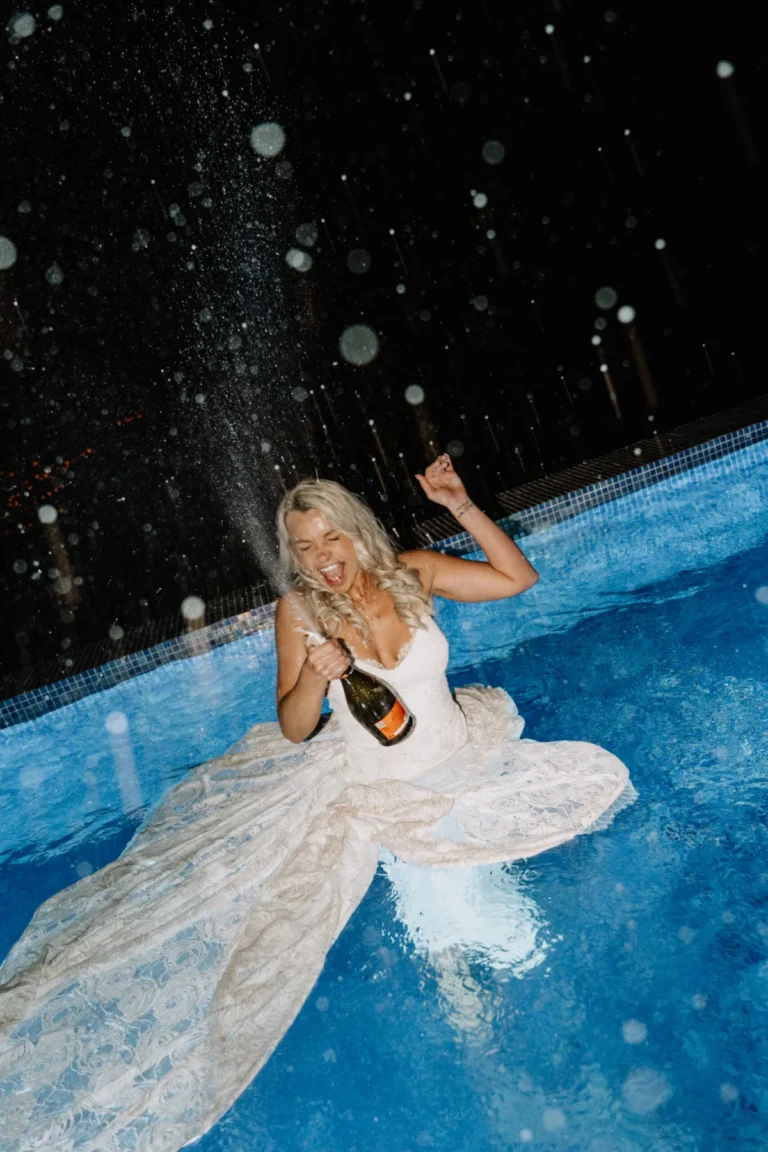
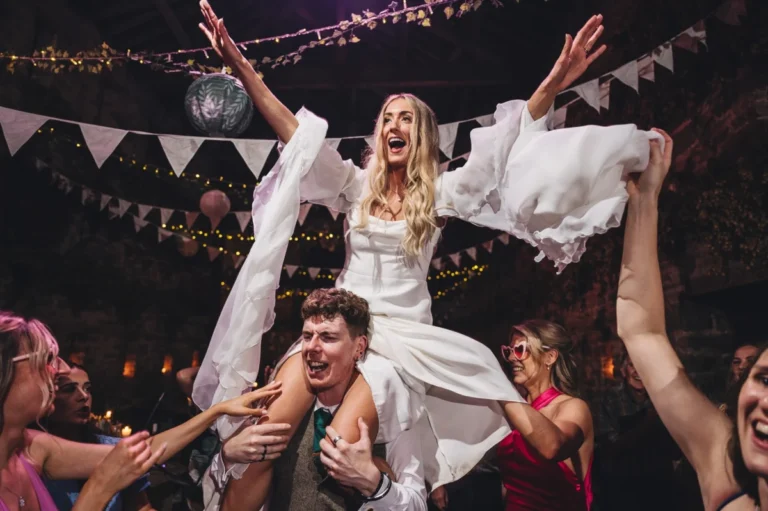
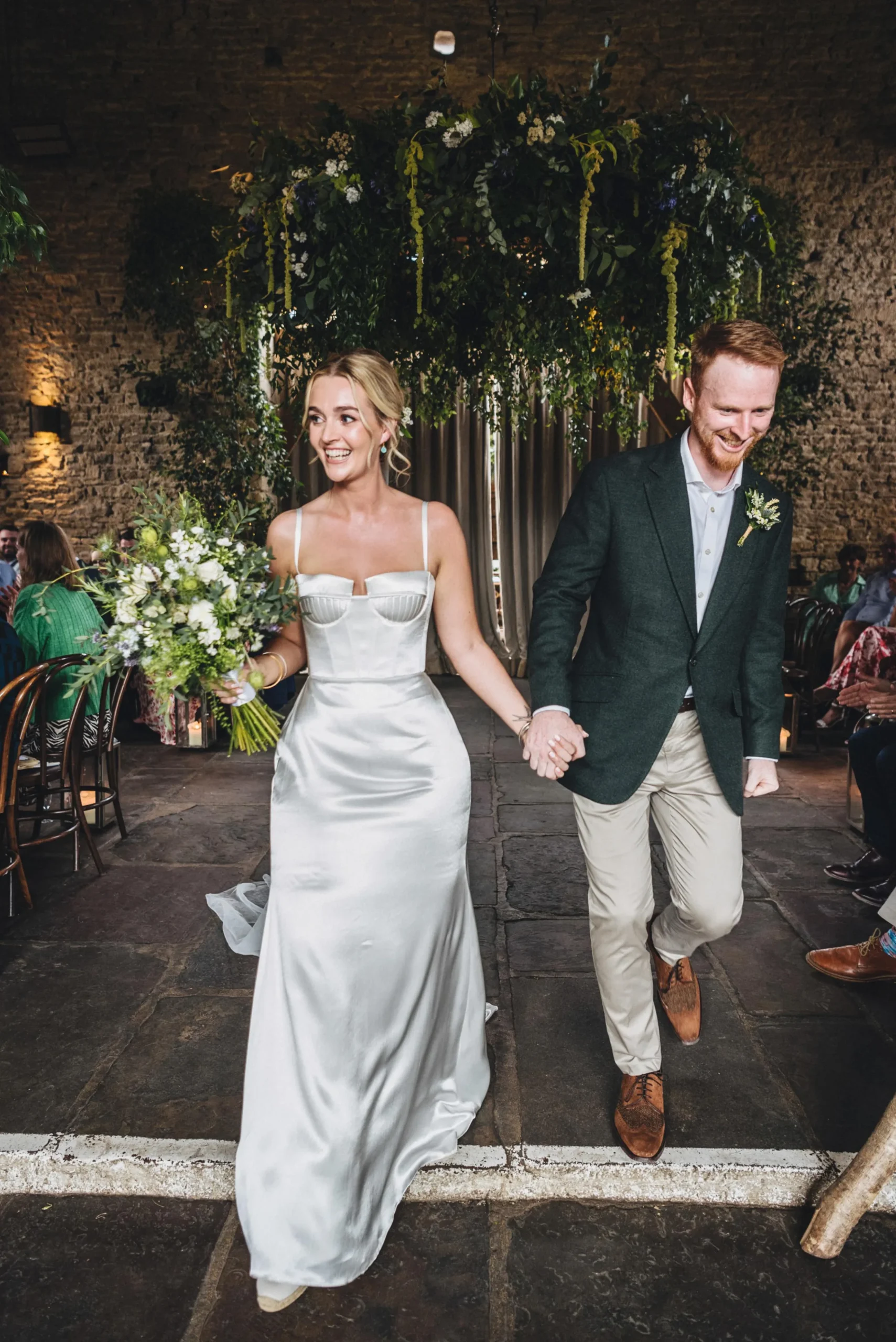
The "Docu-Art" designation utilized by Marta May Photography is a response to the perceived artificiality that often accompanies traditional wedding media production. In professional terms, this philosophy operates on two distinct levels. First, the documentary component requires the photographer to remain an observer rather than a director. This entails capturing "micro-moments"—fleeting glances, the nervous handling of objects, or the unfiltered reactions of guests—without intervention. Second, the "art" component applies a cinematic lens to these spontaneous occurrences, utilizing natural light, framing, and composition to elevate a candid moment into a visually compelling narrative piece.
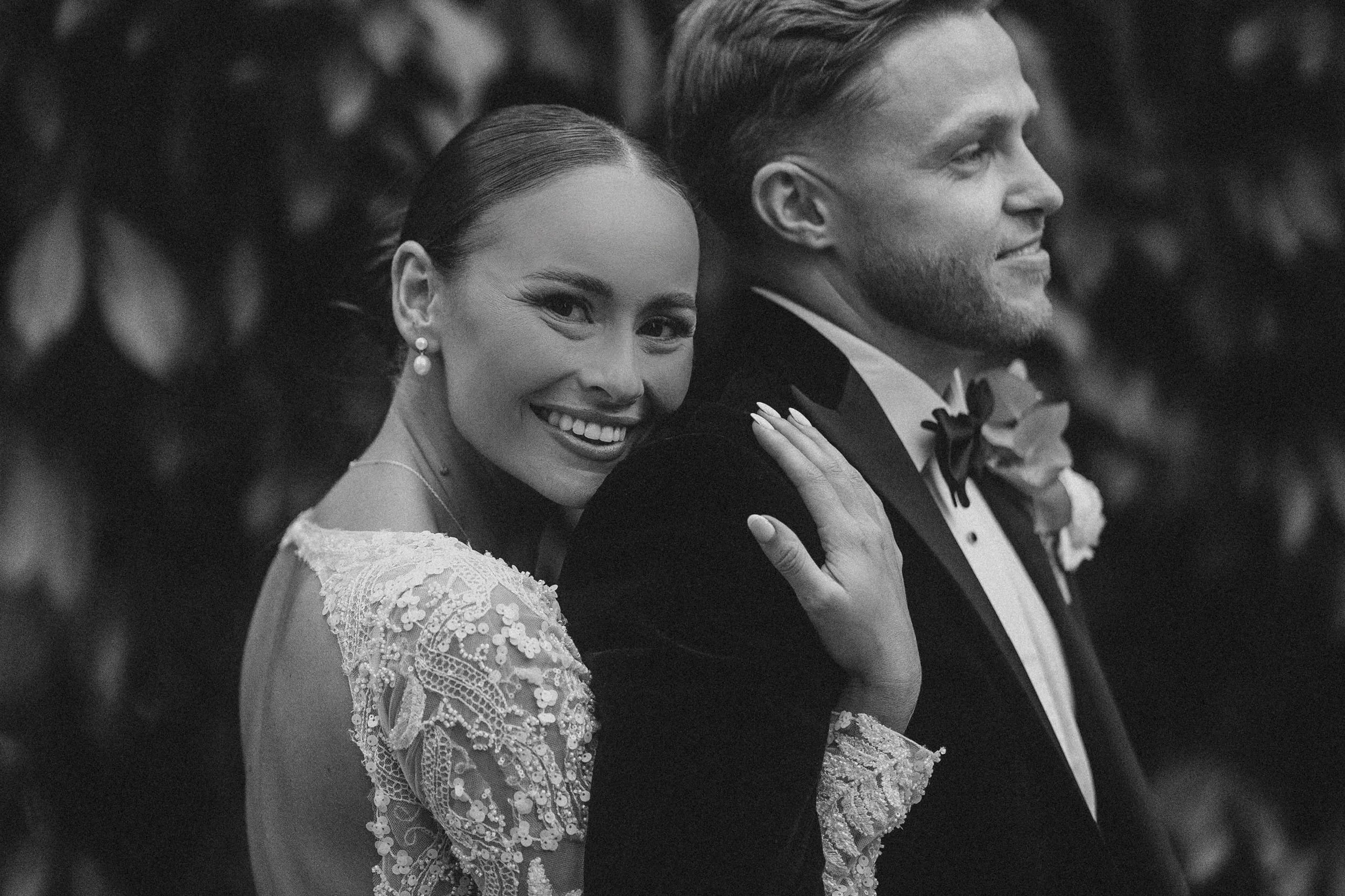
According to statements from the studio, the primary objective is to ensure the wedding remains a personal celebration rather than a commercial-style production. This distinction is critical in the current market, where "wedding fatigue" among couples is often attributed to the pressure of performing for the camera. By shifting the focus toward "honesty," the studio aims to produce galleries that serve as authentic historical records of family dynamics and interpersonal relationships rather than idealized, generic representations of the nuptial event.
Technical Integration: The Resurgence of 35mm Analogue Film
A defining characteristic of Marta May’s technical workflow is the deliberate inclusion of 35mm analogue film alongside high-resolution digital captures. While digital photography offers unparalleled speed and low-light performance, analogue film is increasingly sought after for its unique aesthetic properties, including organic grain, superior highlight retention, and a specific color science that digital sensors often struggle to replicate without extensive post-processing.
The resurgence of film in the 2020s is backed by market data showing a significant uptick in film stock sales and lab processing requests. For wedding clients, the appeal lies in the "timeless" quality of the medium. Analogue photography carries a psychological weight of nostalgia, often reminding couples of their parents’ or grandparents’ wedding albums. From a technical standpoint, the use of film requires a higher degree of intentionality; with only 36 frames per roll, the photographer must be more selective, focusing on composition and timing rather than the "burst-fire" method common in digital-only coverage. The resulting "Docu-Art" gallery provides a hybrid experience: the precision and volume of digital images complemented by the soft, character-rich depth of physical film.
The Chronology of Client Engagement and Trust-Building
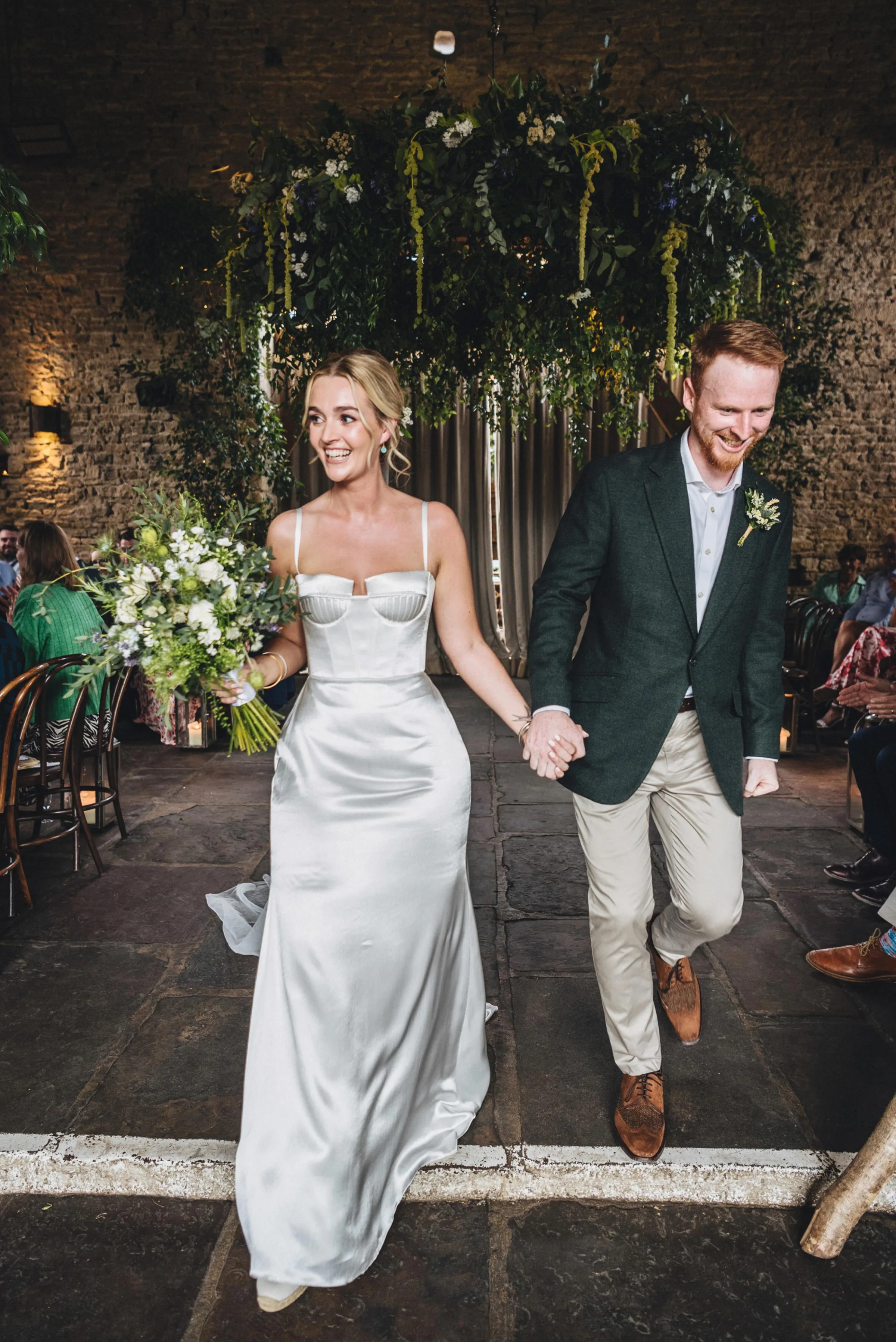
Professional wedding documentation is no longer viewed as a single-day service but as a multi-stage consultancy. Marta May Photography emphasizes a structured timeline of engagement that begins months prior to the event. This chronology is designed to mitigate "camera shyness," a condition reported by a majority of wedding clients who describe themselves as "awkward" in front of a lens.
- Initial Consultation and Vibe Alignment: The process begins with an assessment of the couple’s priorities—whether they value high-energy dance floor coverage, intimate emotional storytelling, or a balance of both.
- Timeline Advocacy: The studio provides logistical guidance, advising on how to structure the day to maximize natural light and ensure that photography does not infringe upon the couple’s time with their guests.
- The Day-Of Execution: Operating as a "calm, friendly ninja," the team utilizes a two-person system to cover simultaneous events (such as both partners getting ready) and to provide multiple perspectives of the ceremony without increasing the "production footprint."
- Immediate Post-Production: Previews, or "sneak peeks," are delivered within 24 to 48 hours, catering to the modern demand for immediate social sharing.
- Archival Delivery: The full gallery and film are delivered within a 4-to-8-week window, following a meticulous frame-by-frame editing process to ensure narrative consistency.
Unified Media: Synchronizing Photography and Videography
The integration of stills and motion is a significant logistical challenge in wedding documentation. Historically, couples hired separate photography and videography teams, which often led to physical crowding and conflicting artistic visions. The industry has seen a move toward "unified teams," where both mediums are handled by a single studio.
Marta May’s approach treats film as a "heartbeat" to the "frozen moments" of photography. While a photograph captures an expression, film captures the cadence of a voice, the movement of a garment in the wind, and the ambient sounds of the environment. By working as a singular unit, the studio can maintain a low profile, ensuring that the presence of cameras does not disrupt the atmosphere. This synchronized workflow allows for a more cohesive final product, where the visual grading and storytelling style of the film perfectly match the still images.
Market Context and Data Analysis
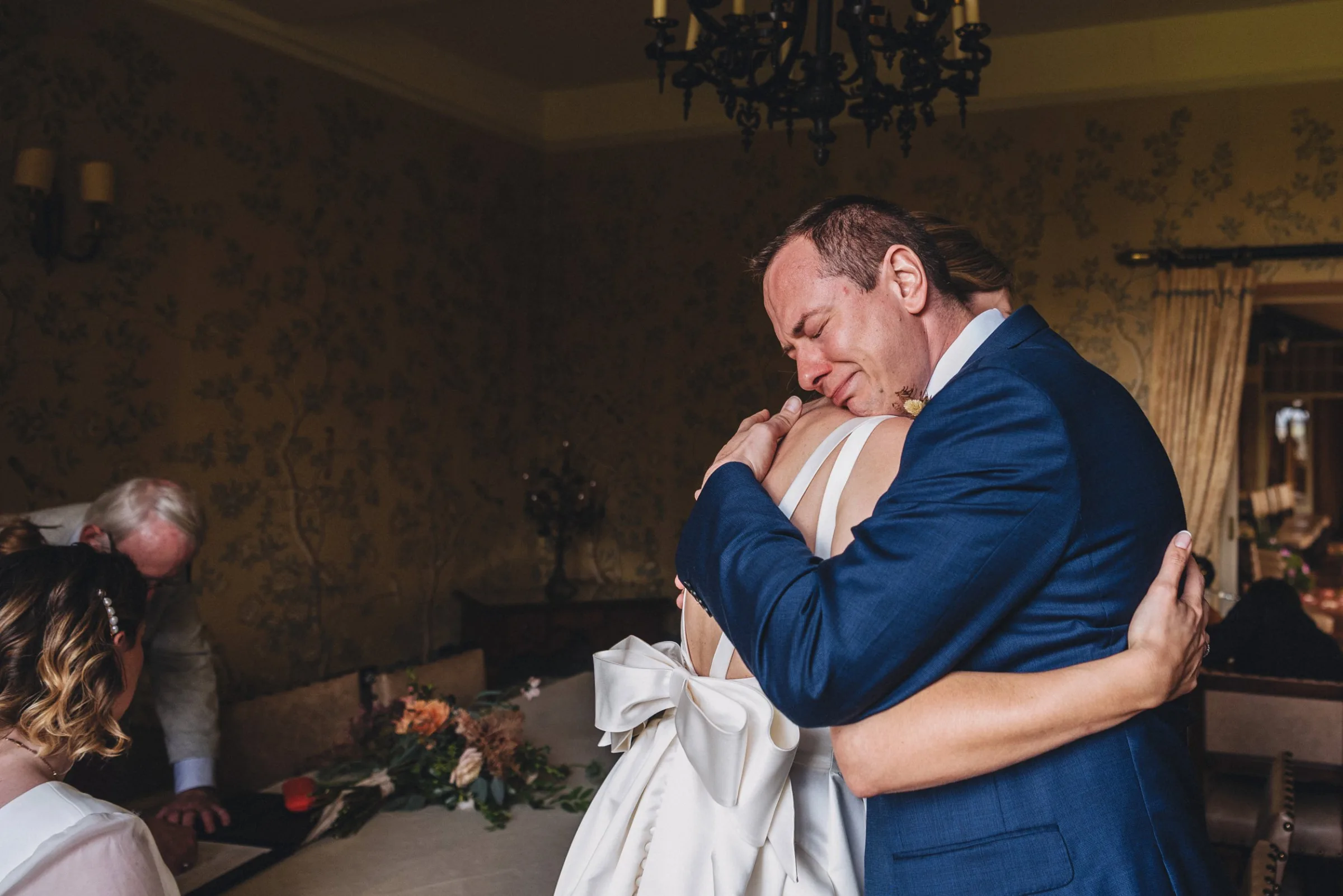
The shift toward the "Docu-Art" style is reflected in broader consumer behavior within the UK and international wedding markets. According to recent industry surveys:
- Style Preferences: Approximately 65% of modern couples now list "candid" or "documentary" as their preferred photography style, a 20% increase from the previous decade.
- Budget Allocation: Photography and videography remain top-tier priorities, typically accounting for 10% to 15% of the total wedding budget.
- Physical Media: Despite the digital age, there is a 30% increase in the demand for physical wedding albums and film prints, indicating a desire for tangible heirlooms.
The implications of this data suggest that couples are increasingly viewing their wedding media as a long-term investment in family history rather than a short-term social media asset. The "Docu-Art" approach directly addresses this by avoiding "trendy" editing filters that may appear dated within a few years, opting instead for true-to-life color and classic compositions.
Impact on Family Dynamics and Emotional Legacy
Beyond the technical and aesthetic considerations, the work of studios like Marta May Photography has a profound impact on the emotional legacy of the event. By focusing on "people first, art second," the documentation captures the reality of family dynamics—including the presence of elderly relatives and the authentic joy of friendships. In her official philosophy, May notes that she barely mentions photography itself when discussing weddings; instead, she focuses on the nervous excitement and the "chaos and calm" of the day.
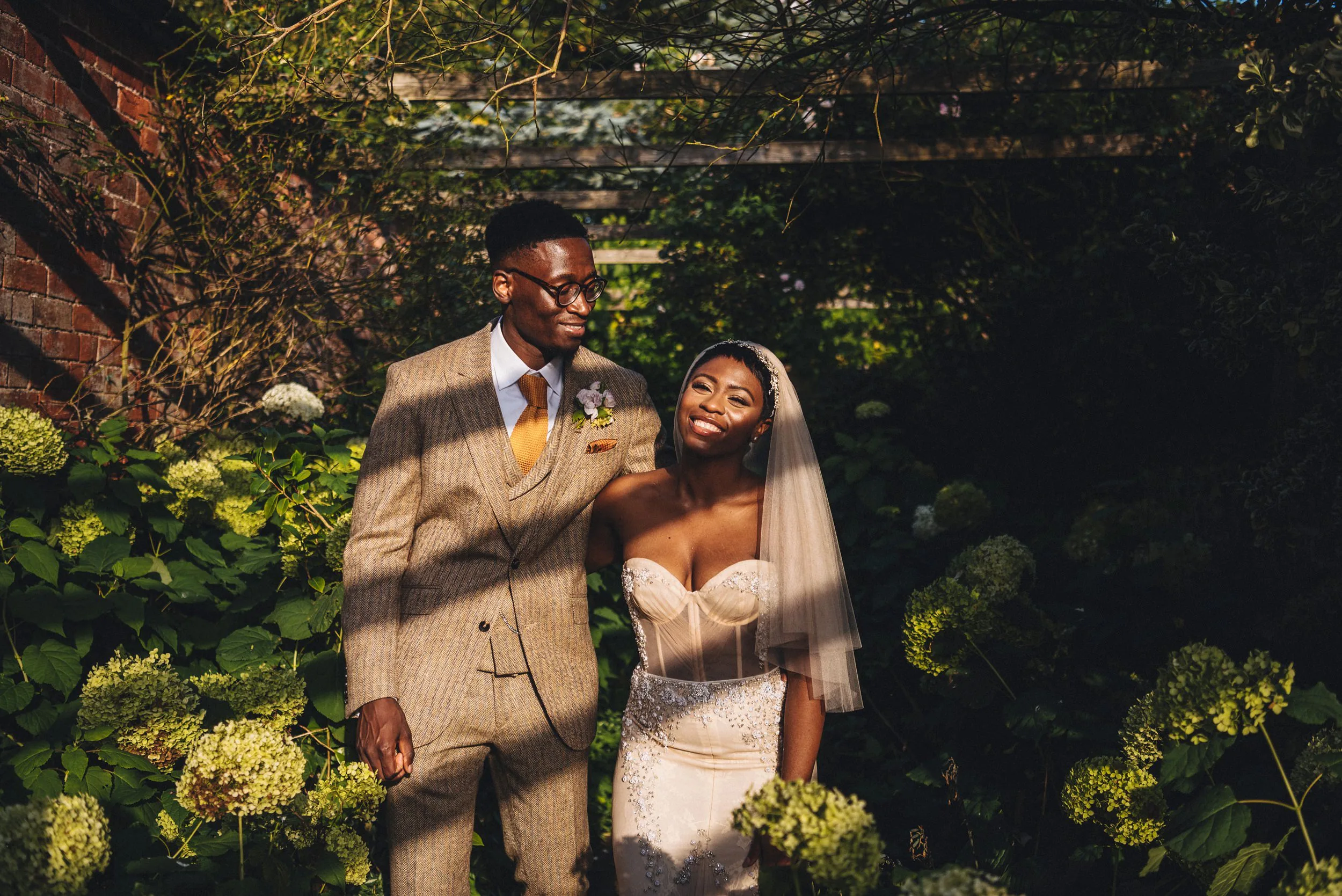
This human-centric approach ensures that the final gallery is a reflection of the couple’s specific "rhythm and heart." For the subjects, the experience of being documented without being "directed" allows for a more genuine celebration. For future generations, these images and films provide a window into the actual personalities of their ancestors, rather than a collection of stiff, formal portraits.
Broader Implications for the Professional Industry
The success of the "Docu-Art" model signals a maturation of the wedding photography industry. It suggests that the role of the professional is evolving from a mere service provider to a visual historian and a calming influence within a high-pressure environment. As technology continues to advance—with AI-assisted editing and ultra-high-definition sensors—the value of the "human eye" and the ability to build trust becomes the primary differentiator for high-end studios.
Marta May Photography’s insistence that a wedding should not feel like a photoshoot is a direct challenge to the "Instagrammization" of weddings, where the aesthetics of the event sometimes overshadow the purpose of the union. By prioritizing the "exactly how it felt" over "how it looked," the studio is setting a standard for a more mindful, intentional form of documentation that honors the sanctity of the occasion while utilizing the best of both modern and traditional technology. In conclusion, the rise of the Docu-Art aesthetic represents a move toward a more sophisticated, honest, and enduring form of wedding storytelling that resonates with a generation seeking authenticity in a digital world.