







The landscape of men’s formal footwear has undergone a significant transformation, moving away from the days when stylish dress shoes were synonymous with stiffness and discomfort. Today, a confluence of evolving dress codes, technological advancements in shoemaking, and a growing emphasis on personal well-being means that men no longer have to sacrifice comfort for sophistication. Whether for professional obligations, social engagements, or simply a desire to look sharp, the modern man can now find dress shoes that offer both impeccable style and unparalleled comfort, allowing him to navigate his day with ease and confidence.

The Shifting Definition of a Dress Shoe
Historically, the definition of a dress shoe was remarkably narrow. For much of the 20th century, men’s formal footwear primarily consisted of dark, unadorned Oxford shoes, characterized by their slim silhouette and minimal embellishments, often limited to subtle broguing. Styles like loafers were generally considered too casual for formal occasions, and anything with buckles was deemed overly ostentatious. This rigid classification reflected a more formal societal structure and a distinct separation between work attire and casual wear.

However, the late 20th and early 21st centuries have witnessed a significant liberalization of workplace norms and social expectations. This shift has directly impacted the evolution of smart footwear. While overt athletic sneakers and heavy work boots remain outside the realm of formal dress, the acceptable spectrum of "smart shoes" has broadened considerably. Today, this category comfortably includes styles such as monk straps, Chelsea boots, and even more robust designs that were once reserved for casual outings.
William Church, co-owner of Joseph Cheaney & Sons, a heritage shoemaker, observes this evolution firsthand. "Men dress differently now, even when dressing up," he notes. "You might wear shoes that contrast with your suit, for example." This sentiment is echoed in sales trends, with a noticeable decline in the demand for traditional black dress shoes in favor of richer hues like chestnut and burgundy, as well as styles featuring intricate burnishing and other decorative details. "The possible details are almost endless, and there’s room for quirkiness," Church adds, highlighting the increased flexibility and personalization now possible within formal dressing.

Furthermore, the emergence of hybrid footwear, seamlessly blending the aesthetic of a dress shoe upper with the comfort-centric outsoles of athletic or work boots, has opened up new avenues for semi-formal dressing. These innovative designs offer a compromise between traditional formality and contemporary comfort, making them suitable for a wider range of occasions. Nevertheless, for strictly formal events, adherence to established sartorial principles remains important: classic lace-ups in dark, high-shine leathers with a slim profile and a low-profile sole are still the benchmark.
Navigating the Quest for Comfortable Dress Shoes

The modern generation, accustomed to the ubiquitous comfort of athletic footwear, often harbors elevated expectations for the comfort of dress shoes. It’s crucial to understand that a brand-new pair of Oxfords, designed for structure and polish, will not replicate the immediate cloud-like feel of performance sneakers engineered for lightness and agility. However, this does not mean that comfort must be sacrificed. Several key factors can guide the selection of smart shoes that prioritize wearability.
Selecting the Right Style
The traditional Oxford, with its closed lacing system where the vamp is sewn under the quarters, can sometimes create pressure points around the toes and the top of the foot, especially for those with wider feet. Similarly, loafers, while stylish, require a snug fit to remain securely on the foot, which can also lead to discomfort if not perfectly proportioned.

For individuals who spend extended periods on their feet, the Derby shoe often presents a more comfortable alternative. Its open lacing system, where the vamp is sewn over the quarters, allows for greater adjustability and flexibility, accommodating a wider range of foot shapes and reducing the likelihood of pinching. This subtle design difference can significantly enhance comfort throughout the day.
The Importance of Sole Construction
Innovations in sole technology have been instrumental in enhancing the comfort of dress shoes. Rubber soles, compared to traditional leather soles, offer superior shock absorption, particularly on the heel, which bears the brunt of the body’s weight during locomotion. Many modern dress shoes now incorporate advanced cushioning systems, such as layers of memory foam or specialized rubber compounds strategically placed beneath the insole. These materials are designed to mold to the wearer’s foot over time and provide sustained support, a marked improvement over older materials that tended to compress and lose their effectiveness.

While modern materials offer immediate comfort, traditionalists champion the enduring comfort and durability of Goodyear welting. This meticulous construction method, though requiring a break-in period, involves a cork-filled insole that gradually conforms to the unique contours of the wearer’s foot, offering a personalized fit and exceptional long-term comfort.
Material Matters: Leather and Beyond
The type of leather used in shoe construction plays a pivotal role in comfort. Softer, more pliable leathers, such as unlined leathers and suedes, generally require less breaking in and offer greater flexibility for walking. While these materials might not be as hard-wearing as their more robust counterparts, their superior pliability can be a significant advantage for those prioritizing immediate comfort.

High-quality calf leather, traditionally used in premium shoemaking, may initially feel stiffer. However, its excellent moisture-wicking properties contribute significantly to overall foot comfort and health, as well as the longevity of the shoe. To mitigate the initial stiffness, wearing thick socks and breaking in the shoes around the house is a recommended practice before undertaking extended wear.
Fit and Foot Shape: The Crucial Considerations
Beyond style and material, achieving optimal comfort hinges on a precise understanding of one’s shoe size and, crucially, foot shape. Shoe sizes can vary significantly between brands, making it essential to try on shoes before purchasing. Furthermore, many brands now offer shoes in various widths, addressing the common issue of pinching for individuals with broader feet.

William Church emphasizes the importance of considering the shoe’s "last shape" – the mold around which the shoe is constructed. "Certainly one advance of the changes in dress shoes is that men don’t just have to wear that standard slim-line, refined shape of shoe," he explains. "Men are freer to wear different last shapes and, crucially, to wear the one that best suits their foot shape. Before any decision is made about style, find the right last shape for you. It really is essential to comfort." A last that complements the natural curvature of the foot will provide superior support and prevent discomfort.
Leading Brands for Comfortable Dress Shoes

The market now offers a diverse range of brands committed to blending style with exceptional comfort in their dress shoe collections.
-
Trickers: Renowned for its robust country brogues, Trickers also offers lines featuring an "ultra flex" sole, which is lighter and more flexible than conventional leather soles. Their Rufus suede monk strap shoe exemplifies a dressier option with enhanced comfort features.

-
Mr. P (Mr. Porter’s in-house brand): This label often leans towards semi-smart styles, incorporating elements like rubber lug soles, flexible suede uppers, and soft, half-lined interiors. The Lucien desert boot model, for instance, features Vibram soles for added comfort and durability.
-
Mephisto: A specialist in comfort footwear, Mephisto manages to integrate advanced comfort technologies into outwardly simple and stylish designs. Their Marlon model, for example, features an air-cushioned sole and an innovative Air Jet system that promotes airflow within the shoe.

-
Clarks: With a long-standing reputation for comfortable children’s footwear, Clarks has successfully translated this ethos into its adult collections. Even their classic styles often incorporate lightweight EVA soles and proprietary cushioning technologies designed to reduce strain on the ball of the foot.
-
Joseph Cheaney: This traditional English shoemaker emphasizes comfort through its Goodyear welted construction. They also offer dress styles with more rugged commando outsoles and textured Derby shoes, demonstrating a blend of classic craftsmanship and modern comfort considerations.

-
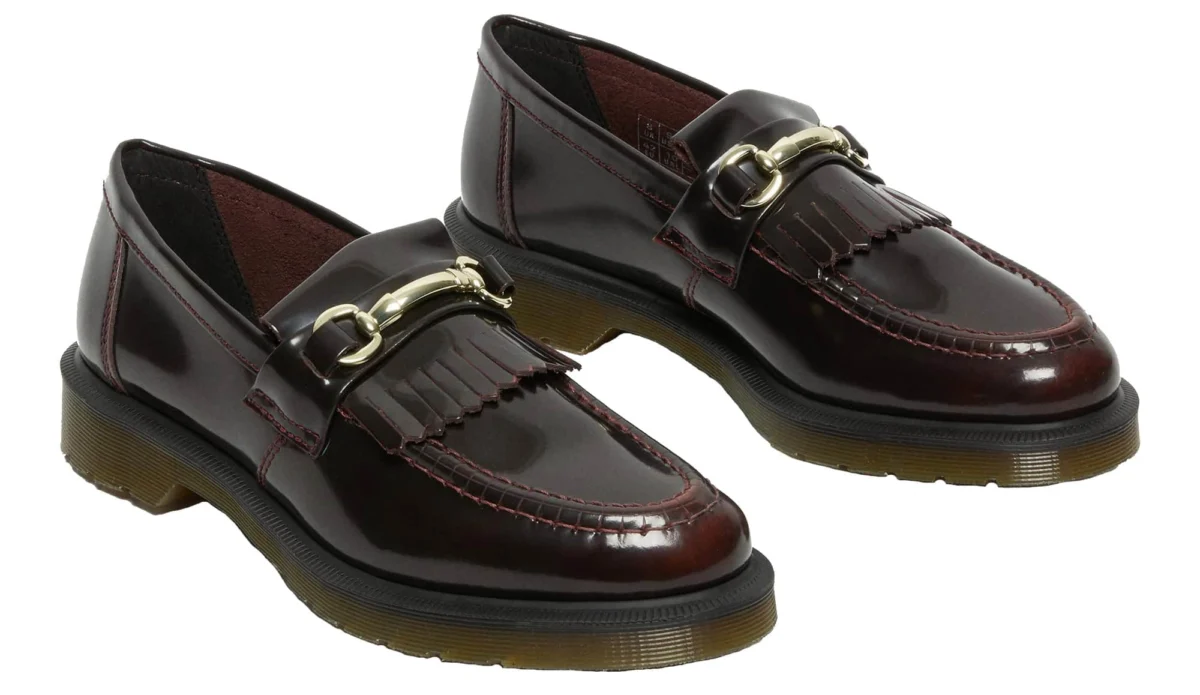
Dr. Martens: While historically known for its iconic work boots, Dr. Martens offers dressier options that incorporate their signature Airwair sole. Styles like the Adrian Arcadia fringe loafer or certain brogues, when chosen without the prominent yellow stitching, can offer a blend of distinctive style and inherent comfort.
-
Grenson: Grenson is known for reinterpreting traditional shoe styles with a modern sensibility. Many of their designs feature lightweight wedge soles for enhanced cushioning. Their "Sneaker" line, such as the Sneaker 3, further blurs the lines by combining a classic brogue upper with a sneaker-style sole unit.

-
Cole Haan: This American brand has cultivated a strong reputation for comfortable dress shoes. Their designs often feature an anatomical footbed and heel for optimized weight distribution, flexible outsoles, and moisture-wicking linings, all concealed within a classic aesthetic.
-
Barker: Another esteemed Northamptonshire shoemaker, Barker applies contemporary detailing to classic Goodyear welted constructions. Models like the Nelson Oxford, a whole-cut design in premium calf leather, offer a refined appearance with the promise of long-term comfort.

-
Crockett & Jones: This manufacturer, also employing Goodyear welting, has expanded its offerings to cater to the growing demand for comfort. They provide styles ranging from those with flexible crepe soles to smart suede boots with Dainite rubber soles. Their Genoa penny loafer driving shoe, for instance, offers slipper-like comfort for semi-formal occasions.
In conclusion, the era of enduring foot pain for the sake of style is rapidly becoming a relic of the past. The modern dress shoe market provides a wealth of options that empower men to step out with confidence, knowing their footwear is as comfortable as it is sophisticated. By understanding the nuances of style, construction, materials, and fit, discerning gentlemen can readily discover dress shoes that not only elevate their appearance but also support their active lifestyles.