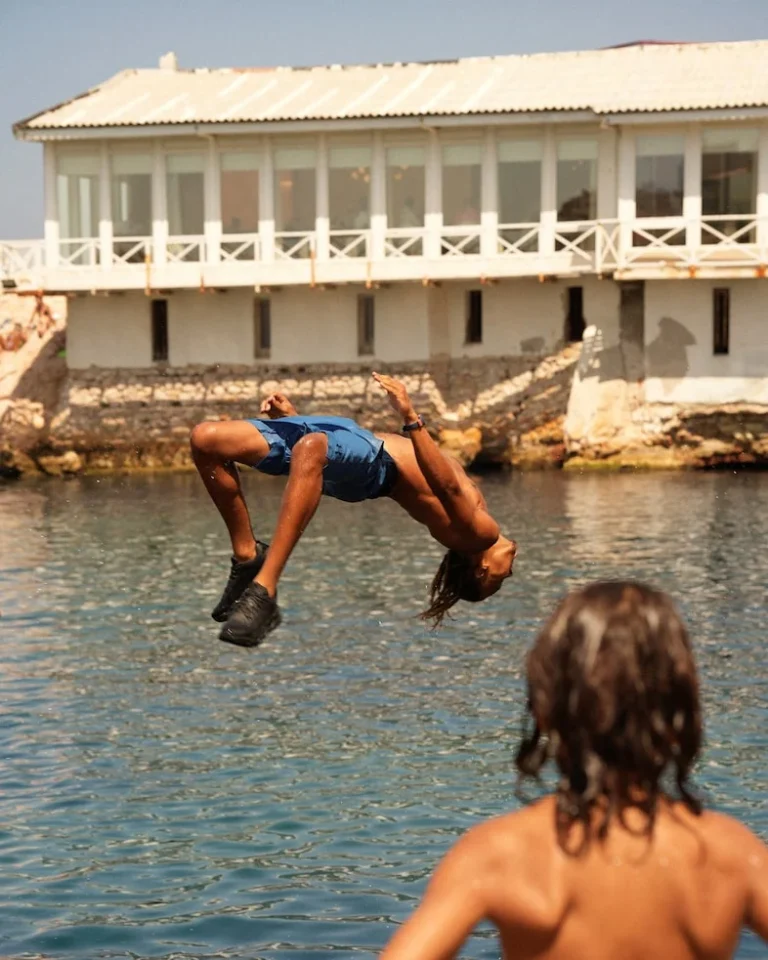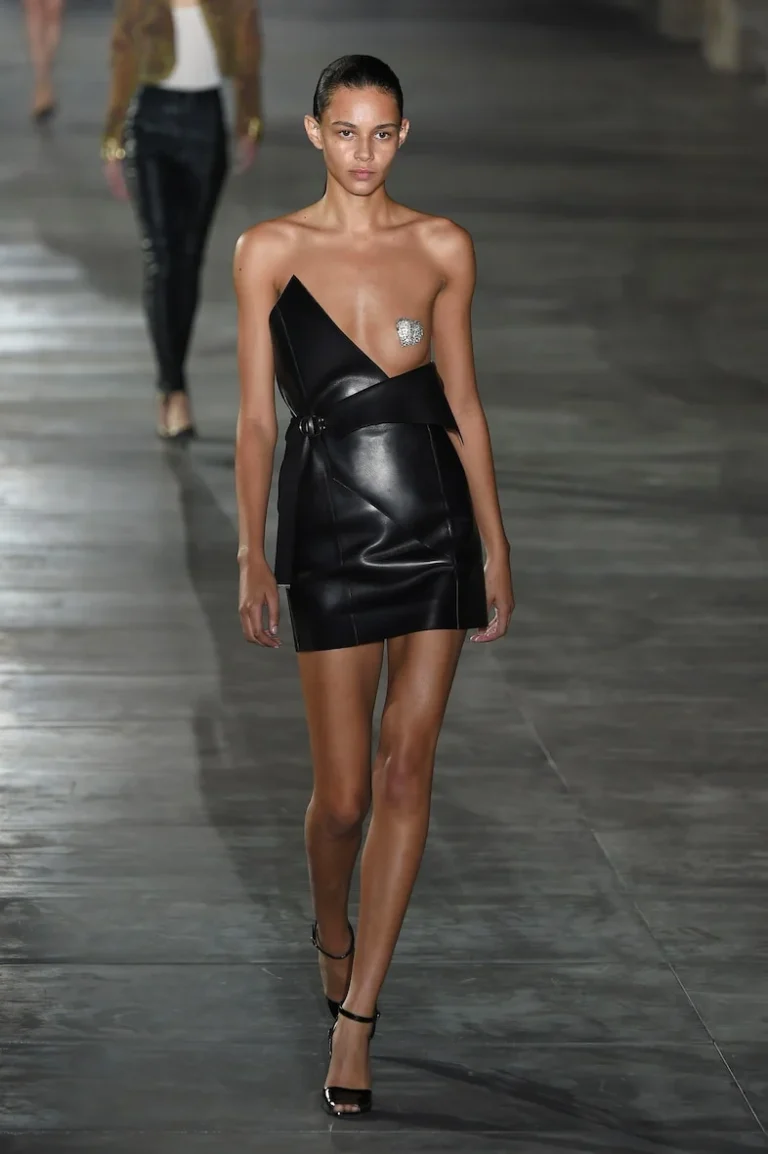






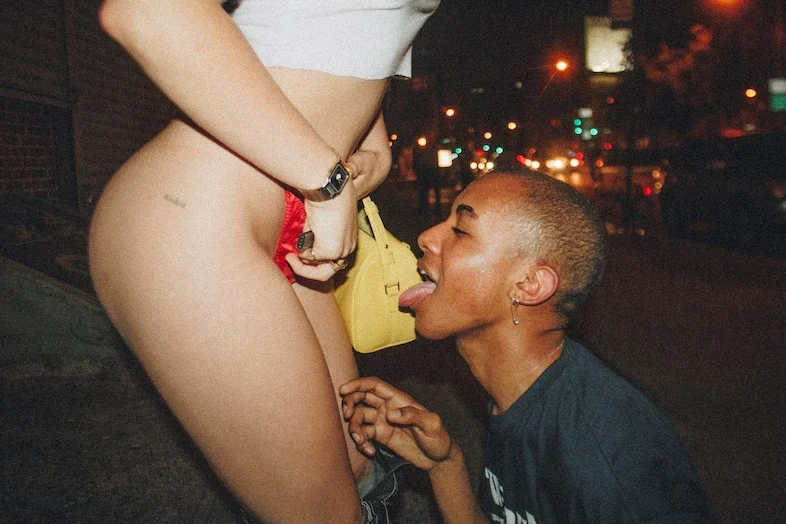
Tyrell Hampton’s latest photographic endeavor, "Last Call," emerges as a poignant and raw visual memoir, offering an unfiltered glimpse into the vibrant yet fleeting youth culture of New York City between 2016 and 2018. More than just a collection of candid images, the 300-page photo book serves as a critical document of a specific temporal and cultural nexus, capturing not only the hedonistic abandon of a generation but also the irreversible transformation of a city and the inevitable passage of adolescence. Hampton, whose ascent in contemporary photography has been marked by his intimate and unvarnished portrayals of celebrity and youth, presents "Last Call" as both a personal reflection and a broader commentary on the transient nature of urban identity and youthful exuberance.
A Young Visionary’s Playground: Hampton’s NYC Genesis
Hampton’s journey into the heart of New York’s pulsating youth scene began at the tender age of 17, when he moved to the metropolis. This period, as he recounts, represented his "formative years," a stark departure from a life previously circumscribed by "dance, school and [his] family." Like countless aspiring creatives before him, Hampton arrived in New York with a preconceived "level of fantasy," largely shaped by popular culture narratives from television shows such as Gossip Girl and Sex and the City. Remarkably, the city not only met but "100 per cent" exceeded these fantastical expectations. "When I got there," he tells Dazed, "I was like, ‘This is just my playground now.’" This initial sense of boundless possibility and untamed freedom would become the bedrock of his early photographic explorations.
His newfound independence in New York fostered a myriad of formative experiences, from the clandestine thrill of sneaking into his first club to the visual spectacle of encountering a coveted Birkin bag in person. Yet, beyond these individual milestones, it was the palpable sense of community that truly captivated Hampton. Moving fluidly between impromptu gatherings, vibrant parties, and casual hangouts, he quickly cultivated a close-knit circle of friends. This burgeoning creative cohort included individuals who would soon rise to prominence in their own right, such as actress Odessa A’zion, model and actress Lily-Rose Depp, musician and model Gabbriette, and celebrated photographer Ethan James Green. This period cemented Hampton’s place within a dynamic ecosystem of young artists and tastemakers, whose lives and evolving identities he would meticulously, albeit often spontaneously, document.
"Last Call": A Time Capsule of Unfiltered Moments
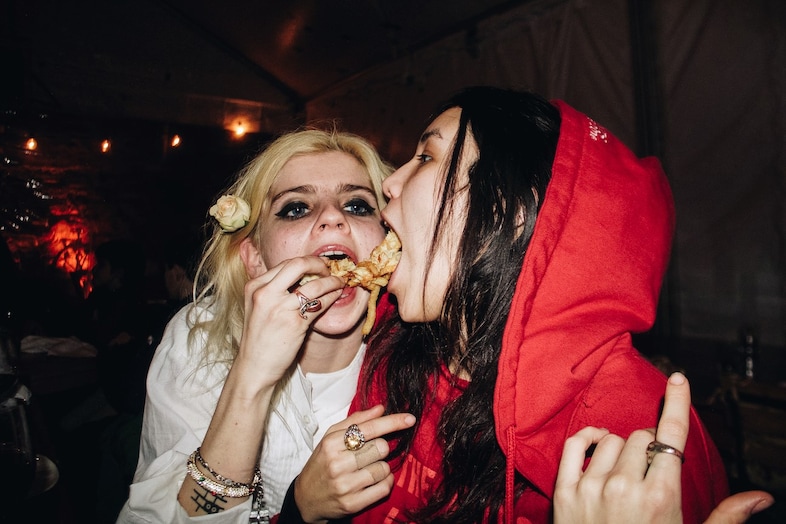
The core of "Last Call" lies in its chronological focus, spanning the years 2016 to 2018. During this intense period of photographic output, Hampton approached his craft with a refreshing lack of preconceived notions. "I didn’t really know what to expect," he admits. "So I just went into it with no expectations." If there was a guiding principle, it was a visceral attraction to "beautiful energy" – a quality that permeates every one of the book’s 300 pages. The images depict subjects caught in unguarded moments of genuine connection and revelry: kissing passionately, dancing with abandon, sharing drinks, smoking in quiet corners, or simply posing with an innate confidence that transcends typical artifice.
Hampton’s style is characterized by its raw intimacy and seemingly effortless candidness. Unlike many photographers who meticulously stage their shots, Hampton’s work feels like an extension of his presence within the scene, an observer who is simultaneously a participant. This approach allows for a level of authenticity that resonates deeply, portraying a youthful spirit that is both defiant and vulnerable. The subjects are not merely models; they are friends, acquaintances, and fellow travelers navigating the intoxicating currents of young adulthood in one of the world’s most electrifying cities. The black and white images interspersed with vibrant color shots underscore the diverse emotional palette of these years, from the stark reality of fleeting moments to the vivid memories they would become.
The Shifting Sands of New York Nightlife
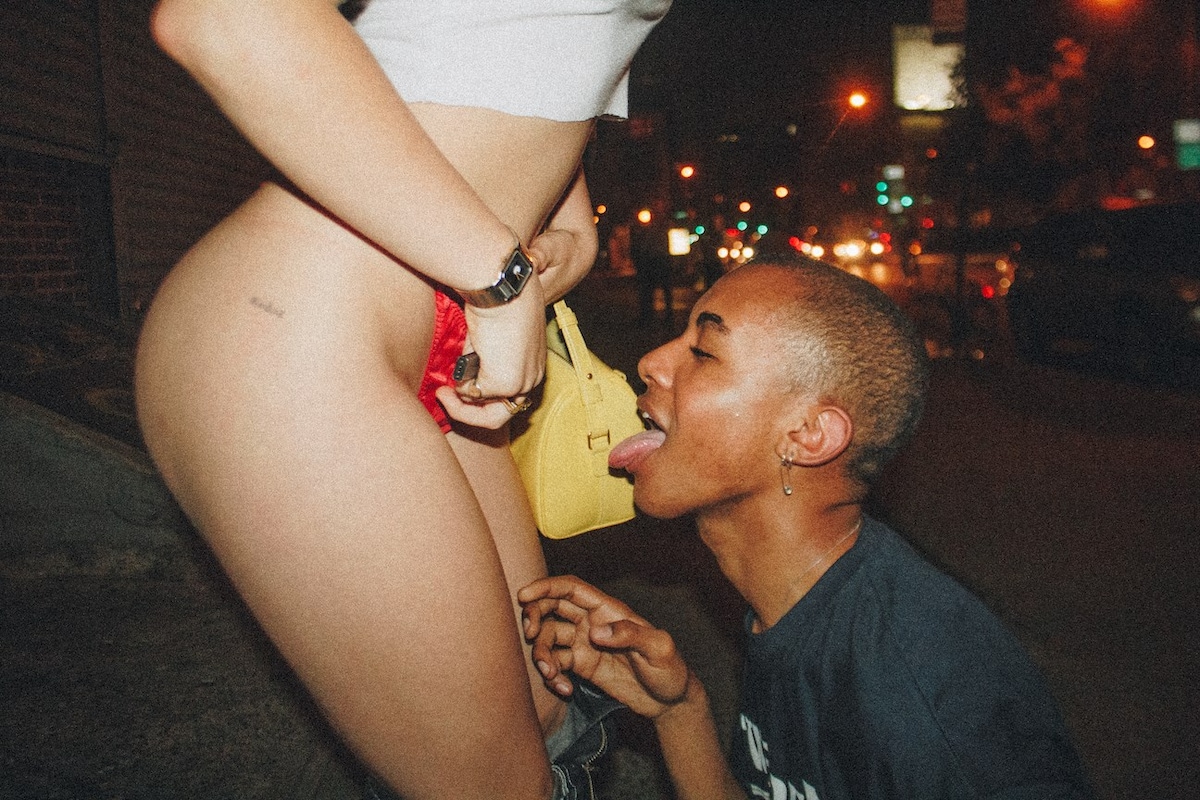
Beyond the personal narrative, "Last Call" inadvertently chronicles a significant cultural shift occurring within New York City. Hampton observes a profound change in the attitudes of young people today, lamenting a decline in the spontaneous pursuit of "a good time." Instead, he notes, "They’re just looking, I guess, to be seen." This observation speaks to the pervasive influence of social media and the burgeoning "influencer" culture that began to dominate online and offline interactions during and after the period documented in the book. The organic, unselfconscious revelry Hampton captured contrasts sharply with a more curated, performance-driven approach to socializing that has become increasingly common.
This shift in human interaction is intrinsically linked to broader urban transformations. New York City, a perennial magnet for dreamers and innovators, has long been characterized by its dynamic, often gritty, cultural landscape. However, the mid-2010s marked an accelerated period of gentrification and commercialization that saw the erosion of many independent and artist-run spaces. Rising rents, changing demographics, and a more stringent regulatory environment contributed to the closure of countless iconic restaurants, diners, and clubs – venues that once served as crucial communal hubs for subcultures and creative communities. Hampton’s photographs, taken in the throes of these vibrant scenes, thus become an invaluable, albeit accidental, historical record. "I photographed so many places that don’t exist today," he reveals. "Whole streets, even. New York has changed a ton."
Historically, New York has undergone several cycles of transformation. From the bohemian enclaves of Greenwich Village in the mid-20th century to the punk and new wave explosion of the Lower East Side in the 1970s and 80s, the city has consistently fostered artistic movements within its distinct, often gritty, venues. The 2016-2018 period, as depicted by Hampton, represents perhaps one of the last vestiges of a certain kind of uninhibited, analog-era nightlife before digital saturation irrevocably altered social dynamics and urban real estate pressures squeezed out the very spaces that nurtured such spontaneity. Sociologists and urban planners frequently cite the closure of independent venues as a key indicator of cultural homogenization, where unique local character is replaced by chain establishments and luxury developments, ultimately leading to a less diverse and less accessible urban experience for emerging artists and young people.
Documenting Disappearance: A City and an Adolescence Lost
The dual loss of physical spaces and a particular youthful spirit imbues "Last Call" with a profound sense of melancholy and nostalgia. Hampton’s lens, while initially focused on capturing "beautiful energy," became an unwitting archivist of disappearing landmarks and vanishing eras. The book is not merely a collection of party photos; it is a document of urban impermanence and the relentless march of time. The photographs serve as visual elegies for the "whole streets" and beloved establishments that have since succumbed to development or changing tastes, reminding viewers that even the most seemingly stable urban landscapes are in a constant state of flux.
On a deeply personal level, the book also captures Hampton’s own "lost adolescence." The subjects in his photographs, caught in moments of reckless abandon nearly a decade ago, have since navigated the complexities of adult life. The book offers glimpses into their subsequent journeys: some are now getting married, others are reaching the zenith of their careers, and many are marking other significant life milestones. Hampton expresses that he "still think[s] of everyone as the same," yet the undeniable passage of time is subtly woven into the book’s fabric through annotations. Under one striking black-and-white image, a caption reads: "2017 they kissed, 2025 they got married." Another, depicting a vibrant colored smooch, carries the bittersweet note: "They broke up :(" These brief, poignant updates transform the book from a mere visual record into a narrative of human connection, growth, and the sometimes-unpredictable trajectory of relationships forged in the crucible of youth. This juxtaposition of the frozen moment with its future outcome underscores the powerful ability of photography to act as a witness to both the fleeting present and the unfolding future.
The Metaphor of "Last Call": A Personal and Collective Farewell
The title, "Last Call," carries a dual significance, resonating on both a personal and a broader cultural level. For Tyrell Hampton himself, the project marks a symbolic "retirement from clubbing." Having immersed himself fully in the scene he documented, he now feels it is time to transition. "I feel like it’s just time for me to take a backseat, do things a little bit more intentionally, and do it for the next generation," he explains. "Let the kids do whatever they’re going to do. I’ve done it all." This statement signifies an artist’s evolution, moving from active participation to a more contemplative, guiding role. It reflects a maturation that often accompanies deep engagement with a subject, where the act of documentation eventually transforms one’s relationship with the documented reality.
Metaphorically, "Last Call" also speaks to the end of an era for a specific kind of New York nightlife and youth culture. The mid-2010s, with its blend of pre-pandemic innocence and burgeoning digital dominance, represents a historical pivot point. The carefree spirit, the spontaneous gatherings, and the communal spaces that fostered them have largely receded, making way for new forms of interaction and entertainment. The book thus acts as a final toast to that fleeting period, a recognition that what was once abundant is now scarce, and what felt eternal was, in fact, ephemeral. This sense of a collective farewell resonates with anyone who has witnessed their city, or their youth, transform irrevocably.
A Guide for Future Documentarians: Hampton’s Legacy and Advice
As Hampton steps back from the immediate front lines of nightlife documentation, he also offers invaluable wisdom for the next wave of photographers and cultural observers. His advice is rooted in his own experience of breaking into the industry: "When I was younger, I definitely just stalked all my favourite photographers and stylists, read the magazines, looked at the credits, just really trying to get a sense of what it is that I was either up against, or could be a part of." This practical guidance emphasizes diligent research, understanding the industry landscape, and identifying one’s place within it. Ultimately, however, his most profound counsel is deceptively simple: "Just be in love with whatever you’re doing." This underscores the importance of passion and genuine engagement as the driving forces behind meaningful artistic creation, particularly in a field as competitive and demanding as photography.
Hampton’s work, especially "Last Call," serves as a testament to the power of authentic visual storytelling. In an age saturated with manufactured imagery, his ability to capture raw emotion and unscripted moments stands out. He demonstrates that by immersing oneself in a community and approaching subjects with genuine curiosity and respect, a photographer can not only document a period but also convey its very essence. His legacy will undoubtedly inspire aspiring artists to seek out and preserve the fleeting realities of their own times, understanding that the most seemingly mundane moments can, in retrospect, hold immense historical and emotional weight.
Broader Cultural Implications: The Digital Age and Urban Identity
The themes explored in "Last Call" extend far beyond the specific confines of New York City or the individual experiences of its subjects. They speak to universal narratives of urban transformation, the evolution of youth culture in the digital age, and the human need to document and remember. The shift Hampton observes—from seeking "a good time" to merely "being seen"—is a critical commentary on the profound impact of social media platforms like Instagram and TikTok. These platforms, while facilitating connection and creative expression, have simultaneously fostered a culture of performance, where experiences are often curated for public consumption rather than purely lived for personal enjoyment. This dynamic has altered the very fabric of social interaction, particularly among younger generations, influencing everything from fashion trends to nightlife habits.
Furthermore, the loss of communal spaces, be they clubs, diners, or independent art venues, is a challenge faced by cities worldwide. As urban centers become increasingly globalized and economically driven, the pressures of gentrification often prioritize commercial development over the preservation of cultural heritage and grassroots communities. Hampton’s photographs serve as a powerful reminder of what is lost in this relentless pursuit of modernization: the unique character, the spontaneous interactions, and the fertile ground for subcultures that define a truly vibrant city. "Last Call" implicitly advocates for the value of preserving these spaces and fostering environments where genuine connection and uninhibited self-expression can flourish, unburdened by the demands of digital performance or commercial interests.
In conclusion, Tyrell Hampton’s "Last Call" is an essential photographic achievement. It is a vibrant, intimate, and ultimately melancholic tribute to a specific era of New York youth and nightlife that has, in many ways, vanished. Through Hampton’s discerning eye, viewers are transported back to a time of unbridled freedom and intense community, while simultaneously being prompted to reflect on the inexorable passage of time, the transformation of urban landscapes, and the evolving nature of human connection in an increasingly digital world. The book stands as a vital cultural document, chronicling not just moments but the very spirit of an age.
Tyrell Hampton’s Last Call book launch and signing takes place at Climax Books on Friday, July 10, from 6-8pm.