







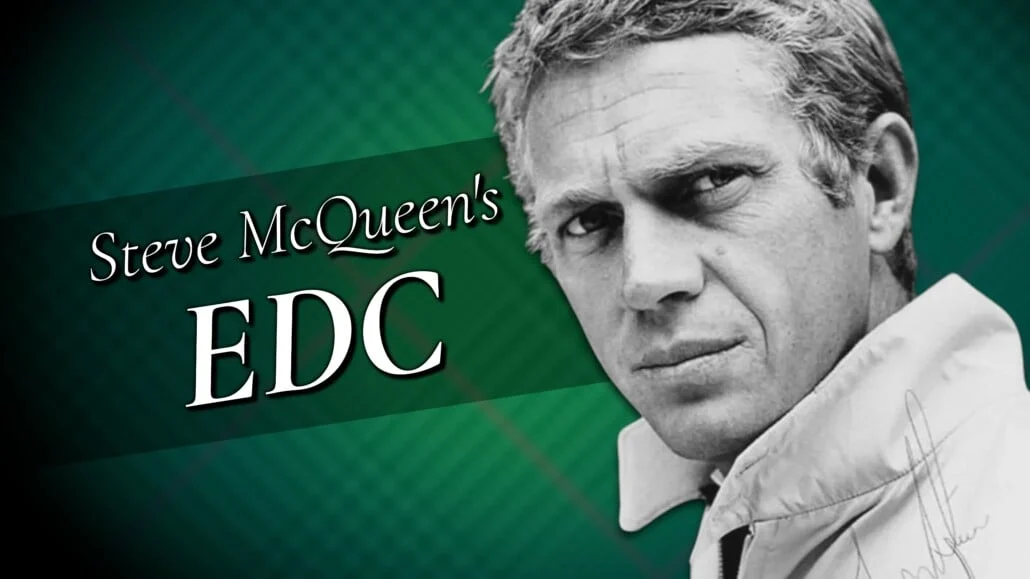
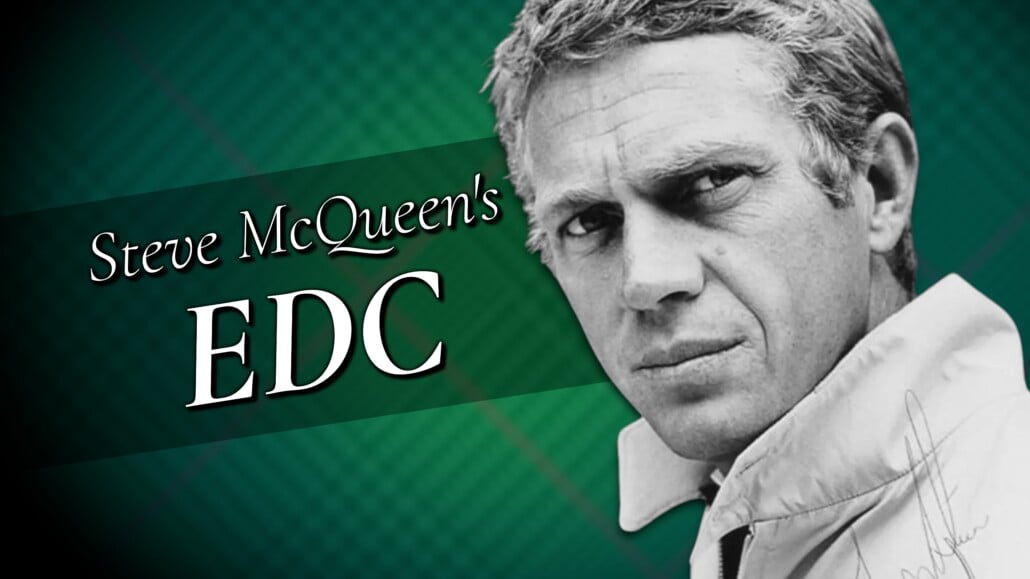
Steve McQueen remains the definitive archetype of mid-century masculine cool, a reputation built not on the artifice of Hollywood costuming, but on a carefully curated, highly personal selection of tools he carried throughout his life. While the cultural zeitgeist often reduces the actor to a montage of fast cars and leather jackets, a closer examination of his personal effects—his "everyday carry" (EDC)—reveals a man whose possessions were anchored in utility, sentimentality, and a fierce independence. By cataloging the specific items McQueen favored, one gains insight into the intersection of functional design and the private narrative of a man who spent his life escaping a turbulent childhood.
The Chronology of an Icon’s Possessions
McQueen’s relationship with material goods was defined by a rejection of the status quo. In an era when film stars were expected to be walking advertisements for studio-approved fashion, McQueen insisted on agency. This began as early as the late 1950s, when he established his preference for high-performance, utilitarian gear. His transition from the rugged, functional requirements of his early years to the high-stakes world of international film stardom did not alter his fundamental preferences; rather, it allowed him to codify them into a signature aesthetic that would be emulated for decades.

The Rolex Submariner Ref. 5512: Precision Meets Personal Choice
The Rolex Submariner reference 5512, introduced by the horological giant in 1959, represents a pivotal moment in watch design. Unlike its predecessors, the 5512 introduced crown guards—protective metal protrusions designed to shield the winding mechanism from impact—and became the first Submariner to achieve chronometer-certified status. For McQueen, the watch was not a luxury accessory; it was a tool.
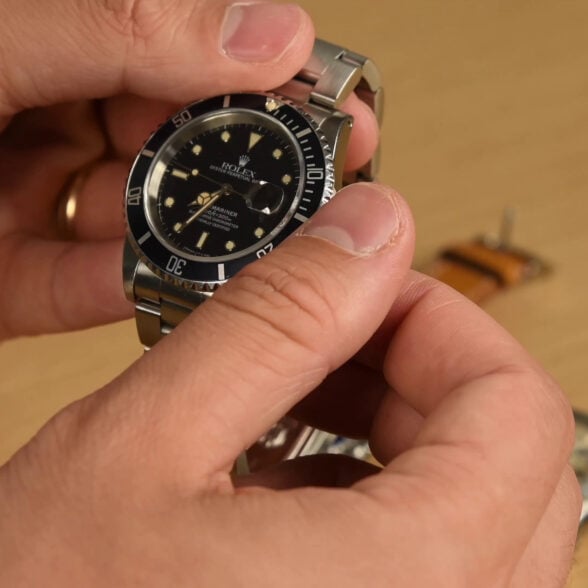
McQueen wore the 5512 exclusively off-camera, independent of the contractual obligations often imposed upon contemporary actors. This preference for the 5512 over the then-more-common Datejust or Day-Date models highlights his penchant for professional-grade equipment. His decision to wear the watch during the filming of the 1974 disaster epic The Towering Inferno, against the wishes of studio wardrobe departments, serves as a historical case study in his refusal to compromise his personal brand. Industry observers at the time noted that McQueen’s insistence on wearing his own watch signaled a shift in the power dynamics between actors and studios, establishing a precedent for the "personal endorsement" model that dominates modern celebrity marketing.
The Persol 714: Function as Fashion

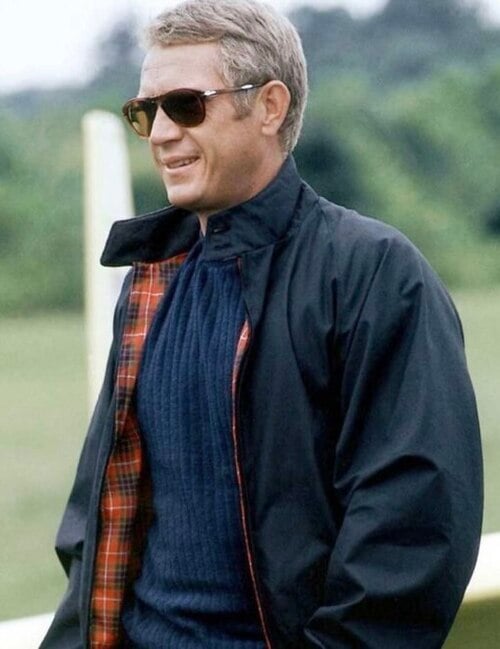
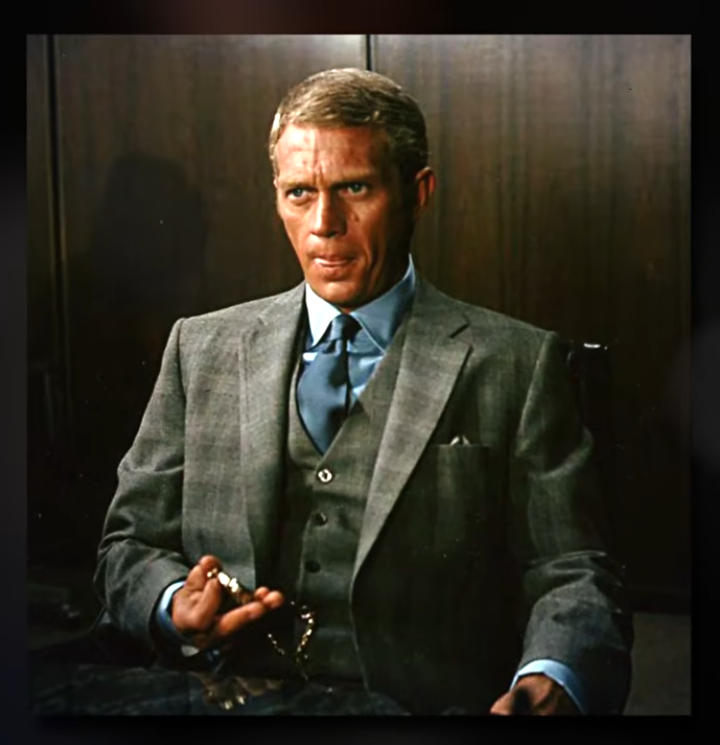
The Persol 714 folding sunglasses, synonymous with McQueen’s appearance in the 1968 classic The Thomas Crown Affair, offer a clear example of how functional engineering becomes iconic design. The 714s were specifically designed to collapse at the bridge and temples, allowing them to fit into a shirt pocket—a feature that aligned with McQueen’s minimalist approach to personal effects.
Evidence suggests that these were not a product of costume design but were, in fact, part of the actor’s personal collection prior to the film’s production. When the film’s producers saw McQueen wearing the frames on set, they integrated them into the character’s wardrobe, recognizing that the actor’s own habits carried more authenticity than any manufactured look. The lasting impact of this decision was solidified in 2006, when a pair of Persol 714s, documented as being owned by McQueen, reached a final auction price of $70,200. This valuation underscores the shift of his everyday objects from functional tools to historical artifacts.
The TAG Heuer Monaco Ref. 1133: The Intersection of Motorsport and Marketing
If the Rolex Submariner was the watch McQueen wore for himself, the TAG Heuer Monaco Ref. 1133 was the watch he wore for the world. During the production of the 1971 racing film Le Mans, McQueen entered a formal ambassadorial partnership with Heuer. The square-cased Monaco, launched in 1969, featured an automatic chronograph movement—a technological feat for the time—and its aesthetic was purposefully provocative.
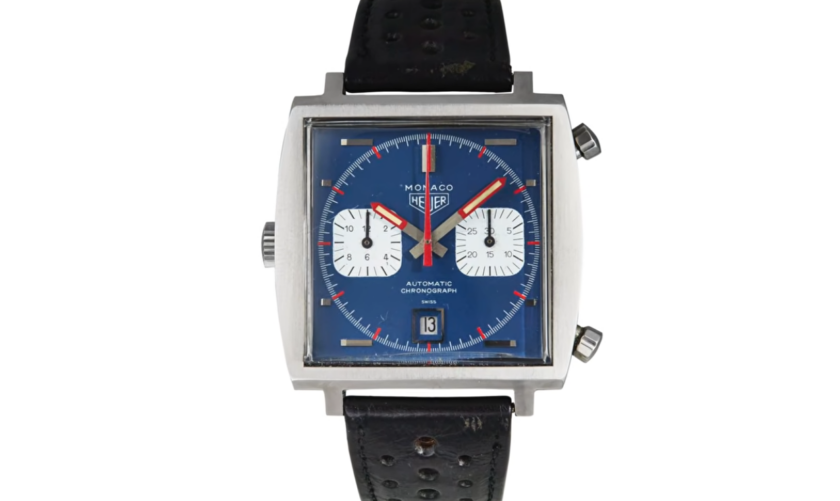
McQueen’s commitment to this partnership was rooted in his legitimate racing credentials. Having competed in high-profile events such as the 12 Hours of Sebring and the Baja 1000, McQueen brought a level of technical credibility to the Heuer brand that few, if any, other actors of the era could match. The historical significance of this watch was cemented in 2020 when one of the original Monacos worn by McQueen during the Le Mans shoot sold for $2.2 million. This transaction remains one of the most significant data points in the history of horological collecting, proving that the association between the man and the object continues to command a premium in the global market.
The Signet Ring and the Gold Pocket Watch: The Private Man

Beyond the high-profile watches and sunglasses, two items in McQueen’s possession offered a glimpse into his internal world: his silver signet ring and a gold pocket watch gifted by his Uncle Claude.
The signet ring, a traditional piece of menswear dating back to the Middle Ages, served as a personal seal. Unlike the modern trend of stacking rings or wearing high-karat gold, McQueen’s approach was understated. It served as an anchor for his identity, a subtle nod to heritage in a life marked by instability.
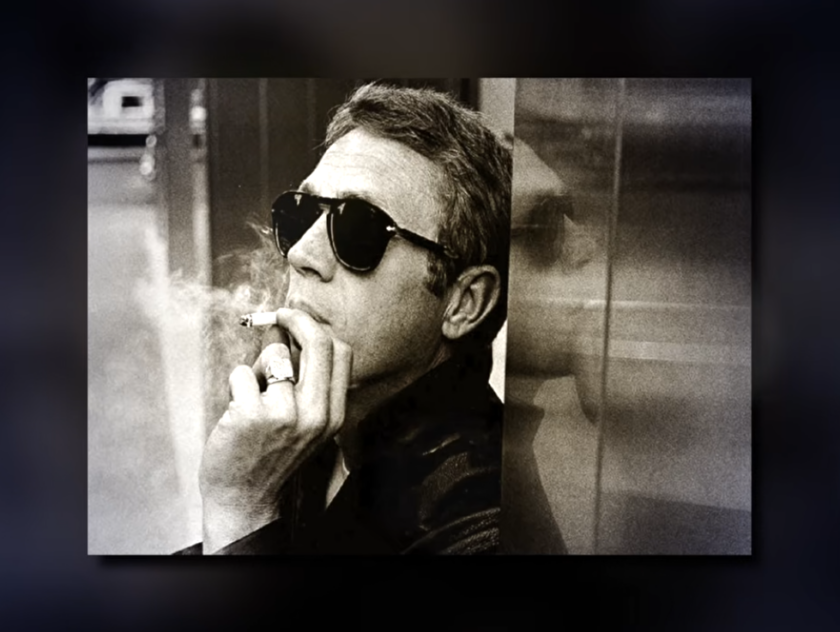
The pocket watch, however, remains the most significant object in his collection. Engraved with the dedication, "To Steve, who has been a son to me," the piece was a gift from his uncle, Claude, who provided the only consistent father figure McQueen experienced during a childhood marred by abandonment and neglect. The watch was more than a timekeeper; it was a physical manifestation of his early search for stability. The fact that McQueen kept this watch through the zenith of his fame—through multiple marriages, professional crises, and severe physical injuries—speaks to its role as his most cherished, and private, possession. It represents the "private sun" described by Thomas Hardy, a hidden source of warmth and identity that existed entirely outside the glare of the Hollywood spotlight.
The Financial Philosophy: Simplicity and Service
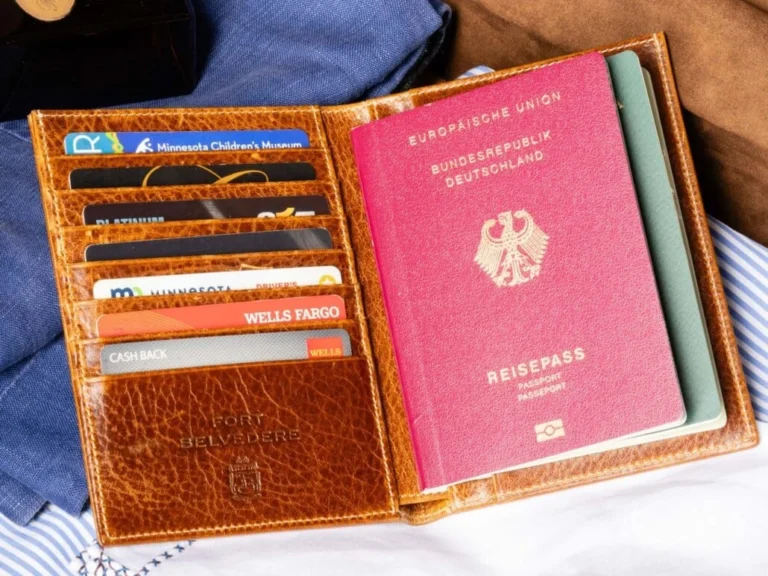
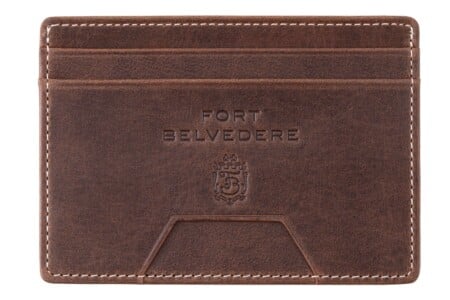
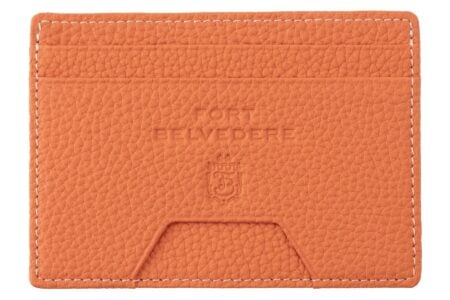
McQueen’s financial habits mirrored his choice of objects. His preference for a simple money clip over a traditional wallet was not merely a stylistic choice; it reflected a desire for efficiency and a resistance to the clutter that comes with accumulated wealth. This minimalism was, however, paired with a calculated, almost aggressive approach to bargaining.
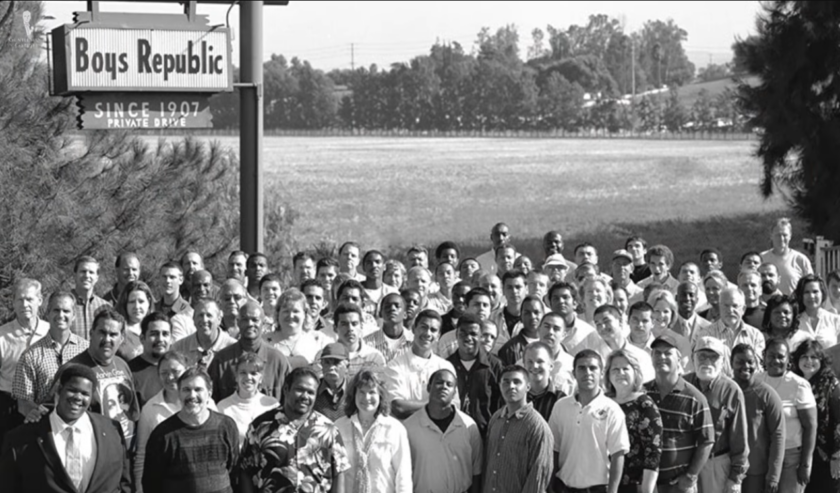
He was known for negotiating hard for professional gear, often securing high-end items for free. However, the subsequent destination of these goods was rarely his own closet. Instead, he consistently donated them to the California Junior Boys Republic, a reform school in Chino, California, that had provided him with structure and education during his adolescence. This behavior reveals a man who viewed his material success as a vehicle for supporting the institutions that had enabled his own survival. This systematic philanthropy, often conducted quietly, contradicts the public perception of the "selfish star" and provides context for his complex relationship with money.
The BSA Hornet Key and the Zippo: Tools of the Trade
The inclusion of a BSA Hornet key in his everyday carry highlights his commitment to competitive off-road racing. Owning over 140 motorcycles, McQueen did not view these machines as aesthetic props. His participation in the Elsinore Grand Prix and the Mint 400 was often performed under the pseudonym "Harvey Mushman" to ensure he was judged by his performance on the track rather than his box-office status. The key was a symbol of his desire for pure, unadulterated experience.
Similarly, the ubiquitous Zippo lighter, an inexpensive and mass-produced item, sat comfortably alongside his multi-million dollar watches. The Zippo functioned reliably, required little maintenance, and carried no pretense. Its presence in his pocket suggests a man who valued function above all else, regardless of the price point.
Implications of the McQueen EDC
The legacy of Steve McQueen’s everyday carry is not found in the brands he wore, but in the intentionality behind them. He operated from a position of profound self-awareness, choosing items that were capable of withstanding the rigors of his lifestyle—motorcycle racing, filming, and private travel.
In an era of mass-market luxury, where "everyday carry" is often treated as a performative aesthetic, the McQueen model remains a standard for authenticity. His items were not meant to broadcast status; they were meant to support a life defined by action. By prioritizing tools that served a clear purpose—whether the timing of a race, the protection of his vision, or the preservation of a childhood memory—McQueen successfully navigated the transition from a troubled youth to an international icon. His belongings were not merely objects; they were the essential components of a life lived on his own terms. The continued fascination with these items, decades after his passing, serves as proof that true style is not about the acquisition of the new, but the maintenance of the meaningful.