








The contemporary grooming market has undergone a significant paradigm shift over the past decade, driven largely by consumer demand for transparent ingredient labeling and formulations free from synthetic additives. Among the most prominent changes in men’s personal care is the widespread transition away from traditional antiperspirants containing aluminum compounds. While mainstream antiperspirants have long utilized aluminum salts to plug sweat ducts and mechanically prevent perspiration, dermatological research and consumer feedback point to a rising prevalence of skin irritations, contact dermatitis, and clogged pore ecosystems associated with these metallic active ingredients. As public awareness regarding personal wellness and clean beauty expands, manufacturers have accelerated research and development into alternative odor-neutralizing agents, resulting in a robust sector of high-performing, aluminum-free products.
Understanding the Mechanics of Aluminum-Free Formulations
To fully appreciate the shift toward aluminum-free deodorants, one must examine the physiological function of sweat and the role chemical additives play in managing body odor. Apocrine sweat glands, primarily located in areas such as the underarms, secrete a fluid rich in proteins and lipids. When this fluid interacts with the natural bacterial flora residing on the skin’s surface, the breakdown of these compounds produces malodor.
Traditional antiperspirants rely on aluminum-based complexes—such as aluminum zirconium tetrachlorohydrex gly or aluminum chlorohydrate—to physically block sweat ducts. While effective at halting moisture production, this mechanism disrupts the natural dermal microbiome. Conversely, aluminum-free deodorants do not act as antiperspirants; instead, they function strictly as deodorants. They neutralize odor through targeted antimicrobial agents, natural absorbents, and pH-balancing ingredients that inhibit the proliferation of odor-causing bacteria without halting the body’s natural perspiration process.
The Evolution of the Clean Grooming Market
The commercial emergence of specialized aluminum-free deodorants began gaining serious traction in the mid-2010s, transitioning from niche health-food store items to mainstream retail mainstays. Driven by direct-to-consumer digital marketing and stringent consumer inquiries regarding parabens, phthalates, and synthetic fragrances, legacy brands and agile startups alike have redefined the category. Industry analysts note that the global natural personal care market has sustained compound annual growth rates exceeding five percent, with men’s grooming representing a rapidly expanding segment.
Today’s market features a diverse array of product formats tailored to various lifestyle needs, ranging from traditional deodorant sticks and roll-ons to innovative gels, activated charcoal creams, and specialized body powders designed for comprehensive anti-chafing and odor control.

Top Aluminum-Free Deodorant Options for Men
-
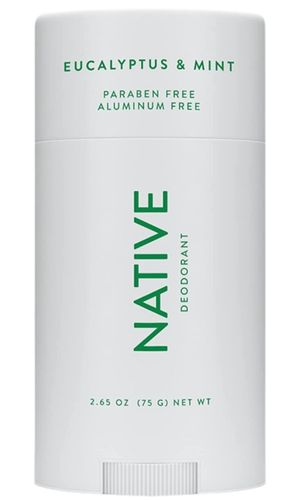
Native Deodorant Eucalyptus and Mint (Best Overall)
Recognized as the premier overall choice in the market, Native’s Eucalyptus and Mint stick combines a streamlined ingredient list—featuring coconut oil, shea butter, probiotics, and tapioca starch—with long-lasting odor protection. The formulation provides a crisp, naturally derived scent profile that avoids synthetic heaviness, making it an ideal entry point for individuals transitioning away from traditional antiperspirants.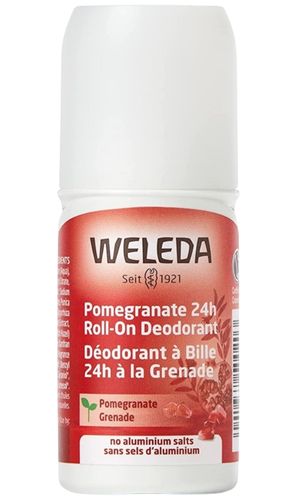
-
Dr. Squatch Deodorant and Soap Gift Set (Best Gift Set)
Combining high-utility grooming essentials into a cohesive package, the Dr. Squatch gift set pairs odor-fighting stick deodorants in popular variants like Birchwood Breeze and Fresh Falls with matching soap bars. Utilizing arrowroot and charcoal powder, these formulations absorb excess moisture and neutralize bacteria while utilizing skin-conditioning agents like jojoba and shea butter. -
Weleda Pomegranate Deodorant (Best Roll-On)
Offering a sophisticated alternative to solid sticks, Weleda’s roll-on format utilizes a lightweight, liquid-based delivery system. Infused with licorice root and witch hazel, the pomegranate-scented formula provides a refreshing application that dries quickly and leaves zero residue on clothing, appealing to users seeking a classic European botanical approach.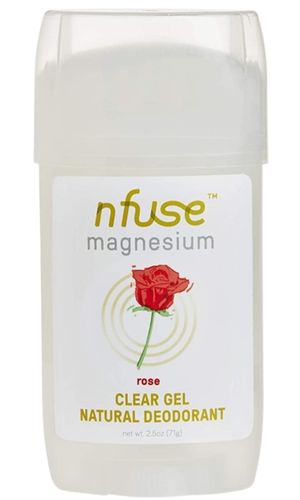
-
Nfuse Natural Magnesium Gel Deodorant (Best Gel)
Addressing both odor control and dermal wellness, Nfuse incorporates magnesium chlorate into a clear gel base. Magnesium-infused topicals have gained popularity within the wellness community for their perceived calming properties, while the formulation itself delivers reliable, residue-free protection with a clean mountain air scent. -
Little Seed Farm All Natural Deodorant Cream (Best Cream)
For consumers open to cream-based applications, Little Seed Farm offers an artisanal, sensitive-skin-friendly formula. Utilizing activated charcoal and magnesium hydroxide, this cucumber-scented cream effectively absorbs moisture and neutralizes odor without relying on baking soda, which can occasionally cause sensitivity in certain users.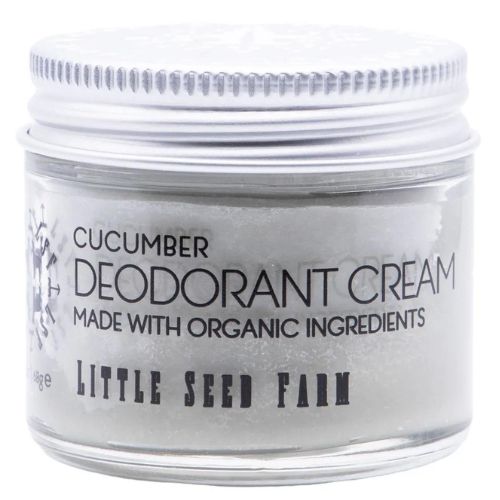
-
Jack Henry Deodorant (Best Organic)
Founded on principles of minimal, organic formulation, Jack Henry utilizes bentonite clay as its primary odor-absorbing agent. Blended with a complex mixture of coconut oil, beeswax, arrowroot, and essential oils including eucalyptus, juniper, and hinoki, this stick deodorant provides robust, earth-derived protection. -
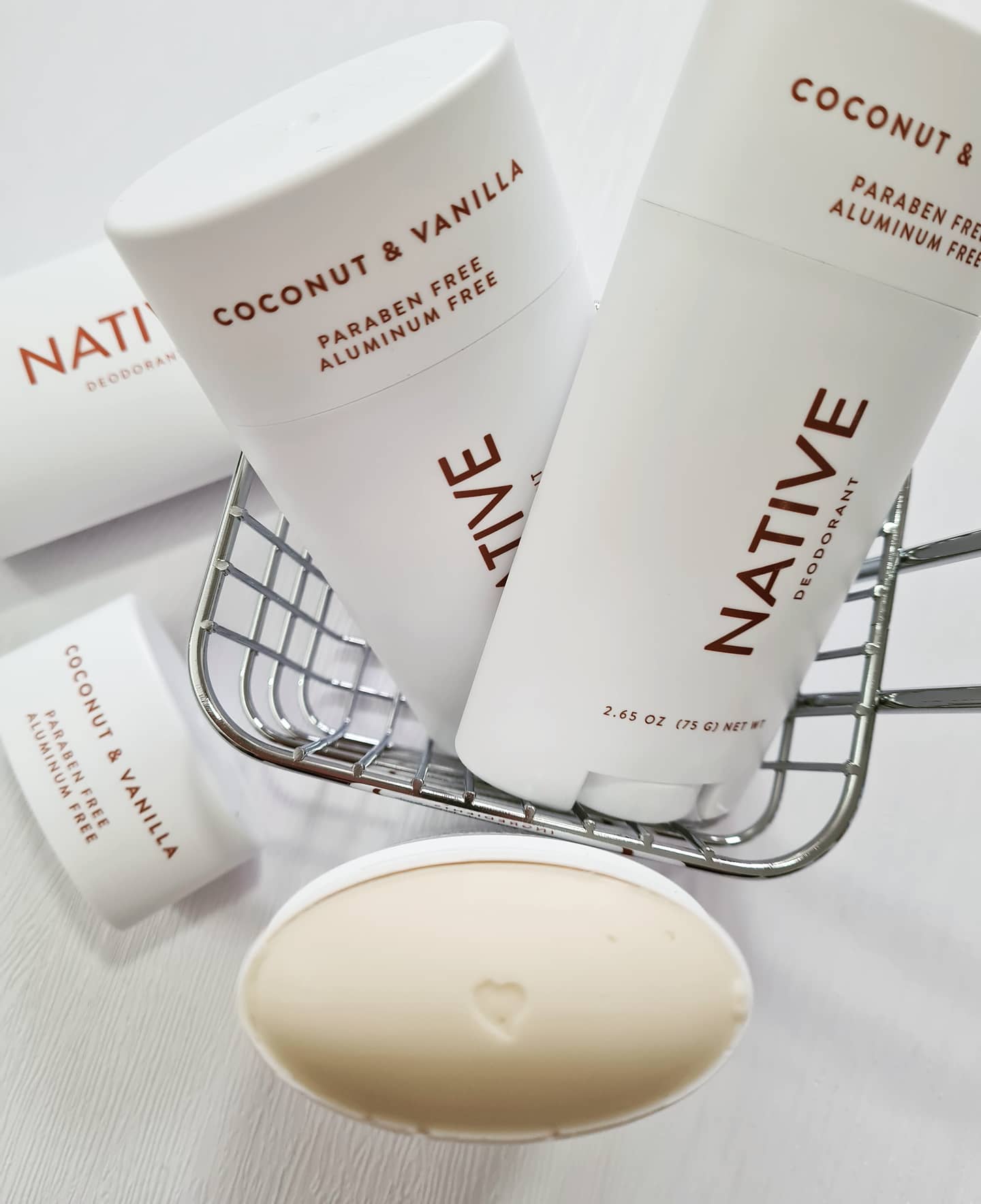
Native Deodorant Coconut and Vanilla (Best Fragrance Profile)
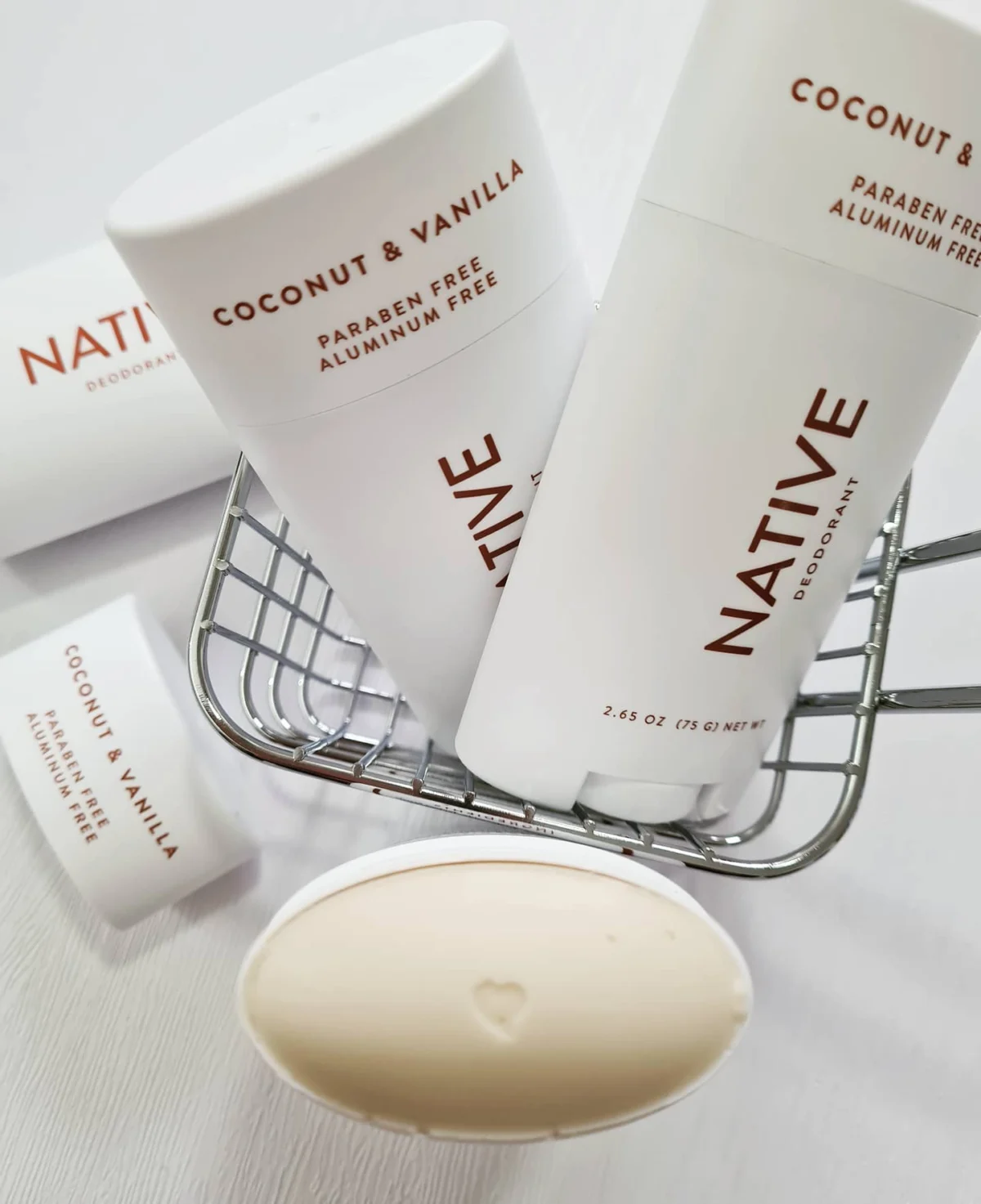
Another standout from Native, the Coconut and Vanilla variant offers a warmer, sweeter aroma profile that prioritizes natural botanical extracts over synthetic colognes. Certified cruelty-free and eco-friendly, it delivers reliable everyday performance for users who prefer a softer, non-traditional scent.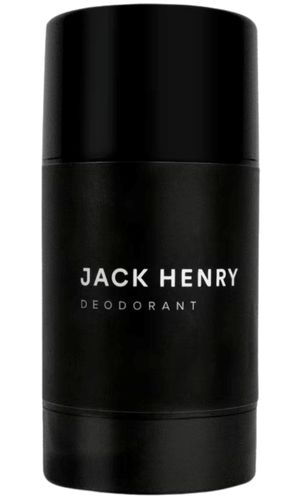
-
Nivea Fresh Natural Spray (Best Spray)
Addressing the demand for a quick-drying format that eliminates white marks on dark garments, Nivea’s alcohol-based spray delivers immediate freshness. While it does not incorporate complex botanical butters, its minimalist formulation provides an accessible, reliable aluminum-free alternative. -
Lume Natural Clean Warm Vanilla (Best Multi-Body Deodorant)
Lume has established a strong market presence with its acid-based formulations, utilizing mandelic acid to inhibit odor-causing bacteria at the source rather than merely masking it. Free of aluminum, parabens, and baking soda, this cream formula is clinically tested and deemed safe for external use across multiple body zones, including underarms, feet, and intimate areas.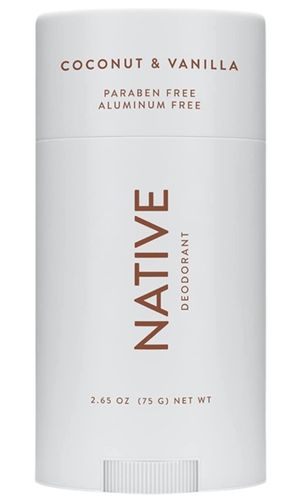
-
Happy Nuts Comfort Cream (Best for Chafing and Body Care)
Designed specifically to combat friction and moisture in high-friction zones, Happy Nuts Comfort Cream employs a unique cream-to-powder mechanism. Ingredients like tapioca starch, coconut oil, and aloe vera work synergistically to prevent chafing, commonly referred to in athletic circles as the "batwing" effect, making it an essential tool for active lifestyles. -
Dude Body Powder (Best Unscented Powder)
Expanding beyond traditional talc-based powders, Dude Body Powder utilizes cornstarch infused with aloe vera and menthol to deliver long-lasting, soothing protection. Its unscented profile makes it ideal for users sensitive to added fragrances who require reliable moisture control during rigorous physical activity.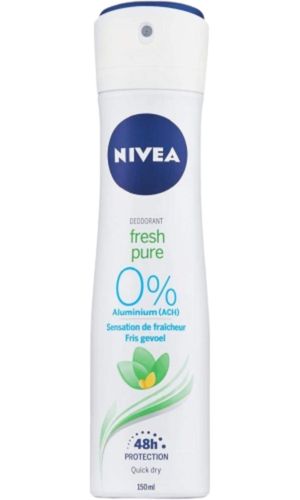
-
Calvin Klein Eternity Deodorant Stick (Best Designer Option)
Bridging the gap between fine fragrance and personal care, this deodorant stick infuses the timeless aromatic notes of Calvin Klein Eternity—featuring mandarin, lavender, jasmine, and sandalwood—into an aluminum-free base, allowing users to layer their signature scent seamlessly. -
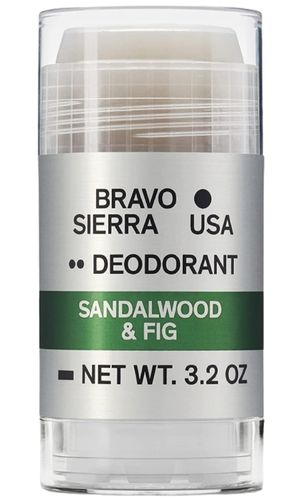
Bravo Sierra Sandalwood and Fig (Best Military-Grade Option)
Engineered for high-stress environments and field use, Bravo Sierra’s clear stick uses cassava root and aloe vera to manage odor under extreme physical exertion. Furthermore, the brand maintains a dedicated social mission, committing a portion of its proceeds to support veterans and active-duty military personnel.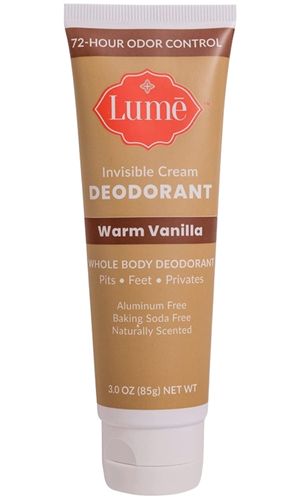
-
Dove Men+ Care Extra Fresh (Best Antiperspirant Alternative)
Dove leverages its extensive dermatological research to offer an aluminum-free stick that mimics the performance expectations of traditional antiperspirants. Infused with glycerin and a bright citrus scent, it prioritizes skin moisturization alongside effective daily odor management. -
Schmidt’s Sensitive Skin Hemp Seed Oil and Sage (Best for Sensitive Skin)
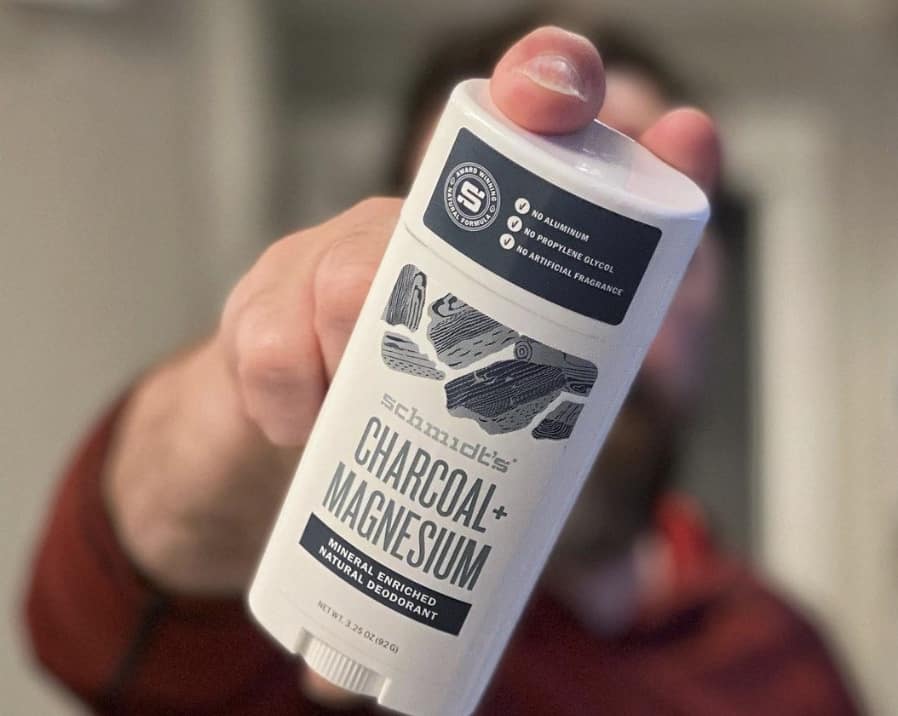
Rounding out the selection, Schmidt’s addresses the needs of users prone to irritation from baking soda or heavy synthetic fragrances. By pairing hemp seed oil with soothing sage and a moisturizing base of coconut oil and shea butter, this formulation delivers gentle, effective protection tailored for reactive skin types.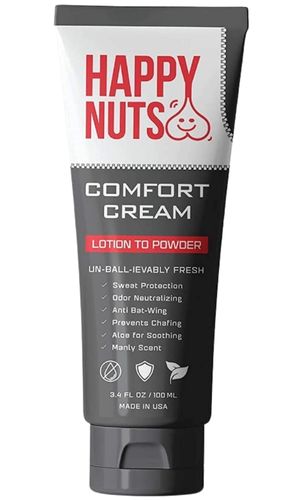
Key Considerations When Purchasing Aluminum-Free Deodorants
Selecting the appropriate aluminum-free product requires evaluating several personal parameters, including scent preference, ingredient sensitivities, and lifestyle demands.

Scent Profile and Longevity
Because aluminum-free deodorants do not halt perspiration, fragrance plays a crucial role in maintaining perceived freshness throughout the day. Consumers should determine whether they prefer botanically derived essential oils, warm gourmand notes, or entirely unscented formulations designed to avoid olfactory clashes with colognes.
Ingredient Transparency and Sensitivities
Individuals transitioning away from conventional products should review active ingredients carefully. While baking soda is a common and effective natural odor neutralizer, it can cause localized irritation for individuals with highly sensitive skin. Alternatives such as magnesium hydroxide, bentonite clay, and mandelic acid offer gentler mechanisms for controlling bacterial growth.

Application Format Preferences
The market offers distinct formats tailored to specific application habits. Traditional sticks provide convenience and ease of travel; roll-on liquids offer smooth, lightweight coverage; and creams or powders provide superior moisture management for high-friction areas of the body.
Implications and Future Outlook
The continued expansion of the aluminum-free grooming sector underscores a broader cultural movement toward holistic personal health and ingredient accountability. As chemical engineering and botanical extraction techniques continue to advance, the performance gap between traditional antiperspirants and modern deodorants has narrowed significantly. For consumers navigating skin sensitivities, physiological health concerns, or a preference for clean formulations, the current marketplace provides diverse, highly effective solutions tailored to every grooming regimen.