


The year 2013. The ritual of preparing for school began with a mirrored reflection, an iPad displaying makeup tutorials, and the internal debate over requesting a specific shade of blush. This scene, painted with the burgeoning influence of beauty vlogging and the nascent digital communities of Zillennials, was a prelude to the era’s signature makeup statement: the bold, ubiquitous smoky eye. Created with cult-favorite palettes like the Urban Decay Naked Palette, these intricate eye looks, featuring shades like Buck in the crease, Sidecar on the lid, and Darkhorse for definition, were not reserved for special occasions. They were integral to the daily sartorial landscape, appearing in classrooms, during errands, and everywhere in between. This pervasive trend, a cornerstone of youthful self-expression, eventually receded, only to re-emerge years later, sparking a wave of nostalgia and a renewed appreciation for its transformative power.
The Rise of the Digital Beauty Influencer and the Smoky Eye Phenomenon
The early 2010s marked a significant shift in the beauty industry, propelled by the rise of beauty vloggers on platforms like YouTube. This democratization of makeup artistry allowed a new generation, particularly Zillennials, to find community and experiment with self-expression through makeup. The bolder the look, the better, with eyes serving as a canvas for vibrant and smoldering eyeshadows. YouTube tutorials, often featuring detailed demonstrations of techniques like the smoky eye, became indispensable resources. The Urban Decay Naked Palette, launched in 2010, became a defining product of this period, alongside other iconic palettes such as the Anastasia Beverly Hills Modern Renaissance and Too Faced’s boxed collections. These palettes provided the tools for legions of aspiring makeup enthusiasts to recreate sophisticated looks, making the smoky eye accessible and aspirational.
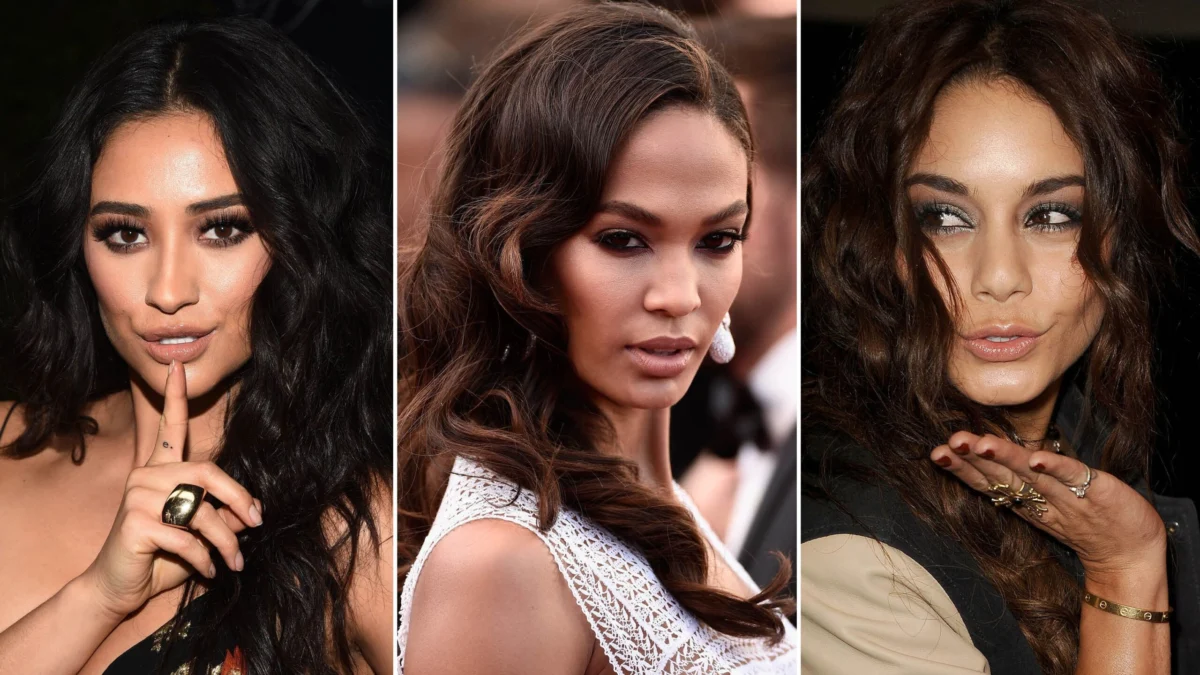
The smoky eye itself boasts a rich history, dating back to ancient Egyptian royalty and the glamorous flappers of the 1920s. Makeup artists like Linda Cantello and Pat McGrath are credited with popularizing the effortlessly sexy smudged effect in the early 2000s, often using black eyeliner pencils to achieve a softer, more diffused look before models hit the runway. The subsequent rise of indie sleaze culture, the Tumblr aesthetic, and popular television shows such as Gossip Girl and Pretty Little Liars reintroduced the smoky eye to a new generation, embedding it within the bedrooms of teenagers worldwide. This period saw a palpable embrace of dramatic eye makeup, transforming it from an evening-only look to an everyday staple.

The Transition to Subtlety and the "Clean Girl" Aesthetic
As the 2010s progressed and the initial wave of beauty influencers matured, so too did the prevailing makeup trends. Makeup artist Lila Childs, who began posting beauty tutorials online in 2012, observed this shift: "Whenever you’d open Vogue, People, or Allure, it would always be Mila Kunis with that sparkly-ish smoky eye, or Nina Dobrev, Vanessa Hudgens. Those were the smoky eyes [I remember]," she stated. Childs further elaborated on the aesthetic of that era, noting, "It wasn’t even [considered] loud makeup. It weirdly looked like it was part of the face. The tones matched [the client’s] eye color and skin tone, making the eye appear lower contrast and softer—even though they were wearing lashes and a full Naked palette on their eyes."
This period saw a gradual move away from intense eye looks towards a more refined and natural aesthetic. Brands that emphasized luminous, polished glamour, such as Charlotte Tilbury and Hourglass, gained prominence. Childs described this emerging style as "a little bit more Victoria’s Secret bombshell—a bit more natural. And then Glossier was so minimal. There were just beauty brands that were coming out with this whole concept of wearing a more natural face." This marked a significant pivot towards what would become known as the "clean girl" aesthetic.
The rise of "clean beauty" looks, heavily influenced by factors such as trend cycles, post-pandemic fatigue, and an increased focus on wellness, became the dominant paradigm. Social media platforms, particularly TikTok, showcased an abundance of "no-makeup makeup" looks, characterized by brushed-up brows, subtle cheek tints, and blurred lips. Pop stars like Sabrina Carpenter and Hailey Bieber championed this angelic, coquetteish style, a stark contrast to the sultry, dramatic vibe of the smoky eye. Consequently, eye makeup often took a backseat, with lids frequently left unadorned beyond a swipe of mascara.

The Nostalgic Echo: 2016 is the New 2026
In recent times, a discernible cultural undercurrent has signaled a return to the aesthetics of the past. The early months of the current year saw a widespread social media trend with the refrain, "2016 is the new 2026." This nostalgic wave included the resurgence of figures like Kylie Jenner and iconic filters, prompting a collective reflection on the era’s embrace of playful experimentation. The trend of "doing my makeup like it’s 2016" gained traction, with beauty creators sharing tutorials that often incorporated techniques like using tape for sharp winged eyeliner, reminiscent of the era’s penchant for precision.
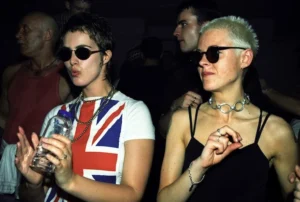
This nostalgia is accompanied by a rejection of the minimalist "clean girl" ethos, manifesting in the adoption of darker, more expressive aesthetics such as goth and grunge, and a revival of clubbing-inspired looks. Influenced by figures like Gabbriette, Julia Fox, and Jenna Ortega, and popularized by platforms like Brat summer, this broader cultural movement has found a significant expression in the beauty world. The dramatic, heavily smudged smoky eye, once a hallmark of the 2010s, has re-emerged as a central element of this revitalized aesthetic.
Runway Resurgence and the "Party Girl" Paradigm
The impact of this aesthetic shift is not confined to social media; it has also made a significant appearance on fashion runways. Gucci, under the creative direction of Sabato De Sarno, has been at the forefront, with makeup artist Sam Visser crafting ultra-bold looks for the Fall 2026 show. Other major fashion houses, including Prada, Yves Saint Laurent, and Tory Burch, have followed suit, incorporating dramatic eye makeup into their presentations.

Lila Childs, in a recent TikTok commentary, posed a pertinent question: "Is the Party Girl replacing the Clean Girl?" This query encapsulates the prevailing sentiment that a more adventurous and expressive approach to beauty is gaining ascendancy, potentially displacing the understated "clean girl" ideal.
The Millennial Tumblr Influence and Gen Z’s Interpretation
As a member of the Zillennial generation, there is an acknowledgment that the aesthetic of "slept-in" makeup, characterized by its intentionally imperfect and lived-in appearance, owes a significant debt to the Millennial Tumblr era. This period saw widespread reblogging of artists and style icons such as Sky Ferreira and Effie from Skins, who embodied a certain raw, unpolished allure.
The younger generation is now not only paying homage to these influences but also reinterpreting them. A key distinction in the modern iteration of this trend is the subtle shift in intent: while the aesthetic may appear undone, the underlying effort is often masked. The emphasis is on achieving a look that suggests minimal effort, a stark contrast to the overt display of skill and product application that defined the 2010s smoky eye.

The "Cringe" Factor: Effortless vs. Effortful Beauty
The contemporary cultural landscape has redefined the perception of effort. In an era where striving and overt attempts at perfection are often labeled as "cringe," the desire for an effortlessly chic appearance has intensified. Childs elaborates on this sentiment: "In the 2010s, you wanted the effort you put into your makeup to show on your face. Now it’s like, ‘How can I make it appear as though I didn’t try at all?’ So that would probably result in just a more pared-down version and something that has softer edges and isn’t so manufactured.”
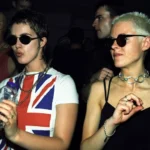
This philosophy aligns closely with the minimalist ethos of the 1990s, a decade characterized by a casual approach to style—throwing on a t-shirt and jeans, and applying eyeliner with a seemingly haphazard grace. The underlying message was that if the look wasn’t perceived as cool, it was because one hadn’t put in maximal effort. This sentiment has permeated the beauty market, with consumers increasingly seeking products and techniques that allow for "the most with makeup with the least amount of products," as Childs observes.
The Specialness of the 2010s Smoky Eye: A Nostalgic Phenomenon
The enduring appeal of the 2010s smoky eye lies in its inherent connection to a time when beauty rituals were characterized by an abundance of products and a willingness to dedicate significant time to their application. The heart of this trend was about playfulness and experimentation, a notion that has now become a subject of nostalgic fascination.

For many, this past Halloween provided an opportunity to revisit these beloved looks. Dressing up as a character from the Jersey Shore era, complete with dramatic black eyeshadow, evoked a potent sense of nostalgia. The experience, set to a 2010s dance playlist, felt both familiar and exciting, reminiscent of the author’s 2013 self, who proudly shared her self-taught makeup skills on Instagram. The enthusiastic comments from friends, all sharing their own obsessions with the Naked palette, underscored the communal and formative nature of these beauty practices during girlhood.
While a daily return to the elaborate smoky eye may not be on the horizon for many, the sentiment remains: the joy of uninhibited experimentation with makeup is something worth cherishing. The act of dedicating uninterrupted hours to a beloved eyeshadow palette, guided by a YouTube tutorial, offers a valuable opportunity for creative expression and a connection to a cherished past. This revival of the 2010s smoky eye is not merely a fleeting trend but a testament to the enduring power of makeup as a form of self-discovery and nostalgic comfort.