






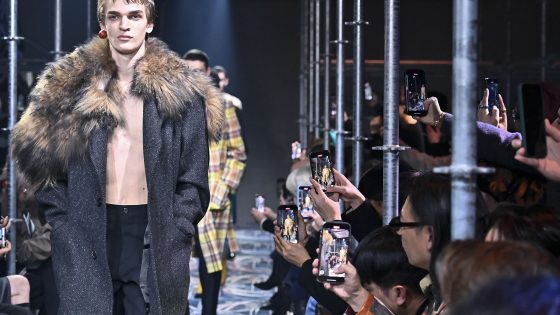
The Camera Nazionale della Moda Italiana (CNMI), the esteemed body that exclusively owns and orchestrates the globally recognized Milan Fashion Week trademark, has announced a definitive pivot away from fur, declaring that it will cease any promotion of fur on its prestigious catwalks, effective today, May 15, 2026. This landmark decision marks a significant moment for one of the world’s preeminent fashion capitals, underscoring a deepening commitment to ethical practices and aligning Milan with a rapidly evolving global fashion landscape increasingly defined by sustainability and animal welfare.
A Decisive Shift in Fashion’s Ethical Landscape
The announcement from CNMI is not merely a policy change but a potent symbol of the fashion industry’s profound re-evaluation of its long-standing relationship with animal products. For decades, fur has been an emblematic material in high fashion, a signifier of luxury, status, and craftsmanship. Milan, in particular, has historically been a stronghold for brands that prominently feature fur in their collections, making CNMI’s decision particularly impactful. This move reflects a broader societal and industry-wide shift, driven by increasing consumer awareness, persistent advocacy from animal rights organizations, and a burgeoning embrace of innovative, cruelty-free alternatives.
The implications of this policy are far-reaching, affecting not only the designers who showcase their collections in Milan but also the entire supply chain, from material sourcing to manufacturing and retail. By actively disassociating Milan Fashion Week from the promotion of fur, CNMI is sending an unequivocal message that ethical considerations are now central to the future identity and appeal of Italian fashion.
The Evolution of the Anti-Fur Movement: A Timeline of Change
The journey towards a fur-free fashion industry has been long and arduous, spearheaded by relentless campaigning from animal welfare organizations and increasingly supported by designers, brands, and consumers.
- Early Advocacy (1980s-1990s): Animal rights groups like People for the Ethical Treatment of Animals (PETA) and the Humane Society International (HSI) began prominent campaigns against the fur industry, utilizing shocking imagery and celebrity endorsements to raise public awareness about the cruelty involved in fur farming and trapping. Slogans like "I’d rather go naked than wear fur" became iconic.
- Pioneering Designers (Early 2000s): Stella McCartney emerged as a prominent voice and practitioner of cruelty-free fashion, demonstrating that luxury and innovation could thrive without animal products. Her commitment inspired a new generation of designers.
- Major Brands Go Fur-Free (Mid-2010s Onwards): The momentum significantly accelerated in the mid-2010s.
- Gucci (2017): Under the leadership of Marco Bizzarri and Alessandro Michele, Gucci announced it would stop using fur, effective from its Spring/Summer 2018 collections. This was a seismic event, given Gucci’s status as a global luxury powerhouse.
- Versace (2018): Donatella Versace declared the brand would cease using fur, stating, "I don’t want to kill animals to make fashion. It doesn’t feel right."
- Michael Kors (2017) and Jimmy Choo (2018): Both brands, under the Capri Holdings umbrella, announced fur-free policies.
- Burberry (2018): The iconic British brand committed to going fur-free and also announced it would stop destroying unsold goods, marking a broader sustainability push.
- Chanel (2018): In a move that underscored the growing inevitability of the shift, Chanel announced it would stop using exotic skins and fur, citing difficulties in sourcing ethically.
- Prada (2019): Prada Group, encompassing Prada, Miu Miu, Church’s, and Car Shoe, joined the fur-free movement, effective from its Spring/Summer 2020 collections.
- Fashion Weeks and Councils Take a Stand:
- London Fashion Week (2018): Became the first major fashion week to go entirely fur-free, a decision that sent ripples across the industry.
- Helsinki Fashion Week (2017): Pioneered a ban on fur and exotic leather.
- Oslo Fashion Week (2018): Also adopted a fur-free policy.
- Copenhagen Fashion Week (2020): Announced a ban on fur from 2023.
- Legislative Action: Beyond industry self-regulation, several jurisdictions have enacted bans. California became the first US state to ban the sale of new fur products in 2019, effective from 2023. Similar legislative efforts are underway in other cities and countries.
CNMI’s decision to cease fur promotion from May 2026 positions Milan as a critical player in this global ethical paradigm shift, aligning it with the forward-thinking trajectory of the international fashion community.
The Driving Forces: Consumer Sentiment and Sustainability Mandates
The impetus behind CNMI’s move is multifaceted, reflecting a confluence of ethical imperatives, evolving consumer preferences, and the fashion industry’s broader commitment to sustainability.
- Ethical Consumerism: A significant and growing segment of consumers, particularly among younger demographics (Gen Z and Millennials), express strong ethical concerns regarding animal welfare. Numerous surveys have indicated a marked preference for cruelty-free and vegan alternatives. A 2023 study by the Ethical Consumer Research Association, for instance, found that over 60% of consumers aged 18-35 actively seek out ethical fashion brands, with animal welfare being a top priority. Brands and fashion weeks that fail to adapt risk alienating this crucial demographic, which holds significant purchasing power and influence over future trends.
- Sustainability and Environmental Impact: Beyond animal cruelty, the environmental footprint of fur production has come under increasing scrutiny. Fur farming is associated with significant resource consumption (water, feed), waste generation, and chemical use in processing. While faux fur also has environmental considerations (e.g., plastic microfibers), the industry is rapidly innovating towards sustainable synthetic and plant-based alternatives that offer a more palatable environmental profile. CNMI’s decision can be seen as part of a broader sustainability agenda, where ethical sourcing and production are paramount.
- Brand Reputation and Social License: In the age of social media, brand reputation is more fragile and transparent than ever. Controversies surrounding animal cruelty can quickly escalate into global boycotts and public relations crises, severely damaging a brand’s image and market value. By proactively adopting a fur-free stance, CNMI helps safeguard the collective reputation of Milan Fashion Week and its participating brands, enhancing their "social license to operate" in an increasingly conscious marketplace.
Inferred Statements and Reactions from Related Parties
While specific quotes from CNMI officials beyond the policy statement are not yet available, the rationale can be inferred. Similarly, reactions from other stakeholders are highly predictable given the historical context.
- Camera Nazionale della Moda Italiana (CNMI): A representative might emphasize that the decision reflects CNMI’s dedication to modernizing Milan Fashion Week and aligning it with global best practices in sustainability and ethics. They would likely highlight their role in fostering innovation, encouraging designers to explore new materials and creative expressions that do not involve fur. The move would be framed as a progressive step that enhances Milan’s standing as a forward-thinking fashion capital, balancing tradition with future-oriented values.
- Animal Rights Organizations (e.g., PETA, Humane Society International): Activist groups would undoubtedly welcome CNMI’s decision as a monumental victory, celebrating it as a testament to years of tireless campaigning. They would likely issue statements praising Milan for joining the growing ranks of fur-free fashion weeks and call upon the remaining holdouts to follow suit. Campaigns would likely shift focus to designers who continue to use fur, urging them to adapt to this new industry standard.
- Designers and Brands: The reactions among designers would likely be mixed but largely positive among those who have already transitioned or were contemplating doing so.
- Progressive Designers: Many would express strong support, viewing the ban as an opportunity to push creative boundaries with innovative faux fur, plant-based, or recycled materials. They might highlight the ethical imperative and the appeal to a new generation of consumers.
- Traditional Fur Houses/Designers: For a minority of brands deeply rooted in fur craftsmanship, the decision would present significant challenges. They would need to rapidly pivot their business models, invest in research and development for alternatives, and potentially re-skill their artisans. While some might express regret over the loss of a traditional material, the overwhelming industry trend would compel them to adapt.
- Consumers and Retailers: Consumers, particularly in Western markets, would likely respond positively, reinforcing their trust in Milan Fashion Week as a responsible cultural institution. Retailers would see this as further validation of the consumer demand for ethical products, potentially leading to increased stocking of fur-free collections.
Broader Impact and Implications for the Fashion Industry
CNMI’s fur ban extends beyond the catwalks of Milan, sending powerful ripples throughout the global fashion ecosystem.
- Innovation in Materials: The mandate to exclude fur will inevitably accelerate innovation in material science. Designers and textile manufacturers will be spurred to develop and refine high-quality, aesthetically pleasing, and sustainable alternatives. This includes advanced faux furs that mimic the look and feel of real fur without the ethical baggage, as well as bio-based materials derived from plants, mushrooms, or even lab-grown proteins. This push for innovation could lead to breakthroughs that benefit the entire textile industry.
- Redefinition of Luxury: For centuries, luxury was often synonymous with rare, exotic, and animal-derived materials. This decision, following similar moves by other luxury brands, signifies a redefinition of luxury for the 21st century. New luxury values are emerging, prioritizing ethical sourcing, sustainability, transparency, and innovative craftsmanship over traditional animal products. Brands that embrace these new values will likely be perceived as more relevant and desirable by modern luxury consumers.
- Supply Chain Transformation: The demand for fur alternatives will necessitate significant adjustments in the supply chain. Fur farms and processing facilities will face continued decline, while investment will flow into companies specializing in sustainable material research, development, and production. This transformation will create new jobs and industries focused on ethical and environmentally sound practices.
- Global Standard Setting: As one of the "Big Four" fashion weeks, Milan’s decision holds immense symbolic and practical weight. It places further pressure on other fashion weeks and major industry players that may still be promoting fur to reconsider their positions. The cumulative effect of these individual decisions is the establishment of a new global standard for ethical conduct in fashion.
- Educational and Creative Shifts: Fashion schools and design programs will increasingly integrate ethical material sourcing and sustainable design principles into their curricula. Future generations of designers will be trained with a foundational understanding of cruelty-free innovation, further cementing this shift in the industry’s creative DNA. The challenge for designers will be to maintain creativity and artistic expression while adhering to these new ethical boundaries, a challenge that many believe will lead to even greater innovation.
The Future of Milan Fashion Week: A Beacon of Responsible Luxury
By stepping away from fur promotion, Milan Fashion Week is not just adapting to change; it is actively shaping the future of fashion. This move reinforces Milan’s identity as a hub of both timeless elegance and cutting-edge innovation, now infused with a stronger ethical conscience. The decision ensures that Milan remains at the forefront of global fashion, not only in terms of design and trendsetting but also in its commitment to responsible and sustainable practices.
The focus will now intensify on how designers interpret this new mandate, showcasing their ingenuity in creating compelling, luxurious collections that resonate with contemporary values. This pivotal moment for CNMI and Milan Fashion Week heralds an era where ethical considerations are no longer a niche concern but an integral component of high fashion’s identity and appeal. The industry is moving towards a future where beauty and creativity coexist harmoniously with compassion and environmental stewardship, with Milan now firmly leading the charge.