



As the autumnal equinox shifts the climate and the fashion landscape, the beauty industry undergoes a parallel transformation. The transition from the high-shine, vibrant palettes of summer to the muted, richer tones of fall is not merely an aesthetic choice; it is a calculated shift driven by seasonal shifts in natural light, fashion trends, and shifts in consumer behavior toward more substantive, hydrating cosmetic formulations. While cultural norms have historically pushed for darker, vampy lip shades as the temperature drops, contemporary beauty standards—led by professional makeup artists and editorial stylists—are moving toward a more nuanced, individualized approach that prioritizes skin undertones and natural lip pigmentation over rigid seasonal mandates.
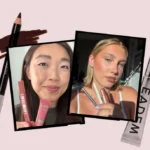
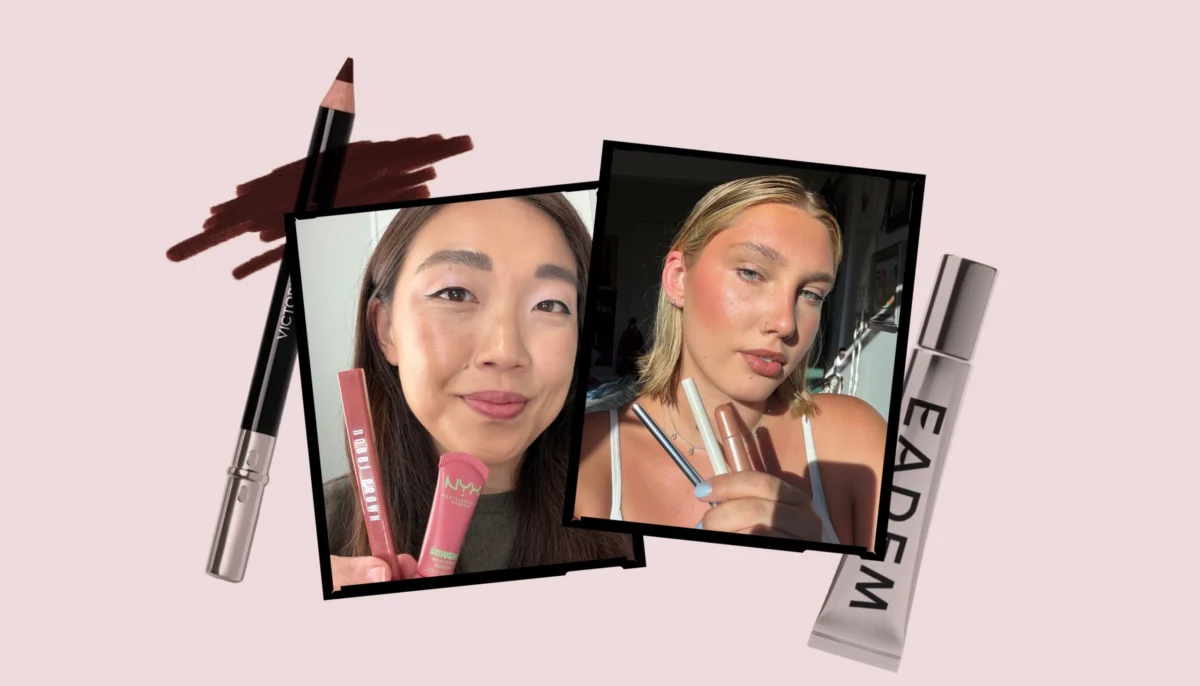
The evolution of seasonal beauty trends has seen a marked departure from the monolithic "dark red" trend of the 1990s and early 2000s. Today, the focus is on "lip combos"—the strategic layering of lip liners, base pigments, and glosses to create dimension and depth. This movement is supported by the resurgence of the 90s-inspired brown lip, modernized with softer, diffused edges rather than the harsh, defined rings that characterized previous eras.
The Science of Seasonal Color Theory
Selecting the appropriate lip color requires an understanding of basic color theory as it applies to human skin. Professional makeup artists emphasize that a product’s appearance on a hand swatch is rarely indicative of its final look on the mouth. This is due to the baseline pigmentation of the lips, which acts as a filter for any applied color.
For individuals with olive complexions, the strategic avoidance of gray-toned or overly beige pigments is recommended. These tones often lack the saturation necessary to contrast with the skin’s green undertones, which can lead to a dull or washed-out appearance. Instead, experts suggest incorporating rose or warm-toned reds to introduce vitality. Conversely, those with cool undertones find that blue-based reds, cranberries, and plums harmonize with their natural coloring. For warm undertones, the optimal spectrum remains within the range of brick, terracotta, cinnamon, and caramel. Neutral complexions serve as the versatile middle ground, capable of traversing both cool and warm palettes, particularly when utilizing balanced red or rosewood shades.
Historical Context and Modern Shifts
The current trend toward "diffused" lips represents a broader shift in makeup application techniques. In the mid-2010s, the "Instagram makeup" era favored hyper-precise, liquid-matte applications that created a heavy, opaque look. The current trend cycle, which began gaining traction in late 2022 and has solidified throughout 2024, favors a "lived-in" aesthetic. This involves concentrating pigment in the center of the lip and softly blending outward, a technique that requires less product and provides a more natural, youthful finish.
This shift is not occurring in a vacuum. It is heavily influenced by the rise of "quiet luxury" in fashion, which emphasizes high-quality, understated aesthetics. In the beauty sector, this manifests as a preference for lip products that offer both color and skincare benefits. As humidity levels drop in the fall, the skin barrier, including the delicate skin of the lips, requires increased moisture. Consequently, there is a rising demand for formulas infused with hyaluronic acid, shea butter, and jojoba oil.
Industry Data and Product Performance
Market analysis suggests that consumer spending on premium lip products remains resilient even during economic downturns, a phenomenon often referred to as the "Lipstick Effect." Consumers are increasingly investing in versatile, high-end tools—such as the Charlotte Tilbury Lip Cheat or Westman Atelier’s Lip Shape pencils—that offer precision and longevity.
When evaluating these products, editorial teams and dermatological consultants focus on five key pillars:
- Ingredient Efficacy: Whether the product contains active hydrating agents or merely superficial colorants.
- Packaging Durability: The functionality of the delivery system (e.g., twist-up mechanisms vs. sharpenable pencils).
- Fragrance Profile: A move toward unscented or naturally scented products to accommodate sensitive skin.
- Texture: The ability of the product to glide on without dragging, particularly in colder, drier weather.
- Wear Time: The capacity for the product to remain stable throughout the day without feathering or bleeding into fine lines.
Expert Methodology and Verification
The process of vetting these trends involves rigorous testing protocols. For instance, in evaluating the latest fall releases, beauty editors engage in multi-week trials across diverse demographic groups. Testing is not limited to a single skin tone; it encompasses a broad spectrum of Fitzpatrick skin types to ensure that a color marketed as a "universal nude" actually performs across different levels of melanin.
Dermatologists are frequently consulted to analyze the chemical stability of new formulations. This is particularly relevant when discussing matte lipsticks, which have historically been criticized for causing dehydration. Modern "creamy matte" formulas, such as those seen in the latest collections from brands like Hung Vanngo, utilize specialized polymers and hyaluronic acid to provide a matte finish without the characteristic tightness associated with traditional matte lipsticks.
Broader Implications for the Beauty Sector
The move toward highly personalized lip combinations has broader implications for how beauty brands approach product launches. The "all-in-one" lipstick product is increasingly being supplemented—or replaced—by systems that encourage mixing and matching. This has led to a proliferation of lip pencils that serve as the structural foundation for the entire look. By using a deep brown or burgundy liner, a consumer can transform a standard pink or red lipstick into a more sophisticated, "moody" fall shade, effectively extending the utility of their existing makeup collection.
Furthermore, the rise of social media-driven tutorials has democratized professional techniques. The advice to "step into daylight" before finalizing a purchase is a standard industry tip that has now become common consumer knowledge. By moving away from artificial store lighting, consumers are better equipped to understand how a pigment interacts with their specific skin tone and the natural environmental light.
Future Outlook
As the beauty industry looks toward the coming years, the intersection of skincare and color cosmetics will likely continue to tighten. We can expect to see more "hybrid" products—lipsticks that function effectively as lip treatments, and lip liners that include anti-aging or plumping peptides. The trend of the "diffused" lip is likely to evolve into even softer, watercolor-like applications, further emphasizing the shift away from the rigid, artificial looks of the past.
Ultimately, the best fall lip combo is one that aligns with an individual’s personal style while respecting the physiological needs of the skin during the colder months. Whether one chooses the classic, professional appeal of a rosewood shade or the dramatic, bold impact of a deep blackberry or plum, the modern beauty landscape offers the tools to experiment without fear of error. By focusing on the fundamentals of undertone, hydration, and application technique, consumers can navigate the changing seasons with confidence, utilizing their beauty routines as a form of both self-care and artistic expression. The era of the "one-size-fits-all" shade has officially ended, replaced by an era of intentional, informed, and highly personalized beauty.