




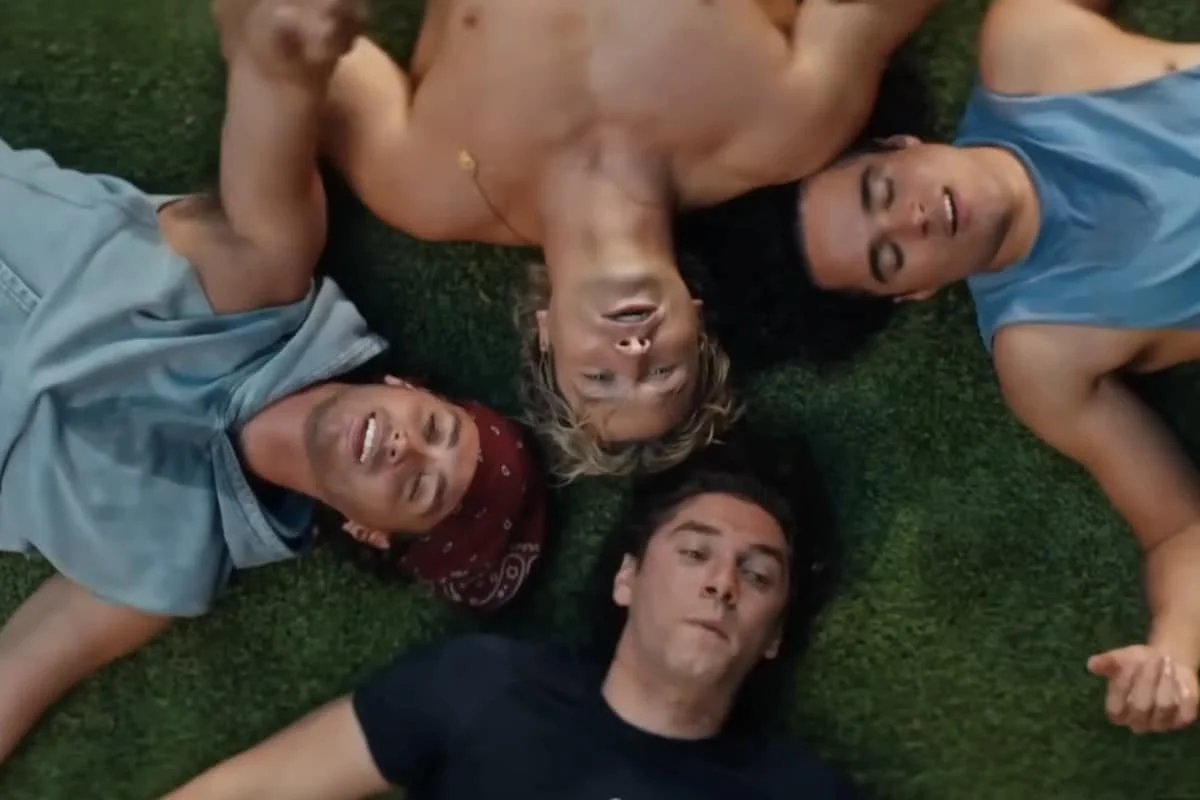
To students navigating the landscape of the traditional American party school, the sight of shirtless fraternity members hauling bags of ice across campus in broad daylight is hardly revolutionary. Historically, such preparations served as the unambiguous prelude to a "darty"—a portmanteau for a daytime party fueled largely by binge drinking and social revelry. Last month, however, a viral TikTok video depicting this exact scene abruptly halted the social media scrolls of more than half a million viewers. The University of Alabama students featured in the footage were not filling coolers with domestic beer or staging keg stands; rather, they were carefully calibrating mobile cold plunges.
The 11-second clip, which quickly circulated across digital platforms, captured young adults performing jump-squats and side-lunges on manicured lawns while promoting what has been coined a "wellness darty." According to Martin Mocs, the 24-year-old founder of the event organization Sweat and Soak, the operational itinerary of these modern gatherings represents a stark departure from mid-2000s collegiate culture. A typical event features structured high-intensity interval training (HIIT) workouts for male attendees, dedicated yoga sessions for female participants, post-workout sauna rotations, cold water immersion therapy, and optional intravenous (IV) hydration drips for recovery—all set against the ambient backdrop of a live DJ.
"I tell people, picture the gym, but picture it outside with a DJ—like a social hour," Mocs explains, capturing the ethos of a movement that is rapidly reshaping how contemporary undergraduates conceptualize recreation and socialization.
The Evolution and Proliferation Across Major Campuses
The University of Alabama is no longer an isolated outlier in this cultural shift. Similar organized wellness events have been documented across high-profile campuses nationwide, including the University of California, Los Angeles (UCLA), Arizona State University, and the University of Miami. While promotional videos consistently display enthusiastic crowds participating in breathwork, planks, and cold plunges, the digital reception has been sharply polarized.
Millennial internet users, in particular, have been vocal in contrasting these structured physical optimization events with their own undergraduate experiences. Comments left on viral TikTok coverage reflect a mixture of bewilderment and nostalgia. "I would have drank a fifth of vodka before this in 2006," read one widely circulated remark, while another lamented, "We used to be a proper society."
These digital interactions highlight a broader cultural anxiety regarding Generation Z’s reputational profile. Young adults in this demographic are already widely documented by sociologists and market researchers as frequenting traditional nightlife venues less often, facing financial barriers to clubbing, and deliberately prioritizing emotional boundaries and personal tranquility. Consequently, the mass adoption of wellness-centric social gatherings has been interpreted by some commentators as the final nail in the coffin for uninhibited youth culture. However, sociologists and campus organizers argue that dismissing these events as merely antiseptic misses a more profound shift in how young adults manage stress, community, and health.
Origins of the Movement: From Finnish Tradition to Campus Entrepreneurship
The genesis of organizations like Sweat and Soak is rooted in cross-cultural exposure and personal resilience. Martin Mocs conceptualized the enterprise following a hockey team trip to Finland, where he and his teammates experienced traditional Nordic saunas and ice-bath recovery methods firsthand. Upon returning to North America, Mocs sought to translate that communal vitality into a charitable endeavor on his own campus. He organized an initial event dubbed a "wellness Coachella" to raise funds for a local woman struggling to pay medical bills stemming from breast cancer treatment—a cause deeply personal to him following the death of his own mother from the same illness.
What began as a localized philanthropic experiment rapidly scaled as viral video distribution attracted corporate sponsors and institutional interest. "Gen Z wants a place where we can have fun, but also be healthy and make good decisions," Mocs notes. Addressing critics who view these trends as evidence of a hyper-cautious demographic, he maintains that the characterization is flawed. "People look at this as we’re a softer generation, but I think we just care about bettering ourselves and focusing on our mental and physical health—and there’s nothing wrong with that."
Aydan Child, the 25-year-old founder of a competing wellness-event enterprise known as Peak Pulse, has observed a parallel trajectory in Gainesville and surrounding college towns. Child’s initiative similarly gained traction through viral social media exposure last month, originating from a simple post-graduate run club. Recognizing a deficit in local social options that did not revolve around alcohol-heavy environments, Child integrated cold plunges and structured fitness programming into the club’s offerings. The response was immediate; early ticketed events regularly drew capacities of up to 400 participants.
While Child himself abstains from alcohol, he emphasizes that he remains in the minority among attendees. The vast majority of participants still consume alcohol in traditional settings, yet they actively seek out alternative environments to forge meaningful interpersonal connections. "People are realising you can have genuine fun and meet new friends through these outlets rather than only being able to meet friends, boyfriends, or partners out at the bar," Child observes. "It’s just an alternate setting where you’re able to make new connections and have a good time without having to drink."
Micro-Level Integration: Daily Routines and Academic Schedules
Beyond organized weekend gatherings, the prioritization of wellness has deeply infiltrated the individual daily habits of contemporary university students. Alyssa Gottesman, a sophomore at the University of Florida, exemplifies this micro-level lifestyle integration. Her typical morning schedule incorporates a specialized yogalates class followed by extended walks accompanied by popular self-improvement and educational audio programs, including podcasts hosted by Mel Robbins, Andrew Huberman, and media personalities from platforms like Call Her Daddy.
"There’s a big surge in wellness culture," Gottesman notes, describing the prevailing aesthetic of her campus environment. "Everyone’s always in a workout set. Everyone’s always on a walk."
Balancing rigorous academic demands with stringent personal wellness protocols requires significant time management. Cole Sanford, a sophomore at the University of Michigan, wakes up at 5:30 each morning to execute a regimented routine that includes a comprehensive lineup of nutritional supplements, a serving of bone broth, and a heavy gym session—all completed before his morning chemistry lecture.
Sanford attributes the pervasive nature of these habits directly to the ubiquity of social media algorithms, which constantly serve health-oriented content to younger users. "I think the reason why Gen Z might face criticism is that those other generations weren’t exposed to what we’re exposed to today," Sanford reflects. "We’ve been exposed to so many different forms of wellness and [once you see] what you’re actually capable of after that, it’s hard to stop."
The Economics and Academic Scrutiny of the Wellness Industry
The rapid expansion of collegiate wellness culture coincides with a booming global market. Economic projections estimate that the international wellness industry will reach an astonishing $9.8 trillion by 2029. This staggering valuation is largely driven by a commercial ecosystem that thrives on cultivating consumer anxieties, consistently reinforcing the narrative that individuals are inherently incomplete and requiring perpetual self-optimization. The relentless pursuit of physical and mental perfection can occasionally foster isolation rather than community.
Recognizing the potential for misinformation and commercial exploitation within digital wellness spaces, higher education institutions have begun introducing academic frameworks to help students critically evaluate health trends. Scarlett Rupert, a professor of wellness studies at Elon University, actively incorporates media literacy into her curriculum to help undergraduates distinguish between scientifically validated health interventions and lucrative internet fads.
"I definitely talk about this a lot in my classes," Rupert states. "We use peer-reviewed research to see if things are actually good for you—as in, what is the science saying, not just what is this influencer saying."
The Broader Context: Surveillance Culture and Public Health Crises
Sociologists studying generational shifts point out that the transformation of collegiate social life cannot be attributed to fitness trends alone. Broader technological and historical factors have fundamentally altered how young people perceive public exposure and risk.
Salimata Sanfo, a 26-year-old digital creator who publicly defended the wellness darty movement on social media, highlights the omnipresence of digital surveillance as a major deterrent to traditional, uninhibited partying. "We view partying very differently because we know it can be recorded and put online," Sanfo explains.
Furthermore, Sanfo emphasizes the enduring psychological impact of the COVID-19 pandemic on Gen Z’s formative developmental years. For many current university students, adolescence and early independence coincided with a global public health crisis characterized by social isolation, institutional uncertainty, and an intense focus on sanitation and biological vulnerability.
"Our foundational years were formed during a major public health crisis," Sanfo notes. "Of course we’re going to have a bit more of a focus when it comes to health and wellness."
Implications for the Future of Youth Culture
As wellness darties and structured physical optimization events transition from viral curiosities to established campus fixtures, they signal a broader cultural recalibration. Far from representing the death of college social life, these gatherings demonstrate an adaptive response to modern pressures, combining the traditional desire for community and peer connection with a heightened awareness of physical longevity and mental health. While critics may continue to yearn for the unbridled chaos of past eras, today’s undergraduates are charting a distinct course—one where the sound system at a daytime party is just as likely to accompany a breathwork session as it is a toast.