



The evolution of hair styling technology has introduced a diverse array of tools designed to manipulate hair texture, leading to an ongoing debate among consumers and professionals alike regarding the efficacy of hair-straightening brushes versus traditional flatirons. While both instruments leverage thermal energy to achieve desired aesthetics—ranging from sleek, pin-straight styles to voluminous waves—their underlying mechanical engineering and operational methodologies differ significantly. Understanding these distinctions is essential for consumers aiming to optimize their hair care routines while minimizing potential thermal damage.
Technical Distinctions in Styling Hardware
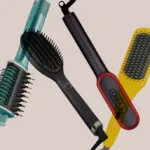
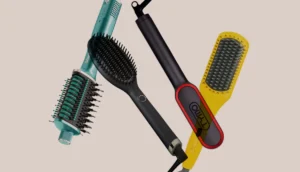
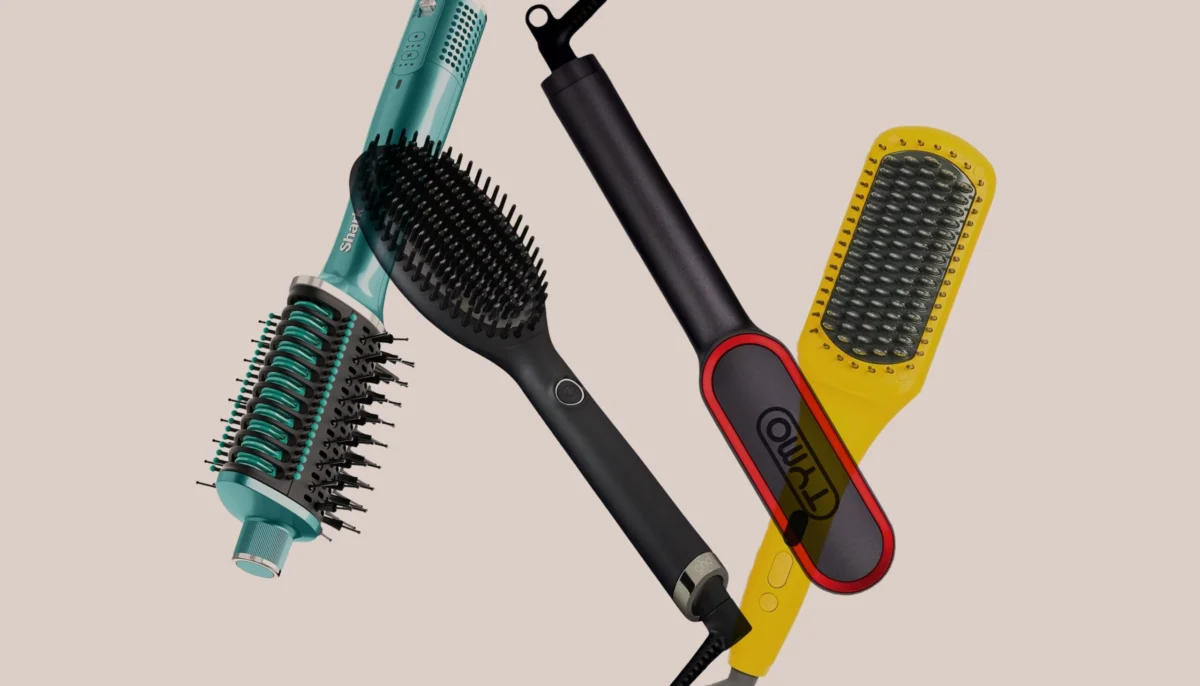
At its core, a flatiron operates through the compression of hair between two heated plates, typically ceramic, tourmaline, or titanium. This process relies on direct heat transfer and tension to flatten the hair cuticle. In contrast, a hair-straightening brush utilizes heated bristles or teeth that function similarly to a standard hairbrush. As the user passes the brush through sections of hair, the heated elements distribute thermal energy while simultaneously detangling the strands.
According to New York City-based hairstylist Devin Toth, the fundamental difference lies in the architecture of the tool. "A hair-straightening brush has bristles, resembling a brush, and a flatiron does not," Toth explains. This structural difference changes how heat is applied. While a flatiron requires a user to manually section and pull hair taut, a straightening brush allows for a more intuitive, fluid motion, often resembling a natural brushing habit.
Chronology of Styling Innovation
The rise of the hair-straightening brush is a relatively recent development in the multi-billion-dollar hair tool industry. While the flatiron has been a staple in professional salons and household vanities for decades, the heated brush emerged as a consumer-friendly hybrid. Early iterations of these tools were often bulky and featured limited temperature control. By the mid-2010s, manufacturers began integrating advanced ceramic heating elements and ionic technology—designed to neutralize static and reduce frizz—into the brush design.
This shift was largely driven by consumer demand for efficiency. The modern consumer, often balancing high-paced professional and personal lives, sought to condense the traditional two-step process of blow-drying followed by flat-ironing into a single, faster operation. This led to the market saturation of "all-in-one" thermal styling brushes that promised salon-quality results with significantly less manual effort.
Comparative Performance and Stylist Insights
The debate over which tool is superior often centers on the specific needs of the user. Nashville-based colorist Leslie Shores notes that the hair-straightening brush offers a distinct advantage for those seeking to reduce daily styling time. "They get the hair smoother and with fewer flyaways than just blowing the hair; it’s shinier and silkier," says Shores. Furthermore, the ergonomic benefits are notable; using a traditional round brush in conjunction with a blow-dryer requires significant arm tension and coordination, whereas a heated brush provides a more ergonomic experience that can reduce physical strain.
However, the efficacy of these tools is highly dependent on the user’s hair type. Fine or thin hair may require lower heat settings to avoid breakage, while thick, coarse, or highly textured hair might necessitate the concentrated pressure of a flatiron to achieve a truly sleek finish. The flatiron remains the gold standard for precision styling, particularly for creating sharp edges or complex, defined curls, whereas the straightening brush is generally favored for achieving a "bouncy blowout" look that retains more natural volume.
Strategic Selection and Features to Consider
When evaluating a purchase, consumers are advised to look beyond marketing claims and focus on technical specifications. Key features that distinguish high-quality brushes include:
- Adjustable Temperature Settings: Not all hair types require maximum heat. The ability to calibrate the device to a lower temperature is a crucial safety feature for maintaining hair health.
- Ionic Technology: By emitting negative ions, these tools can help break down water molecules in the hair, accelerating drying time and minimizing frizz.
- Barrel Shape and Geometry: Toth emphasizes that the shape of the brush dictates the outcome. "A flat thermal brush will give you straight hair, a thermal brush with a tiny barrel shape will give you curl, and a thermal brush with a large barrel shape will give you more of a bouncy blowout," he notes.
- Bristle Material and Design: High-quality brushes feature heat-resistant, snag-free teeth that allow for smooth gliding. For those with delicate or chemically treated hair, the design of the bristles is paramount to prevent mechanical breakage.
Safety Protocols and Maintenance
Regardless of the tool chosen, the application of heat always carries a risk of structural damage to the hair protein (keratin). Professional stylists emphasize that the primary danger of modern straightening brushes is not the tool itself, but the misuse by the consumer.
"Keep them moving and don’t overheat any one area of hair for too long," advises Toth. He emphasizes that the highest heat setting should be reserved only for those with coarse, resistant hair, and even then, only when necessary. The use of a high-quality heat protectant spray—which creates a thermal barrier between the tool and the hair shaft—is considered a mandatory precursor to any heat-styling session.
Beyond usage habits, maintenance is critical for safety and performance. Los Angeles-based stylist Joseph Maine points out that product buildup, such as hair spray, oils, and thermal protectors, can accumulate on the heated bristles. This buildup not only creates an uneven heating surface—leading to "hot spots" that can singe hair—but can also cause the tool to snag and pull. Regular cleaning, following the manufacturer’s instructions, is essential to extend the lifespan of the tool and ensure even heat distribution.
Industry Standards and Testing Methodology
The assessment of hair tools in the modern beauty market has become increasingly rigorous. Professional publications and consumer advocacy groups now utilize structured testing methodologies to provide objective recommendations. This involves enlisting diverse panels of testers with varying hair textures, densities, and curl patterns.
In the industry’s current review process, tools are evaluated across three primary metrics:
- Efficacy: Does the tool achieve the intended result on different hair types?
- Safety and Ease of Use: How intuitive is the design? Does it minimize damage?
- Value: Does the performance justify the price point?
These evaluations often reveal that a device deemed "innovative" by professional standards may prove difficult for an average consumer to maneuver. Conversely, tools that perform exceptionally well in a salon setting might lack the durability required for daily home use. By analyzing these factors through a diverse range of testers, experts can provide a more accurate assessment of which tools are truly effective for the general public.
Broader Implications for Hair Care
The shift toward user-friendly, multi-functional hair tools reflects a broader trend in the beauty industry: the democratization of professional-grade technology. As consumers gain access to tools that were once exclusive to salons, the expectation for daily hair styling has evolved. However, this accessibility brings a responsibility for increased consumer education.
The distinction between a flatiron and a straightening brush is not merely a matter of convenience, but a matter of hair integrity. As thermal styling becomes more prevalent, the long-term impact on hair health is becoming a subject of increased focus. While the convenience of a straightening brush is undeniable, it is not a "magic bullet" that negates the need for heat protection and proper maintenance.
Ultimately, the choice between these tools should be guided by a clear understanding of one’s own hair type and styling goals. Whether one prioritizes the precision of a flatiron or the efficiency and volume provided by a straightening brush, the professional consensus remains clear: safety, moderation, and proper tool maintenance are the pillars of healthy hair, regardless of the technology employed. By focusing on these fundamentals, consumers can successfully navigate the vast, and often overwhelming, landscape of modern hair-styling devices.