








The cyclical nature of fashion has officially brought the divisive low-rise aesthetic back to the forefront of contemporary style, prompting legacy denim brands to reexamine their archives for modern reissues. Abandoned en masse during the early 2010s in favor of high-waisted silhouettes that dominated the decade, low-rise jeans have steadily reclaimed their cultural footprint, fueled by off-duty models, Gen Z style influencers, and an overarching cultural obsession with noughties nostalgia. Capitalizing on this sustained consumer appetite for early-millennium apparel, global lifestyle brand GUESS has officially announced the launch of The B Jean, a contemporary iteration of one of the company’s most defining denim silhouettes from the turn of the millennium.
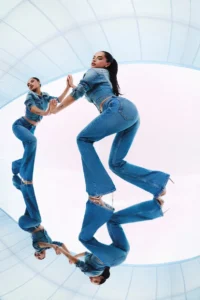
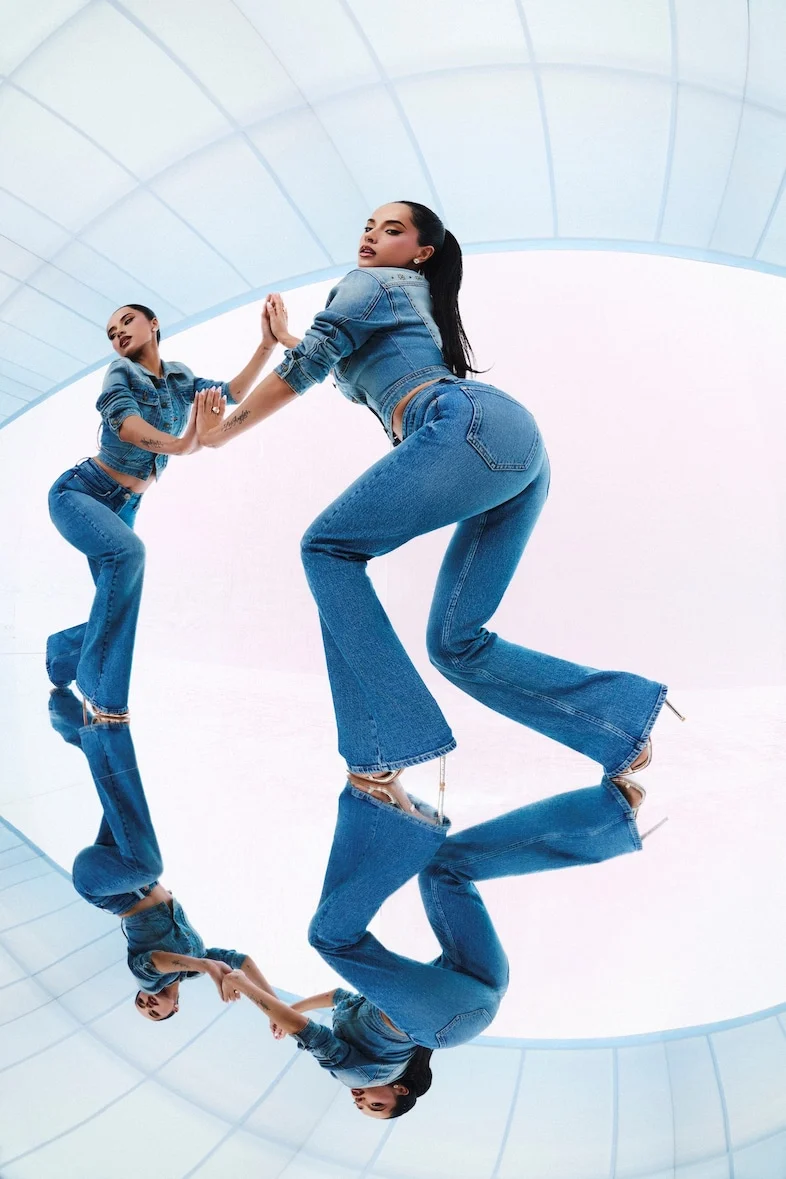
Scheduled for release on October 13, The B Jean reintroduces the low-slung waistline paired with a tailored, slim bootcut fit. Available in a curated selection of vintage-inspired washes, the new product line bridges the gap between archival GUESS denim heritage and modern tailoring sensibilities. The collection comprises two distinct styles designed to appeal to both purists of the era and contemporary streetwear enthusiasts: a classic low-rise bootcut and an elevated variation featuring the brand’s signature triangular paneling stitched along the outer side seam. To anchor the global launch, GUESS has tapped multi-platinum singer and actress Becky G as the face of the campaign, leveraging her cultural influence and West Coast roots to contextualize the archival revival for a modern audience.
The Evolution of Denim: From Y2K Excess to the High-Waisted Era
To understand the cultural weight of the low-rise revival, industry analysts frequently look back at the trajectory of denim silhouettes over the past three decades. The early 2000s—often referred to simply as the Y2K era—were defined by hyper-low-rise cuts, embellished pockets, and distressed washes popularized by pop icons, music video culture, and mainstream fashion houses. GUESS, a pioneer in premium denim marketing throughout the 1980s and 1990s, played an instrumental role in shaping the aesthetic of this period through provocative advertising campaigns and trend-setting designs.
However, fashion trends operate on a pendulum. By the early 2010s, consumer preferences shifted dramatically toward minimalism, comfort, and structure. High-waisted and mid-rise jeans dominated retail markets, praised by consumers for their perceived flattering fit, versatility, and practicality compared to their ultra-low counterparts. For nearly a decade, low-rise denim was widely regarded by fashion critics as a relic of a bygone era, frequently cited on lists of defunct fashion trends.
The resurgence began slowly in the late 2010s and accelerated rapidly during the COVID-19 pandemic, driven by digital platforms like TikTok and Instagram. Gen Z consumers, largely too young to have worn the trend the first time around, began vintage shopping and romanticizing the aesthetics of the late 1990s and early 2000s. High-fashion runways soon followed suit, reintroducing low-slung trousers, cargo pants, and denim into their collections. As market demand solidified, heritage brands recognized a unique commercial opportunity to monetize their own history by reissuing authenticated designs rather than leaving the trend entirely to fast-fashion competitors and thrift stores.
Chronology of the Revival: How GUESS Brought Back the Archive
The development of The B Jean did not happen in a vacuum; it is the culmination of a multi-year strategy by GUESS to mine its extensive design archives and reconnect with its core denim identity. Over the past several years, the brand has observed a steady uptick in consumer searches for vintage GUESS denim pieces across secondhand digital marketplaces such as Depop, Poshmark, and Grailed.
Recognizing this organic demand, the executive leadership team at GUESS initiated a comprehensive review of their early-2000s lookbooks and production patterns. The goal was to isolate the most iconic silhouettes from that era and re-engineer them to meet modern standards of comfort, fabric durability, and sustainability. While the original 2000s iterations were often crafted from rigid, heavy-weight cottons with minimal stretch, The B Jean incorporates contemporary fabric blends that offer improved flexibility while maintaining the authentic drape and vintage texture of archival pieces.
By mid-2023, preliminary design samples were approved, and production commenced across specialized manufacturing facilities capable of replicating authentic vintage washes through water-efficient distressing techniques. The marketing rollout was meticulously planned for the fourth quarter, aligning with the peak autumn shopping season when consumers traditionally invest heavily in foundational denim pieces.
Becky G and the West Coast Identity
A critical component of any major fashion campaign is the selection of a brand ambassador who can authentically translate the product’s narrative to a broad, diverse consumer base. For The B Jean, GUESS selected Inglewood-born artist Becky G, whose career spans music, film, and fashion.
Born and raised in Southern California, Becky G—whose birth name is Becky Gomez—brings a deeply personal connection to the campaign. Her Chicana identity and deeply rooted ties to the West Coast cultural landscape align seamlessly with the heritage of GUESS, a brand historically synonymous with Californian lifestyle imagery, sun-drenched campaigns, and relaxed denim culture.
According to brand representatives, the collaboration extends far beyond traditional modeling. Becky G is slated to partner with GUESS across multiple touchpoints in the music, fashion, and entertainment sectors throughout the campaign lifecycle. This multifaceted approach is designed to resonate with her millions of global followers, bridging generational divides between consumers who remember the brand’s 2000s heyday and younger fans discovering the label for the first time.
Industry insiders note that casting artists with strong regional identities is an increasingly effective strategy for legacy brands seeking to maintain cultural relevance. By anchoring The B Jean to Becky G’s authentic personal style, GUESS avoids the trap of feeling overly nostalgic, positioning the low-rise jean not as a costume piece from the past, but as a modern staple suitable for today’s streetwear and red-carpet aesthetics.
Executive Perspectives on Heritage and Innovation
The leadership at GUESS has been vocal about the strategic importance of balancing archival respect with modern innovation. In an official statement regarding the launch, Nicolai Marciano, Chief New Business Development Officer at GUESS, emphasized the enduring appeal of the brand’s design legacy.
"GUESS has always had a unique ability to create denim that defines a moment while remaining timeless," Marciano shares. "The B Jean is a celebration of our denim heritage with one of our most iconic silhouettes."
Marciano’s perspective underscores a broader business philosophy within the company: leveraging heritage as a competitive advantage in a crowded global apparel market. As fast-fashion retailers continuously churn out micro-trends, heritage brands possess a distinct asset in their historical catalogs. By officially reissuing verified archival pieces with updated naming conventions and modern production techniques, brands like GUESS can authenticate their place in fashion history while capturing new market share.
Furthermore, the introduction of design variations—such as the version featuring the signature triangle panel along the side seam—demonstrates a willingness to evolve rather than merely replicate. This specific detail pays homage to the branding motifs that made GUESS a household name in the 1980s and 90s, while its integration into a 2000s low-rise silhouette creates a hybrid garment that speaks to multiple eras of the brand’s history simultaneously.
Broader Market Implications and Economic Outlook
The launch of The B Jean arrives at a fascinating juncture for the global denim market. According to recent retail data and market research reports, the global denim jeans market is valued at tens of billions of dollars, with sustained growth projected through the end of the decade. Within this market, consumer preferences have bifurcated: while ultra-comfortable, relaxed, and wide-leg fits continue to dominate casual wear, structured silhouettes and tailored waistlines are gaining traction among trend-conscious demographics.
The resurgence of the low-rise jean, once predicted to be a fleeting novelty, has proven to have staying power. Retailers report that low-rise and mid-rise denim styles have steadily increased their share of total denim inventory over the past three years. This shift indicates that consumers are increasingly willing to experiment with alternative silhouettes, moving away from the safety of universal high-waisted cuts.
By reintroducing a low-rise bootcut fit through The B Jean, GUESS is positioning itself to capture spending from consumers looking to diversify their denim wardrobes. The inclusion of vintage-inspired washes also taps into the booming market for sustainable and vintage-aesthetic fashion, offering buyers the look of authentic thrift-store finds with the quality control and sizing consistency of brand-new retail merchandise.
However, challenges remain. Critics of the low-rise trend often point to historical consumer complaints regarding fit inclusivity and comfort, as low-slung waistlines can be notoriously difficult to fit across diverse body types compared to mid- or high-rise alternatives. To mitigate this, denim brands must invest heavily in advanced pattern-making, ergonomic cuts, and inclusive sizing ranges to ensure that archival revivals are accessible to a wide audience. While GUESS has emphasized the tailored and slim-bootcut aspects of The B Jean to enhance wearability, market reception following the October 13 launch will ultimately determine how effectively the brand has adapted the silhouette for modern consumers.
Conclusion: Looking Ahead to the October 13 Launch
As the retail release date approaches, anticipation for The B Jean continues to build across fashion trade publications and consumer platforms alike. The campaign serves as a case study in modern brand repositioning, demonstrating how a legacy fashion house can successfully marry its historical archive with contemporary star power and modern manufacturing standards.
Whether The B Jean will spark a permanent shift in everyday consumer wardrobes or remain a favored statement piece for trendsetters and music fans remains to be seen. What is clear, however, is that the low-rise renaissance is far from over. With industry heavyweights like GUESS throwing their considerable weight behind archival reissues, the aesthetic of the early 2000s has firmly transitioned from an ironic throwback into a permanent fixture of the modern fashion landscape.
Consumers and fashion enthusiasts eager to examine the collection can view the official campaign imagery across digital and print media channels ahead of the official global drop on October 13.