











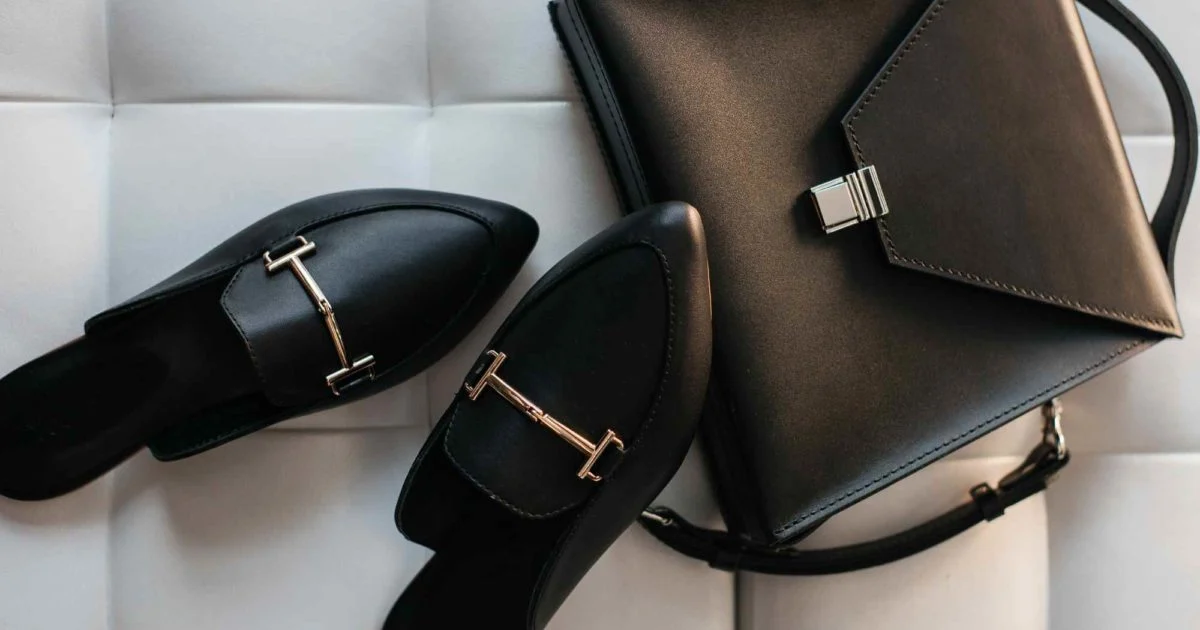
Polyurethane (PU), a ubiquitous plastic material frequently lauded as a more ethical alternative to animal-derived leather and a common fabric coating to enhance durability, carries significant environmental and health implications that warrant close scrutiny. Despite its widespread adoption across industries, including a prominent role in the burgeoning vegan fashion movement, its origins, manufacturing processes, and end-of-life trajectory raise fundamental questions about its true sustainability. This article delves into the chemical nature of polyurethane, its multifaceted applications, its rise as a "vegan leather," and critically assesses whether this versatile polymer can ever align with genuine ecological responsibility.
Understanding Polyurethane: A Versatile Polymer with a Hidden Cost
Polyurethane, often abbreviated as PU, is a polymer composed of organic units joined by carbamate (urethane) links. Its remarkable versatility stems from its ability to exist in both rigid and flexible forms, allowing it to be engineered for a vast array of applications. The material was first synthesized in 1937 by Dr. Otto Bayer and his team in Germany. Initially, its properties, such as high strength-to-weight ratio and resistance to various chemicals, made it invaluable for military applications, including aircraft construction during World War II. Post-war, polyurethane’s potential was unleashed across diverse sectors, transforming everything from automotive components and building insulation to medical implants and protective coatings.
The manufacturing process of polyurethane involves a chemical reaction between two primary components: an isocyanate and a polyol. These liquid precursors react to form a polymer chain, and the specific properties of the resulting PU material can be precisely controlled by altering the types of isocyanates and polyols used, as well as by introducing additives like flame retardants, plasticizers, and colorants. This chemical flexibility is a key reason for PU’s broad utility, enabling it to be molded into foams for furniture and bedding, elastomers for shoe soles and tires, and tough coatings for various surfaces. The global polyurethane market size was estimated at over $70 billion in 2023 and is projected to grow significantly in the coming years, underscoring its pervasive industrial importance.
Polyurethane’s Ascent in the Fashion Industry
Within the fashion industry, polyurethane’s properties—durability, flexibility, water resistance, and its ability to mimic the texture and appearance of natural leather—have made it an indispensable material. It is commonly used for shoe soles, providing lightweight yet robust support. As a coating, PU enhances the abrasion resistance and waterproofing of fabrics, finding its way into outerwear, swimwear, and various accessories. It also forms the top layer of "bicast leather," a material made by applying a layer of polyurethane to a split leather backing, giving it a uniform, glossy finish.
However, perhaps its most significant and debated role in contemporary fashion is as a primary component of "vegan leather." Propelled by a growing ethical consciousness among consumers and brands to reduce reliance on animal products, the demand for animal-free alternatives has surged. Polyurethane, alongside polyvinyl chloride (PVC), quickly became the go-to material for creating faux leather (also known as pleather or leatherette). Its ability to replicate the aesthetic and tactile qualities of traditional leather at a lower cost and without animal sourcing made it an attractive option for brands seeking to cater to the vegan market.
The Vegan Dilemma: When "Animal-Free" Doesn’t Mean "Planet-Friendly"
The term "vegan leather" often evokes an image of an environmentally benign product. However, as Kate Hobson-Lloyd, fashion ratings manager at Good On You, points out, "It’s common for polyurethane to crop up in so-called ‘sustainable’ vegan leather as it’s usually needed to impart durability to materials, but it should be remembered that it’s still a kind of plastic at the end of the day." This statement encapsulates the core tension: while PU successfully addresses the ethical concern of animal welfare, it introduces a host of environmental problems inherent to plastics.
Historically, PVC was a dominant material in faux leather due to its durability and low cost. However, concerns regarding its production (involving chlorine, which can release dioxins) and end-of-life toxicity have led many brands to shift towards polyurethane. While PU is generally considered less toxic than PVC, especially in its cured state, it is crucial to recognize that both are synthetic polymers derived from fossil fuels. They are engineered plastics, and their environmental footprint is far from negligible. The rise of "plant-based" vegan leathers, made from materials like pineapple leaves (e.g., Piñatex) or apple peel, further complicates the narrative. Many of these innovative materials still rely on a significant percentage of polyurethane or other synthetic binders and coatings to achieve the necessary durability, flexibility, and water resistance for commercial viability. This often means that a product marketed as "pineapple leather" might still be 20-50% polyurethane, making it a hybrid material rather than a wholly natural or biodegradable one. Consumers are often unaware of this nuance, highlighting a critical need for greater transparency from brands regarding material composition.
The Environmental Footprint of Polyurethane: A Deep Dive
The sustainability concerns surrounding polyurethane are multifaceted and deeply ingrained in its lifecycle, from production to disposal.
1. Fossil Fuel Dependency: The most fundamental issue is PU’s reliance on fossil fuels. The primary raw materials—isocyanates and polyols—are petrochemical derivatives. The extraction and processing of petroleum are energy-intensive processes that contribute significantly to greenhouse gas emissions, exacerbating climate change and depleting finite natural resources. The global chemical industry, including polyurethane production, is a major consumer of energy, with a substantial carbon footprint.
2. Non-Biodegradability and Landfill Burden: As a plastic, polyurethane is inherently designed for durability, which translates into extreme persistence in the environment. Unlike natural fibers or animal leather (which can biodegrade over decades), polyurethane products can linger in landfills for hundreds, if not thousands, of years. This contributes to the ever-growing global waste crisis, as landfills overflow and valuable land is consumed. The U.S. Environmental Protection Agency (EPA) estimates that plastics constitute a significant and growing portion of municipal solid waste, with synthetic materials like PU contributing to this accumulation.
3. Microplastic Pollution: Beyond its macroscopic presence, polyurethane also contributes to the insidious problem of microplastic pollution. Through wear, washing, and degradation, PU materials shed tiny plastic particles, often less than 5 millimeters in size. These microplastics infiltrate ecosystems, from oceans to agricultural soils, and have been found in the food chain, drinking water, and even human organs. Research suggests that synthetic textiles, including those coated or made with PU, are a major source of microplastic release into aquatic environments. While "bio-based" polyurethanes are being developed, studies indicate that even some of these formulations can release microplastics through fragmentation processes, challenging the assumption that they are automatically more environmentally benign.
4. Limited Recycling Infrastructure: Despite efforts to promote circularity in materials, polyurethane is notoriously difficult to recycle effectively on a large scale. Its complex chemical structure, combined with the myriad additives and fillers used in different products, makes mechanical recycling challenging. Chemical recycling methods are emerging but are often energy-intensive, costly, and not yet widely available or scalable for the diverse range of PU products. Consequently, polyurethane leather alternatives and hybrid plant-based versions are rarely recycled, with the vast majority ending up in landfills or incinerators, further contributing to emissions and waste.
Health and Safety Concerns in the Supply Chain
The environmental impact of polyurethane extends beyond its end-of-life to its production phase, posing significant risks to human health, particularly for workers involved in its manufacture. Isocyanates, one of the primary chemical components in PU synthesis, are highly reactive and hazardous. Exposure to these chemicals, especially in aerosol or vapor form, can cause severe respiratory problems, including asthma, bronchitis, and lung sensitization. They can also lead to skin irritation, allergic reactions, and eye damage. In serious cases, prolonged or high-level exposure has been linked to liver and kidney dysfunction.
Regulatory bodies worldwide, such as the Occupational Safety and Health Administration (OSHA) in the United States and the European Chemicals Agency (ECHA) through REACH regulations, have established strict guidelines and exposure limits for isocyanates to protect workers. However, enforcing these regulations across complex global supply chains, particularly in regions with less stringent oversight, remains a significant challenge. While the finished, cured polyurethane product is generally considered non-toxic, the risk of chemical release reappears if the material is heated, burned, or subjected to conditions that break down its polymer structure. Improper disposal through incineration, for instance, can release toxic substances into the atmosphere, posing a public health risk to surrounding communities.
The Promise and Pitfalls of Bio-Based Polyurethane
In response to the growing demand for sustainable materials, researchers and manufacturers are exploring "bio-based" polyurethanes. These materials replace some or all of the fossil fuel-derived components with renewable biological materials, such as vegetable oils, corn starch, or algae. The appeal is clear: reducing reliance on petroleum and potentially lowering the overall carbon footprint of the material.
However, the term "bio-based" can be misleading. While the feedstock may be renewable, the resulting polymer is still a plastic. The environmental benefits are not always straightforward:
- Sustainability of Feedstock: The cultivation of bio-based feedstocks can have its own environmental footprint, including land use change, water consumption, pesticide use, and fertilizer runoff.
- Processing: The chemical processes required to convert bio-based feedstocks into polyols and then into polyurethane can still be energy-intensive and may involve hazardous chemicals.
- End-of-Life: Crucially, "bio-based" does not automatically mean "biodegradable." Many bio-based polyurethanes are designed for durability and will persist in the environment for extended periods, similar to their fossil-derived counterparts. While some formulations may biodegrade more quickly under specific industrial composting conditions, the vast majority will not break down in typical natural environments like landfills or oceans. Furthermore, as noted earlier, even some bio-based PUs have been shown to release microplastics, indicating that the fundamental issue of plastic pollution may not be fully resolved by simply changing the feedstock.
Therefore, while bio-based polyurethane represents a step towards reducing fossil fuel dependence, it is not a panacea for the broader challenges of plastic sustainability. A holistic lifecycle assessment is necessary to truly evaluate its environmental credentials.
Navigating the Future: Towards Truly Sustainable Alternatives
Given the comprehensive environmental and health implications of polyurethane, the conclusion for those prioritizing sustainability is clear: it is not a sustainable material and should ideally be avoided in favor of genuinely eco-friendly alternatives. The challenge lies in finding materials that can match PU’s performance characteristics (durability, flexibility, water resistance) without its inherent drawbacks.
Fortunately, innovation in material science is accelerating, leading to a new generation of plastic-free alternatives that offer similar performance profiles:
- MIRUM: Developed by Natural Fiber Welding (NFW), MIRUM is a truly plastic-free, plant-based material that uses natural rubber, plant oils, and minerals. It boasts durability, versatility, and, critically, is designed to be circular and can be recycled back into new MIRUM or safely returned to the earth.
- Cork: A natural, renewable material harvested from the bark of cork oak trees, cork is lightweight, waterproof, durable, and naturally elastic. It is used for bags, wallets, and shoes and requires no harvesting of the tree itself, making it highly sustainable.
- Washable Paper: Often made from cellulose fibers, washable paper is robust, water-resistant, and has a leather-like feel when treated. It is a renewable and biodegradable option for accessories and bags.
- Mushroom Leather (Mycelium-based materials): Materials like Mylo (Bolt Threads) and Reishi (MycoWorks) are grown from mycelium, the root structure of mushrooms. These materials can mimic the texture and strength of animal leather and offer a potentially highly sustainable, biodegradable alternative, though scalability and cost remain areas of ongoing development.
- Cactus Leather (Desserto): Derived from Nopal cactus, Desserto is a partially biodegradable and soft plant-based material that is gaining traction in the fashion and automotive industries.
- Fruit and Vegetable Waste Leathers: Innovations using waste streams from apples, grapes, and other fruits offer promising pathways to repurpose agricultural byproducts into functional materials, often with reduced reliance on synthetic binders compared to earlier generations of "plant-based" leathers.
For conscious consumers and brands committed to genuine sustainability, it is imperative to move beyond surface-level claims and delve into the material composition of products. Resources like Emma Håkansson’s guide to plastic-free alternatives and comprehensive material guides from organizations like Good On You provide invaluable insights for navigating the complex landscape of sustainable fashion. The journey towards a truly sustainable fashion industry requires a commitment to transparency, rigorous material innovation, and a collective shift away from petroleum-based plastics, even those that appear to offer an ethical compromise. The future of fashion must prioritize materials that are not only animal-free but also planet-kind, throughout their entire lifecycle.