








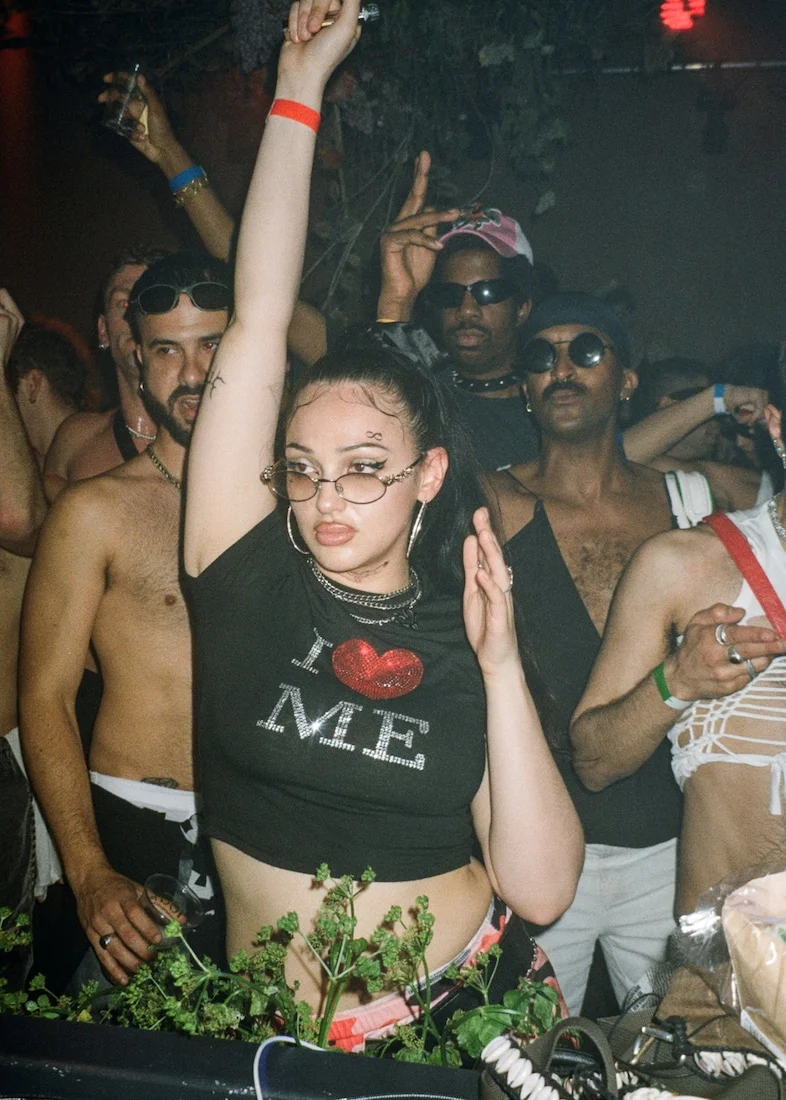
London’s club kids represent a distinct cultural phenomenon, individuals who, by day, might blend into the urban tapestry but transform by night into vibrant, self-invented characters. From Napoleonic generals to forgotten empresses, Victorian aristocrats to pale-faced mimes, they use fashion as a potent tool for personal reinvention. This dynamic experimentation is not merely an act of individual expression; it is a fertile ground for the birth of new creative movements, which, in turn, are often absorbed and eventually diluted into mainstream trends. However, this crucial pipeline of innovation, where raw, unadulterated creativity is forged, is inextricably linked to the existence and vitality of the club itself. The alarming decline of London’s nightlife infrastructure now poses an existential threat to this unique wellspring of cultural production.
The Crucible of Creativity: London’s Club Kid Phenomenon
At its heart, the club kid culture is a testament to the power of self-expression unfettered by conventional norms. These individuals meticulously craft their identities through vivid clothing, elaborate makeup, and theatrical personas, often pushing boundaries of gender, style, and societal expectation. They are, in essence, living art installations, their bodies and wardrobes serving as canvases for audacious visions. This performative aspect is not confined to the stage but permeates the dance floor, the smoking area, and every corner of the venue. The club, therefore, becomes a safe haven and a public gallery, a space where vulnerability meets bravado, and where nascent ideas can be tested, refined, and celebrated by a like-minded community. Without these dedicated spaces, the spontaneous combustion of ideas and the collective energy that fuels such radical self-invention would struggle to find an outlet, potentially stifling the very spirit that makes London a global creative capital.
A Symbiotic Legacy: Fashion’s Debt to Nightlife
The historical intertwining of fashion and nightlife in London is profound and well-documented, forming a symbiotic relationship where one consistently fed the other. The 1980s, in particular, stand out as a golden era, with legendary venues such as Blitz, the Cha Cha Club, and Leigh Bowery’s infamous Taboo serving as vital incubators for a generation of creatives who would go on to fundamentally reshape the global fashion landscape. These were not just places for dancing; they were laboratories of style, performance art stages, and networking hubs where aspiring designers, stylists, photographers, and musicians converged.
Among the luminaries who emerged from this vibrant scene were the celebrated milliner Stephen Jones, Vogue editor Hamish Bowles, David Holah and Stevie Stewart of the groundbreaking cult label BodyMap, and Blitz kid muse Princess Julia. These individuals, alongside countless others, found in the clubs the freedom to experiment with aesthetics that were often too radical for mainstream venues. It was in the dimly lit, smoke-filled rooms of Blitz and Taboo that a young, flamboyant John Galliano began to hone his singular design style, characterized by its theatricality and excessive romanticism, laying the groundwork for a career that would redefine haute couture. Similarly, the visionary makeup artist Pat McGrath, arriving in London in the late 80s, drew immense inspiration from the audacious approach to identity embodied by the Blitz kids, allowing her to define her own distinctive creative language that has since graced countless runways and magazine covers. These venues offered low-cost access to a diverse audience, immediate feedback on experimental looks, and a sense of belonging that encouraged fearless innovation.
The Unraveling Fabric: A Decade of Decline
Fast forward to the present, and the narrative has shifted dramatically. Today’s creatives lament a London that is rapidly losing the very spaces that fostered such innovation. The nightlife landscape is, by all accounts, severely scarred by a relentless wave of closures. Data from the Night Time Industries Association (NTIA) paints a stark picture: since 2020 alone, over a third (36%) of UK nightclubs have permanently shut their doors, a trend exacerbated by the COVID-19 pandemic but rooted in deeper, systemic issues. Projections are even more grim for the capital, suggesting that up to 57% of London’s dedicated nightlife venues could disappear by 2030 if current trends persist. This represents not just a loss of entertainment options but a critical erosion of cultural infrastructure.
The list of recent casualties is long and impactful. March saw the closure of Corsica Studios, a beloved South London institution renowned for its cutting-edge electronic music and, with it, the popular queer rave JOYRIDE. In 2023, The Glory, a cornerstone LGBTQ+ venue in East London, ceased operations, following in the footsteps of other crucial queer spaces like XXL and Madame Jojo’s, which had already fallen victim to similar pressures. Even larger, iconic venues have not been spared; in 2022, Sink The Pink, once hailed as the UK’s biggest queer party, held its final event at Printworks – a monumental industrial space that itself shut only a year later, leaving a significant void in London’s large-scale event capacity. These closures are more than just a reduction in square footage; they represent the loss of vital community hubs, safe spaces, and platforms for emerging talent.
Voices from the Frontlines: Artists, DJs, and Promoters Speak Out
The impact of these closures resonates deeply within the creative community. Sweden-born artist Mäki, who moved to London in 2017, voices a widespread concern: "The city is actively losing its edgy, fashion and culture-forward space where creatives go to find inspiration – spaces that had such a great impact on my journey both spiritually and creatively." This sentiment underscores the idea that clubs are not merely commercial enterprises but essential cultural infrastructure, providing the intangible yet invaluable atmosphere for growth and discovery.
Angel Fiorucci, a prominent host and performer, draws a direct line from historical figures like Leigh Bowery to contemporary design. He argues that Bowery and his contemporaries "created an identity out of passion and artistry, that in turn laid the foundation for major designers like Richard Quinn and Rick Owens." The systematic closure of spaces that once nurtured such talent, Fiorucci tells Dazed, "means that people are less willing to take risks, and everything becomes sanitised." This suggests a future where fashion, deprived of its experimental proving ground, becomes increasingly homogenized and risk-averse, losing its distinct edge.

DJ Prince JayJay, who spins at renowned venues such as The Box, Fire, and Electroworks, eloquently frames the enduring influence of club style on mainstream fashion. "Club kids have always been the unofficial research and development department of fashion," he asserts. "Before trends hit London Fashion Week, or get watered down into something wearable, they’ve usually been tested at 3 am in a sweaty basement in Dalston." For Prince JayJay, the steady erosion of London’s nightlife is profoundly personal. "Losing icons like Corsica Studios, and watching councils enforce those 11 pm curfews feels like an attack on the culture, and like the government is choking nightlife." His words highlight the feeling of a targeted assault on a cultural sector that is often undervalued and misunderstood by policymakers.
The PDA Era: A Modern Incubator Lost
Even in the more recent past, London’s club scene continued to serve as a vital incubator. The queer club night PDA (Pleasure Dome Alliance), founded by Mischa Nottcutt, Ms Carrie Stacks, Akinola Davies Jr, and Siobhan Bell, exemplified this dynamic. Running across various venues from 2012 before finding a semi-permanent home at Bar A Bar in Stoke Newington until its natural conclusion in 2021, PDA was defined by an uncompromising energy and an audacious spirit of experimentation. It swiftly became an indispensable space for a new generation of Black creatives, fostering talents such as designers Maximilian Davis (now creative director of Ferragamo), Mowalola Ogunlesi, Jawara Alleyne, Saul Nash, and Feben, as well as former Dazed editor-in-chief and current Off-White creative director Ib Kamara.
For Kamara, PDA transcended a mere club night; it became a "universe" where he could significantly expand his fashion sensibilities. Within the embrace of PDA and the broader club culture, he was able to "experiment, rediscover, and integrate different parts of myself," a process instrumental in shaping his identity and refining his "sense of style and artistic point of view." This direct influence is palpable in his acclaimed work at Off-White and his recent creative direction for Madonna’s Confessions II era. "Artistically, club kids have been and always will be the blueprint," Kamara emphatically states, underscoring the enduring legacy of this subculture.
Ms Carrie Stacks recalls PDA as "fabulous, funky, really too f*cking hot!" while Davies Jr adds, "It was an avenue for pure freedom and pure creation. There were so many people with creative tendencies sharing an energy and sharing a space." Crucially, Davies Jr emphasizes "the safety of a space that was very Black-centric and very hedonistic," which provided the psychological security for individuals to create much like "kids making a mess" – embracing experimentation for its own sake, rather than striving for perfection or commercial viability. While PDA concluded organically in 2021, its story serves as a poignant reminder of the type of cultural incubation that is increasingly endangered as nearly 100 more clubs have followed suit across London since then.
Systemic Challenges: Beyond the Dance Floor
The current crisis facing London’s nightlife is not attributable to a single cause but rather a confluence of systemic issues that have been eroding the sector for years.
Economic Pressures: Soaring commercial rents and prohibitive business rates are arguably the most significant factors. Many venues operate on tight margins, and exponential increases in overheads make profitability unsustainable. Coupled with rising operational costs (energy, staffing, insurance), these financial burdens often leave owners with no option but to close.
Planning and Licensing Regulations: Gentrification plays a crucial role. As residential developments expand into historically industrial or commercial areas, new residents often bring noise complaints, leading to stricter licensing conditions, reduced operating hours, and even forced closures. The enforcement of 11 pm curfews, as lamented by DJ Prince JayJay, stifles the very essence of nightlife. Local councils, often under pressure from resident groups, sometimes prioritize residential comfort over cultural preservation.
Changing Consumer Habits: While less prominent than economic and regulatory factors, shifts in how younger generations socialize, including the rise of digital entertainment and a greater focus on health and wellness, can also contribute to reduced footfall for some traditional venues.
Impact of COVID-19: The pandemic served as a devastating accelerant to pre-existing vulnerabilities. Prolonged closures, lack of adequate financial support, and ongoing uncertainty pushed many already struggling venues past the point of no return.
The Broader Implications: A Cultural Erosion
The disappearance of nightclubs has far-reaching consequences that extend beyond mere entertainment.
Impact on Fashion: The most direct implication is the potential for the fashion industry to lose its primary ground for authentic, grassroots innovation. Without the raw, unfiltered experimentation of the club scene, fashion trends risk becoming more top-down, corporate-driven, and less connected to genuine subcultural movements. This could lead to a homogenization of style, a reduction in diversity, and a diminished capacity for London to influence global fashion dialogues. The "unofficial R&D department" is being dismantled.
Loss of Safe Spaces and Community: For many, especially LGBTQ+ individuals and marginalized communities, nightclubs are more than just places to party; they are vital safe spaces for self-expression, community building, and finding solidarity. The closure of queer venues like The Glory and XXL represents a significant blow to these communities, removing crucial physical spaces for identity formation and social support.
Talent Drain and Diminished Soft Power: If London ceases to be a fertile ground for creative experimentation, it risks a "talent drain" as aspiring artists, designers, and performers seek more vibrant opportunities in cities that still foster such environments. This, in turn, diminishes London’s "soft power" – its global influence through culture and creativity – and could lead to a decline in cultural tourism, an important economic driver.
Economic Impact: The night-time economy is a significant contributor to the UK economy, estimated to be worth approximately £68 billion annually and employing millions. The closure of venues leads directly to job losses (DJs, bar staff, security, promoters, artists) and a reduction in associated revenue streams (transport, food, accommodation).
Resilience and Resistance: The Fight for Survival
Despite the grim outlook, pockets of resilience and resistance persist. In the remaining venues of areas like Dalston and Shoreditch, events such as Inferno and Sero.tonin continue to keep the club kid scene alive, albeit on a smaller, more precarious scale. Lewis G Burton, who founded the queer art rave Inferno in 2015, now operating at Distillery M17, attests to its ongoing role in nurturing creativity. He notes that "countless artists and designers" have built lasting careers from connections formed through the night. Burton issues a stark warning: "If we lose those spaces, we lose the ecosystems that produce culture, as well as London’s capacity to shape and impact the creative and fashion industries." He powerfully concludes that "no other institution can ever replace what happens organically in nightlife."
The preservation of these critical spaces demands a concerted effort to tackle the systemic issues at play. This includes putting sustained pressure on local elected officials to enact policy changes, such as implementing Agent of Change principles (which place responsibility for noise mitigation on new developments rather than existing venues) and providing specific cultural designation for nightclubs. Supporting grassroots campaigning, advocating for fairer business rates, and exploring innovative funding models are also crucial.
The economic argument alone should compel action, given the night-time economy’s substantial contribution to the UK’s GDP and its role as one of the nation’s most visible cultural exports. Without such protection and proactive measures, London’s capacity for club culture to build lasting legacies within fashion and culture will continue to diminish. In the interim, the capital risks losing its pre-eminent position to cities like Berlin, which have, through enlightened policymaking and cultural appreciation, successfully protected and even cultivated their nightlife scenes, allowing the intersection of fashion and nightlife to thrive in ways that echo London’s own illustrious past. The vibrant, rebellious spirit of London’s club kids, and the creative ecosystem they sustain, hangs precariously in the balance.