








The traditional wedding industry is witnessing a significant paradigm shift as couples increasingly move away from high-spectacle, formal events in favor of more intimate, "cottagecore" inspired celebrations. This transition was recently exemplified by a high-profile creative collaboration at Alfriston Gardens in East Sussex, where a team of industry professionals sought to reconcile the popular aesthetic with a more inclusive and representative vision of the English countryside. The project, led by wedding planning and styling firm Luna And The Lane, alongside photographer Lucy Fergusson and floral designer Dove & Myrtle, serves as a case study for the evolving priorities of modern couples who value authenticity, slower living, and social responsibility over traditional luxury markers.
The Rise of Cottagecore as a Socio-Cultural Movement
Cottagecore, a subculture that celebrates an idealized rural life, emerged as a dominant aesthetic during the early 2020s, largely as a digital reaction to the stresses of modern urban life and "grind culture." In the context of weddings, this aesthetic manifests through the use of garden-style floral arrangements, vintage-inspired patterned fabrics, communal "gathered" tablescapes, and an emphasis on homemade or artisanal details.
According to market analysis, the cottagecore movement is more than a fleeting fashion trend; it represents a deeper desire among the millennial and Gen Z demographics to reconnect with nature and embrace a "new, old way of living." For many couples, the appeal lies in the accessibility and intimacy of the style. Unlike the maximalist, high-end "luxury" weddings frequently featured in mainstream media—which often require budgets exceeding the national average—cottagecore offers a framework that can be adapted to various scales and financial capacities. The emphasis is placed on the emotional resonance of the day rather than the sheer magnitude of the production.
Strategic Collaboration and Creative Execution in East Sussex
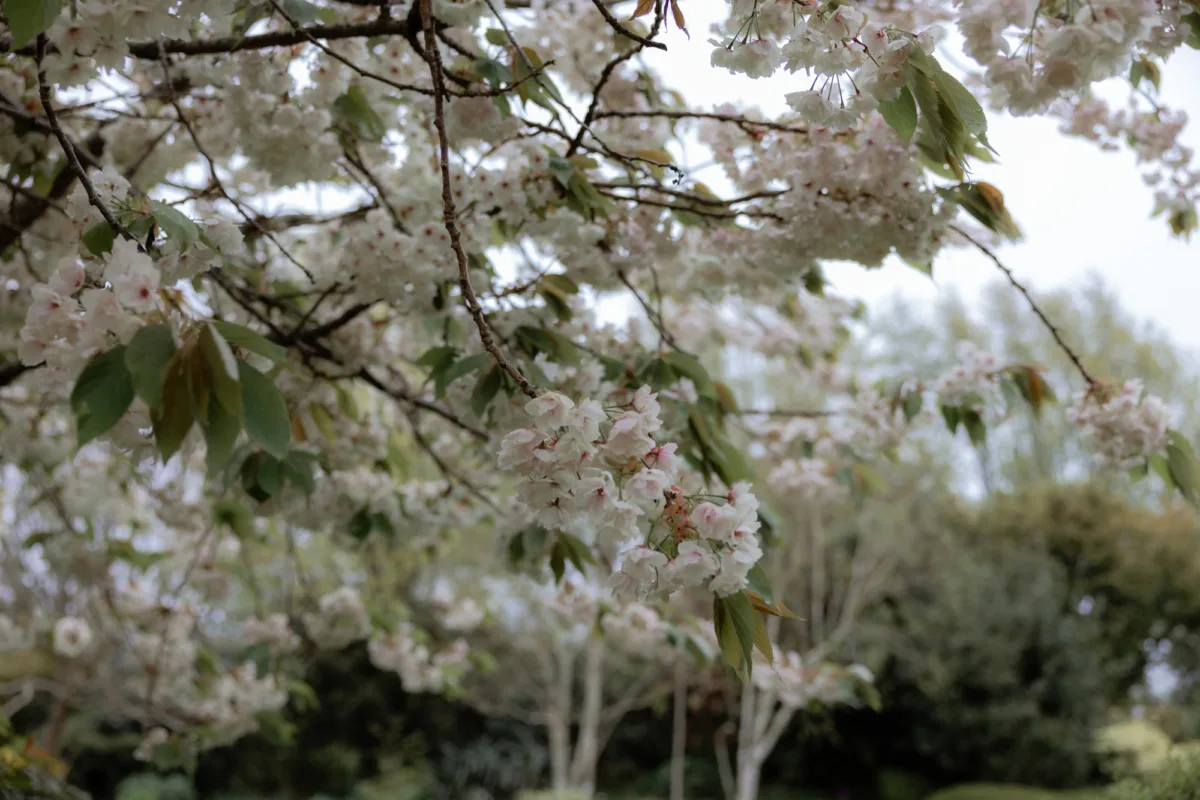
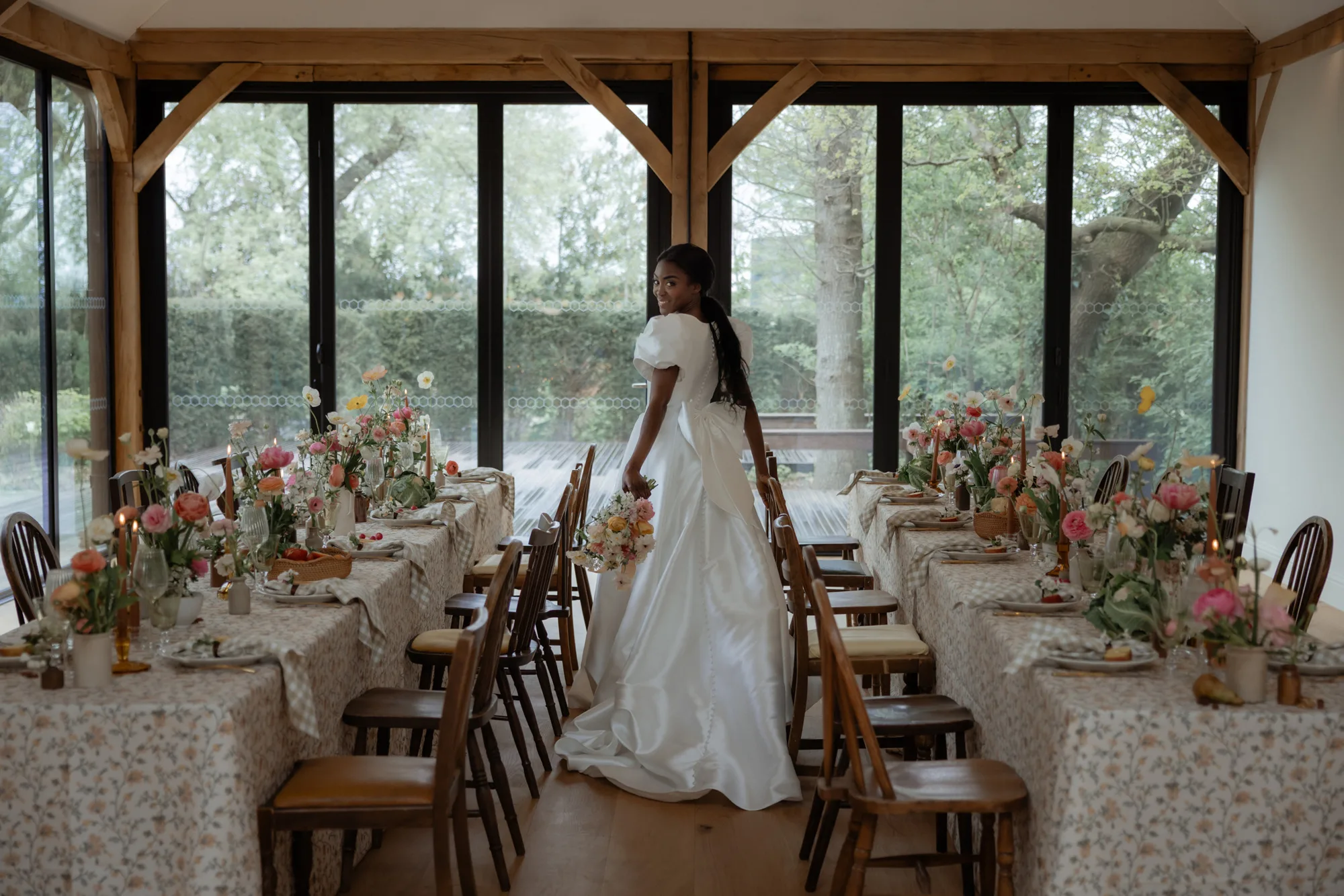
The recent editorial shoot at Alfriston Gardens was meticulously designed to showcase the practical application of these themes. The venue, located in the heart of the Sussex Downs, provided a historical and natural backdrop that aligned with the "whimsical and peaceful" core of the cottagecore genre.
The creative team was comprised of several prominent members of the wedding industry, each bringing a specific expertise to the project:
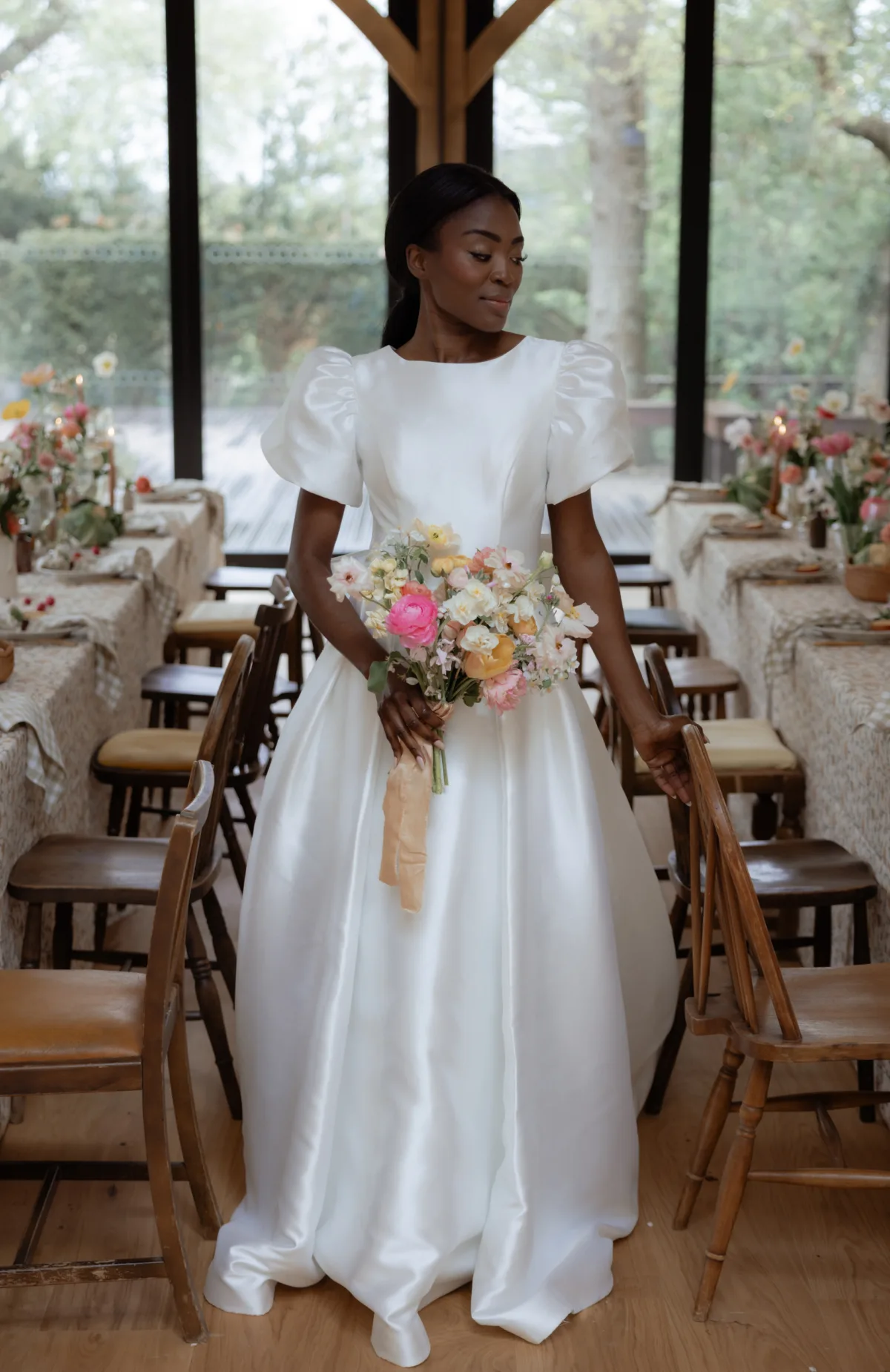
- Planning and Styling: Charley Morgan of Luna And The Lane directed the conceptual framework, focusing on "whimsy, peace, and beauty."
- Photography: Lucy Fergusson utilized natural lighting and candid-style compositions to capture the "softness" of the day.
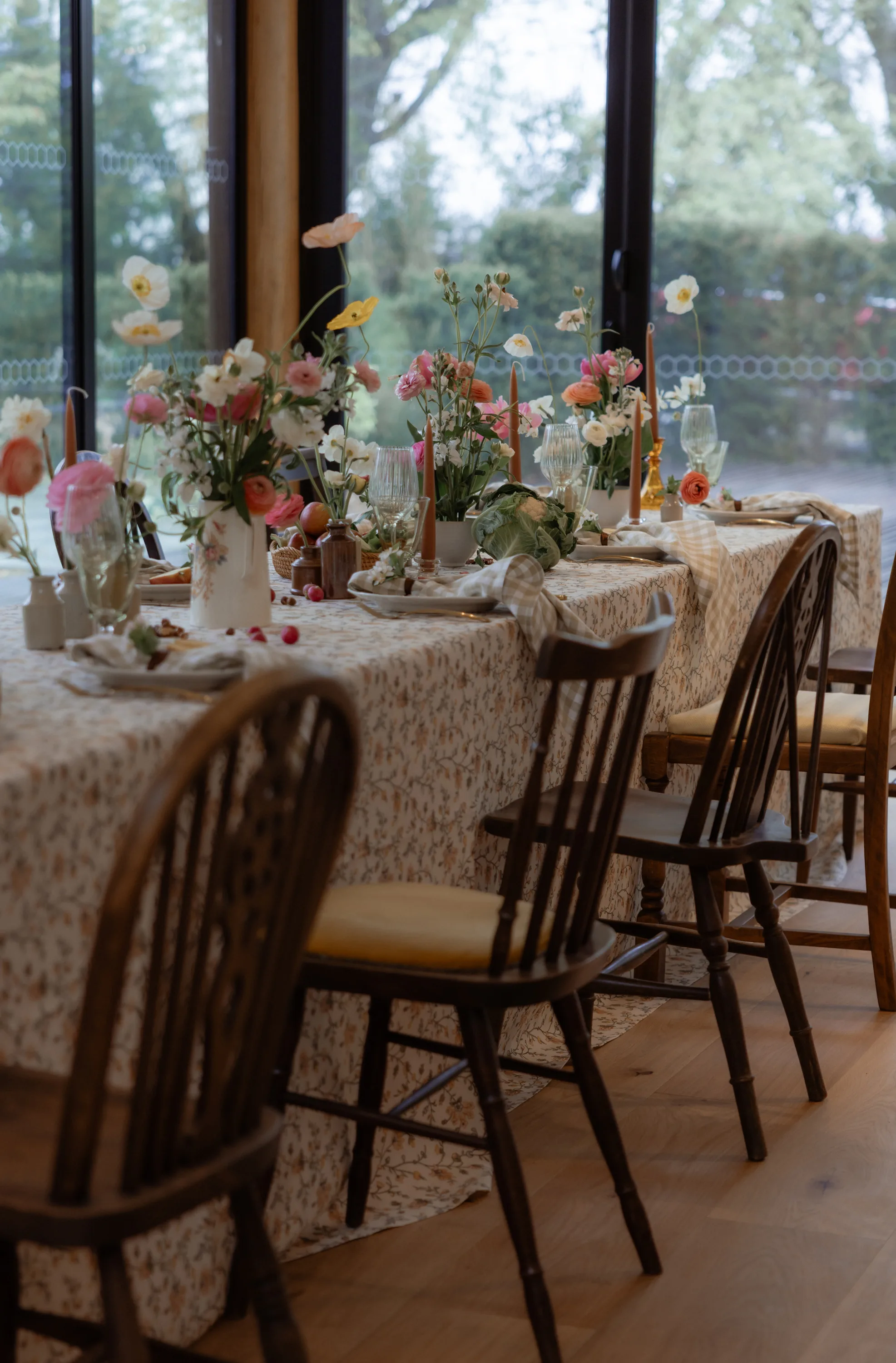
- Floral Design: Dove & Myrtle created arrangements that mimicked the wild, uncurbed growth of an English garden, utilizing textures that suggested a "homegrown" origin.
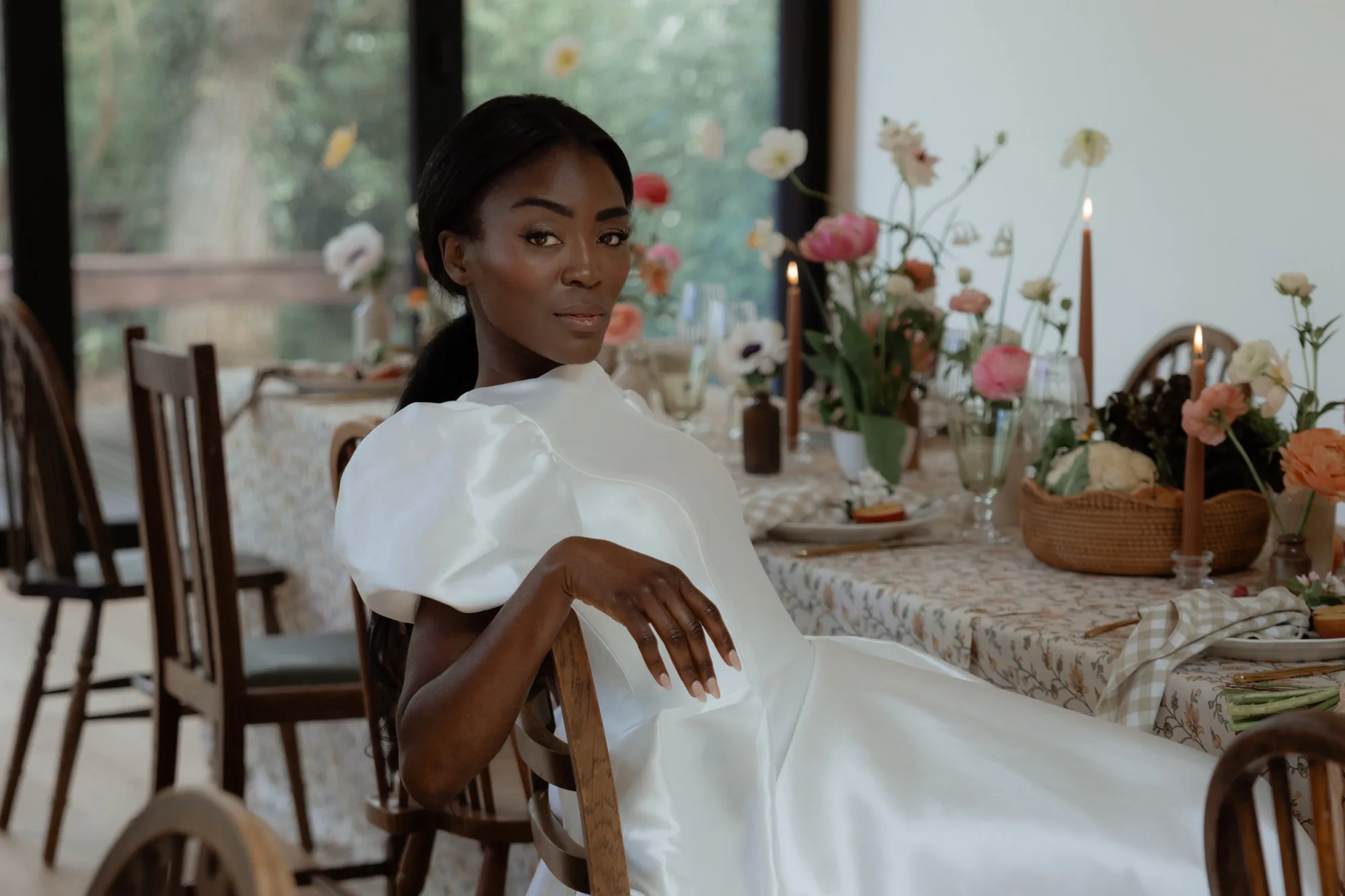
- Attire: Velvet Queen provided gowns that emphasized inclusive sizing, a critical component of the project’s mission to promote broader accessibility.
- Beauty and Modeling: Make-up artist Kendols Beauty and model Jasmine Wode worked to establish a look that was both ethereal and grounded.
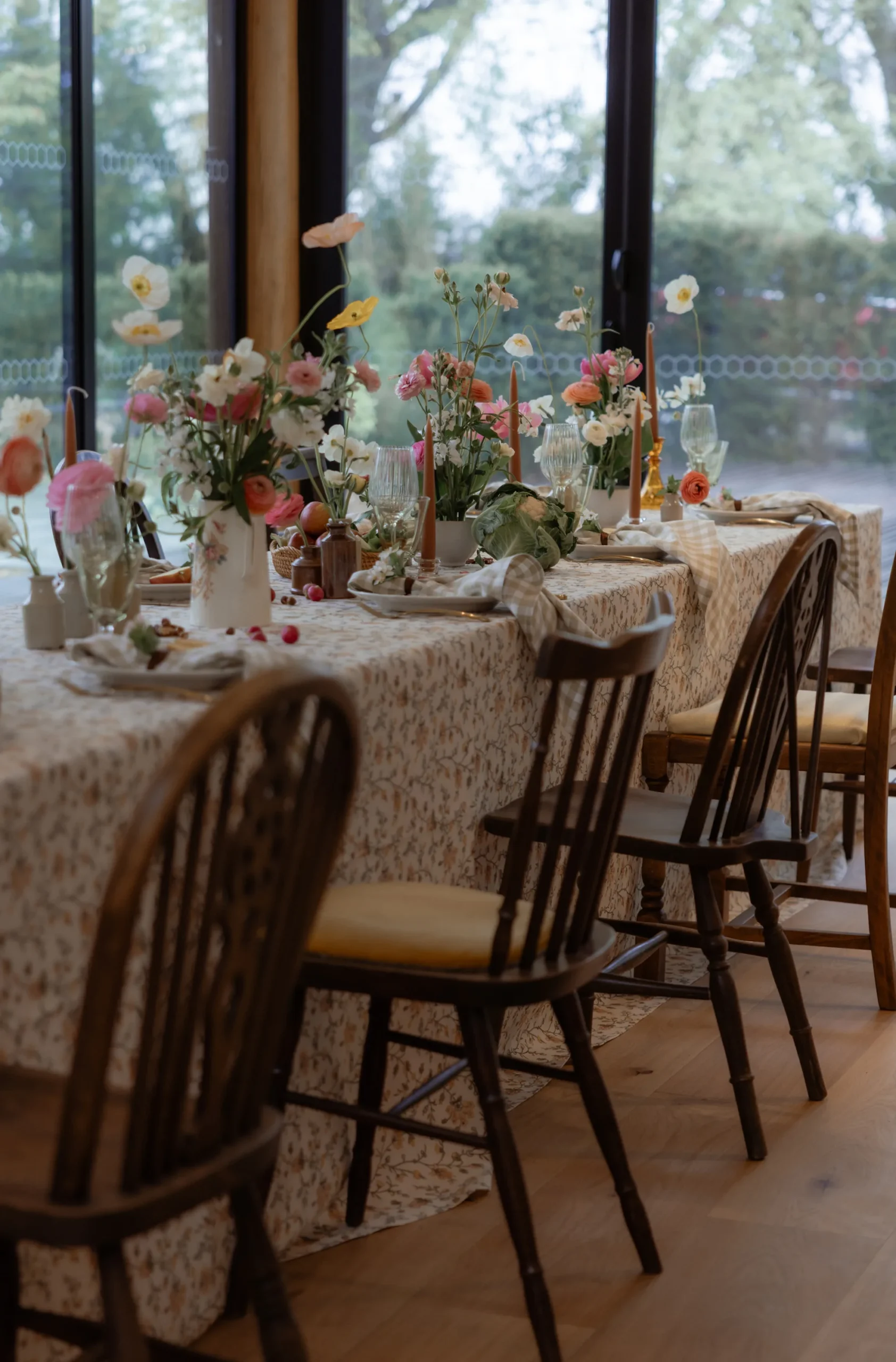
The styling utilized patterned linens from Just 4 Linen, which served as a foundation for a tablescape that integrated fresh fruit, vegetables, and candles. This design choice was intended to evoke the warmth of a domestic setting—specifically described by the team as reminiscent of "Granny’s kitchen"—bridging the gap between a formal event and a personal, familial gathering.
Addressing the Representation Gap in Rural Imagery
A central objective of the Alfriston Gardens project was to address a persistent lack of diversity within the cottagecore aesthetic and English countryside imagery. Historically, the "English rural idyll" has been portrayed through a lens that largely excludes people of color. The creative team noted that while contemporary, editorial-style wedding marketing has made strides in representation, the specific sub-genre of cottagecore has remained noticeably homogenous.
"As the concept developed, the team also began looking more closely at the imagery associated with cottagecore weddings and the English countryside, where people of color remain noticeably underrepresented," stated Charley Morgan. The project sought to take proactive responsibility for ensuring that the cottagecore dream—one of nature, home, and tranquility—is seen as belonging to everyone, regardless of heritage or background.
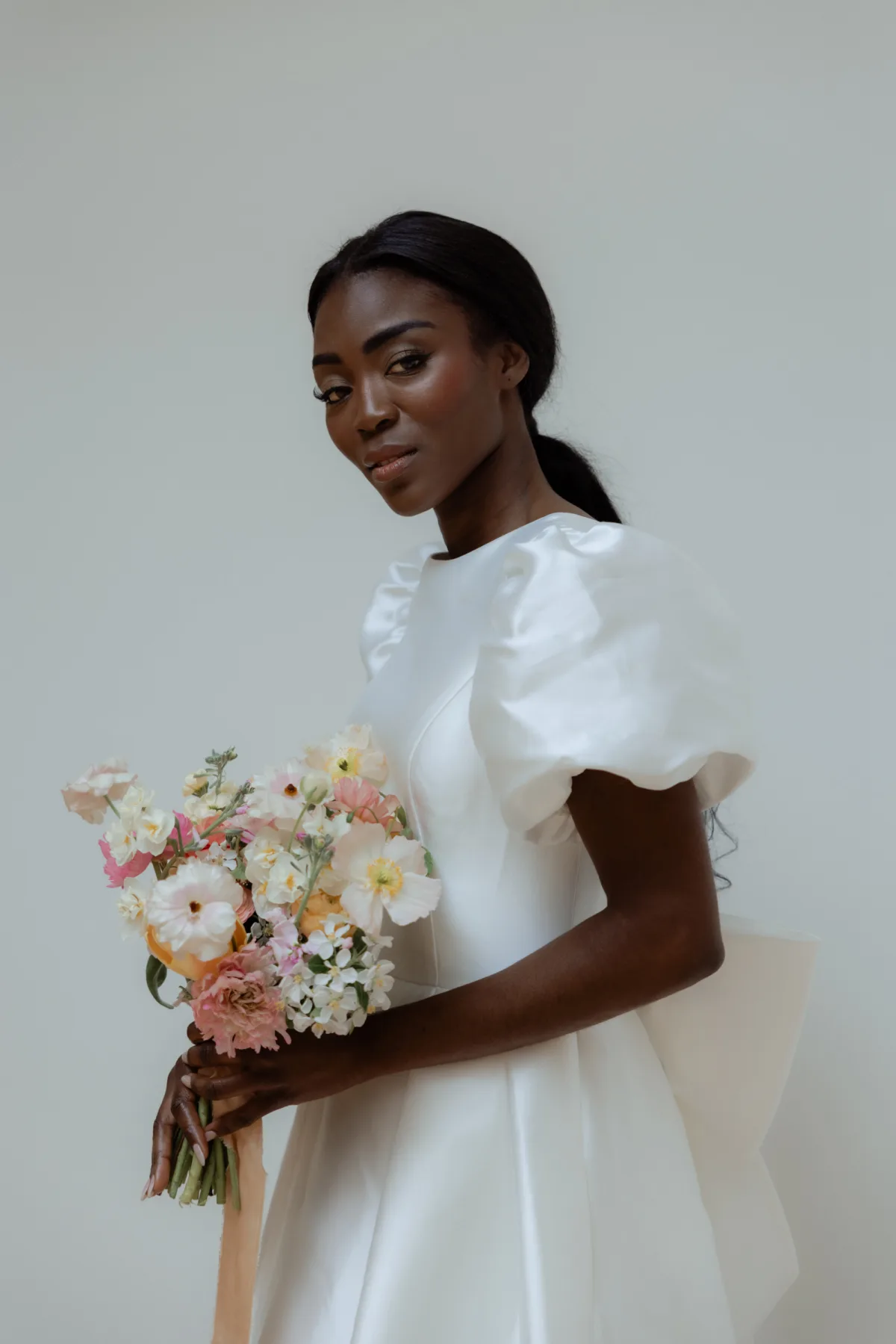
This initiative comes at a time when the wedding industry is facing scrutiny over its progress regarding diversity. Following the global social justice movements of 2020, many industry leaders pledged to diversify their marketing and vendor networks. However, four years later, many critics argue that representation has regressed, with mainstream imagery returning to a predominantly white, heteronormative standard. The Alfriston Gardens shoot was a deliberate attempt to uphold those earlier promises, moving beyond performative diversity to create a genuine reflection of a multicultural society within a traditional rural setting.
The Role of Inclusive Sizing and Sustainable Practices
The inclusion of Velvet Queen in the collaboration highlighted another critical facet of modern wedding planning: inclusive sizing. The wedding attire industry has frequently been criticized for its "sample size" culture, which can alienate brides who do not fit into a narrow range of body types. By focusing on unique, inclusive-sized dresses, the team emphasized that the "softer, simpler" lifestyle associated with cottagecore is not restricted by body image.
Furthermore, the shoot aligned with the growing trend of "slow weddings." Similar to the "slow food" or "slow fashion" movements, slow weddings prioritize sustainability and local sourcing. The use of seasonal flowers and the integration of edible elements like fruits and vegetables into the decor reduce the environmental footprint of the event. This approach resonates with the current economic climate, where couples are increasingly looking for ways to maximize the aesthetic impact of their wedding without the waste associated with traditional large-scale events.
Data and Industry Implications
The shift toward cottagecore and intimate weddings is supported by emerging industry data. Recent surveys of wedding planners indicate a 15% increase in requests for "micro-weddings" or "garden-party style" events compared to pre-pandemic levels. Additionally, social media platforms like Pinterest have reported a 150% year-over-year increase in searches for "cottagecore wedding ideas."
The implications for wedding suppliers are significant. Businesses that once focused solely on high-capacity venues and standardized packages are now finding it necessary to offer more bespoke, flexible services. Suppliers who can demonstrate a commitment to inclusivity and sustainability are also finding a competitive edge in a market where consumers are increasingly values-driven.
Analysis of Impact: Moving Toward a Representative Future
The Alfriston Gardens project serves as a reminder that the imagery produced by the wedding industry does more than sell services; it shapes cultural narratives about who is allowed to occupy certain spaces and who is entitled to certain "dreams." By placing a person of color in the center of a cottagecore narrative, the team challenged the gatekeeping of the English countryside.
Industry analysts suggest that for these changes to be permanent, they must be integrated into the business models of small and large firms alike. Luna And The Lane’s approach—treating diversity not as the "subject" of the shoot but as a natural and necessary component of the work—is seen as a blueprint for more authentic marketing.
As the wedding season progresses, the influence of this "softer, simpler" kind of day is expected to grow. The focus on "feelings first and foremost," as championed by the Sussex creative team, offers a compelling alternative to the "wedding industrial complex," suggesting that the most memorable celebrations are those that are personal, inclusive, and deeply connected to the natural world.
Conclusion and Broader Industry Outlook
The collaboration between Luna And The Lane, Lucy Fergusson, Dove & Myrtle, and their partners at Alfriston Gardens marks a pivotal moment in the evolution of the cottagecore aesthetic. By stripping away the unattainable "luxury" tropes and replacing them with thoughtful, diverse, and accessible details, the team has provided a roadmap for the future of the industry.
As couples continue to navigate a world characterized by rapid change and digital saturation, the desire for the whimsy, peace, and beauty of the cottagecore lifestyle is likely to remain a cornerstone of wedding design. The challenge for the industry moving forward will be to ensure that this lifestyle is truly open to all, fostering an environment where every couple feels "welcome and cherished" in the heart of the English countryside.