




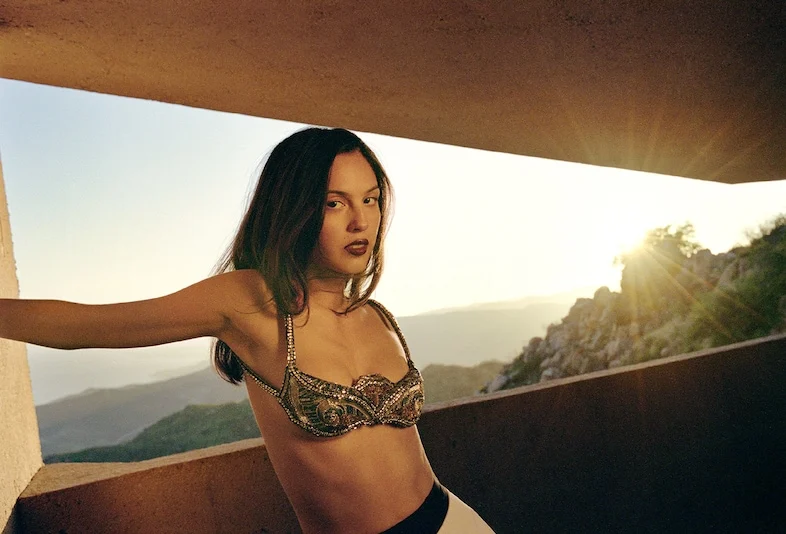
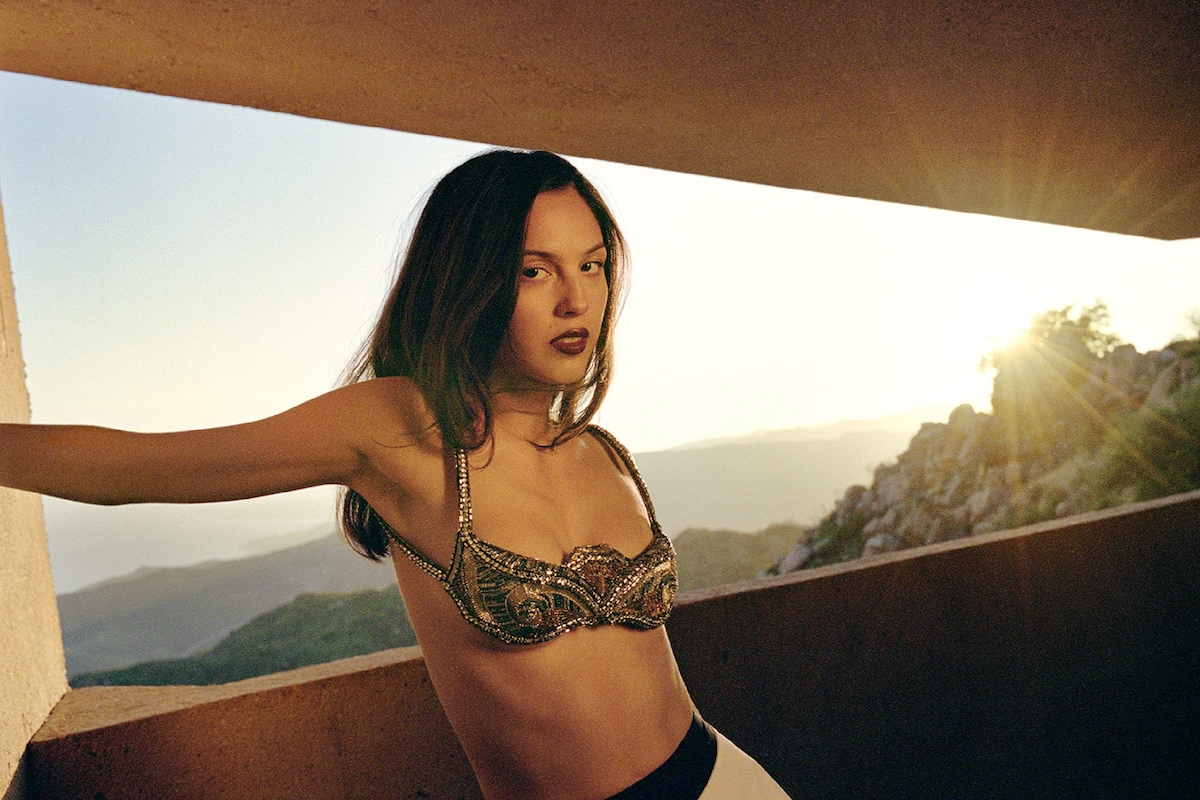
In a recent candid interview with Jon Caramanica and Joe Coscarelli for the New York Times podcast "Popcast," pop sensation Olivia Rodrigo made a definitive statement regarding her relationship with high fashion, declaring, "I’m not a fashion girl." This assertion came in response to a query about her absence from this year’s Met Gala, often dubbed the "Bezo-funded" event due to its prominent corporate sponsorship and status as a pinnacle of celebrity-fashion convergence. Rodrigo elaborated on her decision, stating, "Gosh, how do I choose my words wisely? This is my third album. I don’t feel like I need to do things that don’t bring me joy, inspire me, fuel me, feel aligned with my values. It’s not as fun or exciting anymore." While her commitment to moral clarity and artistic integrity resonates strongly with many observers and fans, her accompanying dismissal of her own fashion acumen presents a curious paradox. A closer examination of Rodrigo’s sartorial choices over the past few years reveals a sophisticated and deeply informed aesthetic, drawing heavily from an eclectic array of cult figures and cinematic inspirations, suggesting she is far more "clued up" on fashion than her self-assessment implies.
The Met Gala: A Nexus of Fashion, Celebrity, and Commerce
To fully appreciate Rodrigo’s stance, it’s crucial to understand the context of the Met Gala. Officially known as the Costume Institute Gala, this annual fundraising event for the Metropolitan Museum of Art’s Costume Institute in New York City is widely considered the fashion industry’s premier red-carpet occasion. Chaired by Vogue editor-in-chief Anna Wintour since 1995, the gala has evolved from a society event to a global spectacle, where A-list celebrities, designers, and industry titans gather, often dressed in elaborate ensembles adhering to a specific theme. The event serves as a significant platform for designers to showcase avant-garde creations and for celebrities to make bold sartorial statements, generating immense media attention and driving trends.
Over the years, the Met Gala has become synonymous with exclusivity and extravagance, with tickets costing tens of thousands of dollars and tables sponsored by major corporations. Its "Bezo-funded" moniker, while colloquial, alludes to the increasing corporate influence and high-stakes commercialism that now permeate such high-profile events. For many celebrities, attending the Met Gala is almost a mandatory rite of passage, a signal of their standing within the cultural elite. It offers unparalleled exposure and opportunities for brand collaborations. Rodrigo’s decision to forgo this event, especially during the promotional cycle for her third album, "GUTS," marks a deliberate and principled choice, prioritizing personal alignment and authenticity over the perceived pressures of celebrity obligation and commercial visibility.
Olivia Rodrigo’s Principled Stance and the Authenticity Imperative
Rodrigo’s articulate reasoning for her Met Gala absence speaks volumes about a growing trend among younger artists to redefine celebrity engagement with traditional industry events. Her emphasis on "joy," "inspiration," "fuel," and "alignment with values" underscores a desire for purpose-driven participation rather than mere attendance for public relations. This perspective resonates particularly strongly with her Gen Z fanbase, who often value authenticity and ethical considerations in public figures. In a landscape saturated with sponsored content and manufactured moments, Rodrigo’s candidness offers a refreshing counter-narrative, suggesting that true artistic expression need not be inextricably linked to every high-profile commercial opportunity. Her choice, therefore, transcends a simple fashion preference; it becomes a statement on the commercialization of art and celebrity, advocating for a more selective and personally meaningful engagement with the public sphere.
Beyond the Red Carpet: Rodrigo’s Unmistakable Fashion Language
Despite her protestations of not being a "fashion girl," Olivia Rodrigo’s aesthetic is anything but accidental or uninformed. Her public appearances, music videos, and tour wardrobes consistently demonstrate a keen awareness of fashion history, subcultural movements, and influential style icons. Far from being a mere wearer of clothes, Rodrigo actively curates a visual identity that complements and amplifies her music’s themes of youthful angst, empowerment, and self-discovery. Her style is a deliberate blend of nostalgia and contemporary edge, masterfully referencing past eras and figures while making them distinctly her own. This curated approach to her image suggests a deep, albeit perhaps unacknowledged, understanding of fashion as a powerful tool for storytelling and self-expression.
The Enduring Rebellion of Kinderwhore: Courtney Love’s Legacy
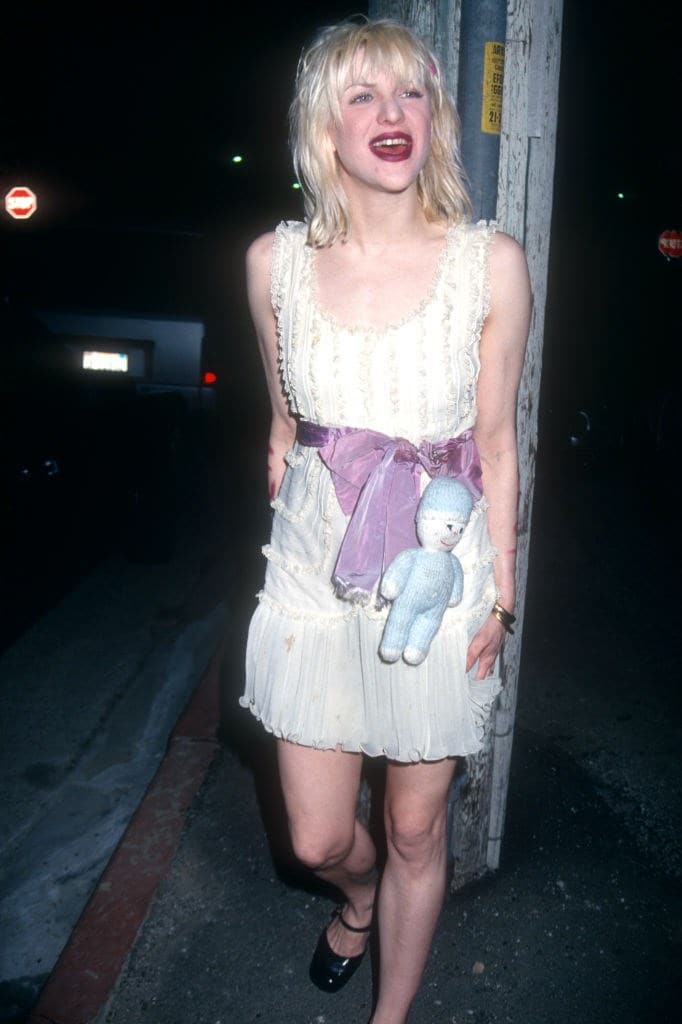
One of Rodrigo’s most prominent fashion inspirations is undoubtedly Courtney Love, particularly her "kinderwhore" aesthetic from the 1990s. This look, famously pioneered by Love and her band Hole, involved a deliberate juxtaposition of childlike innocence with raw, grunge-fueled aggression. Key elements included ripped baby-doll dresses, smeared makeup, fishnet stockings, and combat boots. It was a satirical commentary on the infantilization of women in rock music and wider society, using hyper-feminine tropes to subvert expectations and express unbridled rage.
Rodrigo’s adoption of this aesthetic has been notable, most famously with the Génération78 baby-doll dress she wore while performing in Barcelona. This choice sparked a brief "moral panic," with some critics questioning whether the silhouette, once a symbol of feminine rebellion, had become synonymous with submission. However, as cultural commentators quickly pointed out, the baby-doll dress itself is not inherently childlike or submissive. Its power lies in its ability to occupy the uneasy intersection of innocence, femininity, and anger – a tension that feminists and artists have long exploited to challenge patriarchal norms. Rodrigo’s embrace of this silhouette, often paired with combat boots or chunky platforms, echoes Love’s original intent: a visual articulation of youthful frustration and female agency. Designers like Batsheva and Celine, known for reinterpreting vintage and feminine silhouettes with a modern edge, also fall within this stylistic lineage, further cementing the contemporary relevance of the kinderwhore aesthetic in Rodrigo’s wardrobe.
Decadent Girlhood: The Marie Antoinette Cinematic Influence
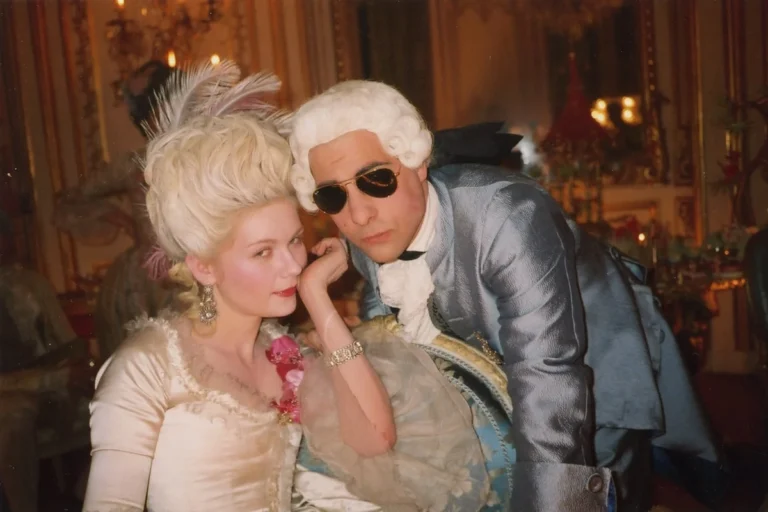
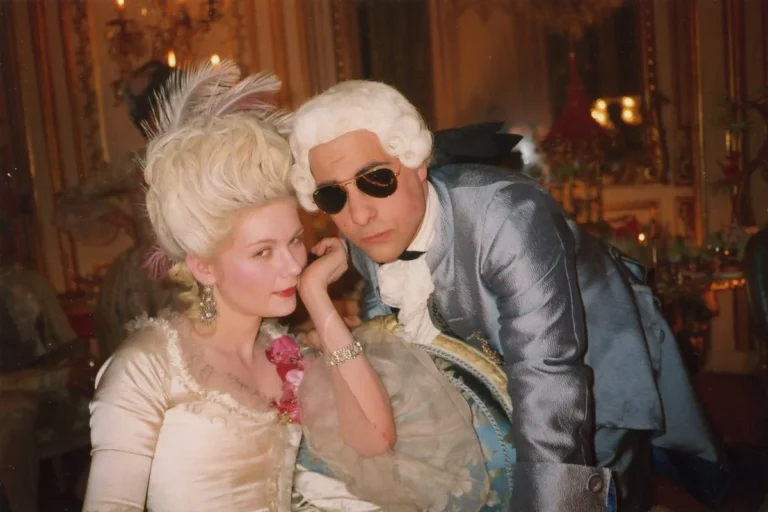
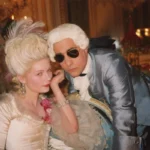
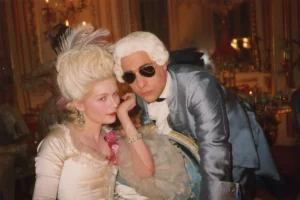
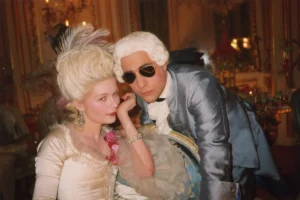
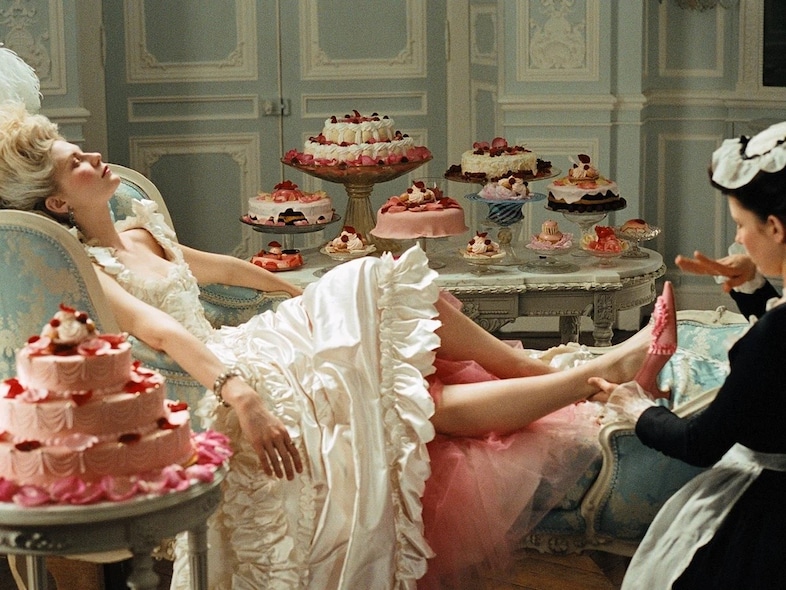
Rodrigo’s music video for "drop dead" (a track widely speculated to be for her upcoming third album) offered a vivid homage to Sofia Coppola’s visually stunning 2006 film, Marie Antoinette. In the video, Rodrigo pranced through the Louvre in a frilly pink-and-blue baby-doll top from Chemena Kamali’s Chloé pre-fall collection, paired with vintage silk bloomer shorts and knee-high white socks. The connection to Coppola’s film, celebrated for its anachronistic soundtrack and pastel-hued, decadent costumes designed by Italian costumier Milena Canonero, was unmistakable.
Canonero’s costumes for Marie Antoinette were not merely historical recreations; they aimed to tell a story about girlhood, excess, and isolation within an opulent prison. As WWD noted at the time of the film’s release, the visual language conveyed the protagonist’s journey and emotional state. Similarly, Rodrigo’s video, with its lyrics about "feminine intuition" and "stalking boys in bed," uses the backdrop of historical extravagance to narrate her own contemporary experience of girlhood. The deliberate choice of such a lavish yet playful aesthetic underscores Rodrigo’s immersion in her current phase of life, reveling in the complexities and contradictions of young womanhood. This cinematic inspiration demonstrates Rodrigo’s ability to draw from diverse cultural sources, transforming historical and fictional narratives into relatable visual metaphors for her own artistic expression.
Ska-Punk Pioneer: Gwen Stefani’s No Doubt Era
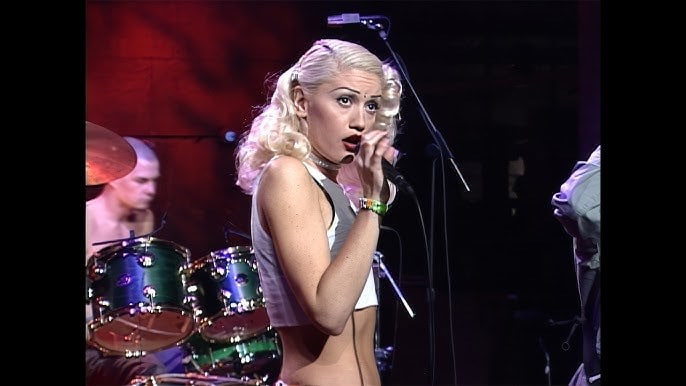
Following her highly successful GUTS tour, Rodrigo further solidified her fluency in Y2K references, consistently channeling the iconic style of Gwen Stefani during her No Doubt era. Stefani, as the frontwoman of No Doubt in the 1990s and early 2000s, pioneered a distinctive aesthetic that fused ska-punk energy with tomboy glamour and subtle chola influences. Her signature looks included baggy cargo pants, crop tops, bandanas, space buns, and bold makeup. This blend represented a powerful image of female strength and individuality in a male-dominated music scene.
The full-circle moment for Rodrigo occurred when she joined No Doubt on stage at the 2024 Coachella Valley Music and Arts Festival to perform "Bathwater." Rodrigo’s outfit was a direct homage to Stefani, featuring her hair styled in space buns, an "I <3 ND" shirt, and a visible red bra strap – a classic Stefani touch. This performance was not just a musical collaboration but a significant fashion statement, illustrating how Rodrigo consciously taps into the legacies of powerful female artists who broke molds. Her ability to reinterpret and pay tribute to these foundational figures demonstrates a deep appreciation for the cyclical nature of fashion and its power to signify rebellion and identity across generations.
The Pop-Punk Princess: Avril Lavigne’s Skater-Girl Chic
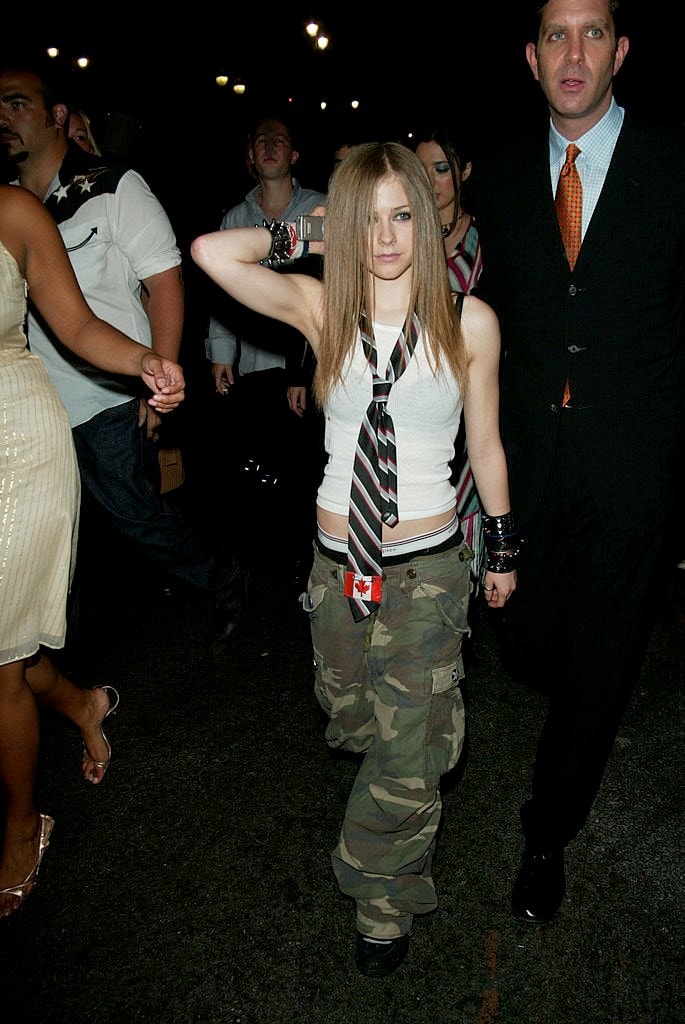
Another pivotal influence on Rodrigo’s style, particularly her more "girly" yet edgy looks, is Avril Lavigne, the undisputed pop-punk princess of the early 2000s. Lavigne’s aesthetic was defined by an effortlessly cool skater-tomboy vibe: low-rise jeans, white tank tops, ties, studded belts, and chunky sneakers. She popularized a look that was accessible, rebellious, and distinctly anti-pop star glamour, resonating with a generation of teenagers who felt misunderstood.
Rodrigo’s admiration for Lavigne culminated in a joint performance of "Complicated" during her SOUR tour in Toronto in 2022. The visual connections between the two artists are evident in Rodrigo’s wardrobe choices, which frequently incorporate elements reminiscent of Lavigne. These include knee-high Doc Martens, Converse sneakers, and tartan skirts – items that embody a blend of punk attitude and youthful femininity. Rodrigo’s style often features this duality, balancing sweet, almost innocent elements with sharp, rebellious undertones, directly mirroring Lavigne’s enduring influence on pop-punk fashion. This embrace highlights Rodrigo’s understanding that fashion can be a nuanced expression of complex emotions, much like her music.
Effortless Icon: Jane Birkin’s Timeless French Style
Beyond the overtly rebellious and theatrical influences, Rodrigo also draws inspiration from figures known for a more understated yet equally iconic style, such as Jane Birkin. The late British-French actress and singer was the epitome of effortless French chic, characterized by a minimalist approach, natural beauty, and a penchant for comfortable yet stylish pieces. Her signature items included the basket bag, flared jeans, simple white t-shirts, and Repetto ballet flats. Birkin’s style was about innate confidence and a rejection of overly contrived fashion.
Rodrigo subtly referenced Birkin at the beginning of her "drop dead" music video, appearing in a vintage mini dress reminiscent of one Birkin famously wore in her 1975 film, Catherine et Cie. More recently, Rodrigo was spotted wearing Repetto ballet flats, a brand deeply beloved and popularized by Birkin. These more subtle nods demonstrate Rodrigo’s broader fashion literacy, indicating an appreciation for diverse aesthetics that range from high-octane punk to quiet, enduring elegance. Her ability to integrate such varied influences into a cohesive personal style speaks volumes about her nuanced understanding of fashion’s power to convey different facets of identity.
The Broader Canvas: Rodrigo’s Influence on Youth Culture and Fashion Cycles
Ultimately, Olivia Rodrigo’s declaration of "not being a fashion girl" is perhaps less about a lack of interest or knowledge and more about a desire to distance herself from the commercial pressures and performative aspects of the industry she critiques. Paradoxically, by disavowing the label, she reinforces her authenticity, making her sartorial choices even more impactful and influential. She represents a generation that consumes fashion not through dictated trends from high-fashion houses but through a highly personalized, curated approach, drawing inspiration from social media, pop culture history, and individual icons.
Despite her statements, Rodrigo undeniably acts as a significant fashion influencer for Gen Z. Her willingness to embrace and recontextualize styles from the 90s and early 2000s contributes to the cyclical nature of fashion, introducing these aesthetics to a new audience. Her style communicates a powerful message: fashion can be about personal expression, comfort, and homage, rather than an obligation to adhere to every industry event or trend. In this sense, Rodrigo’s "anti-fashion" stance is, in itself, a potent fashion statement, shaping how a new generation perceives and engages with style – not as a rigid set of rules, but as an expansive and joyful form of self-discovery.