










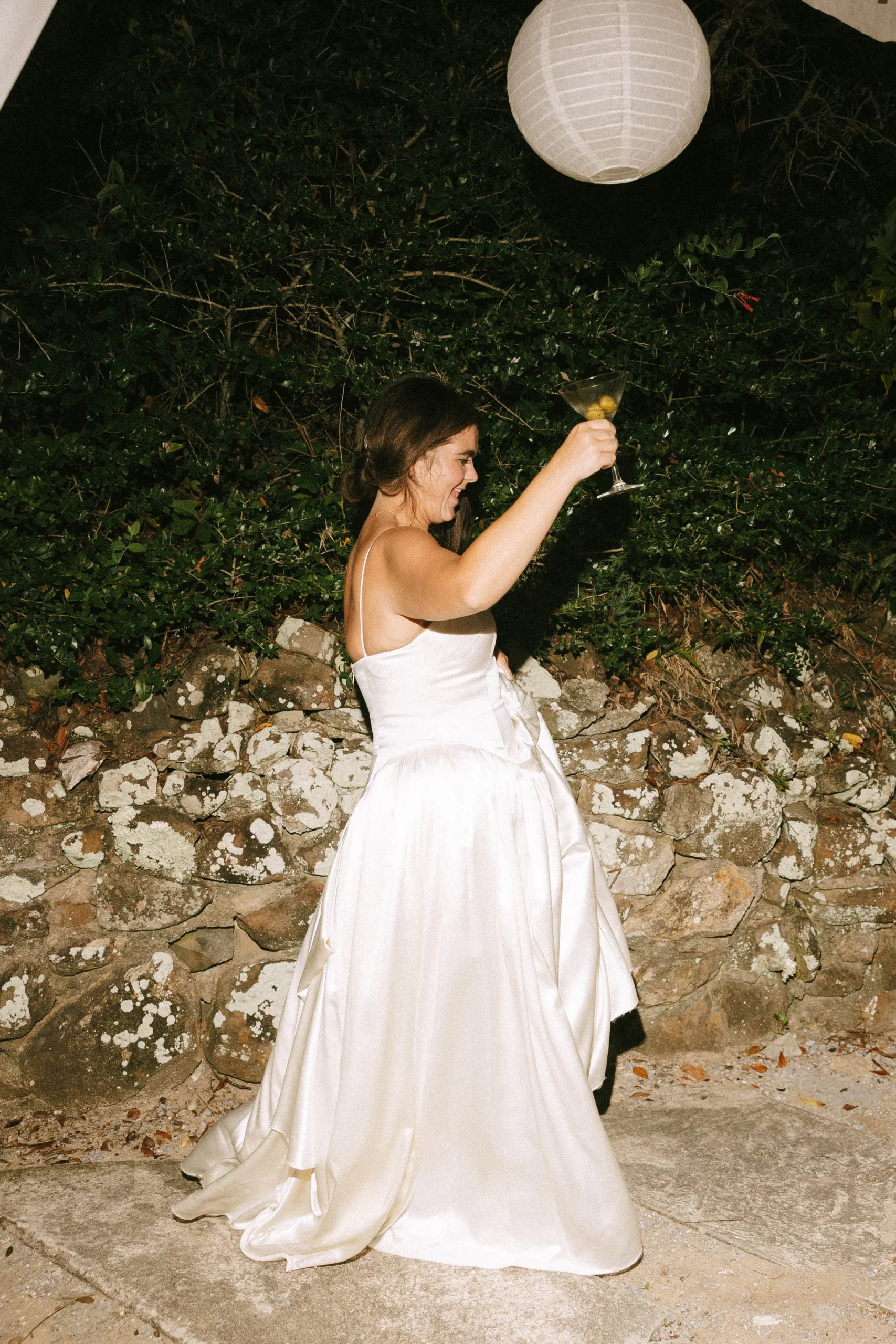
The landscape of the modern wedding industry is undergoing a significant shift as couples increasingly prioritize personal sentiment and historical continuity over traditional, prescribed formats. This trend was exemplified in the recent nuptials of Olivia and Franklin, who held their ceremony and reception at a private family estate on Oak Island, North Carolina. By leveraging a location with deep ancestral roots—the home of the bride’s great-grandfather—the couple created a multi-day event that functioned less as a formal production and more as a communal gathering, reflecting a broader cultural movement toward "residential weddings" that emphasize intimacy and legacy.
Historical Context and Personal Chronology
The foundations of the union date back to the early summer of 2017 in Beaufort, North Carolina. Both Olivia and Franklin were employed at The Spouter Inn, a local landmark in the coastal town. Their professional relationship evolved through a unique tradition known as the "penny game," where the two would hide a coin around the dining room for the other to discover during long, high-pressure shifts. This playful interaction transitioned into a series of dates across the island, often characterized by visits to secluded spots beneath the region’s iconic oak trees.
The couple’s trajectory involved significant geographical shifts, mirroring the mobility of the modern workforce. Following their initial meeting, Olivia returned to college, while Franklin remained in Beaufort. However, the strength of their connection led to a decision for Olivia to return home shortly thereafter. In subsequent years, the couple relocated to Denver, Colorado, where Franklin attended culinary school and Olivia served as a healthcare professional during the global pandemic. After a brief period in Chicago, they returned to their roots in Beaufort in 2023.
The engagement occurred in September on Cedar Island, North Carolina. The proposal featured a significant heirloom: an antique ruby ring that had belonged to Franklin’s great-grandmother from Hatteras, North Carolina. This choice of jewelry underscores a recurring theme in the wedding’s design—the integration of family history into contemporary milestones.
Venue Selection and Geographical Significance
The choice of Oak Island as the wedding site was a strategic decision rooted in familial heritage. Oak Island, located in Brunswick County, is known for its rugged coastal beauty and maritime forests. The specific property, belonging to Olivia’s great-grandfather, has served as a hub for family gatherings for generations.
The couple sought to emulate a "trickle-in" guest experience, a concept popularized by the Mediterranean aesthetic of films like Mamma Mia, where loved ones arrive over several days to build communal momentum before the main event. By utilizing a private residence rather than a commercial venue, the couple was able to bypass the logistical constraints often found in the hospitality industry, such as strict time slots and standardized decor packages. The energy of the house, described as possessing an "heirloom quality," provided a natural backdrop that aligned with their desire for a familiar and romantic atmosphere.
Design Philosophy and Aesthetic Execution
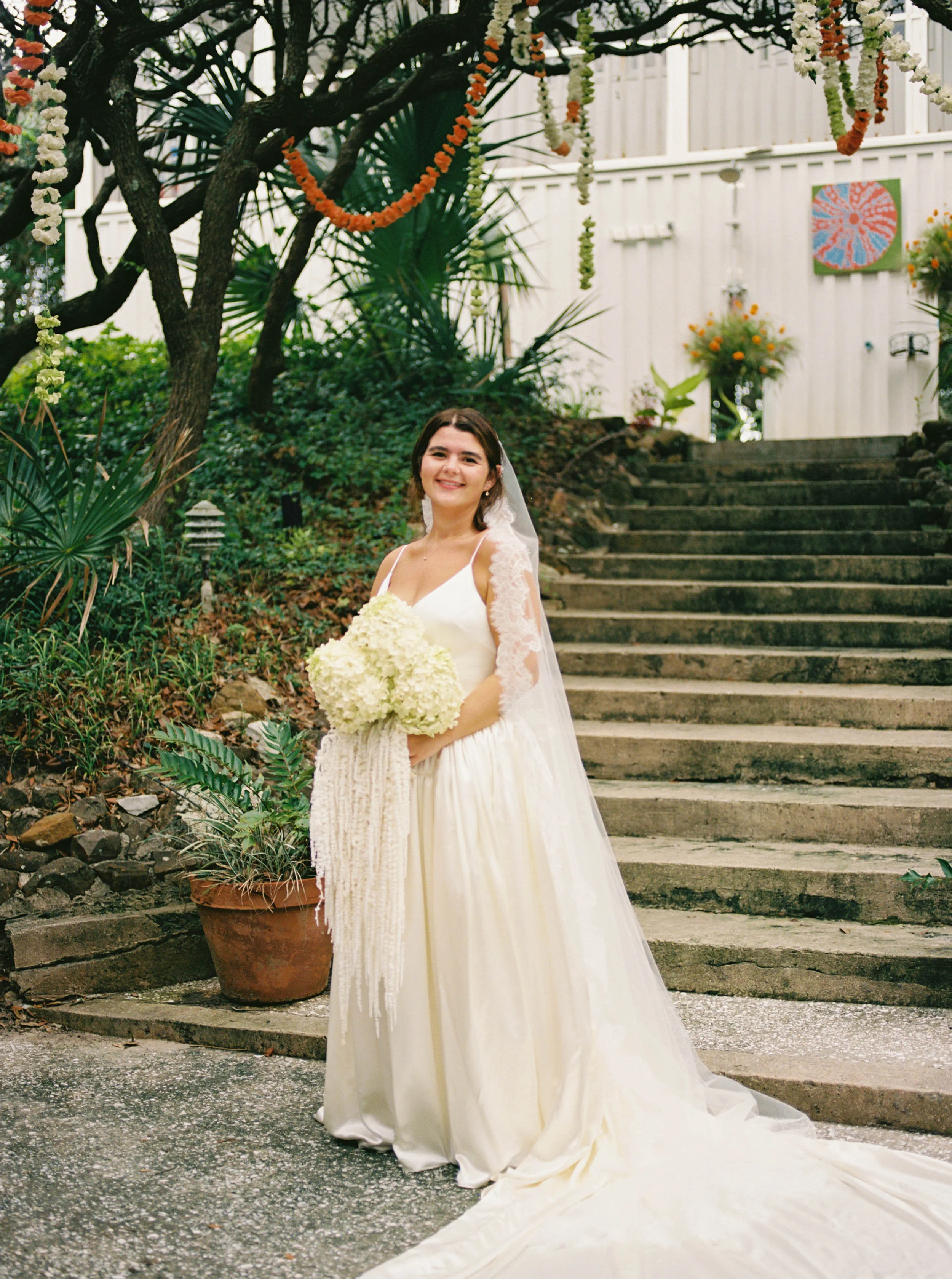
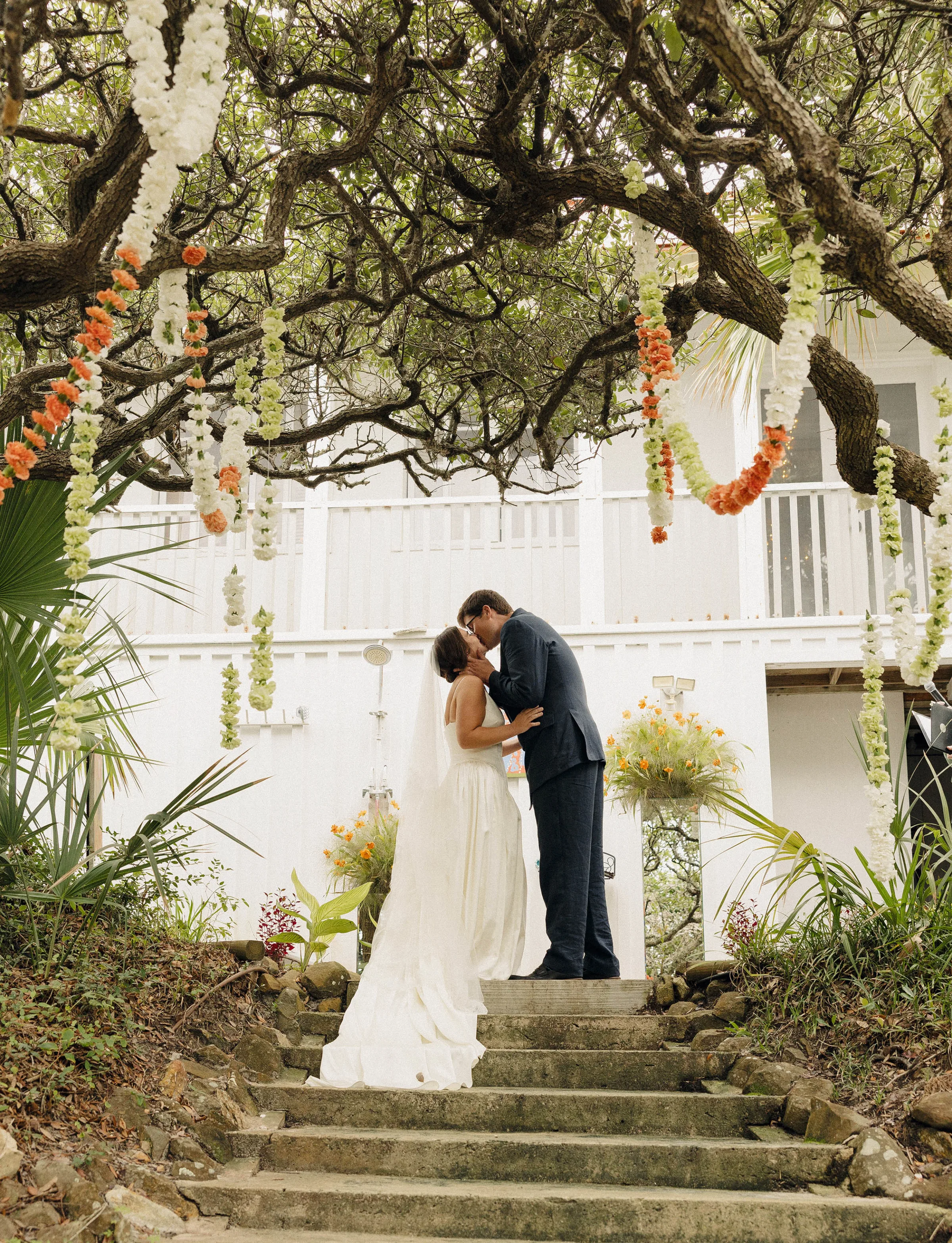
The aesthetic direction of the wedding was guided by a desire for "quiet and understated" luxury. Olivia worked with Field Floral, a design firm based in Richmond, Virginia, to create a floral installation that appeared to grow organically from the house and the surrounding maritime forest.
Color Palette and Floral Symbology
- Primary Palette: A foundation of crisp whites was utilized to maintain a modern, clean look.
- Accent Color: Orange, the favorite color of both the bride and groom, served as the primary accent.
- Symbolic Inclusions: Marigolds were integrated into the floral arrangements as a specific tribute to Olivia’s late father and other deceased family members, a practice common in various cultures to bridge the gap between the living and the departed.
Bridal Fashion
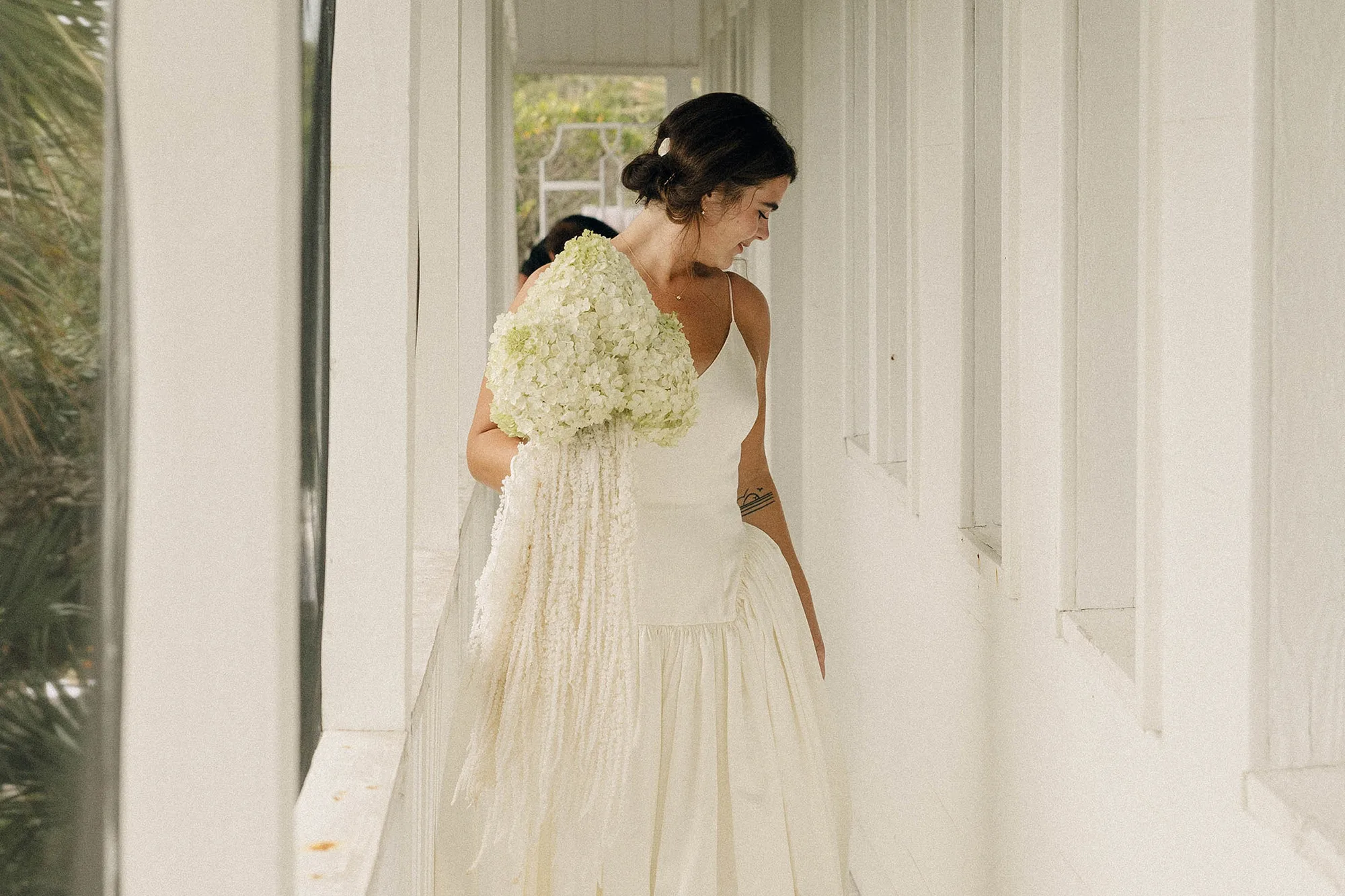
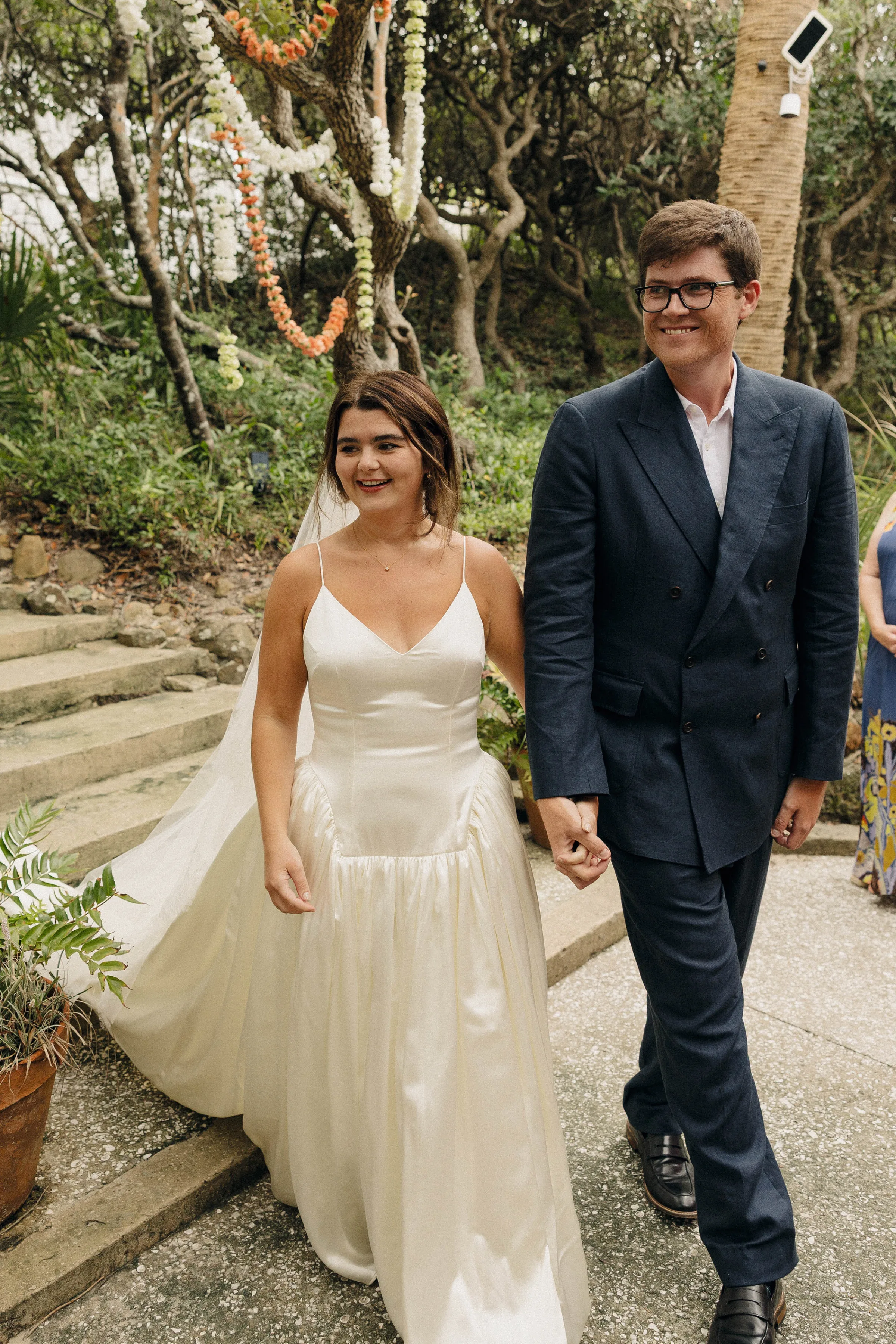
Olivia opted for the "Nina" gown by Danielle Frankel, a designer who has gained international acclaim for redefining bridal wear with architectural silhouettes and non-traditional fabrics. The Nina dress is characterized by its dropped waist and modern draping, signaling a departure from the "princess" archetypes of previous decades. This choice reflects a growing demand for high-fashion, editorial-style bridal looks that prioritize the wearer’s individual style over conventional expectations.
The Ceremony: A Custom Narrative
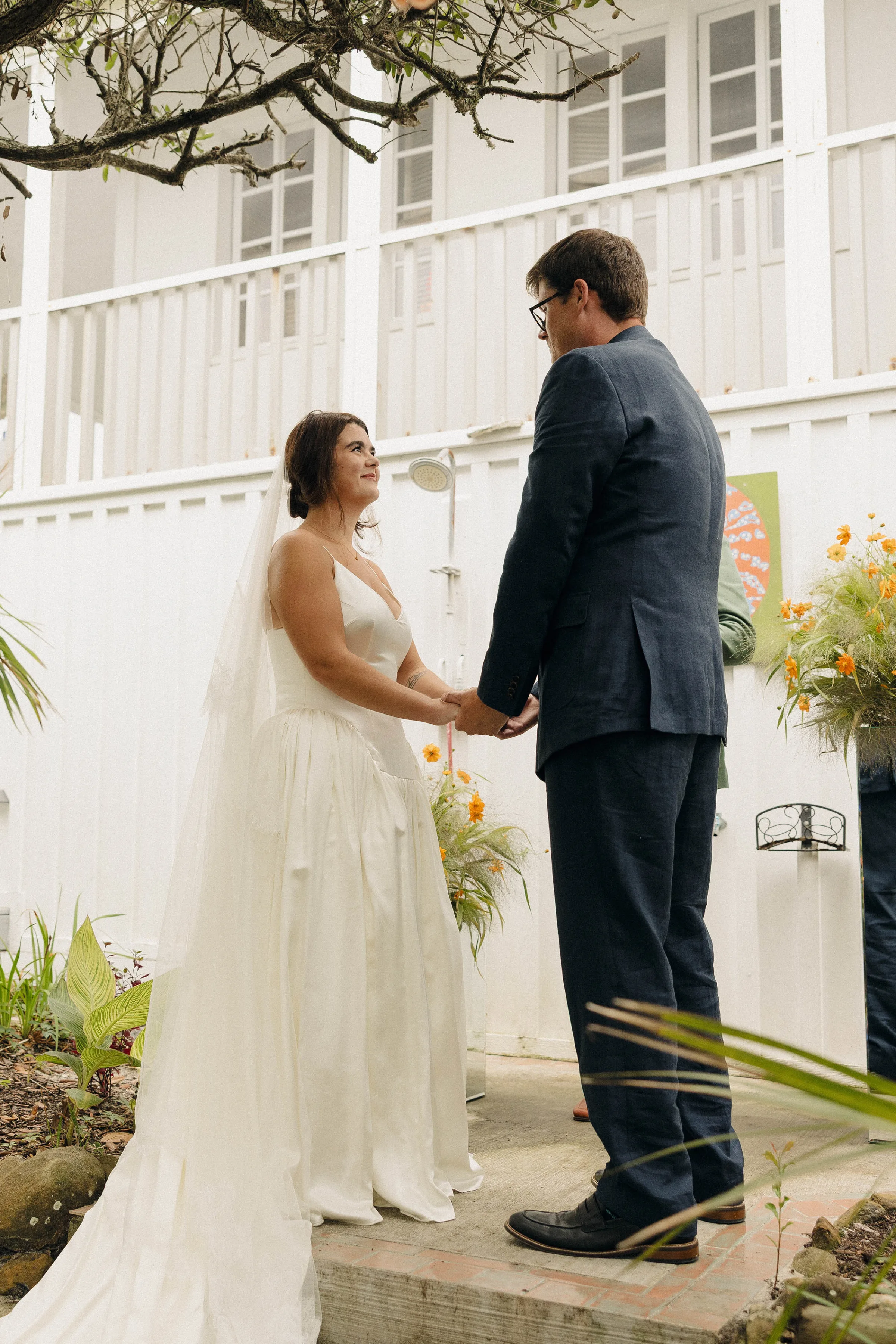
The ceremony was officiated by Andrew Bolling, a long-time friend of the bride’s family. The absence of a traditional religious or civil official allowed for a highly personalized script. Bolling’s reading highlighted the couple’s shared history, mentioning their "road trips across the country," their "porch dreams," and the "penny games" that defined their early relationship.
A poignant moment of the ceremony involved the bride’s entrance. Escorted by her older brother, Olivia carried a bouquet featuring a locket with a photograph of her late father. This inclusion served as a strategic emotional centerpiece, allowing the family to honor a missing patriarch in a visible, meaningful way.
Culinary Innovation and Dietary Considerations
Given the couple’s background in the food and beverage industry—Franklin being a trained chef—the culinary component of the evening was of paramount importance. They partnered with Spoonfed Kitchen to develop a menu that was entirely gluten-free, a logistical challenge that is increasingly common in modern event planning as hosts seek to accommodate diverse dietary needs without sacrificing quality.
The Wedding Cake
The centerpiece of the reception was a non-traditional wedding cake provided by BeauBelle Honey Bakery, based in Wilmington, North Carolina.
- Dimensions: The cake measured approximately 8 inches in height and 3 feet in length, a horizontal orientation that deviated from the traditional tiered stack.
- Flavors: The dessert featured four distinct flavor profiles: chocolate, crunchy peanut butter, carrot cake, and black forest.
- Dietary Status: Despite being 100% gluten-free, the cake received high praise from guests, highlighting the advancements in gluten-free baking technology and artistry.
Analysis of Non-Traditional Trends: Ditching the Bridal Party
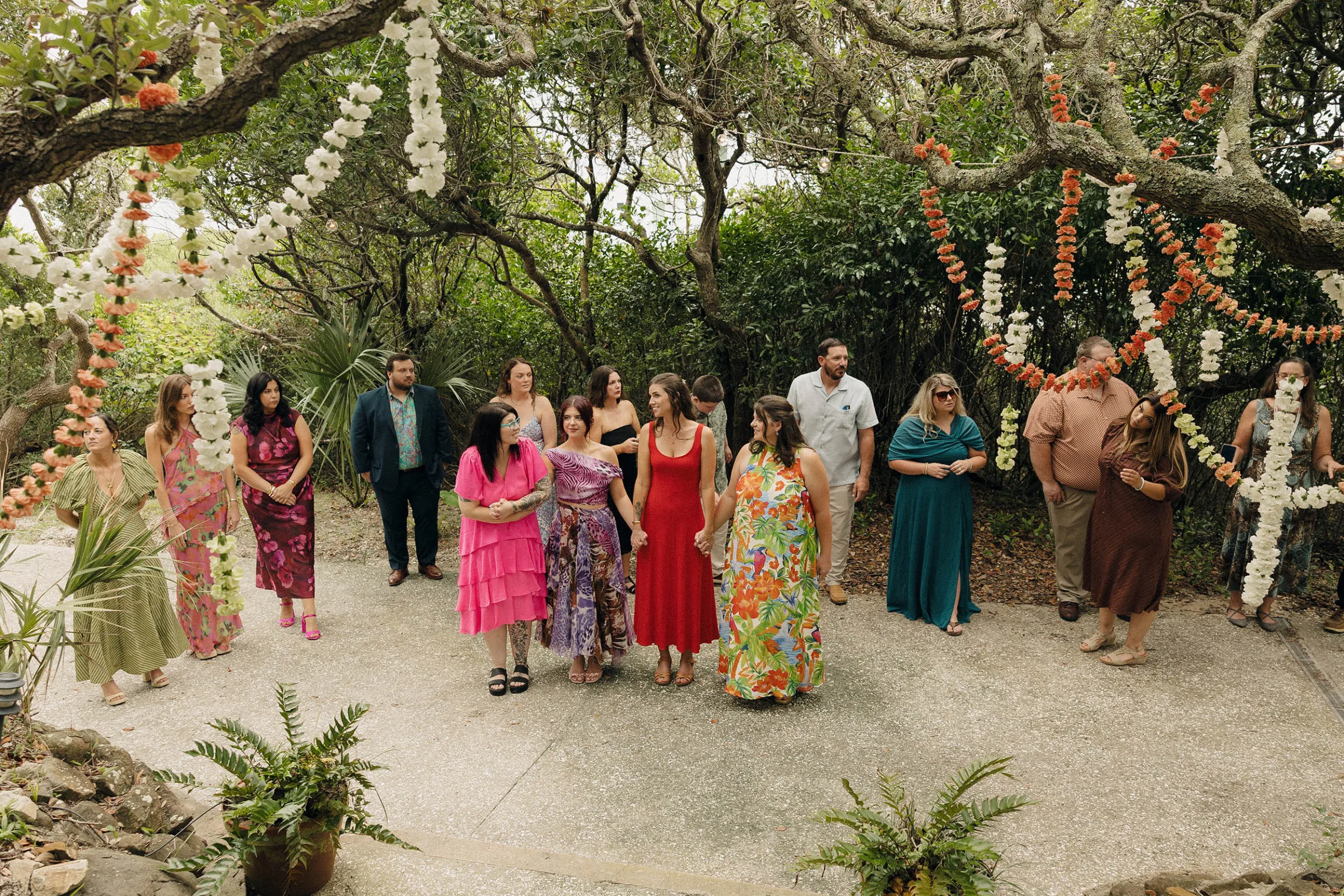
One of the most notable departures from tradition in Olivia and Franklin’s wedding was the decision to eliminate the formal bridal party. There were no bridesmaids or groomsmen, a choice that Olivia highlighted as a significant factor in reducing the stress and financial burden often associated with modern weddings.
Implications of the "No Bridal Party" Trend
Industry analysts have noted a rise in "no-party" weddings for several reasons:
- Reduced Conflict: It eliminates the social politics of selecting a Maid of Honor or Best Man.
- Financial Relief: It spares friends the high costs of specific attire, travel, and pre-wedding events.
- Aesthetic Freedom: Guests are able to wear clothing that reflects their personal style, which often results in more authentic and relaxed photography.
- Logistical Simplicity: The timeline of the day is simplified, as there is no need for coordinated group photos or complex processional lineups.
Olivia noted that the absence of a bridal party allowed her to focus entirely on the experience of the guests as a whole, rather than the management of a specific subset of friends.
Logistical Support and Documentation
The event was documented by Leslie DeAnn Photography, a specialist in East Coast weddings. The photography focused on capturing the "personal" and "unconventional" nature of the day, utilizing the natural light of the North Carolina coast and the historical textures of the family home.
To further personalize the event, the couple designed custom matchbooks styled after "GuestChecks"—a nod to their shared history in the restaurant industry. They also provided guests with custom cups featuring a penny icon and the phrase "Just lucky, I guess," reinforcing the narrative of their chance meeting and subsequent journey.
Broader Impact on the Wedding Industry
The success of Olivia and Franklin’s celebration serves as a case study for the "New Intimacy" in the wedding sector. As the average cost of a traditional wedding continues to rise, many couples are finding that reallocating their budget toward high-quality catering, professional photography, and sentimental venues yields a higher emotional return on investment.
Furthermore, the integration of multi-generational homes into the wedding narrative provides a sense of continuity that commercial venues often lack. By choosing a location that was already "enveloped by nature" and rich with family stories, the couple created an event that felt integrated into their life story rather than an isolated, external production.
In conclusion, the wedding at Oak Island represents a sophisticated blend of modern fashion, culinary excellence, and historical reverence. It demonstrates that by stripping away the "prescribed format" of the wedding industry, couples can create a celebration that is both highly personal and professionally executed, setting a precedent for future non-traditional ceremonies.