




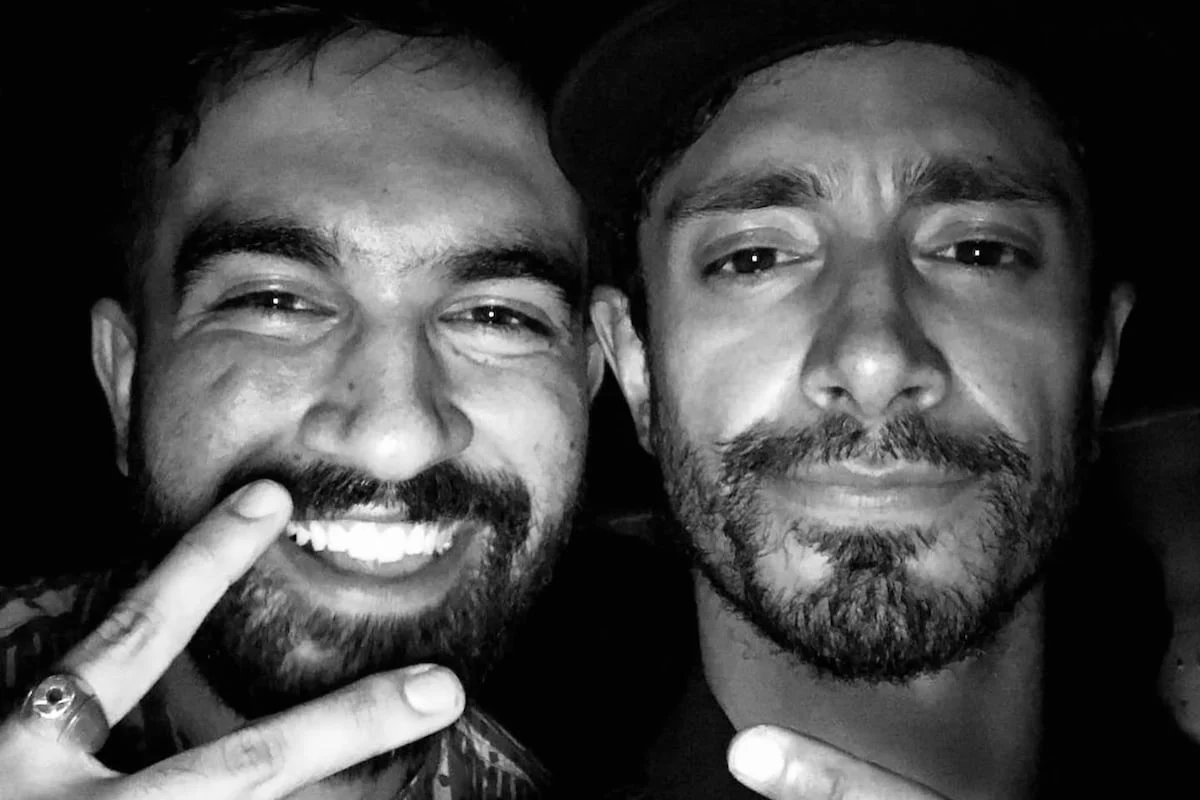
It is widely known that New York City Mayor Zohran Mamdani once navigated the music scene as "Young Cardamom," a self-described "C-List rapper" whose career highlights included a performance at Uganda’s Dazed-favorite Nyege Nyege festival in 2016. While the microphone has largely been exchanged for mayoral duties—balancing the city budget and advocating for international political action, such as the arrest of Benjamin Netanyahu—Mamdani remains remarkably attuned to contemporary music, possessing a diverse and often surprising musical palate. Far from a mere casual listener, his deep engagement with various genres and artists offers a unique lens into the personality and formative influences of one of New York City’s most prominent political figures.
Mamdani’s musical journey, as revealed in recent interviews and public statements, transcends the typical political soundbite. He expresses a particular affinity for deep-cut hip-hop artists like Canada’s k-os, Pakistan’s Shamoon Ismail, and the Ugandan duo Radio & Weasel, demonstrating a global scope to his appreciation. Perhaps most tellingly, Mamdani credits cult Punjabi-American indie rapper Heems as the unlikely catalyst for his foray into politics, highlighting music’s profound, often unexpected, influence on his life trajectory. This detailed exploration delves into ten of Zohran Mamdani’s favorite tracks and albums, from pop anthems to Broadway show tunes, illustrating the rich tapestry of sounds that inform his public and private worlds.
The Genesis of a Mayor’s Musical Mind
Zohran Mamdani’s journey from aspiring rapper to Mayor of New York City is an unconventional narrative, underscored by a lifelong passion for music that predates his political ambitions. Born in Kampala, Uganda, and raised in New York City, Mamdani’s background as the son of acclaimed Indian-American filmmaker Mira Nair provided a culturally rich environment. His early exposure to diverse artistic expressions undoubtedly shaped his broad musical tastes. His tenure as "Young Cardamom" was more than just a youthful indulgence; it was a period of creative expression and engagement with global music scenes, exemplified by his performance at the Nyege Nyege festival, an event celebrated for its vibrant showcase of East African electronic music and experimental sounds. This foundational experience in the music industry instilled in him an understanding of artistic craft and cultural resonance, elements that subtly inform his public persona today.
Upon entering the political arena, Mamdani transitioned from crafting rhymes to crafting policy, yet his musical sensibility remained intact, serving as a personal escape, a source of inspiration, and even a tool for political messaging. His candidness about his musical preferences stands in stark contrast to the often carefully curated images of political figures, offering a glimpse into a more authentic, relatable individual.
Charting the Soundscape: Mamdani’s Top Picks
JAY-Z – THE BLUEPRINT
Jay-Z, a quintessential New York icon, holds a pivotal place in Mamdani’s musical origins. In a public address earlier this month, Mamdani recounted receiving a clean version of Carter’s landmark The Blueprint album as his very first record. Released on September 11, 2001, the album achieved immediate critical and commercial success, debuting at number one on the Billboard 200 and selling over 427,000 copies in its first week. Its fusion of soul samples, introspective lyrics, and Jay-Z’s masterful flow solidified its status as a hip-hop classic, influencing a generation of artists. "It taught me freedom of expression," Mamdani shared, underscoring the album’s profound impact on his nascent understanding of artistic liberty. His appreciation for Jay-Z extends beyond The Blueprint, as he described the recent reunion performance of Nas and Jay-Z at Yankee Stadium as "a moment that many New Yorkers will hold dear for years." This event, celebrating the reconciliation of two of hip-hop’s most storied rivals, resonated deeply with the Mayor, recognizing its cultural significance in the city’s narrative. The connection between Jay-Z’s declaration of being able to "run this town" and Mamdani’s current mayoral role is an apt, if subtly humorous, parallel.
KIM PETRAS – "LIKE YOUR LOOK"
Demonstrating a surprising breadth in his taste, Mamdani reveals an affinity for contemporary pop. In an early-year interview, when asked about his hype-up playlist, he noted, "My wife prefers calmer music in the morning. I, for some reason, want to listen to Kim Petras or Lil Wayne or Madonna. [Kim Petras’] ‘Like Your Look’ is a great song." Kim Petras, a German pop singer and songwriter, has risen to prominence as a trailblazing figure in pop music, particularly celebrated within the LGBTQ+ community. "Like Your Look," a track from her 2019 debut album Clarity, is characterized by its synth-pop production, catchy melody, and empowering lyrics, embodying a confident, unapologetic aesthetic. Petras made history in 2023 as the first openly transgender woman to win a Grammy Award for Best Pop Duo/Group Performance for her collaboration with Sam Smith on "Unholy." Mamdani’s choice of Petras highlights his openness to diverse musical expressions and his embrace of artists who challenge conventions, perhaps reflecting a similar desire for disruption in his own political sphere.
JA RULE – "NEW YORK FEAT. FAT JOE AND JADAKISS"
Mamdani’s deep-rooted hip-hop knowledge was on full display during his TrackStar interview leading up to the mayoral election, where he cited artists from Mobb Deep to The Game. Among these, Ja Rule’s "New York" featuring Fat Joe and Jadakiss held a special place. "My dream is walking out [as New York mayor] to ‘New York’ by Ja Rule and Jadakiss," he divulged. True to his word, Mamdani made good on this promise, using the track for his mayoral walk-out, a rare instance of a politician delivering on such a specific, culturally charged pledge. Released in 2004, the song became an anthem for the city, an ode to its resilience and swagger, featuring three prominent New York rappers.
The track choice was particularly piquant given Mamdani’s prior campaign debate with hip-hop mogul 50 Cent regarding the imposition of a wealth tax. Ja Rule and 50 Cent have been embroiled in one of hip-hop’s longest-running and most publicized feuds, adding a layer of ironic tension to Mamdani’s choice. 50 Cent’s immediate, acerbic reaction on Instagram—"Of course he would walk out to that fool. His [wealth tax] plan won’t affect [Ja Rule]. He ain’t getting no money LOL"—underscored the enduring nature of the rivalry and highlighted how Mamdani’s cultural choices can inadvertently intersect with broader public discourse, even in the realm of celebrity feuds and economic policy debates.
TATA YOUNG – "DHOOM MACHALE"
While "New York" set the stage for Mamdani’s entrance, his walk-off incorporated a powerful nod to his Indian heritage with the Bollywood anthem "Dhoom Machale." This energetic track, originally performed by Sunidhi Chauhan for the 2004 action film Dhoom, gained international recognition with a popular English version sung by Thai-American pop sensation Tata Young. The film itself was a box office success, known for its high-octane stunts and thrilling narrative, and "Dhoom Machale" became synonymous with its fast-paced, stylish aesthetic. Mamdani, the son of the renowned Indian-American filmmaker Mira Nair, has consistently embraced his cultural roots. His 2025 electoral campaign notably featured multiple Bollywood-inspired posters, visually integrating his heritage into his political identity. His choice of "Dhoom Machale" served not only as a celebratory exit but also as a powerful statement about his multicultural background, resonating with New York City’s vast South Asian diaspora and showcasing a global outlook.
TAYLOR SWIFT – "ONLY THE YOUNG"
Taylor Swift, undeniably one of the planet’s biggest musical phenomena, features in Mamdani’s playlist with a track that even many devoted "Swifties" might consider a deep cut: "Only The Young." Released as a promotional single for her 2020 documentary Miss Americana, the song is a politically charged anthem, urging younger generations to remain engaged and hopeful in the face of societal challenges. Mamdani reportedly discovered the track during a "Taylor Swift phase" in 2021, a period reflected by Swift appearing on 12 of his top 100 songs playlist that year. He has since referenced "Only The Young" as one of three tracks he used to describe his mayoral campaign, aligning its message of youthful political agency with his own progressive platform. Most recently, Mamdani publicly announced his intention to listen to the song in honor of Swift’s much-speculated marriage to NFL star Travis Kelce, further demonstrating his engagement with contemporary pop culture and his ability to connect with a broad, often younger, electorate through shared cultural touchstones. This choice highlights a politician who understands the pulse of popular culture and is unafraid to align with its powerful figures and messages.
DEAR EVAN HANSEN – "WAVING THROUGH A WINDOW"
Adding another unexpected layer to his musical preferences, Mamdani revealed last year his significant appreciation for Broadway musicals. He shared that he frequently listened to the soundtracks of Hamilton and Dear Evan Hansen during his commutes to Albany in 2025. Ben Platt’s poignant "Waving Through A Window," from Dear Evan Hansen, was reportedly his favorite track to belt out in the car. Dear Evan Hansen, a critically acclaimed musical that debuted on Broadway in 2016, explores themes of social anxiety, mental health, and the yearning for connection in the digital age. "Waving Through A Window" is a powerful ballad that encapsulates the protagonist Evan Hansen’s feelings of isolation and invisibility. This preference for a song dealing with such profound emotional vulnerability offers a glimpse into Mamdani’s contemplative side, suggesting an empathy for complex human experiences that might inform his approach to public service. The inclusion of Broadway soundtracks further underscores the remarkable diversity of his musical taste, spanning hip-hop, pop, Bollywood, and theatrical productions.
EIFFEL 65 – "TOO MUCH OF HEAVEN"
Recalling his formative musical experiences, Mamdani fondly recalled his affection for the Italian eurodance group Eiffel 65. "They used to sell bootleg CDs right outside of Tower Records, and that’s where I bought Eiffel 65’s seminal classic," he reminisced in a recent interview. While many associate the group solely with their ubiquitous 1998 global hit "Blue (Da Ba Dee)," Mamdani champions "Too Much of Heaven" as a "great song." This track, from their debut album Europop, showcases the group’s signature blend of upbeat electronic rhythms, catchy synth hooks, and processed vocals, characteristic of the late 90s/early 2000s eurodance genre. Mamdani’s anecdote about purchasing bootleg CDs outside Tower Records evokes a nostalgic era of music consumption, particularly for urban youth, highlighting a tangible connection to the music discovery process of his generation. It also underscores his tendency to appreciate deeper cuts from artists known primarily for one massive hit, reflecting a genuine, rather than superficial, engagement with music.
KACEY MUSGRAVES – GOLDEN HOUR
As Texas-born country singer Kacey Musgraves’ latest album, Deeper Well, captivates audiences worldwide, Mamdani confessed this month that he remains enamored with her breakout 2018 album, Golden Hour. "If I’m feeling reflective, [I] throw on some Kacey Musgraves," he shared. Golden Hour was a critical darling and commercial success, earning four Grammy Awards, including Album of the Year. It was celebrated for its genre-bending blend of traditional country with pop, disco, and psychedelic elements, marked by its introspective lyrics and ethereal soundscapes. Mamdani’s choice of Musgraves, particularly Golden Hour, signals a taste for sophisticated songwriting and emotional depth, providing a counterpoint to the high-energy hip-hop and pop that also populate his playlist. This preference also subtly positions Mamdani as a "millennial at heart," given the album’s broad appeal across that demographic, hinting at a generational sensibility that informs his public persona.
K-OS – "4 3 2 1"
Further solidifying his reputation for deep-cut hip-hop knowledge, Mamdani expressed his affection for Canadian rap. In an interview with Billboard Canada earlier this year, he confessed, "When I was in high school in New York City, you know who I would listen to a lot? A Canadian rapper called k-os. He’s not really underground but he never quite made it in New York." Mamdani specifically shouted out k-os’s tracks "4 3 2 1" and "Zamboni." K-os (born Kevin Brereton) is known for his eclectic style, blending hip-hop with rock, reggae, and soul, often incorporating socially conscious lyrics. "4 3 2 1," from his 2004 album Joyful Rebellion, exemplifies his unique lyrical dexterity and genre fusion. Mamdani’s recollection of listening to k-os during his high school years in New York City speaks to the cross-border influence of hip-hop and his early engagement with artists beyond the mainstream American radar. It also highlights his discerning taste, recognizing talent that, while critically acclaimed, might not have achieved widespread commercial success in the fiercely competitive New York music scene.
HEEMS – EAT, PRAY, THUG
Perhaps the most significant testament to Mamdani’s profound connection to music is the direct role it played in his political awakening. "I actually got involved in local politics because I picked up a copy of the Village Voice in 2015 where I saw that Heems, who was one of my favorite rappers, was endorsing my childhood friend," Mamdani revealed to New York radio station Hot 97 last year. Himanshu Kumar Suri, known as Heems, is a prominent figure in alternative hip-hop, recognized for his work with the groups Das Racist and Swet Shop Boys (alongside Riz Ahmed), as well as his solo career. His 2015 solo album Eat, Pray, Thug garnered critical attention for its witty, politically charged lyrics exploring themes of South Asian identity, post-9/11 experiences, and cultural commentary. The Village Voice, an iconic alternative weekly newspaper in New York City, served as a vital cultural touchstone for decades, making its endorsement of political candidates a significant event in local progressive circles.
Mamdani’s deep admiration for Heems was further evidenced by the surfacing of his old tweets from his early 20s, including one where he wrote, "Big boss, I ordered [2015 EP] Eat, Pray, Thug a month ago. When should I expect it at the crib? Much love." This anecdote paints a vivid picture of a dedicated fan whose passion for an artist’s work transcended mere listening, evolving into a direct inspiration for civic engagement. It underscores how cultural figures, through their art and activism, can galvanize individuals into action, demonstrating a powerful, often overlooked, link between music and political participation.
Broader Implications and The Mayor’s Modern Persona
Zohran Mamdani’s meticulously revealed musical preferences paint a compelling portrait of a modern political leader who is both deeply rooted in his community and globally aware. His eclectic taste, spanning classic New York hip-hop, contemporary pop, Bollywood anthems, Broadway show tunes, and niche international artists, reflects a multifaceted identity that resonates with New York City’s diverse populace. This isn’t just a collection of songs; it’s a narrative of cultural integration, personal journey, and political inspiration.
In an era where political figures often strive for a carefully manufactured image, Mamdani’s candidness about his musical choices offers a refreshing authenticity. It allows constituents to connect with him on a human level, seeing beyond the policy debates and into the personal influences that shape his worldview. His ability to move seamlessly from discussing the intricacies of the city budget to waxing poetic about a k-os track or a Kacey Musgraves album suggests a leader who is intellectually curious and culturally engaged, capable of appreciating complexity across various domains.
Furthermore, the direct link between his admiration for Heems and his entry into politics underscores the profound, often underestimated, power of art to inspire social and political change. It serves as a reminder that cultural movements and individual artistic expressions can be potent forces in shaping the next generation of leaders. Mamdani’s public embrace of his musical past and present also helps to demystify the political class, making it more accessible and relatable to younger, culturally savvy voters who value authenticity and diversity. His willingness to integrate elements of pop culture, from Taylor Swift to Ja Rule, into his public persona, demonstrates a savvy understanding of modern communication and engagement.
Ultimately, Zohran Mamdani’s playlist is more than just a list of favorite songs; it’s a testament to the rich, interconnected tapestry of culture, identity, and political ambition. It illustrates how personal passions can inform public service and how, even in the demanding world of urban governance, the universal language of music continues to play a vital and revealing role.