











The escalating frequency and intensity of heatwaves globally, a direct consequence of anthropogenic climate change, present a complex challenge for individuals striving to maintain comfort while adhering to ethical and sustainable consumption principles. With temperatures consistently breaking records across continents, particularly in Europe this season, the immediate concern for personal well-being often overshadows broader environmental considerations. However, a growing body of evidence and innovative solutions demonstrates that staying cool and dressing responsibly are not mutually exclusive. This article explores practical strategies for balancing personal comfort with planetary health during periods of extreme heat, emphasizing material science, ethical production, and conscious consumer choices.
The Intensifying Global Heatwave Phenomenon
The Intergovernmental Panel on Climate Change (IPCC) has unequivocally linked the observed increase in the frequency and intensity of heatwaves to human-induced climate change. Data from meteorological agencies worldwide, including Copernicus Climate Change Service, confirm a consistent upward trend in global average temperatures, with 2023 and early 2024 marking some of the hottest periods on record. These extreme weather events are characterized by prolonged periods of abnormally high temperatures, often accompanied by high humidity, posing significant risks to public health, infrastructure, and ecosystems.
For instance, Europe experienced unprecedented heatwaves in successive summers, with temperatures in some regions soaring past 40 degrees Celsius, leading to increased mortality rates, strain on healthcare systems, and widespread droughts and wildfires. This phenomenon is not isolated; similar patterns are observed in North America, Asia, and other parts of the world, signaling a new climate reality. Scientists project that without drastic reductions in greenhouse gas emissions, such events will become even more common and severe, making adaptation strategies, including those related to daily attire, increasingly critical.
The Fashion Industry’s Environmental Footprint in a Warming World
The fashion industry, a multi-trillion-dollar global enterprise, plays a dual role in this unfolding climate narrative. While providing essential goods, it is also a significant contributor to environmental degradation, accounting for an estimated 8-10% of global carbon emissions, more than international flights and maritime shipping combined. Its supply chain is notoriously resource-intensive, consuming vast amounts of water for fiber cultivation (especially conventional cotton), relying heavily on fossil fuels for synthetic material production and transportation, and generating substantial waste from textile production to end-of-life disposal.
Furthermore, the prevalence of synthetic fabrics like polyester and nylon, derived from petroleum, exacerbates the climate crisis and introduces microplastic pollution into waterways. This backdrop highlights the urgent need for a paradigm shift within the industry and among consumers towards more sustainable practices. As heatwaves become the norm, the choices we make about what we wear become not just about personal comfort but also about mitigating our environmental impact.
Strategic Material Choices: The Foundation of Sustainable Summer Wear
When temperatures soar, the choice of clothing material becomes paramount for comfort. Fortunately, many of the most breathable and naturally cooling fabrics are also among the most environmentally responsible. Opting for lighter, natural, and biodegradable materials is a foundational step towards sustainable dressing in hot climates.
Natural Fibers: The Breathable Backbone
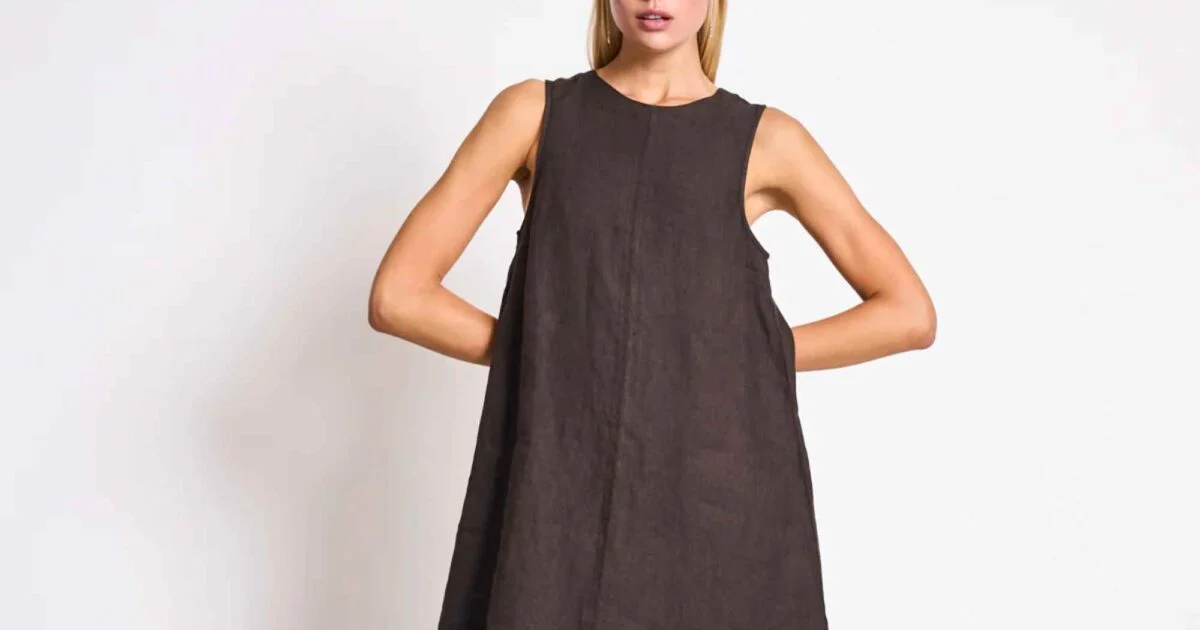
- Linen: Derived from the flax plant, linen is celebrated for its exceptional breathability, strength, and moisture-wicking properties. Its hollow fibers allow air to circulate freely, making it feel cool to the touch and quick to dry. Environmentally, linen is a champion: flax requires significantly less water and fewer pesticides than conventional cotton, thrives in poorer soils, and is naturally biodegradable when not treated with harsh chemicals or synthetic dyes. Historically, linen has been a staple in warm climates for millennia, a testament to its enduring suitability. Brands such as JAN ‘N JUNE integrate organic linen into their minimalist collections, offering stylish yet sustainable options for daily wear.
- Hemp: Often lauded as a "miracle fiber," hemp shares many of linen’s advantages and more. It is incredibly durable, highly breathable, and naturally resistant to UV light and microbial growth, making it ideal for active or extended wear in the sun. From an ecological perspective, industrial hemp requires minimal water, no pesticides, and grows rapidly, enriching the soil it grows in. Its cultivation can even sequester carbon, contributing to climate mitigation efforts. The versatility of hemp allows for its use in various garments, from casual wear to more structured pieces. SUI, an Indian label, frequently incorporates natural fibers, including hemp blends, in its artisanal womenswear, showcasing the aesthetic potential of this sustainable material.
Innovative Cellulose Fibers: Modern Solutions
- TENCEL Lyocell: A branded lyocell fiber produced by Lenzing, TENCEL Lyocell represents a significant leap in sustainable textile innovation. It is made from sustainably sourced wood pulp (typically eucalyptus) through a closed-loop process where up to 99% of the solvents and water used are recovered and reused. This minimizes waste and pollution. TENCEL Lyocell fibers are known for their exceptional softness, silky drape, and excellent moisture management properties, making them highly breathable and comfortable in humid, hot conditions. Their smooth surface also inhibits bacterial growth, contributing to freshness.
- Organic Cotton: While conventional cotton is notoriously water-intensive and reliant on pesticides, organic cotton presents a more sustainable alternative. Grown without genetically modified seeds, synthetic pesticides, or fertilizers, organic cotton cultivation significantly reduces water pollution, conserves biodiversity, and uses less water overall. It retains cotton’s inherent breathability and softness, making it a comfortable choice for hot weather. Brands like CARPASUS prioritize GOTS-certified organic cotton for their menswear, ensuring both comfort and a reduced environmental footprint in their fine shirts and accessories.
Reimagining Activewear: Performance Without Plastic
The rise of athleisure has popularized synthetic activewear, primarily made from polyester, nylon, and spandex. While these materials offer stretch and quick-drying properties, they come with significant environmental drawbacks, particularly in hot weather contexts.
The Problem with Synthetics:
Polyester and other synthetic fabrics are essentially plastics. When washed, they shed microscopic plastic fibers, known as microplastics, which enter waterways and eventually the oceans. These microplastics pose a severe threat to marine life, entering the food chain and accumulating in ecosystems. Moreover, synthetics are generally less breathable than natural fibers, trapping heat and moisture against the skin, leading to discomfort and increased sweating in hot conditions. This creates a paradox: activewear designed for performance often hinders natural cooling and contributes to environmental pollution.
Sustainable Alternatives:
A new generation of activewear brands is pioneering plastic-free alternatives that offer performance without compromising the planet.
- Bamboo-Viscose: When processed responsibly, bamboo-viscose offers a luxurious softness, excellent moisture-wicking capabilities, and natural antibacterial properties, making it an ideal choice for activewear. Bamboo is a fast-growing, regenerative resource that requires little water or pesticides. However, consumers should look for certifications like OEKO-TEX or FSC to ensure the bamboo is sourced sustainably and processed with minimal environmental impact. BAM (Bamboo Clothing) is a UK-based brand that has built its entire collection on bamboo fabrics, earning high ratings for its commitment to people, the planet, and animals, even offering clothing recycling.
- TENCEL Lyocell: As discussed earlier, TENCEL Lyocell’s breathability, moisture management, and smooth surface also make it an excellent choice for activewear, providing comfort and performance without the microplastic shedding associated with synthetic counterparts. Tripulse, a Swedish activewear brand, is dedicated to creating high-performing activewear that uses innovative plastic-free materials, aligning with the growing demand for truly sustainable athletic wear.
Essential Sun Protection: Shielding Ourselves and the Environment
Beyond clothing, effective sun protection is crucial during heatwaves, and here too, sustainable choices can make a difference.
Hats for Head and Neck Protection:
A wide-brimmed hat is an indispensable accessory for blocking out harsh UV rays and preventing heatstroke. The same principles for clothing materials apply: opt for hats made from organic linen, hemp, or recycled/organic cotton. These materials are breathable, lightweight, and have a significantly lower environmental footprint than synthetic alternatives. A well-chosen hat provides immediate relief from direct sun exposure and reduces the body’s overall heat load. tentree, a Canadian brand known for its commitment to planting ten trees for every item sold, offers a range of apparel made with Earth-first materials, implicitly extending to accessories like hats made from recycled and lower-impact fabrics.
Sustainable Sunglasses for Eye Health:
Sunglasses are not just a style statement; they are vital for protecting the eyes from harmful UV radiation. The traditional eyewear industry often relies on petroleum-based plastics. However, more responsible brands are now utilizing innovative materials for frames, including recycled plastic, bamboo, wood, and bio-acetate. Bio-acetate, derived from renewable resources like wood pulp and cotton fibers, offers a biodegradable alternative to conventional plastics. By choosing sunglasses made from these materials, consumers can protect their vision while minimizing their contribution to plastic waste.
Conscious Suncare: Protecting Skin and Oceans
The protection of skin from UV radiation is paramount, but the choice of sunscreen can have profound environmental implications, particularly for aquatic ecosystems.
The Hidden Dangers of Conventional Sunscreens:
Many conventional sunscreens contain chemical UV filters such as oxybenzone and octinoxate, which have been identified as significant pollutants. Research indicates these chemicals can cause coral bleaching, damage coral DNA, and disrupt the reproductive cycles of marine organisms. Furthermore, some formulations use "nano" particles of zinc oxide and titanium dioxide, which, despite being mineral-based, can be ingested by marine life and potentially impact their health, though the evidence on nano-toxicity in marine environments is still evolving.
What to Look For: Eco-Friendly Formulations:
To mitigate these risks, consumers should seek sunscreens that are:
- Mineral-based (non-nano): Opt for sunscreens using non-nano zinc oxide and non-nano titanium dioxide as active ingredients. These create a physical barrier on the skin and are generally considered safer for marine life.
- "Reef-Safe" Certified: Look for certifications that specifically indicate a product is free from oxybenzone, octinoxate, and other harmful chemicals.
- Biodegradable: Choose formulas designed to break down naturally without leaving harmful residues.
- Free from Microplastics: Avoid products containing plastic microbeads or other plastic-derived ingredients.
Brands like Odylique prioritize natural and organic ingredients, offering vegan beauty products that are certified to Soil Association’s organic standards, ensuring their suncare options are gentle on both sensitive skin and the environment.
Sustainable Swimwear: Diving into Responsible Choices
Taking a dip is one of the most effective ways to cool off during a heatwave, but swimwear production presents unique sustainability challenges due to the functional demands for stretch, durability, and quick-drying properties. Most swimwear is made from virgin synthetics like nylon and spandex.
The Challenge and Innovative Solutions:
The dominance of virgin synthetics means that swimwear contributes to the plastic pollution crisis. However, the industry is seeing a shift towards more sustainable alternatives:
- ECONYL: This innovative material is a regenerated nylon made from pre- and post-consumer waste, including discarded fishing nets, fabric scraps, and industrial plastic. Through a closed-loop regeneration process, ECONYL yarn can be recycled, recreated, and remoulded infinitely without losing its quality. This significantly reduces the need for virgin fossil resources and helps clean up ocean waste.
- Hemp: As previously discussed, hemp’s natural properties—antimicrobial, UV resistant, and durable—make it an excellent candidate for swimwear. When blended with a small percentage of natural rubber or plant-based elastane, it can offer the necessary stretch while maintaining a high degree of sustainability. Natasha Tonic exemplifies this approach, creating swimwear fabric based around natural hemp fiber, with each piece hand-printed for uniqueness and a reduced environmental footprint.
- Responsibly Sourced Fabrics: Brands like ColieCo focus on handmade-to-order lingerie and swimwear, exclusively using lower-impact and responsibly sourced fabrics, showcasing how careful material selection and production methods can create more sustainable swimwear.
Beyond Materials: Holistic Sustainable Practices
While material choice is crucial, true sustainability in fashion extends to the entire lifecycle of a garment and the broader practices of a brand. Ethical production, ensuring fair wages and safe working conditions for garment workers, is non-negotiable. Furthermore, embracing circular economy principles—designing for durability, promoting repair and reuse, and establishing effective recycling programs—is vital to minimize waste and resource depletion.
Consumers play a pivotal role in this ecosystem. By prioritizing brands that demonstrate transparency, use certified sustainable materials, and uphold ethical labor practices, they can drive demand for a more responsible fashion industry. Resources like the Good On You directory empower consumers to make informed decisions by providing comprehensive ratings of fashion and beauty brands’ impact on people, the planet, and animals.
Conclusion: A Cooler Future Through Conscious Choices
As heatwaves intensify and become a defining feature of our warming climate, the imperative to dress for comfort and safety converges with the urgent need for environmental responsibility. The good news is that sustainable and ethical options abound, offering a path towards a cooler future, both literally and figuratively. By opting for breathable natural fibers like linen and hemp, embracing innovative materials like TENCEL Lyocell and ECONYL, choosing eco-friendly sun protection, and supporting brands committed to transparency and ethical production, individuals can make a tangible difference. Every conscious choice, from the fabric of a shirt to the ingredients in sunscreen, contributes to mitigating the climate crisis and fostering a more sustainable, resilient world.