






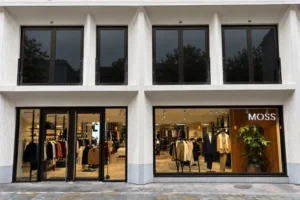


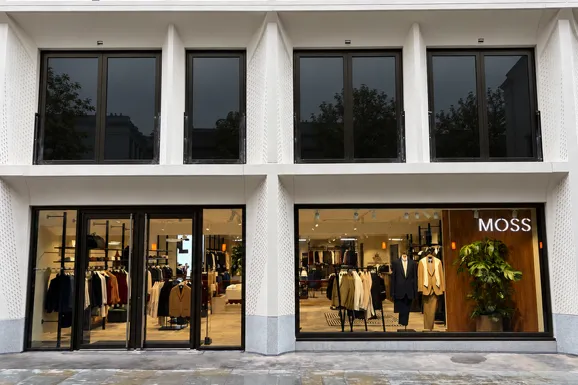
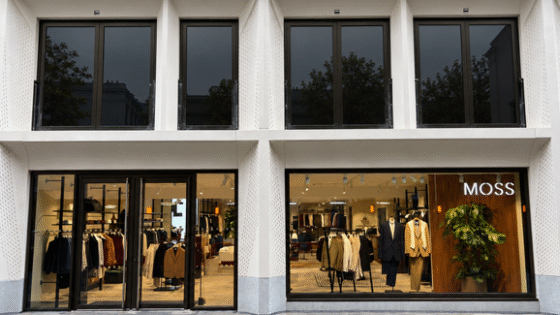
The project, which saw the retail footprint grow from 2,059 square feet to a more spacious 2,277 square feet, represents a deliberate investment in the physical retail experience at a time when many legacy brands are re-evaluating their brick-and-mortar strategies. By increasing the available space by over 10%, Moss aims to provide a more immersive environment for its clientele, focusing on high-touch service and a premium product presentation.
A Legacy Brand in Transition
To understand the significance of the Jermyn Street relaunch, one must consider the 174-year history of Moss. Founded in 1851, the company has survived multiple shifts in fashion, economic downturns, and the digital disruption of the 21st century. Historically known as a formalwear and suit-hire specialist, the brand—formerly known as Moss Bros—has spent the last several years shedding its reputation as a purely functional provider of wedding and event attire to become a comprehensive lifestyle brand for the modern man.
The rebranding to simply "Moss" in recent years was more than a cosmetic change; it signaled a pivot toward contemporary styling, everyday tailoring, and a more versatile approach to menswear. The Jermyn Street store is a primary vehicle for this new vision. Positioned in a street synonymous with high-end British shirtmaking and traditional tailoring, the store serves as a bridge between the company’s storied past and its ambitious future.
Chronology of Expansion and Renewal
The renovation of the Jermyn Street location is not an isolated event but a milestone in a broader multi-year strategy. The company’s recent store portfolio management has been characterized by a blend of consolidation and elevation.
- 2022: The original store at 103-105 Jermyn Street is opened, marking a significant entry into the prestigious St James’s retail corridor.
- November 2025: Moss demonstrates its commitment to high-visibility locations by opening a major new flagship in the Broadgate Central shopping centre, situated in the heart of London’s Square Mile.
- October 2026: The company completes the "hugely ambitious" refurbishment of the Jermyn Street site, increasing the square footage and introducing a dedicated "Custom Made" service zone.
- Late 2026: The retailer announces plans to roll out three additional store refits before the end of the calendar year, indicating an accelerated pace of investment in the physical estate.
This timeline reflects a retailer that is confident in the viability of premium, high-street physical retail, even as e-commerce remains a dominant force in the global fashion industry.
Enhancing the Customer Journey: The Custom Made Service
A central feature of the revamped Jermyn Street flagship is the renewed emphasis on the "Custom Made" service. As mass-market retail becomes increasingly commoditized, Moss is attempting to capture the middle market by offering personalized suiting experiences that were once the exclusive domain of luxury tailors.
The updated service includes access to trained style experts who guide customers through the selection of fabrics, cuts, and bespoke details. This service is designed to be accessible for a variety of occasions, ranging from weddings and professional corporate wear to more casual, elevated daily attire. By integrating this service into a flagship store, Moss is leveraging its physical presence to provide value-added experiences that cannot be replicated online.
The inclusion of these experts in the store reflects a wider industry trend of "clienteling," where the relationship between the sales associate and the customer is prioritized over simple transactional efficiency. By creating a space where customers feel comfortable spending time to curate their wardrobe, Moss is aiming to increase dwell time and, ultimately, lifetime customer value.
Strategic Implications for the Menswear Market
The decision to expand a store in a prime London location during a period of economic fluctuation is a calculated move. Analysis of the current UK retail landscape suggests that while footfall in secondary locations has struggled to return to pre-pandemic levels, premium hubs like St James’s continue to attract high-value demographics.
For Moss, the strategy is twofold: brand positioning and operational efficiency. By maintaining a presence on Jermyn Street, the company signals to its competitors and its customers that it occupies a space of quality and tradition. Operationally, the larger store allows for a more comprehensive display of the brand’s newer, more casual product lines—such as knitwear and outerwear—which have been vital in diversifying the company’s revenue streams beyond formal tailoring.
Furthermore, the refurbishment acts as a physical manifestation of the brand’s "innovation and quality" commitment. In the retail sector, physical store environments are increasingly being treated as marketing assets. A sleek, modern, and spacious store acts as a billboard for the brand’s aesthetic, helping to attract a younger demographic that may have previously overlooked the retailer.
Official Statements and Brand Philosophy
In addressing the relaunch, the company emphasized that the design changes were not merely aesthetic but rooted in a desire to better serve the evolving needs of their customer base. A representative for the brand stated: "The sleek design and carefully curated product are a testament to the company’s ongoing commitment to innovation and quality, ensuring Moss stays at the forefront of menswear while remaining true to its heritage."
This balance between heritage and innovation is a recurring theme in the company’s recent communications. By honoring the 174-year history of the firm while investing in modern retail architecture and service models, the leadership at Moss is attempting to future-proof the business against the volatility of the fashion cycle.
Future Outlook and Sector Challenges
As Moss moves forward with its plan to refit three additional stores before the end of the year, the company faces the standard challenges of the modern retail sector: rising operating costs, supply chain complexities, and the necessity of maintaining a competitive edge in a saturated market.
However, the success of the Jermyn Street project suggests that the brand is confident in its current trajectory. The investment in physical space is supported by a robust omni-channel strategy, where the website and the store are designed to work in tandem. Customers can research products online, book appointments for the Custom Made service, and finalize their purchases in-store, or vice-versa. This integration is essential for modern retailers seeking to provide a seamless customer experience.
The broader implications of this strategy are significant. If Moss can successfully convert its legacy store portfolio into these modern, experience-led spaces, it could serve as a blueprint for other heritage retailers looking to modernize. The success of the Jermyn Street relaunch will likely be monitored closely by industry analysts as an indicator of whether the "bricks-and-mortar-plus" model—combining physical presence with high-level service—remains a viable path to growth in the coming decade.
In summary, the reopening of the Jermyn Street store is a clear statement of intent from a brand that is determined to remain relevant in a changing world. Through the strategic expansion of its footprint and the refinement of its service offerings, Moss is positioning itself not just as a retailer of suits, but as a destination for modern men’s style. As the retail landscape continues to evolve, the company’s ability to blend its long-standing heritage with these modern advancements will likely be the primary determinant of its success in the years to come. With three more refurbishments slated for the coming months, the industry will be watching to see if this formula continues to deliver the anticipated results.