







In the heart of the Somerset countryside, late May witnessed a wedding that underscored a growing trend in the British wedding industry: the return to home-centered, hyper-local celebrations. Louisa and Josh, who first met as colleagues in 2018, formalised their union in the historic village of North Wootton, followed by a bespoke reception hosted on the grounds of the groom’s family farm. The event, captured by photographer Joshua Gooding, serves as a case study in the logistical and emotional benefits of "at-home" nuptials, emphasizing sustainable sourcing and the integration of personal history into modern matrimonial festivities.
A Chronology of the Celebration
The wedding weekend began with a traditional ceremony at St. Peter’s Church in North Wootton. The venue was selected not only for its aesthetic charm but for its profound genealogical significance; the church holds records of the groom’s family history, including the "banns book" which features entries dating back to 1824 and includes the groom’s grandparents’ marriage in 1959.
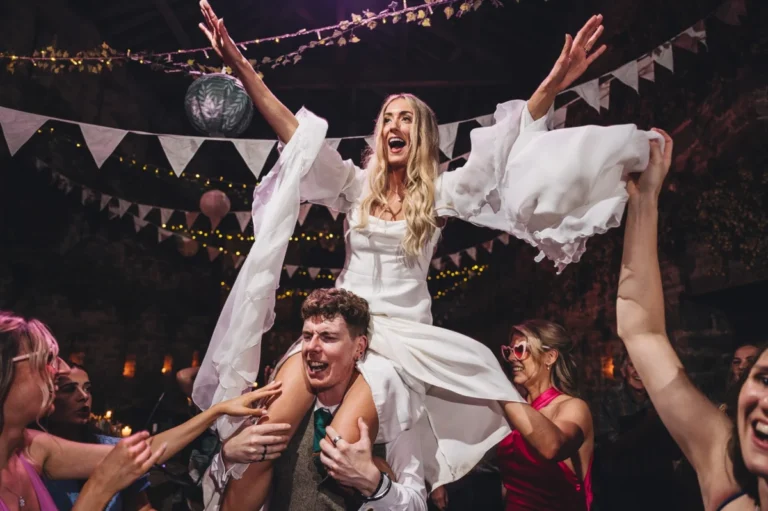
Following the religious ceremony, the bridal party and guests transitioned to the family farm. The reception was hosted under a Cruck Tent—a structure defined by its exposed timber beams—which provided a rustic yet sophisticated atmosphere. The couple prioritized an extended "mingling window" between the ceremony and the evening meal, a strategic decision designed to alleviate the common stress of tight timelines. By lengthening this period, the couple allowed guests to engage with the venue’s amenities, which included a curated selection of sparkling wines, canapés, and a novelty mini-golf course.
The Economics of Hyper-Local Sourcing
A significant aspect of this event was the deliberate effort to utilize Somerset-based suppliers. This approach aligns with broader economic shifts toward supporting local agriculture and small businesses within the wedding sector. By sourcing floral arrangements from Megan Lily Floral Design, catering from The French Kitchen in West Horrington, and printing stationery through St. Andrew’s Press in Wells, the couple significantly reduced the carbon footprint associated with transport while bolstering the regional economy.
The catering highlights included a "cake of cheese" sourced from local suppliers, featuring renowned regional products such as Godminster cheddar from Bruton, White Lake Driftwood goat cheese from Shepton Mallet, and Wookey Cave Aged Cheddar. This practice of using locally produced artisanal goods has become a hallmark of contemporary English country weddings, replacing traditional fruitcakes with products that reflect the culinary heritage of the region.
Aesthetic and Stylistic Choices
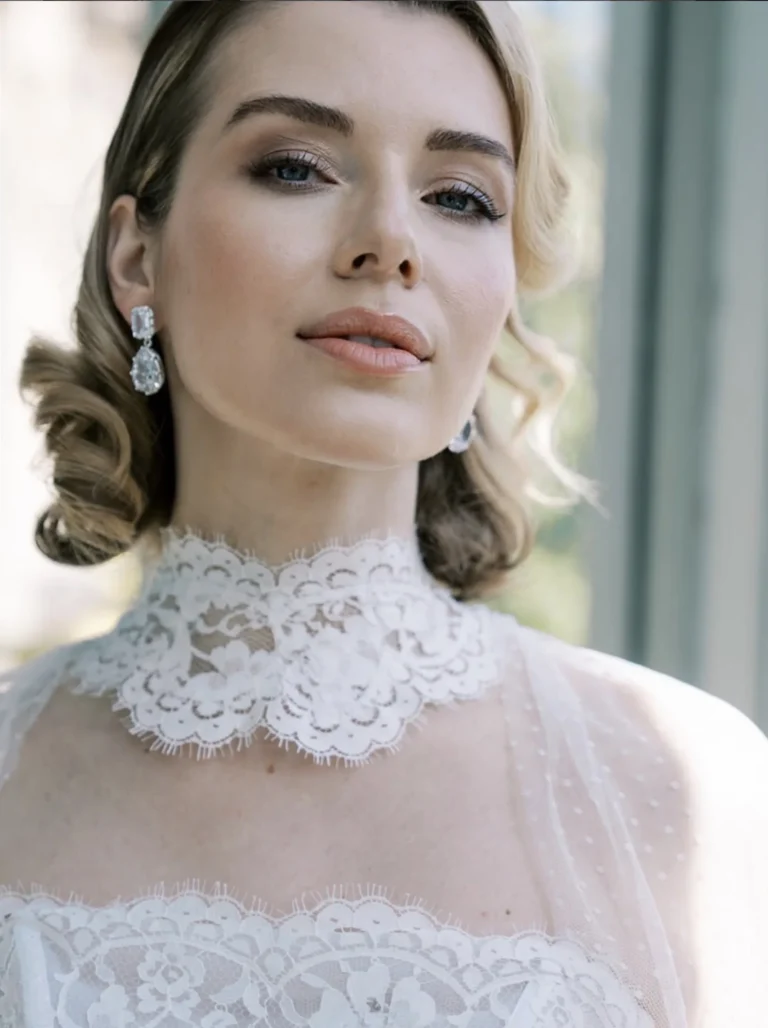
The bride, Louisa, opted for a custom design from Sassi Holford’s Taunton boutique. Her choice, the "Hannah" gown—a halterneck silhouette featuring a prominent bow and cascading fabric—eschewed the traditional veil in favor of a clean, architectural aesthetic. This choice reflects a broader trend toward minimalist bridal fashion that favors sculptural detail over heavy ornamentation.
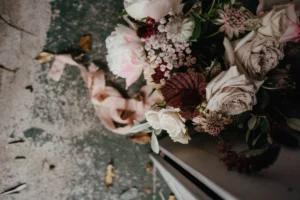
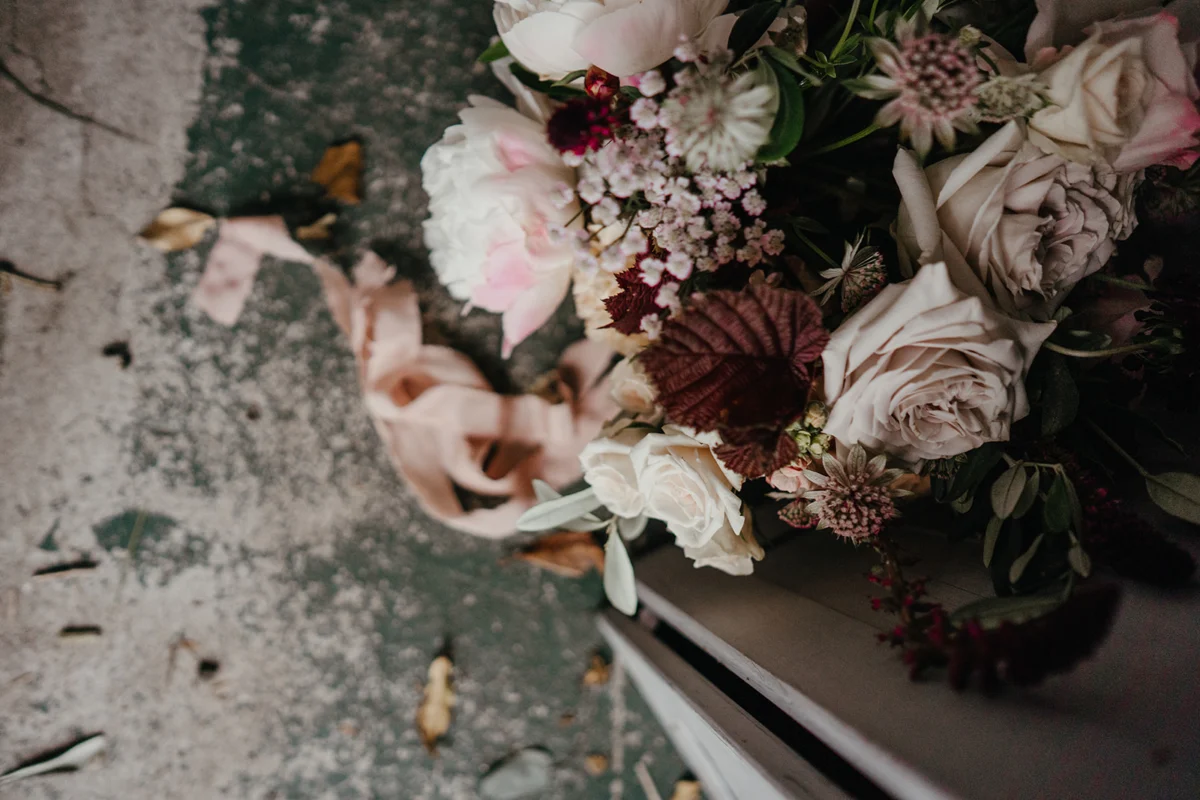
The visual theme was anchored by a spring-inspired pastel palette, executed through floral installations. The centerpiece of the tent was a large-scale floral chandelier suspended above a circular bar. This installation required precise structural planning, as the height and weight of the floral display had to be safely integrated with the wooden beams of the Cruck structure. Megan Lily Floral Design’s approach, which focused on "loose, whimsical" aesthetics rather than rigid, pre-packaged floral arrangements, allowed for a higher degree of personalization that matched the informality of the garden setting.
Historical Context and Personal Narrative
The couple’s engagement in April 2023 at Glastonbury Tor provided the narrative foundation for the event. The couple integrated a hand-sketched illustration of the Tor into their stationery, linking the site of their engagement to the site of their marriage. This practice of "narrative branding" for weddings—where couples use specific geographical or historical symbols to anchor their event—has become increasingly common as couples seek to make their weddings feel distinct from generic commercial templates.
Furthermore, the rings exchanged during the ceremony were pre-owned, with the bride’s 22ct yellow gold band dating back to 1864–1865. The use of antique or vintage jewelry is a growing trend among eco-conscious couples, reflecting a preference for sustainability and historical continuity over the purchase of new, mass-produced items.
Industry Implications
The success of this event highlights the viability of the "at-home" wedding model, which has gained significant traction since 2020. Industry analysts note that these events provide couples with greater autonomy over logistics, allowing for more flexible scheduling and a more authentic representation of the couple’s identity.
However, hosting a wedding on private land requires significant planning. The couple spent several years developing the garden and the farm infrastructure, which suggests that "at-home" weddings are often the result of long-term planning rather than spontaneous choices. The use of specialized tent providers, like Cruck Tent, allows couples to achieve the atmospheric qualities of a traditional venue while retaining the personal significance of a domestic location.
Reflections from the Organizers
When asked for their perspective on the planning process, the couple emphasized the importance of disregarding external pressures. "Don’t do something just because it’s an Instagram trend," was the primary advice offered. This sentiment reflects a maturation in the wedding market, where couples are increasingly rejecting the pressure to conform to social media-driven aesthetics in favor of prioritizing guest experience and personal comfort.
The couple’s decision to involve friends and family in the preparation—from the mother-in-law providing the heirloom ring to a friend of the parents baking the additional fruit cake—demonstrates how communal participation can enhance the emotional value of the event. By involving their social circle, the couple shifted the wedding from a transaction-heavy event to a collaborative project.
Conclusion
Louisa and Josh’s wedding serves as a modern template for a successful, intimate, and locally-rooted celebration. By balancing historical reverence—evidenced by the use of the village church and antique jewelry—with modern logistical strategies and a commitment to local supply chains, the couple achieved a balance between tradition and contemporary values. As the industry continues to evolve, the shift toward these "bespoke" events, which prioritize regional economy and personal history over conventional luxury, is likely to remain a dominant influence in the planning of future celebrations. The event stands as a reminder that the most memorable aspects of a wedding often stem from the thoughtful integration of the couple’s existing environment and relationships.