











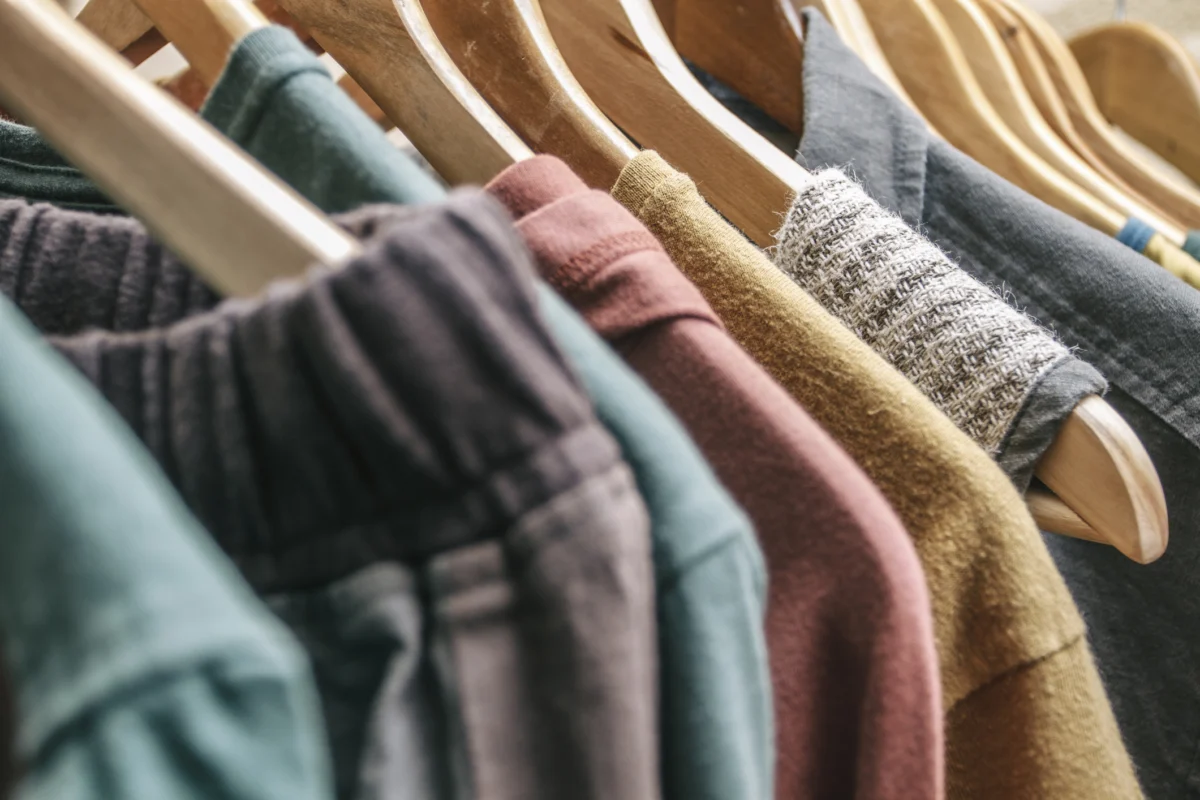
Fleek, a London-based B2B marketplace dedicated to streamlining the global secondhand clothing supply chain, has announced a total capital injection of $20.4 million to accelerate its international expansion and technological development. The funding comprises a $14.8 million Series A round and a previously unannounced $5.6 million seed round. This significant financial backing arrives at a pivotal moment for the resale industry, which has transitioned from a niche, charity-based market into a multi-billion-dollar global powerhouse driven by Gen Z consumer habits and a heightened focus on environmental sustainability. By connecting fragmented wholesalers in emerging markets with tech-savvy retailers in developed economies, Fleek aims to serve as the digital backbone for an industry that has historically relied on manual, offline processes.
The Series A investment was led by HV Capital, with participation from a prestigious roster of venture capital firms including Andreessen Horowitz (a16z), which spearheaded the earlier seed round, and the renowned startup accelerator Y Combinator. The startup’s appeal has also attracted several high-profile individual investors from the technology and fashion sectors, such as Shopify President Harley Finkelstein, former Depop CEO Maria Raga, and Postmates CTO Sean Plaice. This concentration of expertise suggests a strong industry consensus that the next frontier of e-commerce lies not just in consumer-facing platforms, but in the modernization of the underlying wholesale infrastructure.
Bridging the Gap Between Wholesale and Retail in the Circular Economy
The secondhand clothing market, once dominated by local donation bins and brick-and-mortar charity shops, has undergone a radical transformation over the past decade. According to data from GlobalData and ThredUp, used clothing now accounts for approximately 10% of all global apparel sales. In the United Kingdom alone, research from ECDB indicates that 68% of Gen Z and Millennial consumers purchased at least one secondhand item in the last year. However, while the front-end retail experience has been revolutionized by platforms like Vinted, Depop, and Poshmark, the back-end supply chain remained stubbornly analog until recently.
Fleek’s core value proposition addresses this discrepancy. The platform provides an organized, digital marketplace where wholesale suppliers—primarily large-scale warehouses in Pakistan, India, and Dubai—can list their inventory for thousands of retail resellers worldwide. To date, Fleek has facilitated the movement of over 2.5 million items of secondhand clothing, serving a network of 10,000 resellers across 70 countries. By onboarding 1,000 wholesale suppliers, the startup has effectively created a centralized hub for an industry that was previously characterized by opaque pricing, inconsistent quality, and geographical barriers.
Origins of Fleek: Solving a Fragmented Supply Chain Crisis
The inspiration for Fleek was born out of the logistical disruptions caused by the COVID-19 pandemic. Founded in 2021 by Abhi Arora and Sanket Agarwal, the startup’s mission was triggered by a specific grievance from Agarwal’s family network. At the height of the pandemic, a relative who operated as a high-volume seller on Poshmark expressed frustration over the inability to source consistent stock due to international travel restrictions and the closure of traditional wholesale hubs.
Simultaneously, Arora, an MBA graduate from the University of Cambridge, began investigating the vintage fashion ecosystem in London’s Brick Lane, a global epicenter for secondhand trade. Conversations with shop managers revealed a primitive sourcing model: retailers were often forced to travel thousands of miles to visit wholesalers in person. This process, colloquially described as "heads down, bums up," involved retailers manually sorting through massive piles of clothing in dusty warehouses to find high-quality "diamonds in the rough."
As travel became impossible during lockdowns, a small subset of wholesalers began utilizing Instagram and video calls to showcase their goods. While this was a step toward digitalization, it lacked the security, consistency, and scalability required for professional commerce. Arora and Agarwal, the latter a former software engineer at Google, recognized an opportunity to build a dedicated platform that could standardize these transactions, provide secure payment processing, and introduce a level of transparency previously unseen in the sector.
The Logistics of Scale: South Asia as the Engine of Global Resale
A critical factor in Fleek’s success is the founders’ deep cultural and linguistic ties to the Indian subcontinent. India and Pakistan are among the world’s largest importers and exporters of used textiles. Cities like Panipat in India have long been known as the "cast-off capital" of the world, where mountains of Western clothing are sorted, recycled, or resold.
During a recent visit to suppliers in the region, Arora and Agarwal noted that major wholesalers can process up to 400,000 kilograms of clothing in a single day. This process involves receiving massive bales of unsorted donations, which are then mended, cleaned, and categorized. Fleek’s platform brings order to this chaos by allowing buyers to purchase inventory by weight, brand, style, size, or material. This level of granular filtering enables a vintage shop owner in London or a TikTok reseller in Los Angeles to source specific "Y2K" or "90s streetwear" items with a few clicks, bypassing the need for expensive and carbon-intensive international travel.
Strategic Investment and the Backing of Industry Heavyweights
The involvement of HV Capital and Andreessen Horowitz underscores the perceived scalability of Fleek’s business model. HV Capital, known for its investments in Zalando and HelloFresh, brings significant expertise in European e-commerce and logistics. Meanwhile, a16z’s continued support highlights the Silicon Valley firm’s interest in platforms that use technology to solve "real-world" physical supply chain problems.
The addition of Harley Finkelstein and Maria Raga as individual backers provides Fleek with direct access to the leadership of the companies that define modern retail. Shopify’s Finkelstein understands the needs of independent entrepreneurs, while Raga’s tenure at Depop provides invaluable insight into the aesthetic and social trends that drive the secondhand market. These partnerships are expected to help Fleek refine its user experience and expand its reach among the growing demographic of "solopreneurs" who make a living through clothing resale.
Technological Innovation: AI, Predictive Analytics, and Anti-Counterfeiting
With the new funding, Fleek intends to transition from a simple marketplace into a comprehensive technology suite for the circular economy. One of the primary areas of focus is the development of predictive analytics. By analyzing purchasing patterns and social media trends, Fleek aims to help wholesalers and retailers forecast which styles will be in high demand six to twelve months in advance. Given that vintage fashion often operates on a 20-to-40-year cycle, data-driven insights can significantly reduce the risk of unsold inventory.
Furthermore, the company is investing in artificial intelligence to address the industry’s most persistent challenge: counterfeiting. As the value of certain vintage items—such as rare Levi’s denim or luxury designer pieces—skyrockets, the market has been flooded with high-quality replicas. Fleek plans to deploy AI-powered visual recognition tools to assist in quality control and authentication, providing a layer of trust that is currently missing from many peer-to-peer transactions.
Logistics also remain a priority. The startup is working on features to automate shipping and customs documentation, which are often the biggest hurdles for small retailers buying from international wholesalers. By integrating logistics directly into the platform, Fleek can offer faster turnaround times and more reliable tracking, further narrowing the gap between the secondhand and "new" retail experiences.
Economic and Environmental Implications of the Digital Wholesale Model
The broader implications of Fleek’s growth extend beyond corporate profits. The fashion industry is frequently cited as the world’s second-most polluting sector, contributing significantly to landfill waste and carbon emissions. By making the secondhand supply chain more efficient, Fleek supports the "circular economy," which seeks to extend the lifecycle of existing products rather than producing new ones. Studies suggest that buying a used garment instead of a new one can reduce its carbon footprint by as much as 80%.
Economically, Fleek is empowering a new generation of entrepreneurs. The platform lowers the barrier to entry for small businesses by providing them with the same sourcing power as major retail chains. This democratization of the supply chain is particularly impactful in developing nations, where the secondhand clothing trade provides a livelihood for millions of workers in sorting and processing facilities.
As Fleek continues to scale, it faces challenges including fluctuating international trade regulations and the inherent variability of secondhand goods. However, its successful Series A round suggests that the investment community sees the startup as a vital link in the future of global fashion. By combining the scale of South Asian wholesale operations with the sophistication of London’s tech ecosystem, Fleek is positioned to transform the "heads down, bums up" tradition of thrifting into a high-tech, data-driven global industry.