





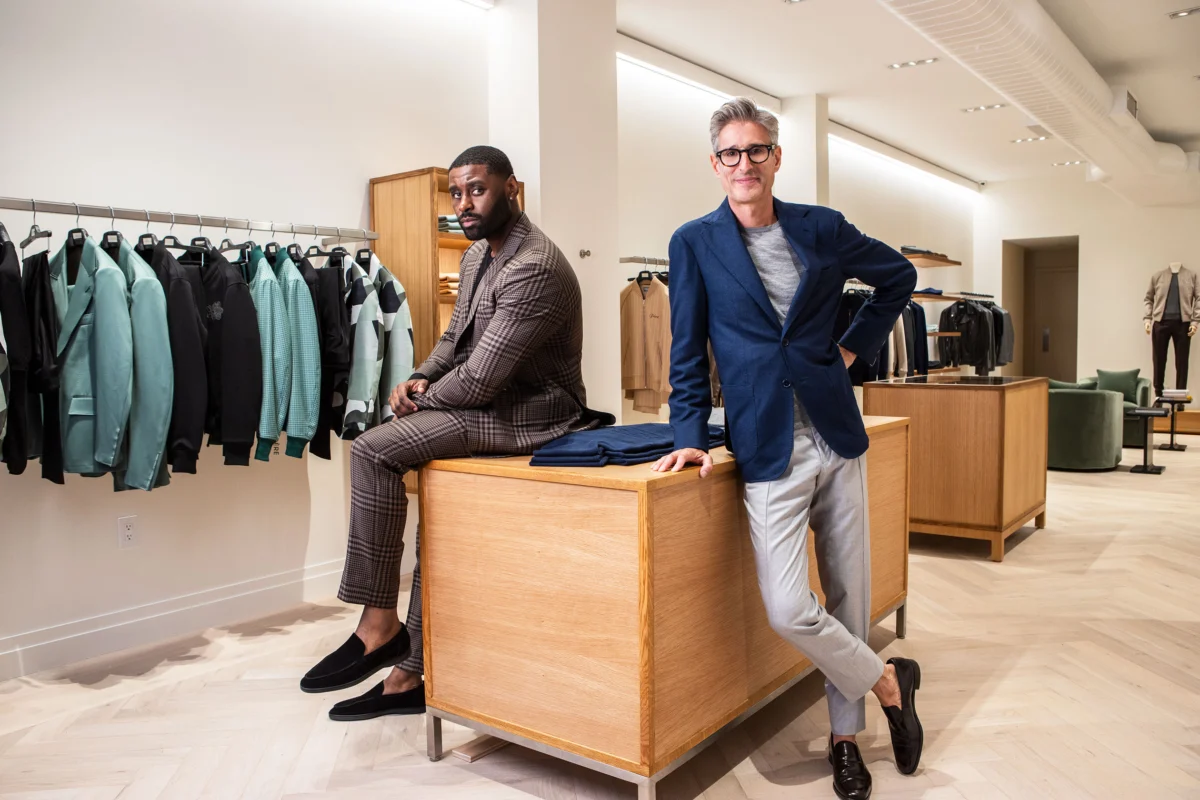
The landscape of executive fashion is undergoing a radical transformation as the traditional "tech bro" aesthetic of hoodies and fleece vests gives way to a more refined, high-end movement known as "quiet luxury." At the center of this shift is Frère, a bespoke and ready-to-wear luxury brand that has successfully captured the attention of the world’s most influential leaders in technology, finance, and entertainment. Founded by Davidson Petit-Frère and François Kress, the brand recently marked a significant milestone with the opening of its first physical flagship store in New York City’s prestigious SoHo neighborhood. This move signals a strategic play to solidify the brand’s presence in the physical retail space before expanding its digital footprint.
The brand, which officially launched in its current iteration in March 2024, has rapidly ascended the ranks of luxury fashion by catering to a specific demographic: the high-net-worth individual who seeks "understated excellence." Frère’s clientele reads like a Who’s Who of global power, including Apple CEO Tim Cook, hip-hop mogul and entrepreneur Jay-Z, and Coinbase co-founder Fred Ehrsam. The brand’s aesthetic—characterized by neutral tones, impeccable tailoring, and premium materials—aligns with the "quiet luxury" trend popularized on social media and reflected in the wardrobes of the billionaire class. With price points including $3,490 for wool knit tracksuits and $5,990 for cashmere overcoats, Frère is positioning itself alongside heritage houses like Loro Piana and Brunello Cucinelli.
The Architectural Foundation of a Modern Luxury Powerhouse
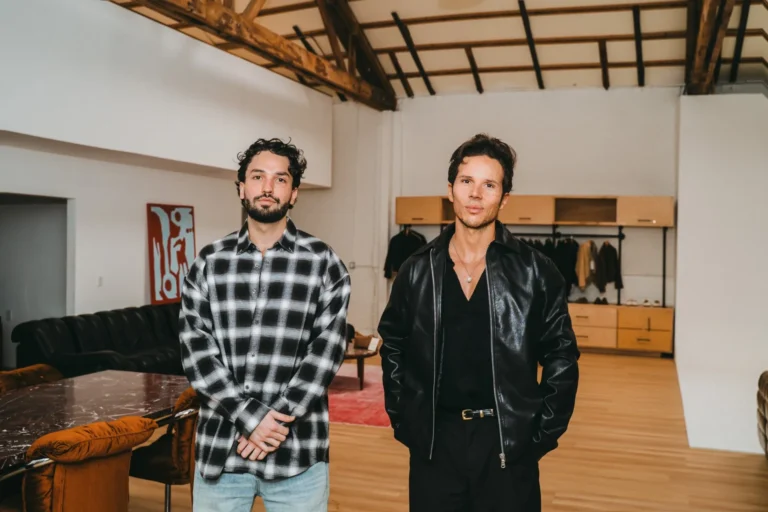
The success of Frère is rooted in the complementary backgrounds of its founders. Davidson Petit-Frère, the brand’s creative director, followed an unconventional path into the fashion industry. Originally a professional in luxury real estate, Petit-Frère utilized his networking skills and personal style to transition into tailoring. He first gained prominence through internships and the subsequent launch of Musika Frère, a brand that became a staple for athletes and entertainers, including Beyoncé and Stephen Curry. His design philosophy is deeply influenced by his Haitian heritage, which he blends with classic European tailoring techniques to create a look that is both culturally relevant and timeless.
François Kress, who serves as the CEO of Frère, provides the corporate expertise necessary to scale a global luxury brand. Kress is a veteran of the luxury sector, having held some of the most prestigious roles in the industry. His resume includes serving as the president of Fendi in North and South America, CEO and managing director of Bulgari in the same region, and president and CEO of Prada Group for the United States. The partnership between Petit-Frère’s creative vision and Kress’s operational mastery allowed the duo to rethink the traditional menswear narrative. According to Kress, the goal was to focus on elements that transcend seasonal trends: craftsmanship, elegance, and the tactile experience of high-end materials.
The Strategic Shift: From Patagonia Vests to Bespoke Cashmere
For decades, the "Silicon Valley uniform" was defined by a utilitarian lack of interest in fashion. The trope of the tech executive in a branded hoodie, jeans, and Allbirds sneakers became a symbol of a culture that prioritized disruption over decorum. However, as the tech industry has matured and its leaders have become the wealthiest individuals on the planet, their sartorial choices have evolved. This evolution has moved through several distinct phases:
- The Functional Era (1990s–2010s): Defined by Steve Jobs’ Issey Miyake turtlenecks and Mark Zuckerberg’s identical gray T-shirts, this era prioritized "decision fatigue" reduction.
- The "Midtown Uniform" Era (2010s–2020): The rise of the Patagonia vest and button-down shirt, signaling a blend of corporate identity and casual comfort.
- The Refined Luxury Era (2020–Present): A shift toward custom-fitted, unbranded luxury items. This is where Frère operates, providing tech leaders with clothes that signal status through quality rather than logos.
As Mark Zuckerberg and Jeff Bezos have recently made headlines for experimenting with bolder fashion choices—including gold chains and designer prints—the broader tech executive class has moved toward the "quiet luxury" represented by Frère. This style allows leaders to stand out subtly, maintaining a professional demeanor while signaling a sophisticated appreciation for artistry and craftsmanship.
Capital and Confidence: The Investment Landscape
Frère’s rapid growth is supported by a robust group of investors from the worlds of venture capital, finance, and entertainment. The company is currently in the process of raising a seed round to fuel its expansion. The lead investor is Robert Nelsen, a prominent angel investor and the co-founder and managing director of ARCH Venture Partners. While Nelsen is typically known for his high-stakes investments in the biotechnology sector, his backing of Frère highlights the brand’s appeal to the "innovation class."
Nelsen’s investment is joined by other significant figures, including Robert Hamwee of New Mountain Capital and Shawn "Jay-Z" Carter. The involvement of Jay-Z, who has a storied history of turning luxury brands into cultural icons, provides Frère with a level of cultural capital that few new labels can claim. The funding raised thus far has been instrumental in hiring a dedicated design team, developing the initial ready-to-wear collections, and securing the prime retail location in SoHo.

Nelsen noted that the brand’s appeal lies in its ability to offer something personal yet professional. For tech founders and venture capitalists, whose lives often blur the lines between high-stakes boardrooms and casual networking, Frère offers a versatile wardrobe that reflects their trajectory and status.
The SoHo Flagship and the Importance of Physical Retail
In an era where many direct-to-consumer brands are moving exclusively online, Frère has taken a counter-intuitive approach by prioritizing a physical flagship store before launching its e-commerce platform. The SoHo boutique serves as an immersive environment where customers can experience the brand’s story firsthand.
For luxury fashion, the physical touchpoint remains a critical component of the consumer journey. The fit of a $6,000 coat or the texture of a high-gauge wool knit cannot be fully communicated through a digital screen. Kress and Petit-Frère emphasize that luxury is defined by the "experience" of the product—the way it drapes, the weight of the fabric, and the precision of the alterations.
The SoHo store is designed to be more than just a retail space; it is a clubhouse for the brand’s elite clientele. By establishing a physical presence in one of the world’s fashion capitals, Frère is building brand equity and fostering deep relationships with its "early adopters." The brand’s e-commerce site is scheduled to launch later this month, which will allow Frère to scale its reach globally while maintaining the exclusive aura established by the New York flagship.
Chronology of the Brand’s Ascent
- Pre-2024: Davidson Petit-Frère builds a reputation through Musika Frère, dressing high-profile celebrities and athletes in bespoke suits.
- Late 2023: Petit-Frère and François Kress collaborate to envision a new brand that merges heritage tailoring with a modern, tech-forward aesthetic.
- March 2024: Frère officially launches as a bespoke and ready-to-wear brand.
- Mid-2024: The brand secures seed funding led by Robert Nelsen, with participation from Jay-Z and other tech and finance leaders.
- December 2024: Frère opens its first flagship store in SoHo, New York.
- Late December 2024: Planned launch of the brand’s official e-commerce platform.
Broader Implications for the Fashion and Tech Industries
The emergence of Frère as a preferred brand for tech titans suggests a narrowing gap between the cultures of Silicon Valley and the traditional luxury centers of Europe and New York. As technology becomes the dominant force in the global economy, its leaders are increasingly adopting the visual language of established power.
Furthermore, Frère’s success highlights a growing demand for "stealth wealth" attire. In an age of economic transparency and social media scrutiny, many of the world’s wealthiest individuals are moving away from ostentatious displays of brand logos in favor of high-quality, anonymous luxury. This trend is a boon for brands that prioritize material science and tailoring over marketing gimmicks.
From an industry perspective, Frère represents a successful model of "creative-meets-corporate" partnership. By pairing a designer who understands cultural zeitgeist with a CEO who understands luxury infrastructure, the brand has bypassed many of the growing pains typically associated with fashion startups.
As Frère prepares to launch its digital storefront, the industry will be watching closely to see if the brand can translate its high-touch, bespoke experience into a scalable online business. If its current momentum and the caliber of its backers are any indication, Frère is well on its way to becoming the definitive wardrobe for the modern global leader.