







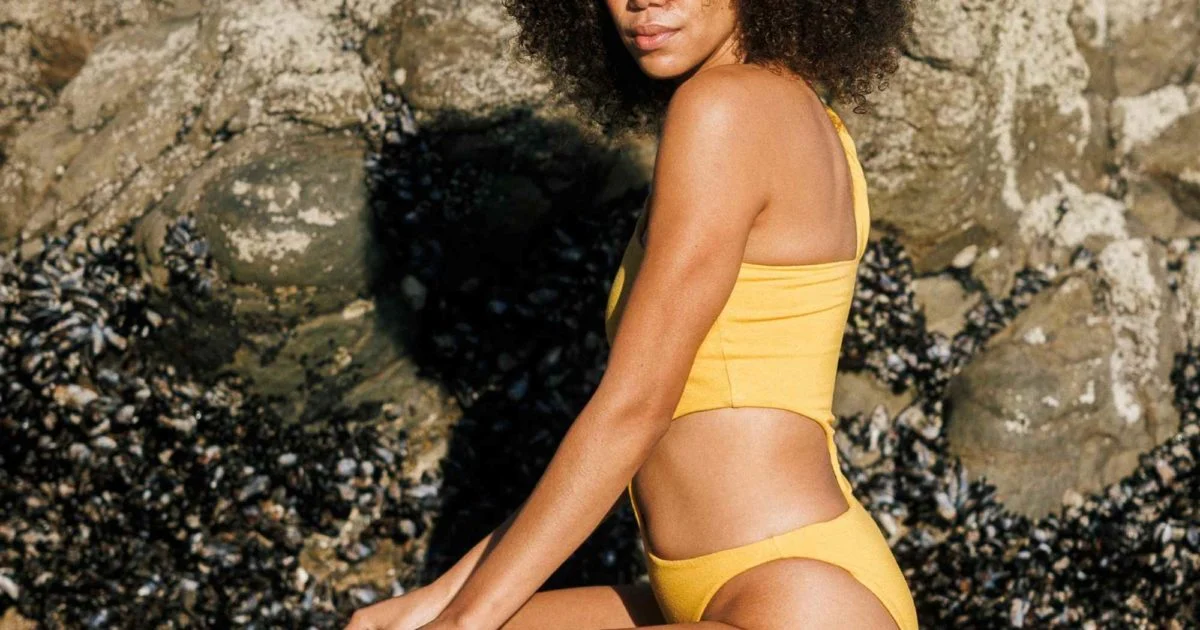
In an era defined by increasing environmental consciousness, the fashion industry is undergoing a profound transformation, with consumers and brands alike seeking more responsible alternatives to traditional production methods. This shift is particularly evident in the swimwear sector, where the demand for eco-friendly and ethically produced garments is rapidly reshaping purchasing habits. Good On You, a leading authority in brand sustainability ratings, has curated a definitive list of "Good" and "Great" rated swimwear brands from across the globe, offering consumers a guide to making informed choices that support both personal style and planetary health. This comprehensive review delves into the critical need for sustainable swimwear, explores the innovative materials and practices employed by pioneering brands, and examines the broader implications for the future of fashion.
The Environmental Imperative: Understanding Swimwear’s Impact
Conventional swimwear has long presented a significant environmental challenge. The vast majority of swimsuits are crafted from synthetic materials such as virgin nylon, polyester, and spandex. While these fabrics offer desirable properties like elasticity, quick-drying capabilities, and resistance to chlorine and saltwater, their environmental footprint is substantial and concerning. Derived from petroleum, these plastic-based materials are non-biodegradable, contributing to plastic pollution that can persist for centuries in landfills and natural environments.
Beyond their origin, the lifecycle of synthetic swimwear poses further ecological threats. A major concern is the release of microfibres during washing. Each laundry cycle can shed thousands of tiny plastic particles, which bypass wastewater treatment plants and enter rivers, lakes, and oceans. These microfibres are then ingested by marine life, entering the food chain and potentially impacting human health. Research by organizations like the Plastic Soup Foundation highlights that synthetic textiles are a primary source of microplastic pollution, with swimwear being a significant contributor due to its frequent washing and exposure to harsh elements that can degrade fibers faster. The cumulative effect of these microfibres is a growing global crisis, threatening biodiversity and ecosystem stability.
The rapid cycles of fast fashion exacerbate this issue, encouraging consumers to purchase new, trendy swimwear annually, leading to vast amounts of waste. This cycle not only depletes virgin resources but also overloads waste management systems, perpetuating a linear economy model that is unsustainable in the long term.
A Chronology of Change: The Evolution of Sustainable Materials
Recognizing these profound challenges, a growing number of brands have committed to pioneering more sustainable practices. The evolution of eco-friendly swimwear materials has been a critical development in this shift. Initially, brands explored recycled polyester, often derived from post-consumer plastic bottles. This offered a dual benefit: diverting waste from landfills and reducing the demand for new petroleum-based plastics.
A significant breakthrough came with the advent of ECONYL, a regenerated nylon made from pre- and post-consumer waste, including discarded fishing nets, fabric scraps, carpet flooring, and industrial plastic. This innovative material not only addresses plastic pollution directly by cleaning up oceans but also provides a high-performance fabric that matches the durability and aesthetic qualities of virgin nylon. Its closed-loop production process significantly reduces environmental impact compared to virgin nylon.
Beyond synthetics, there’s a growing interest in natural, lower-impact fibers. Hemp, for instance, is gaining traction. It is a highly sustainable crop requiring minimal water and no pesticides, offering natural antimicrobial and UV-resistant properties, making it an excellent candidate for swimwear when blended with other fibers for stretch. Other innovations include TENCEL™ Lyocell, derived from sustainably managed wood sources, and organic cotton, though their application in swimwear often requires specific treatments or blends to achieve water-resistant and quick-drying properties. The continuous research and development in textile technology signal a promising future for truly circular and regenerative swimwear options.
Supporting Data: The Growing Green Market
The sustainable fashion market is experiencing robust growth, driven by heightened consumer awareness and ethical considerations. According to reports, the global ethical fashion market size was valued at USD 7.5 billion in 2023 and is projected to reach USD 15.1 billion by 2030, growing at a compound annual growth rate (CAGR) of 10.5%. Within this, sustainable swimwear is a burgeoning niche. A 2022 survey indicated that nearly 60% of consumers are willing to pay more for sustainable products, reflecting a powerful market signal that brands can no longer ignore. This data underscores that sustainability is no longer a niche concern but a mainstream expectation, pushing brands to integrate environmental and social responsibility into their core business models. Brands that authentically embrace sustainability are not only meeting consumer demand but also building stronger, more resilient businesses.
Good On You’s Rigorous Assessment: Guiding Ethical Choices
Good On You stands at the forefront of this movement, providing an invaluable service by rating fashion brands based on their impact on People, the Planet, and Animals. Their rigorous methodology involves analyzing publicly available information, certifications, and independent reports, offering consumers a transparent and easily understandable assessment. A "Good" or "Great" rating signifies a brand’s strong commitment to sustainability, often involving significant efforts in using lower-impact materials, implementing fair labor practices, minimizing waste, and demonstrating supply chain transparency. This independent vetting process empowers consumers to make choices aligned with their values, cutting through greenwashing and promoting genuine responsibility within the industry.
A Global Showcase: Pioneering Sustainable Swimwear Brands
Good On You’s curated list highlights brands worldwide that are setting benchmarks in sustainable swimwear. These companies demonstrate that style, comfort, and durability can coexist with environmental and social responsibility.
USA and Canada:
- Natasha Tonic (USA): This brand distinguishes itself with its innovative use of natural hemp fiber for swimwear. Hemp is celebrated for its inherent antimicrobial and UV-resistant properties, offering a healthier choice for both the wearer’s skin and the aquatic environment. Natasha Tonic’s commitment extends to artisanal craftsmanship, with each piece hand-printed, ensuring uniqueness and reducing the environmental impact associated with industrial printing processes. The brand offers sizes XS-XL, proving that sustainable fashion can be inclusive and stylish.
- Patagonia (USA): A legendary outdoor brand, Patagonia has long been a pioneer in corporate social responsibility. Their swimwear exemplifies their holistic approach to sustainability, utilizing recycled polyester derived from plastic bottles to significantly reduce reliance on virgin resources. Patagonia’s dedication extends to fair labor practices across its supply chain and ambitious goals to reduce energy consumption and emissions. Offering a broad size range from 2XS-3XL, Patagonia ensures that adventurers of all sizes can enjoy responsibly made swimwear. Their enduring quality also champions longevity, countering the fast-fashion cycle.
- LONDRÉ (Canada): This Canadian minimalist swimwear brand tackles ocean plastic pollution head-on by crafting its pieces from recycled plastic bottles recovered from the streets and beaches of Taiwan. LONDRÉ further emphasizes resource efficiency by reusing and recycling water in its production processes. Beyond its environmental efforts, the brand actively supports social causes, having donated over $10,000 to women’s health and environmental initiatives like Amazon Watch and the Yellow Hammer Fund, demonstrating a comprehensive commitment to impact. Available in sizes XS-5XL, LONDRÉ promotes body positivity alongside sustainability.
- Outerknown (USA): Co-founded by surf champion Kelly Slater, Outerknown seamlessly blends high-performance style with a deep commitment to environmental protection. The brand is Bluesign certified, guaranteeing adherence to strict environmental and safety standards in its manufacturing. Its partnership with the Fair Labor Association ensures ethical working conditions throughout its supply chain. Outerknown’s swimwear, like its broader collection, is designed for durability and timeless appeal, encouraging consumers to invest in pieces that last. Sizes range from XS-2XL, catering to a diverse active audience.
- Sage Larock (USA): A luxury brand with a conscience, Sage Larock produces timeless swimwear and activewear in-house by a small team in Los Angeles. Their stunning pieces are made from high-quality Italian recycled plastic fabric, known for its longevity and elegant feel. A percentage of profits from each sale directly supports marine conservation non-profits, integrating philanthropy into their business model. Sage Larock’s focus on small-batch, local production minimizes their carbon footprint. The brand offers sizes XS-L, appealing to a discerning clientele.
- Reformation (USA): Based in Los Angeles, Reformation is celebrated for its "killer clothes that don’t kill the environment." Their swimwear collection reflects this ethos, with a focus on responsible materials and ethical production. Reformation is transparent about its supply chain and actively works to ensure a proportion of its suppliers pay a living wage, providing training to improve working conditions. Their commitment to sustainability is woven into their brand identity, making stylish, eco-conscious choices accessible. The brand’s range is available in sizes XS-3XL, catering to a wide customer base.
Australia and New Zealand:
- Spell (Australia): Inspired by bohemian aesthetics and global travels, Spell designs its garments in Byron Bay and produces them responsibly in certified factories globally. Their swimwear incorporates lower-impact materials and adheres to ethical production standards, reflecting their commitment to both craftsmanship and sustainability. Spell’s approach ensures that their unique designs are created with respect for both people and the planet. Most garments are available in sizes 2XS-2XL, offering a range of options.
- peony (Australia): As a luxury swimwear brand, peony consciously crafts its collections from recycled and lower-impact fabrics. The brand ensures ethical labor practices by working with factories certified by Social Accountability International (SA8000), a global standard for social compliance. peony also traces most of its supply chain, demonstrating a commitment to transparency and responsible sourcing. Their swimwear combines sophisticated design with a strong ethical foundation. Sizes are available from XS-XL.
- Oobi (Australia): This Australian brand specializes in fashion, swimwear, and homewares for girls. Oobi prioritizes the health of both children and the planet by using low-impact, non-toxic dyes throughout its range. The brand avoids all animal products and employs sea freight for product transportation, significantly reducing its climate impact compared to air freight. Oobi’s playful and vibrant designs prove that sustainable fashion can be fun and accessible for the younger generation. The brand also offers pre-loved options through platforms like Retykle, promoting circularity.
Europe and the UK:
- ColieCo (Portugal): Based in Portugal, ColieCo creates fun, simple, and striking lingerie, underwear, and swimwear with a core commitment to ethical and sustainable practices. All products are handmade in their in-house studio using exclusively sustainably-sourced fabrics, often incorporating recycled and deadstock materials. ColieCo’s mission is to demonstrate that responsible production can still yield adventurous and affordable designs. Available in sizes 2XS-3XL, they cater to a diverse range of body types.
- NIKIN (Switzerland): This Swiss brand integrates environmental action directly into its business model: a tree is planted for every product purchased. NIKIN’s swimwear reflects its dedication to sustainability, utilizing lower-impact materials and transparent production processes. Their focus on tangible environmental contributions resonates with consumers seeking to make a direct positive impact through their purchases. Products are available in sizes XS-2XL.
- Anekdot (Germany): Handcrafted in Berlin, Anekdot offers sustainable designer underwear, swimwear, and loungewear. Their unique approach involves upcycling materials from production leftovers, deadstock fabrics, and vintage trimmings, creating limited-edition products with a rich story. This circular design model minimizes waste and celebrates resourcefulness, giving new life to forgotten materials. Most products are available in sizes XS-XL.
- CASAGiN (Italy): This Italian brand is dedicated to fostering a more sustainable and conscious lifestyle through its apparel. CASAGiN’s swimwear is crafted with a focus on high-quality, lower-impact materials and responsible production methods. Their designs aim for timelessness and comfort, encouraging consumers to build a wardrobe that lasts and reduces overall consumption. Most items are available in sizes XS-2XL.
- TWOTHIRDS (Spain): With a profound respect for the oceans, TWOTHIRDS designs clothing for environmentally aware individuals who also seek style and substance. The brand minimizes its carbon footprint by manufacturing all products locally within Europe and rigorously audits its final stage of production to ensure ethical standards. Their commitment to protecting marine environments is central to their brand identity. The clothes can be found in sizes XS-L.
- Bluebuck (France): A French menswear label, Bluebuck combines a playful, adventurous spirit with a deep love for nature. Specializing in technical menswear basics and swimwear, the brand focuses on durability and timeless design. Bluebuck produces locally to minimize environmental impact and uses better materials such as GOTS certified organic cotton and recycled marine plastic. This commitment ensures their products are both high-quality and responsibly made. Most items are available in sizes XS-2XL.
- Kampos (Italy): This luxurious Italian brand is driven by a vision for a world with integrity and conscience. Kampos actively raises awareness about over-fishing and marine pollution, offering unique swimwear pieces made from recycled plastic bottles, fishing nets, and other lower-impact organic fabrics. Their elegant designs are matched by a strong ethical mission, positioning them as a leader in sustainable luxury. Most products are available in sizes XS-2XL.
- Underprotection (Denmark): Combining ethics with aesthetics, Underprotection is a Danish brand creating underwear, loungewear, and swimwear from lower-impact materials like organic cotton. All packaging is recycled or biodegradable, and they partner exclusively with certified factories to ensure fair working conditions and wages, which they consider fundamental human rights. Underprotection celebrates women of all kinds, striving to make them feel beautiful and comfortable in responsibly made garments. The full range is available in XS-XL.
- ASKET (Sweden): Since 2015, ASKET has been redefining wardrobe essentials with revolutionary sizing and fair pricing. Their swimwear, like all their products, is part of a permanent collection, rejecting seasonal trends to promote longevity and reduced consumption. By cutting out middlemen and selling directly, ASKET maintains transparency and focuses on building high-quality, timeless pieces with minimal environmental impact. The range is available in sizes 2XS-2XL.
Rest of the World:
- Loop Swim (USA/India/China): Headquartered in Shanghai and founded by women from the US and India, Loop Swim is dedicated to circular design, transforming post-consumer plastic bottles into high-performance REPREVE UP50+ sun protective swimwear for the entire family. Their trendless, high-quality designs are engineered for exceptional shape retention and color vibrancy, promoting product longevity and reducing waste. Loop Swim’s mission is rooted in closing the loop on waste and advocating for a more sustainable future. Most items are available in sizes XS-XL.
- The Summer House (India): This Indian brand creates beautiful women’s wear, including swimwear, using locally made, lower-impact fabrics. The Summer House actively partners with local artisans and NGOs, providing economic opportunities within the region and supporting traditional craftsmanship. Their elegant prints and flowing silhouettes are a testament to their commitment to both aesthetic beauty and social responsibility. The range is available in sizes XS-XL.
- Koraru (Japan): Named after the Japanese pronunciation of ‘coral,’ Tokyo-based Koraru creates swimwear inspired by principles of circularity. The brand utilizes lower-impact materials and offers a recycling program, actively engaging in waste reduction and resource management. Koraru also partially traces its supply chain, demonstrating a commitment to transparency in its production processes. Available in sizes XS-XXL, Koraru brings a unique blend of Japanese design philosophy and environmental consciousness to sustainable swimwear.
Broader Impact and Future Implications
The emergence and success of these sustainable swimwear brands signal a significant shift within the fashion industry. Their innovative approaches to material sourcing, ethical production, and waste reduction are not merely niche trends but foundational changes challenging the prevailing fast-fashion paradigm. However, the journey towards a fully sustainable swimwear industry faces ongoing challenges. Microplastic shedding, even from recycled synthetics, remains an area requiring further innovation in textile technology and washing machine filters. Scaling sustainable production while maintaining quality and affordability is another hurdle.
Nevertheless, the collective efforts of these brands are fostering a new standard of accountability. They demonstrate that consumers do not have to compromise on style or performance to make responsible choices. The increasing transparency and accessibility of information, largely facilitated by platforms like Good On You, empower consumers to become active participants in driving positive change. This growing consumer demand, coupled with increasing regulatory pressure in some regions, will likely compel more mainstream brands to adopt similar sustainable practices, leading to a more ethical, environmentally friendly, and ultimately, healthier fashion ecosystem for all.
Editor’s Note: Feature image via Natasha Tonic, all other images via brands mentioned. Good On You publishes the world’s most comprehensive ratings of fashion brands’ impact on people, the planet, and animals. Use our directory to search thousands of rated brands. We updated this article on 22 May 2025. Our editors frequently make updates to articles to ensure they’re up to date. We refreshed our selection of brands.