








The cyclical nature of the fashion industry has once again brought the aesthetics of the mid-2000s into sharp focus, as London Fashion Week (LFW) Spring/Summer 2027 officially gets underway. Operating on the well-established industry timeline wherein micro-trends and cultural touchstones resurface approximately every twenty years, contemporary designers are currently mining the rich pop culture landscape of 2007. Among the most prominent cultural artifacts experiencing an unexpected yet commanding revival on the runway is the elite teen television drama Gossip Girl. Far from being a subtle nod, the cultural footprint of the show—celebrating its enduring youth-centric appeal and high-society preppy codes—has materialized across multiple high-profile presentations during the opening days of the biannual showcase.
The Convergence of Television and Modern Runway Presentation
The resurgence of the Gossip Girl aesthetic at London Fashion Week is not merely an isolated coincidence, but rather a calculated convergence of nostalgic television iconography and contemporary streetwear-meets-luxury tailoring. The program, which originally premiered in late 2007, defined a specific era of glossy, upper-east-side opulence, private school uniform subversion, and tumultuous adolescent social structures. As the SS27 collections unfold, designers representing various aesthetic backgrounds have independently turned to the show’s distinct visual vocabulary—argyle knits, structured blazers, decadent ballgowns, and rebellious collegiate layering—to articulate modern anxieties and ambitions surrounding youth identity.
Chronology of LFW SS27: Day One to Day Four Highlights
The heavy-handed tribute to the noughties television classic began to take shape early in the schedule, establishing a distinct thematic thread that would weave through several of the week’s most anticipated shows.
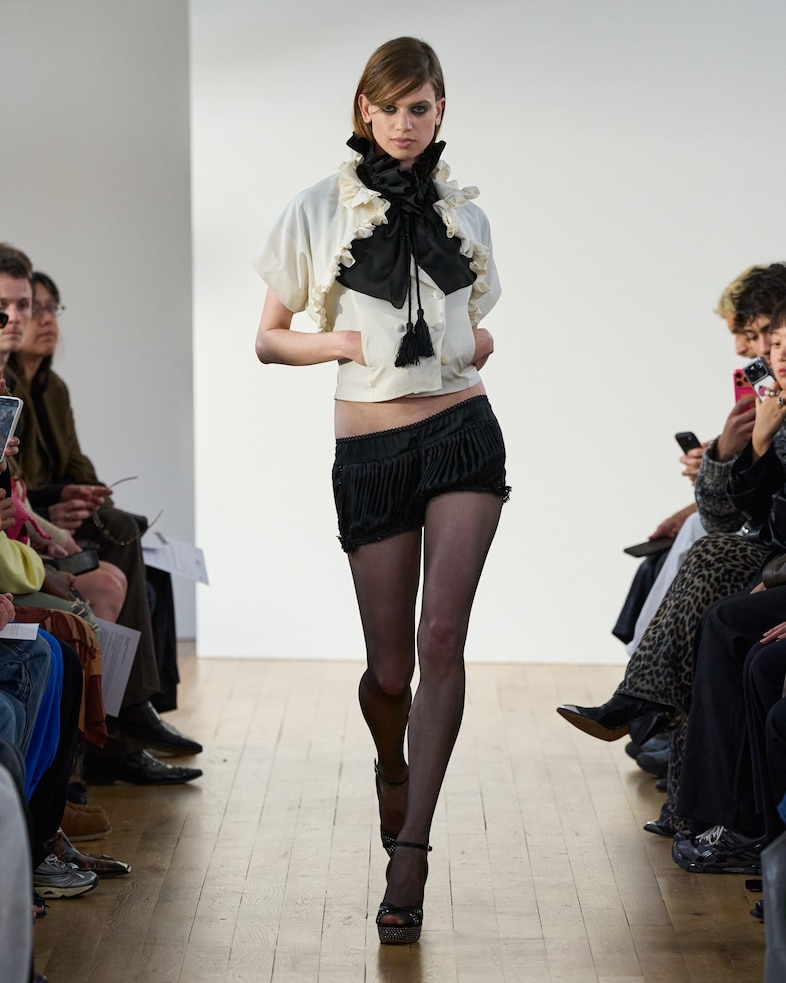
The runway events commenced with Beijing-born, London-based designer Oscar Ouyang presenting his third on-schedule collection, titled Cygnet. Staged on the official LFW calendar, Ouyang’s collection drew heavily on the psychological and stylistic journey of young people discovering their societal identities—drawing a direct parallel to the vulnerable, wealthy protagonists of the television series. The runway featured notable second-generation talent, including models Lily McMenamy and Lennon Gallagher, while audio elements from the fourth episode of Gossip Girl‘s first season echoed through the venue. The soundscape specifically recalled the dramatic narrative arc wherein the character Blair Waldorf is superseded by Serena van der Woodsen as the face of a prestigious family fashion campaign.
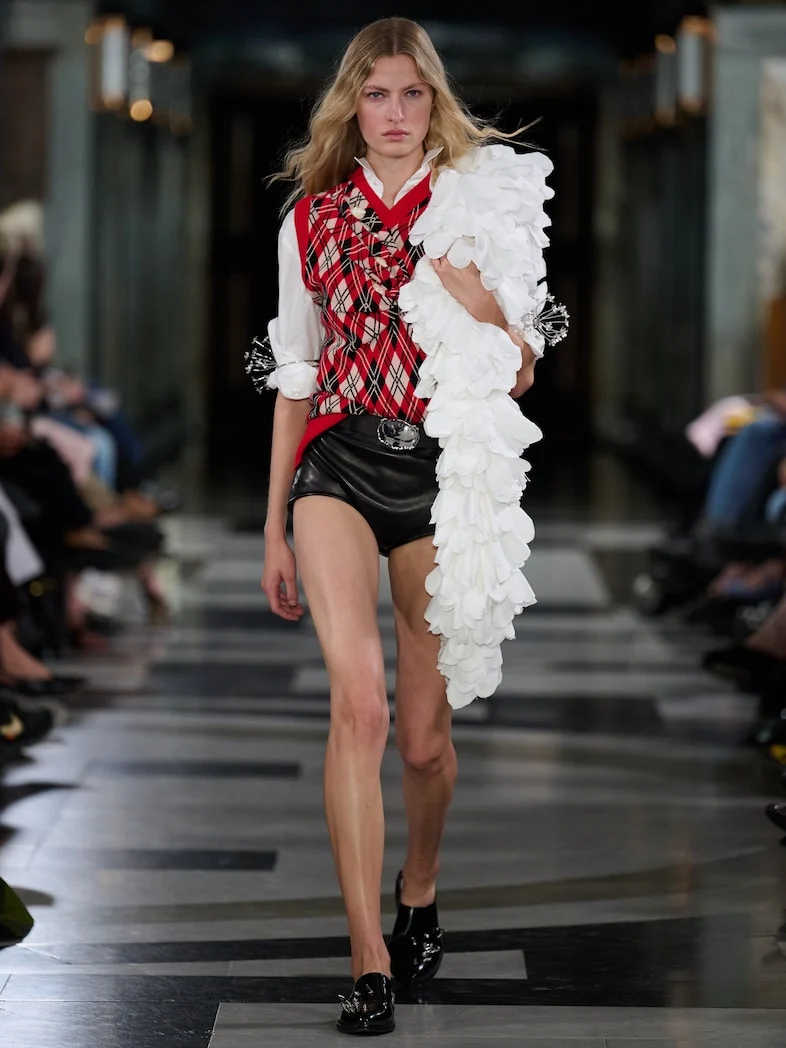
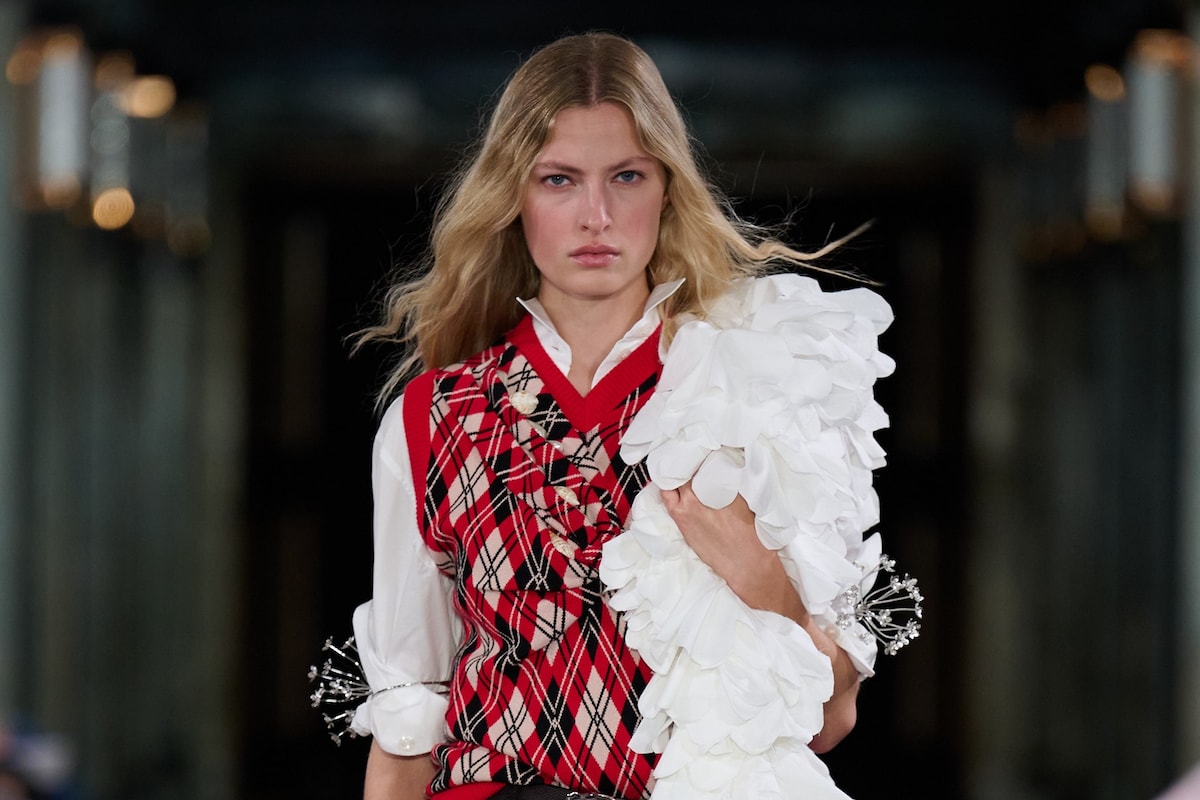
Following Ouyang’s conceptual exploration, day four of London Fashion Week opened with Simone Rocha’s presentation, which seamlessly integrated further references to the drama. Rocha’s runway soundtrack featured an Arca remix of the experimental track "gg" by Russian-Estonian musician Lolina. The song, which explicitly references the eponymous television narrator alongside opening lines echoing the show’s signature thematic secrecy, provided an auditory backdrop for a collection rich in sartorial nods to Constance Billard School for Girls. Sparkling debutante-style gowns and structured argyle-print sweater vests directly referenced the quintessential wardrobe staples of the show’s central characters.
Later that afternoon, Central Saint Martins graduate Gui Rosa marked a chaotic yet triumphant on-schedule debut with an intimate presentation staged within the ballrooms of the St James’s Court Hotel. Featuring models circulating simultaneously in a high-energy environment, the collection showcased slinky silk camisoles, tailored pencil skirts, and high-impact neon footwear. Backstage, Rosa openly cited the presentation as a deliberate interpretation of the infamous "Kiss on the Lips" party from the first season of Gossip Girl, albeit filtered through a contemporary, slightly subversive lens. The presentation’s soundtrack further cemented the temporal anchor, incorporating Lady Gaga’s "Poker Face"—a track featured in the show’s second season—alongside modern club productions.
Contextualizing the Noughties Revival in the Global Fashion Market
The recurrence of the Gossip Girl motif on the London schedule reflects a broader, macro-level economic and aesthetic pivot toward preppy and heritage-inspired dressing across major global fashion capitals. Over recent seasons, luxury houses in Paris, Milan, New York, and London have increasingly leaned into upper-class sartorial codes, collegiate aesthetics, and traditional tailoring tropes.
Industry analysts point to Jonathan Anderson’s creative direction at ChristianDior, which has consistently engaged with the codes of young aristocracy, alongside Conner Ives’s interpretations of New York socialite archetypes and Thom Browne’s persistent deconstructions of institutional uniforms. This sustained interest in elite scholastic and upper-crust apparel suggests that consumers are currently seeking the structural reassurance and historical familiarity associated with preppy dressing, even as designers subvert these codes with modern fabrication and ironic styling.
Economic Implications and Consumer Reception
The commercial viability of the early-2000s revival is heavily underpinned by shifting consumer demographics. Gen Z and younger millennial cohorts, who currently represent the primary growth engine for the luxury and contemporary fashion sectors, demonstrate a profound appetite for nostalgic media properties. The cross-platform availability of archival television series on streaming networks has exposed contemporary consumers to the aesthetics of 2007 long after the original broadcast concluded.
By incorporating auditory and visual cues from cultural touchstones like Gossip Girl, emerging and established designers alike are successfully leveraging emotional resonance to drive engagement both inside the physical venue and across digital channels. Social media metrics from recent fashion weeks consistently indicate that nostalgic references generate significantly higher digital earned media value (EMV) and shareability compared to abstract conceptual presentations. This dynamic allows independent designers such as Oscar Ouyang and Gui Rosa to amplify their brand visibility on a global scale by tapping into existing, highly passionate fan communities.
Industry Outlook as Fashion Month Progresses
As London Fashion Week draws to a close and the international circuit prepares to move on to Milan and Paris, the overarching question remains whether the preppy, upper-class motifs seen in the British capital will maintain momentum throughout the remainder of the season. Given the commercial success of heritage tailoring and the enduring cultural capital of mid-2000s television media, industry observers anticipate that the aesthetic will continue to influence collections on a global scale.
While the precise trajectory of next season’s major trends remains strictly guarded within the inner circles of the luxury houses, the current LFW showcase has definitively proven that the sartorial language of elite private schools and scandalous socialites remains a potent force in contemporary design. As the industry looks ahead to upcoming presentations in continental Europe, the influence of the noughties continues to linger—proving that some secrets of the fashion cycle are simply too prominent to keep. XOXO.