





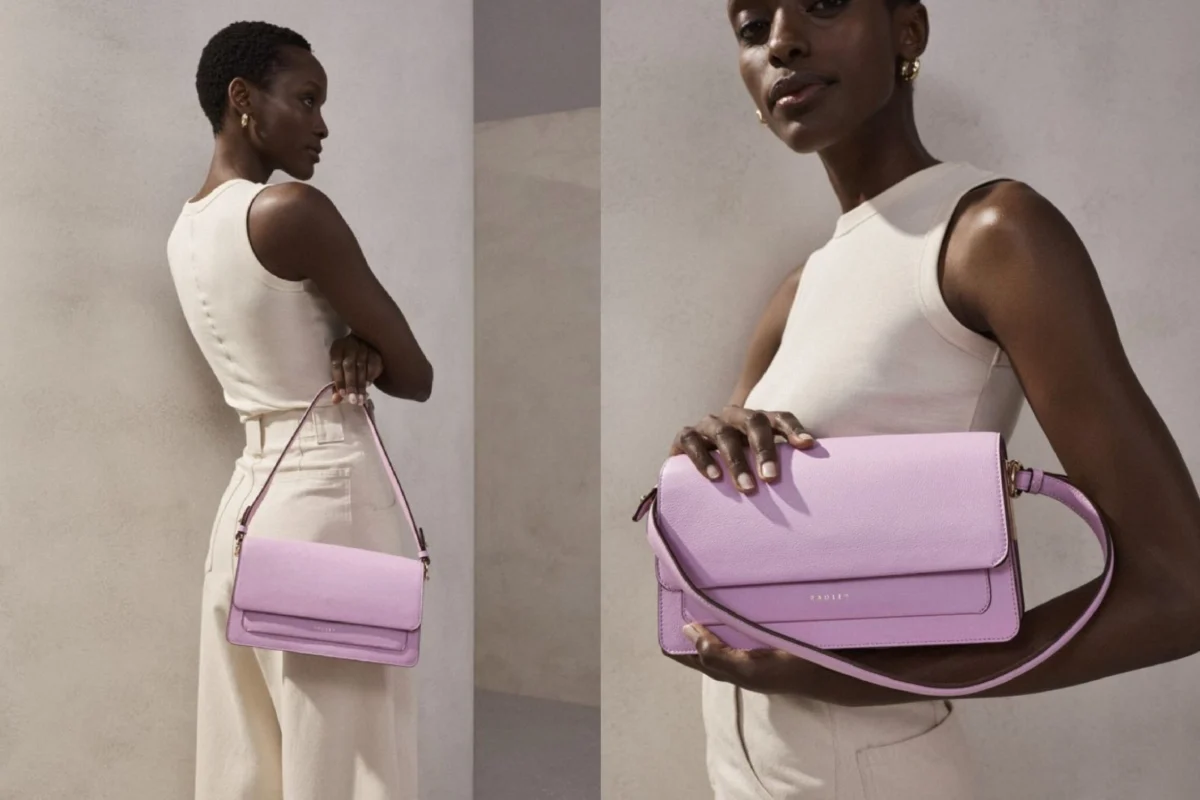
The global investment firm Gordon Brothers has officially appointed Lloyd Baker Leather as its new licensing partner for the iconic British accessories brand Radley. This development marks a pivotal shift in the brand’s trajectory following its acquisition out of administration in May 2024. Under the terms of the agreement, Lloyd Baker Leather will assume comprehensive responsibility for the development, sourcing, marketing, and distribution of Radley’s hallmark handbags and small leather goods. This partnership extends across critical international markets, specifically the United Kingdom, the United States, Europe, and Australia, signaling an intent to stabilize the brand’s global presence while streamlining its operational framework.
A Strategic Pivot: From Administration to Revitalization
The appointment of Lloyd Baker Leather comes roughly five months after Gordon Brothers, a firm known for its expertise in brand operations and retail restructuring, acquired Radley’s intellectual property and brand assets. The acquisition occurred during a period of significant turbulence for the retailer, which had faced insurmountable fiscal pressures that culminated in a formal insolvency process.
At the time of the May transaction, the brand’s legacy structure was deemed unsustainable. Consequently, the transition involved the immediate closure of 19 concessions and two standalone retail outlets. The decision to move away from a direct-to-consumer store-front model toward a licensing-led distribution strategy reflects a broader trend in retail management where private equity firms seek to protect brand equity while reducing the overhead risks associated with physical store footprints. By partnering with Lloyd Baker Leather, Gordon Brothers is effectively outsourcing the manufacturing and logistical complexities of the core product line, allowing the parent company to focus on brand stewardship and high-level strategic growth.
Chronology of the Radley Transformation
The recent evolution of the Radley brand can be traced through a series of rapid developments that highlight the volatility of the mid-market retail sector:
- May 2024: Gordon Brothers completes the acquisition of Radley’s brand and intellectual property out of administration. The move is characterized by a "reset" strategy, leading to the immediate winding down of physical retail operations, including the closure of all standalone stores and department store concessions.
- June–September 2024: Gordon Brothers enters a transition period, focusing on evaluating the brand’s market position and assessing potential partnerships that could maintain product quality while improving supply chain efficiency.
- 8 October 2024: Gordon Brothers formally announces the appointment of Lloyd Baker Leather as the primary global licensee for handbags and small leather goods.
- Q4 2024 and Beyond: The partnership is slated to begin full-scale operations, with a stated focus on "continuity" for existing retail partners and loyal consumers, while also exploring new product categories.
Industry Context and Market Implications
The retail landscape for luxury and mid-market leather goods has faced significant headwinds over the past twenty-four months. Factors such as inflationary pressure on raw materials, shifts in consumer spending habits toward experiences over physical goods, and the high cost of maintaining prime retail real estate have forced many heritage brands to reassess their business models.
For Radley, a brand recognized for its signature "Scottie dog" emblem and its positioning in the accessible luxury market, the transition to a licensing model is a calculated maneuver. Licensing is a low-asset-intensity strategy that allows a brand owner to capture royalty revenue while offloading the capital expenditure of production and distribution to partners with deeper category expertise.
According to retail analysts, this move is likely designed to preserve the brand’s heritage while allowing for a more agile response to market trends. By leveraging the infrastructure of Lloyd Baker Leather, Radley can maintain a consistent flow of products to wholesalers and international distributors without the burden of maintaining its own manufacturing facilities or brick-and-mortar storefronts.
Official Perspectives on the New Partnership
The partnership has been framed by both organizations as a collaborative "next chapter" that prioritizes the brand’s historical identity while modernizing its operational reach.
Carolyn D’Angelo, head of brand operations at Gordon Brothers, emphasized the strategic importance of this alignment in a statement provided to the press. "Radley is a beloved British brand, and we are thrilled to work with Lloyd Baker Leather Ltd. This agreement honours Radley’s legacy while supporting its continued evolution and expanding the brand’s reach by building upon Radley’s rich design tradition, including recent updates to the brand’s overarching aesthetic," she noted.
From the perspective of the licensee, Bobby Malhotra, owner and managing director of Lloyd Baker Leather, highlighted the synergy between his firm’s operational capabilities and Radley’s market recognition. "Radley is an iconic British brand, and we are thrilled to work with Gordon Brothers to support its next chapter. By combining Radley’s distinctive design heritage with our category expertise and established capabilities, we are looking forward to supporting the brand’s continued growth across key markets with continuity for retailers and consumers."
Broader Outlook: What Lies Ahead for Radley?
While the core focus of the new agreement centers on the handbag and small leather goods categories, Gordon Brothers has signaled that this is merely the beginning of a larger, multifaceted strategy. The firm has confirmed it is "actively evaluating opportunities" in other product categories. This suggests that the Radley name may soon appear on a broader range of lifestyle products, potentially diversifying the brand’s revenue streams beyond its traditional leather offerings.
The success of this partnership will likely be measured by the ability of Lloyd Baker Leather to maintain the aesthetic and quality standards that Radley customers expect, while successfully navigating the complex retail landscapes of the US and Australia—markets where competition in the affordable luxury space is particularly fierce.
Furthermore, the "continuity" mentioned in the official statements is a key message aimed at wholesale partners. After the shock of the brand’s entry into administration earlier this year, ensuring that department stores and independent retailers can continue to source and sell Radley products is essential to preventing further erosion of the brand’s market share.
Analyzing the "Stewardship" Model
Gordon Brothers’ involvement with Radley is emblematic of a broader, modern retail trend: the institutionalization of brand management. As a firm that also holds interests in other entities—notably LK Bennett—Gordon Brothers employs a "stewardship" model, which views the brand as a distinct intellectual property asset that can be disconnected from the retail operating entity.
This approach minimizes the risk of bankruptcy contagion. If one part of the business faces difficulties, the brand itself—housed under a different entity—remains intact, allowing the firm to re-license or re-platform the brand with a fresh set of partners. This provides a level of security for the brand’s long-term survival, even if the specific retail format changes drastically.
In conclusion, the appointment of Lloyd Baker Leather is a definitive step toward stabilizing the Radley brand post-administration. By focusing on its core strengths—design and heritage—and partnering with an experienced licensee for production and distribution, Gordon Brothers has charted a path that avoids the pitfalls of its previous retail-heavy model. For the consumer, the impact should be a sustained availability of the brand’s products; for the industry, it serves as a case study in how heritage brands can pivot during times of extreme financial distress to ensure their survival in a modern, digital-first economy. As the brand moves into this next phase, the focus will undoubtedly shift toward how effectively it can refresh its aesthetic and capture the interest of a new generation of shoppers, while maintaining the loyalty of its established customer base.