





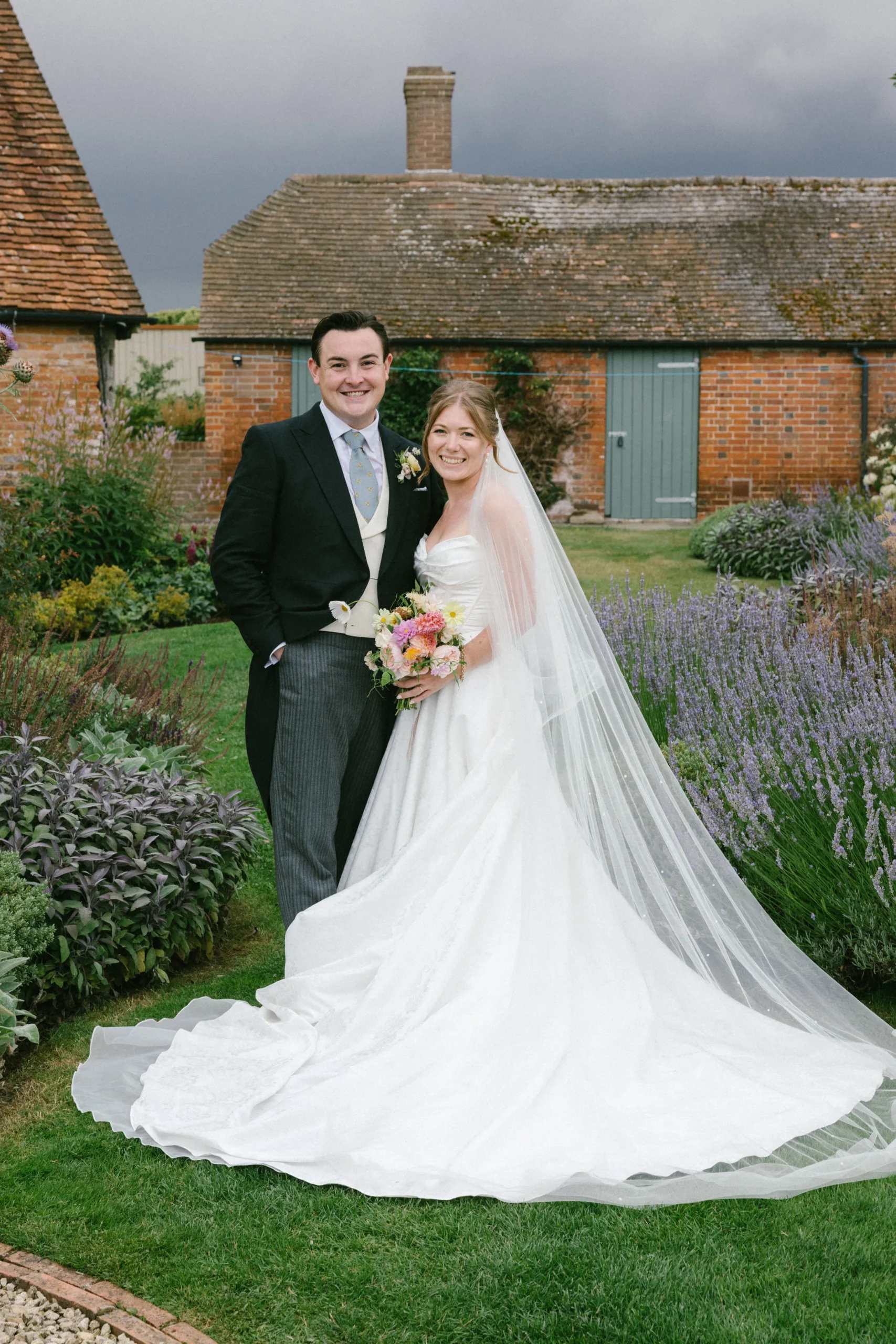
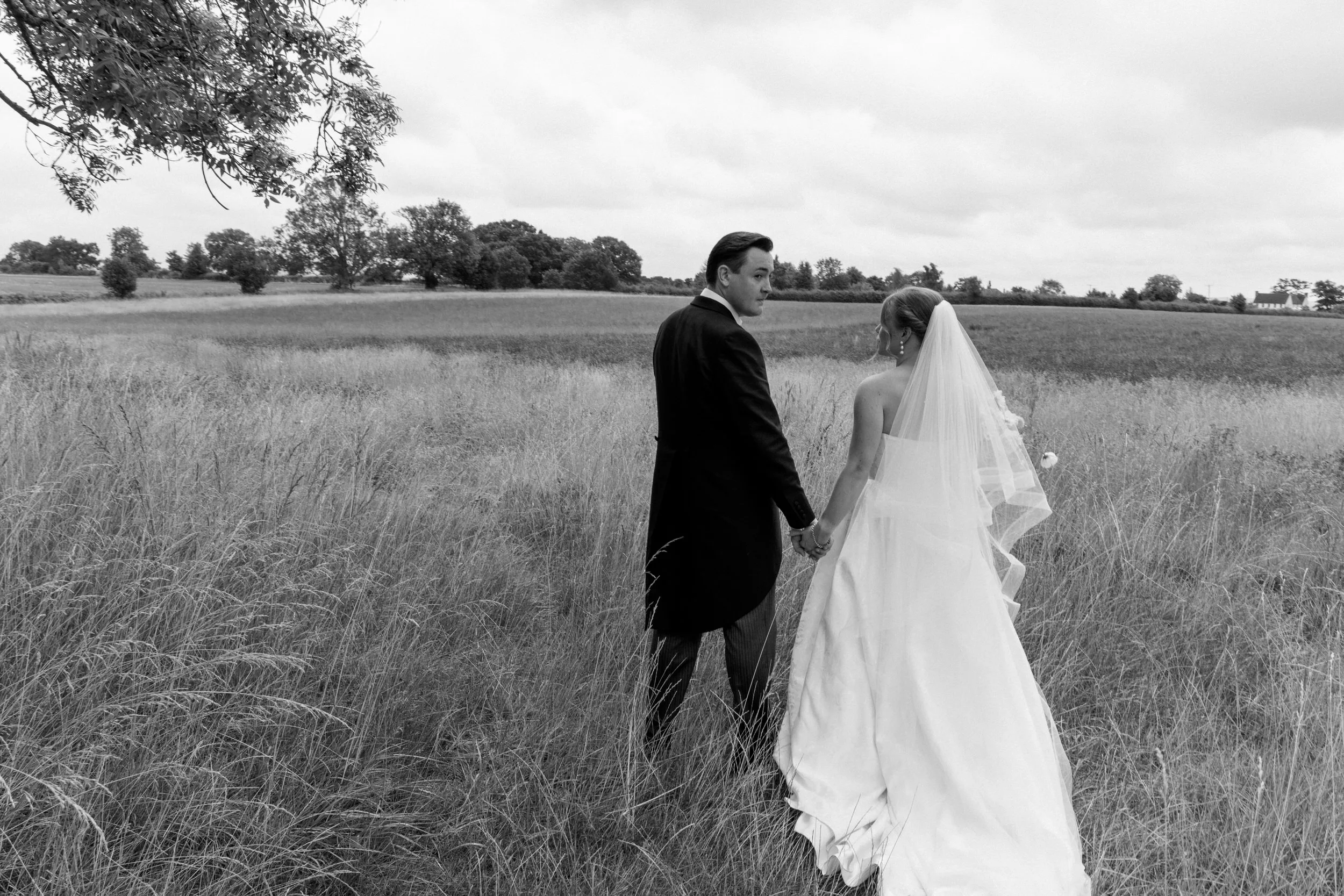
On July 19, 2025, the Berkshire villages of Leckhampstead and Peasemore served as the backdrop for a quintessential English countryside wedding that combined historical tradition with deeply personal family heritage. The marriage of Freya and Max, conducted at St James Church and followed by a marquee reception at the bride’s family estate, exemplified a growing trend in the UK wedding market: the "at-home" celebration. This shift away from commercial venues toward private residences reflects a desire for greater autonomy, sentimental value, and a rejection of standardized wedding packages.
A Chronology of the Relationship: From Leeds to Twickenham
The union of Freya and Max is the culmination of a seven-year journey that began in the academic environment of Leeds. Meeting as second-year university students in 2018 at a social gathering, the couple’s relationship developed during a period of significant transition in their lives. Despite neither party actively seeking a long-term commitment at the time, their connection proved resilient, spanning the remainder of their university years and their subsequent entry into professional life.
The engagement occurred in September 2024, approximately ten months prior to the wedding date. The proposal took place in a setting that mirrored the couple’s penchant for unconventional living: their houseboat in Twickenham. Max’s proposal was characterized by its spontaneity and domestic intimacy, occurring in the kitchen while Freya was preparing a meal. This unassuming moment set the tone for a wedding that would prioritize personal significance over choreographed perfection.
The Ceremony at St James Church, Leckhampstead
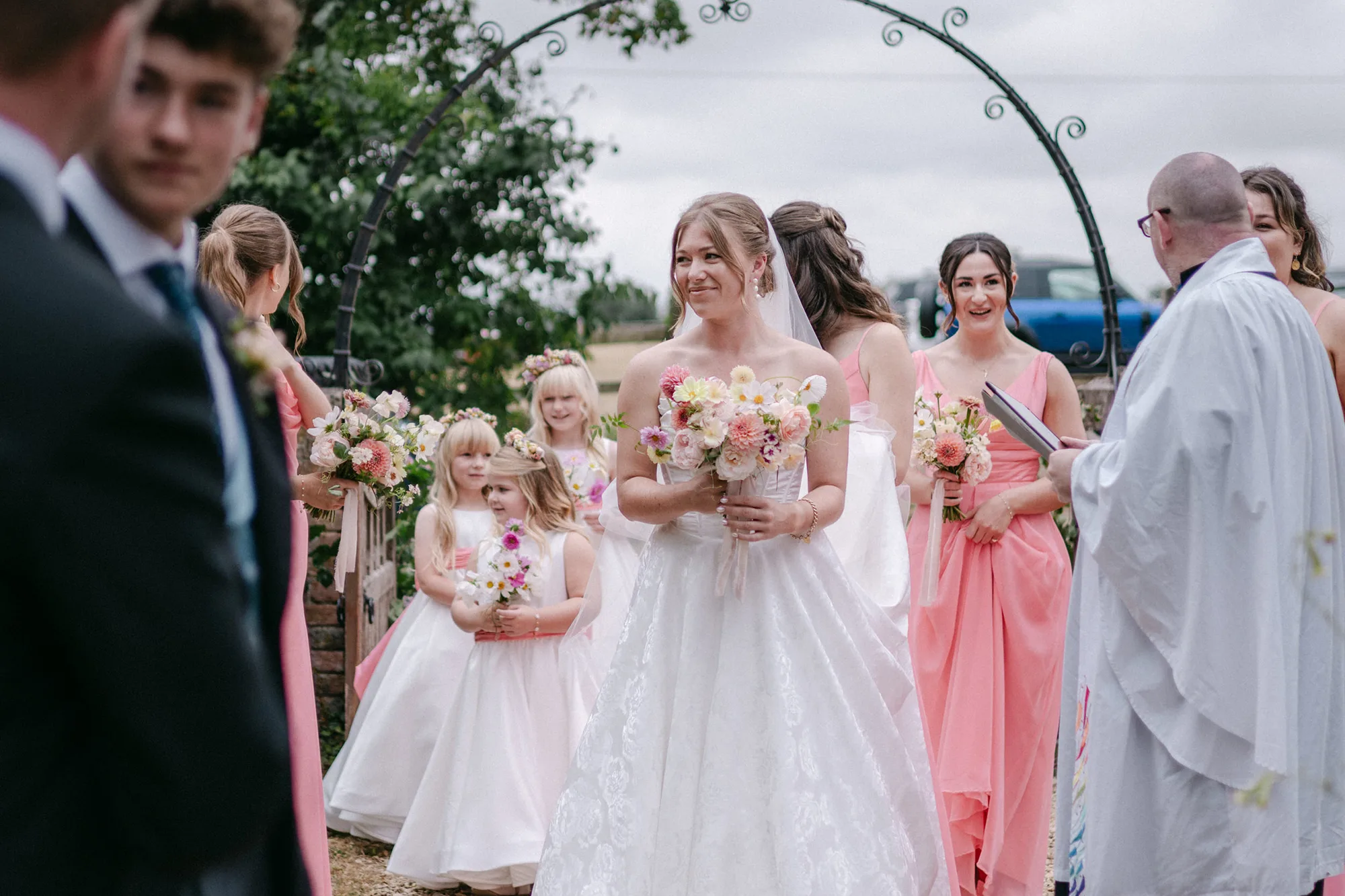
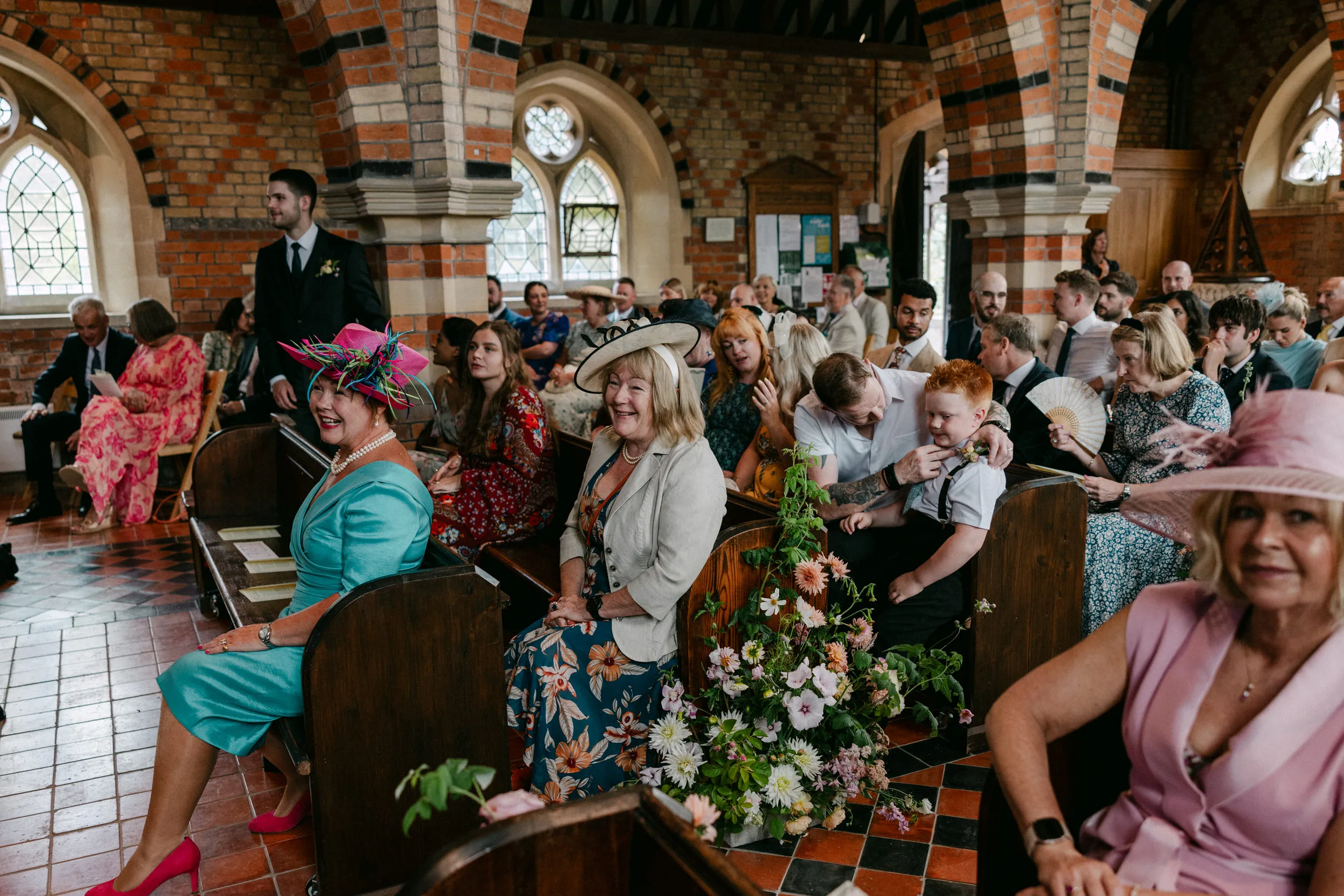
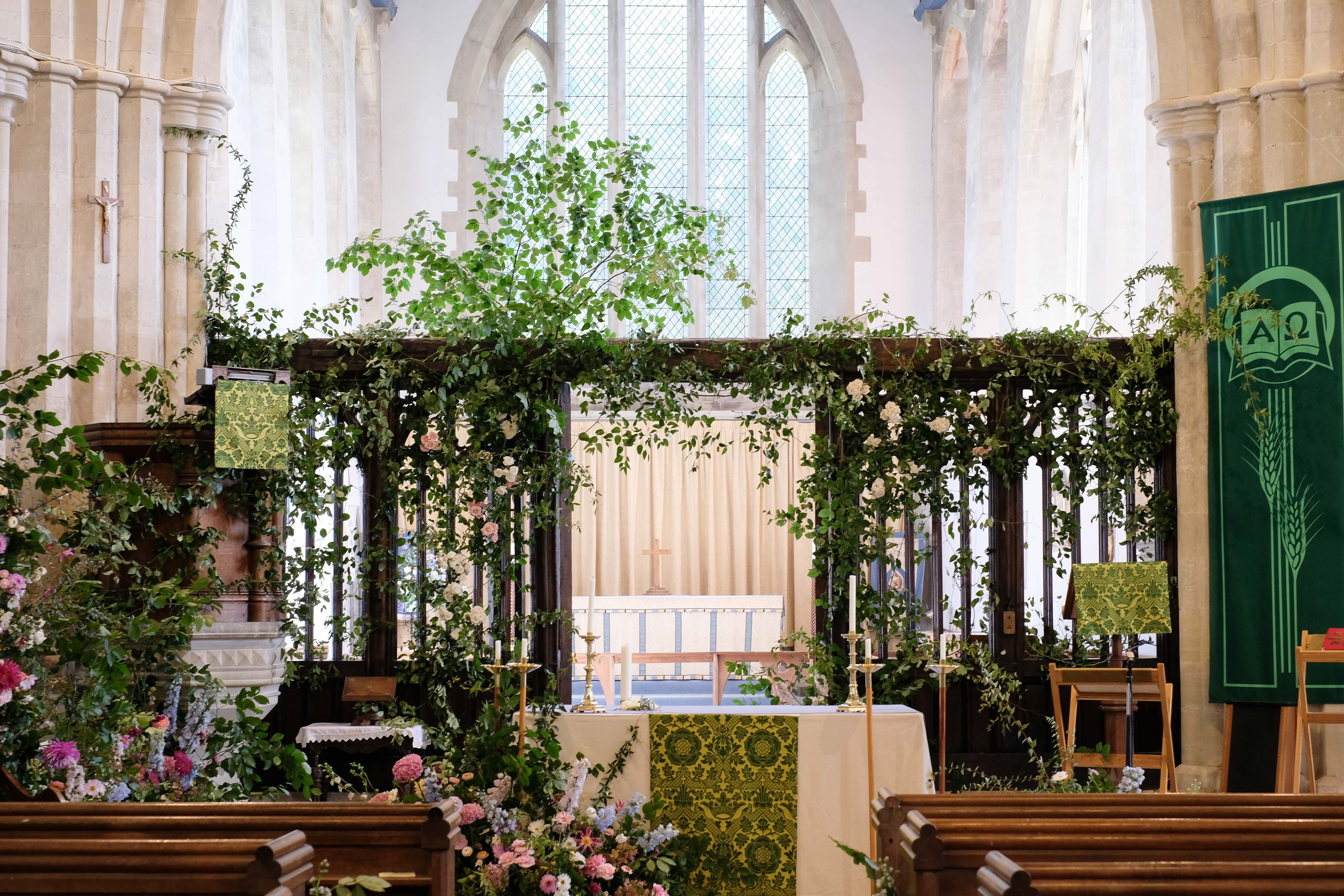
The religious ceremony was held at St James Church in Leckhampstead, a Grade II listed building known for its architectural significance and its role as a cornerstone of the West Berkshire community. The choice of venue was rooted in local tradition, providing a formal contrast to the more relaxed reception that followed.
The logistics of the ceremony involved a sophisticated coordination of vintage and family vehicles. Max arrived at the church in a vintage Ferrari owned by the bride’s father, a choice that highlighted the integration of family assets into the day’s proceedings. The bride arrived in a Land Rover Series 1, a vehicle that has remained within the family for several decades, symbolizing a link between the past and the present. For the bridal party, the family utilized the services of Prestige Cars, which provided a white Austin Princess limousine, a classic British vehicle often associated with mid-century elegance.

The ceremony followed traditional Anglican rites, with the exchange of vows witnessed by a congregation of close friends and family. Following the conclusion of the service, the couple implemented a strategic "cooling-off" period—a ten-minute drive away from the venue to share a private moment and a glass of champagne. This practice is increasingly recommended by wedding coordinators to allow couples to process the gravity of the ceremony before engaging with a large reception.
The At-Home Reception: Engineering the Garden Party Aesthetic
The reception was held at the bride’s family home in Peasemore, Newbury. The decision to host the event on private property was made early in the planning process, driven by the couple’s desire for a "homey" atmosphere and the inclusion of their domestic animals.
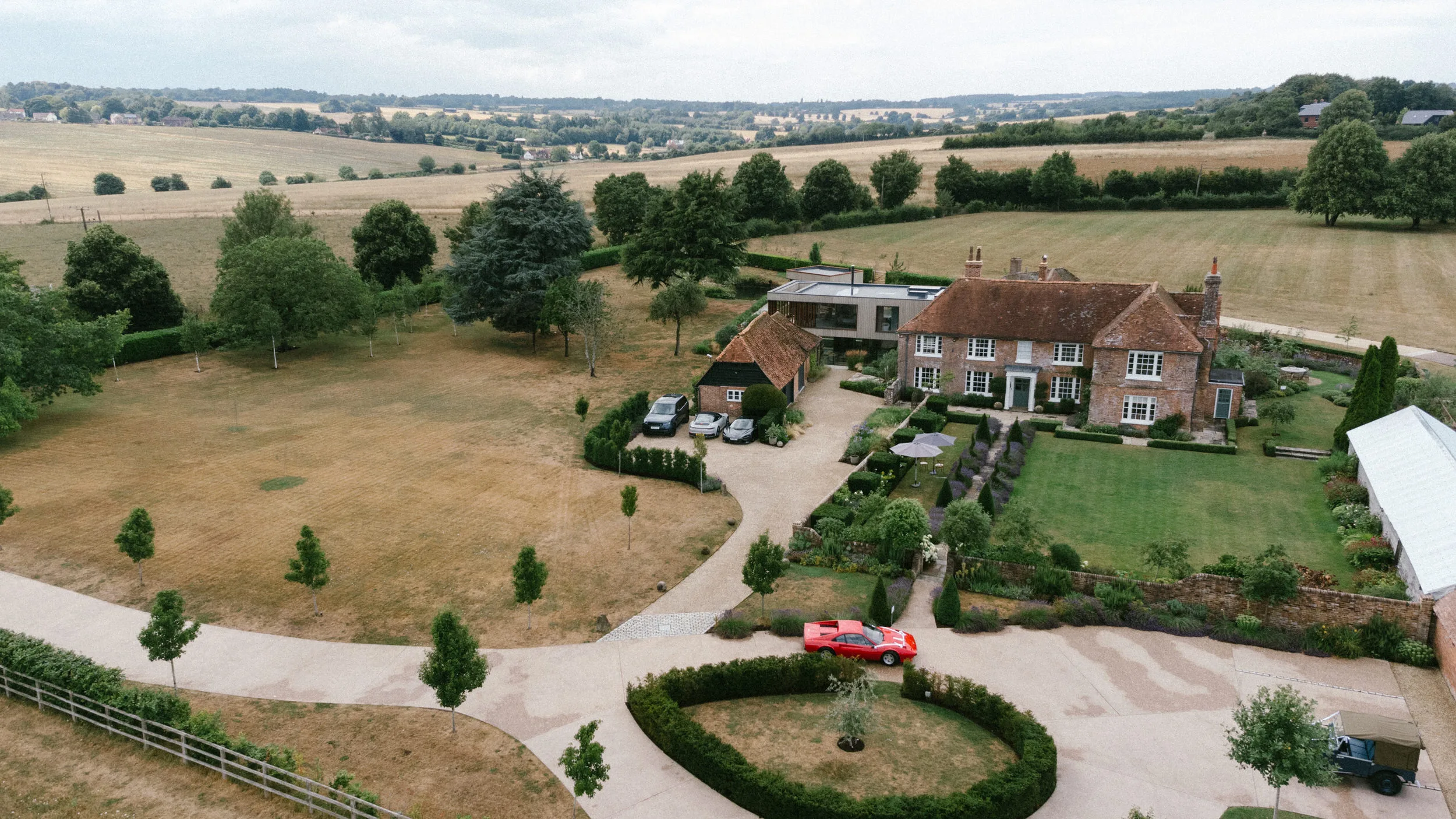
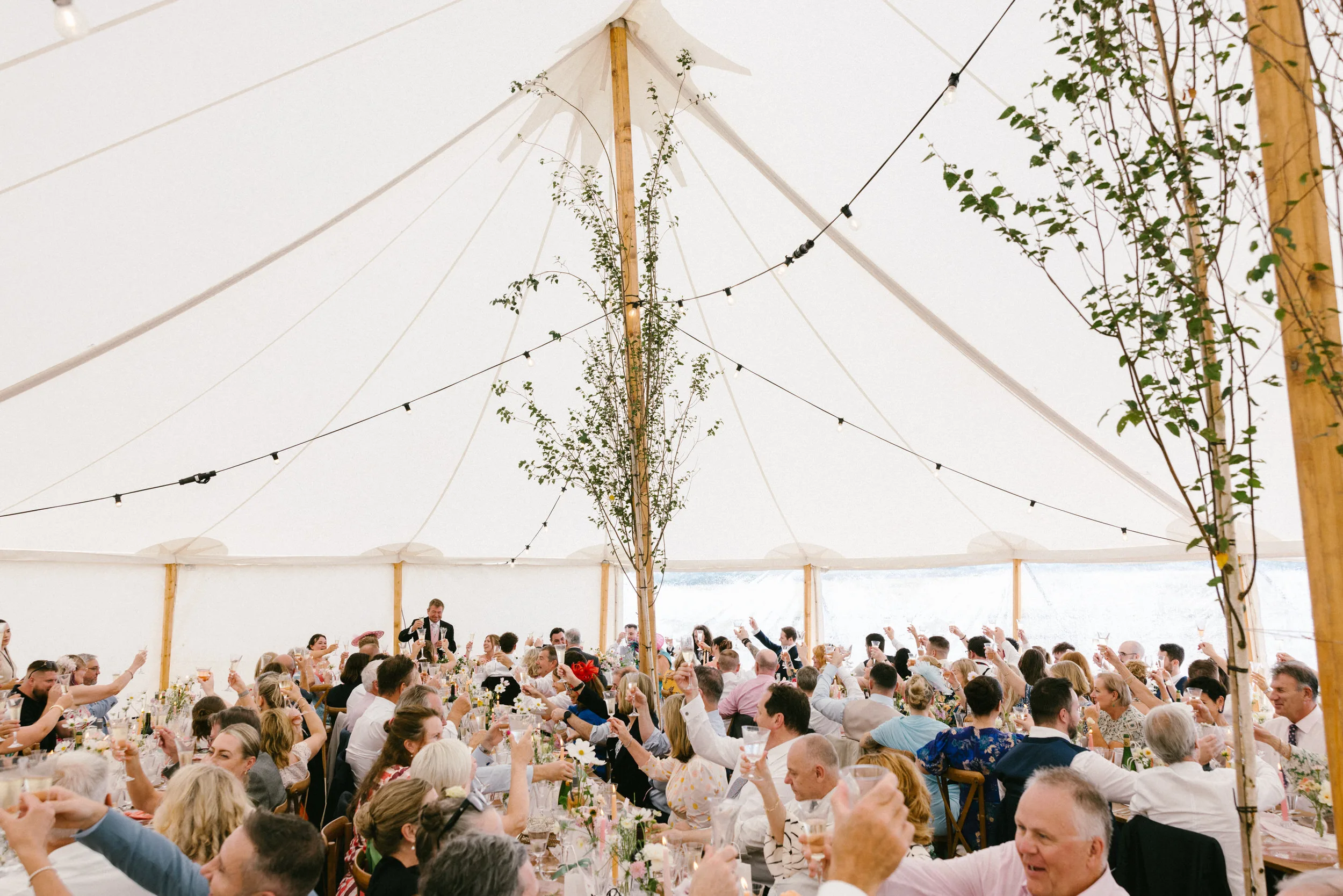
To accommodate the guests, a large-scale marquee was commissioned from Redcrest Events. Marquee weddings in the UK represent a significant sector of the luxury events industry, offering a "blank canvas" that allows for complete creative control. However, they also introduce complex logistical requirements, including the provision of power, catering infrastructure, and climate control.
The aesthetic vision for the day was described by the couple as a "traditional English garden party," citing the 1994 film Four Weddings and a Funeral as a primary stylistic influence. This "classic English" look is characterized by an intentional blend of formality and whimsy, often incorporating the unpredictable nature of British weather as part of the event’s character.
Floral Architecture and Transformative Design
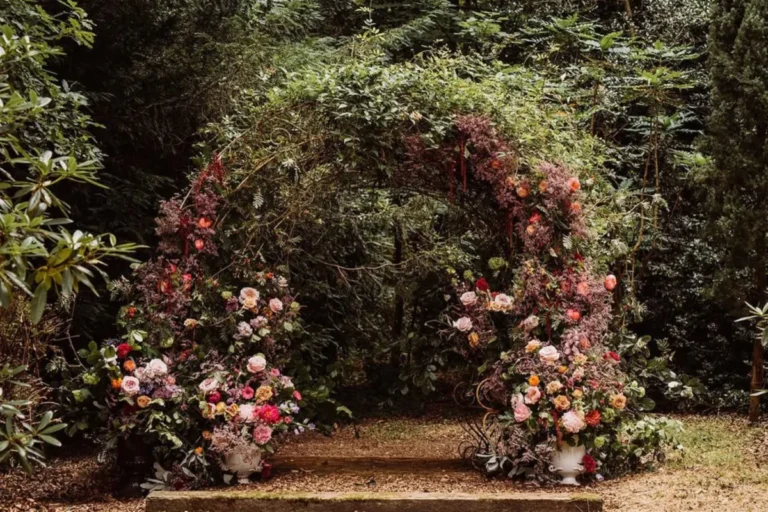
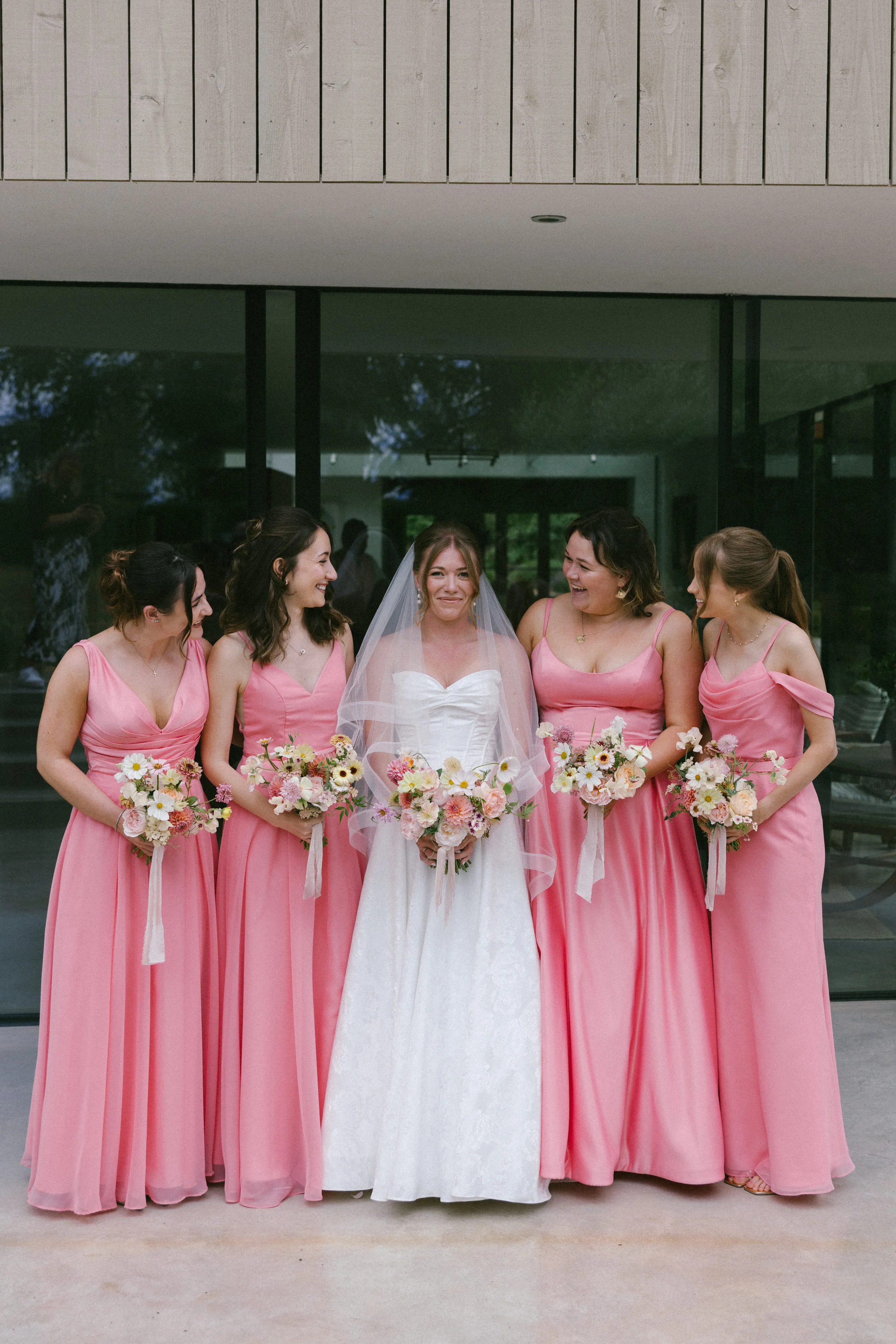
One of the most significant investments in the wedding’s visual identity was the floral design, executed by Nat of Feverfew, a specialist florist known for "curated chaos" and romantic, abundant arrangements. The floral brief focused on soft pinks, peaches, and pastel summer shades, designed to transform both the stone interior of the church and the white interior of the marquee.
The use of florals extended beyond simple centerpieces. The design included large-scale installations and the integration of living elements. A notable feature in the marquee was a large silver birch tree, which served as a focal point for the decor. In a move toward sustainability and lasting legacy, the tree was subsequently planted in the parents’ garden, serving as a permanent living memorial of the event. This trend toward "replantable" decor is gaining traction among environmentally conscious couples who wish to minimize the waste associated with traditional cut-flower arrangements.
Gastronomy and Artisanal Contributions
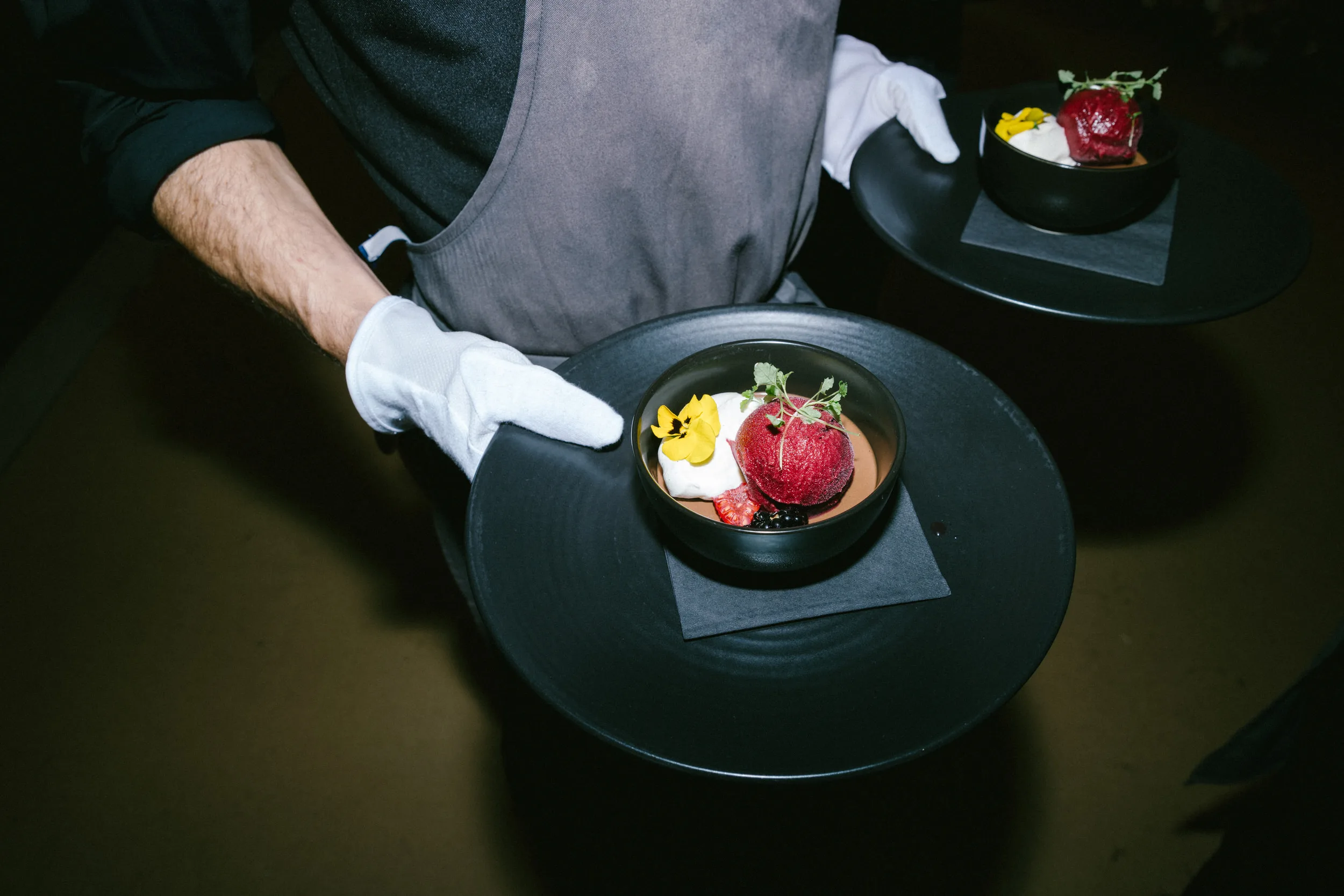
The catering was managed by McCrimmon and Reid, a firm specializing in high-end event dining. The menu was designed to reflect the garden party theme, focusing on seasonal British produce and elegant presentation.
The wedding cake, created by Becky at Novae Bakery, represented a fusion of modern and traditional techniques. The design featured a spotted fondant in a color palette of pink and peach, finished with intricate royal icing piping. This choice reflects a broader trend in the confectionery industry where couples are moving away from minimalist "naked" cakes toward more ornate, classically inspired designs that utilize traditional skills like royal icing.
The wedding favors provided another layer of personal integration. The groom’s mother produced handmade sloe gin and sewed Liberty-print lavender bags, each stitched with the couple’s names and the wedding date. These bespoke items emphasize the "slow wedding" movement, where elements of the day are crafted over months by family members rather than being mass-produced.
Entertainment: A Shift Toward Bespoke Performances
Moving away from the standard wedding band format, Freya and Max opted for a program of entertainment provided largely by their social and family circles. The evening’s musical proceedings began with a piano and vocal solo by Max, dedicated to his new wife. This was followed by a series of performances, including a reunion of Max’s childhood band and contributions from violin and recorder groups.
The evening concluded with a DJ set by Carlos, who maintained the energy of the dance floor until midnight. The couple’s choice for their first dance—"Yes Sir, I Can Boogie"—transitioned into the unconventional "The Bad Touch" by The Bloodhound Gang. This departure from traditional romantic ballads in favor of high-energy, humorous tracks is indicative of a shift toward weddings that prioritize the couple’s personality over societal expectations.
Bridal Fashion and the "Second Look" Trend
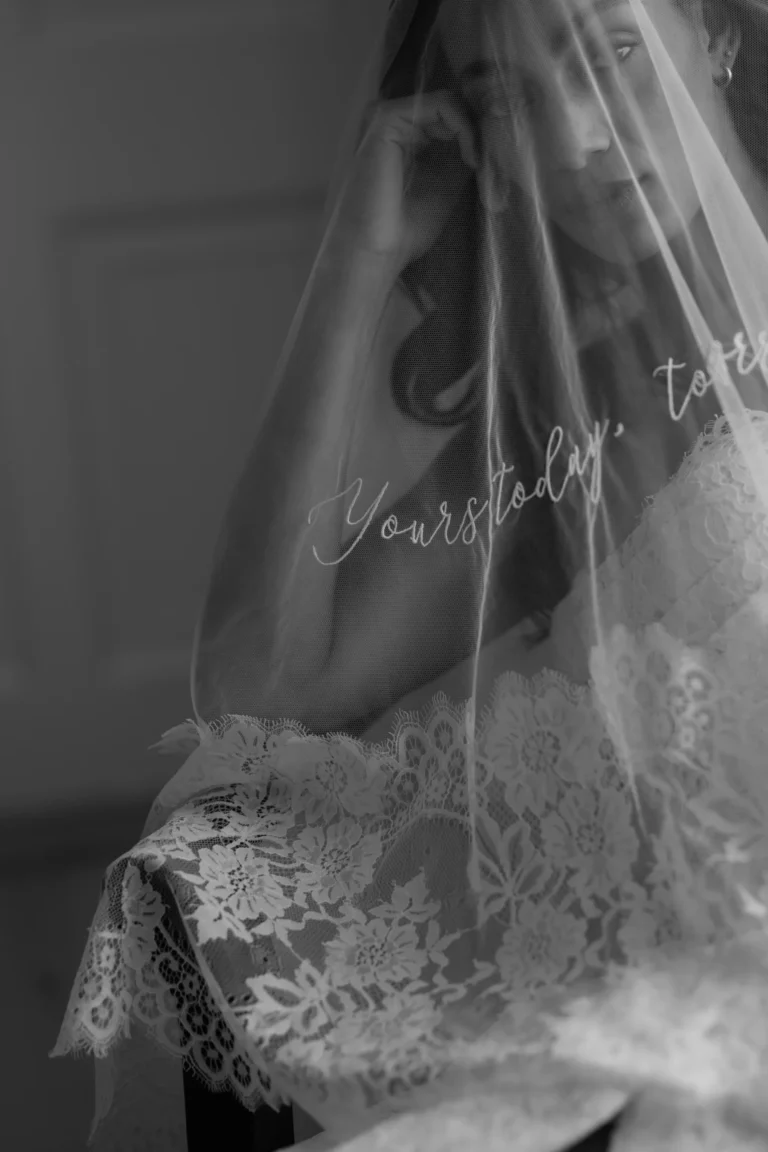
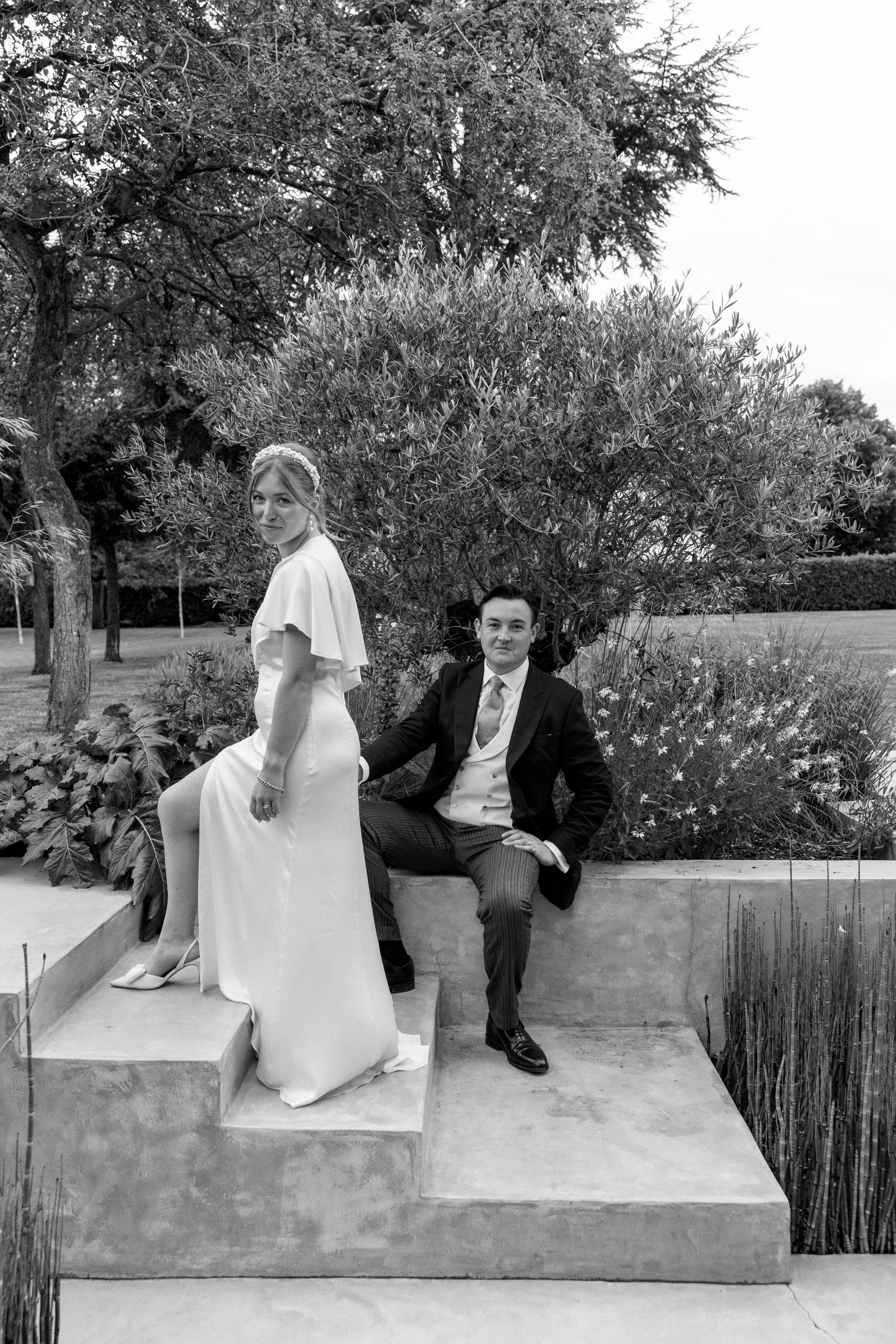
Freya’s attire for the day involved a transition from a traditional ceremony gown to a more functional evening outfit. The evening ensemble, consisting of the Paige cape and dress, was sourced from British designer Laura Green.
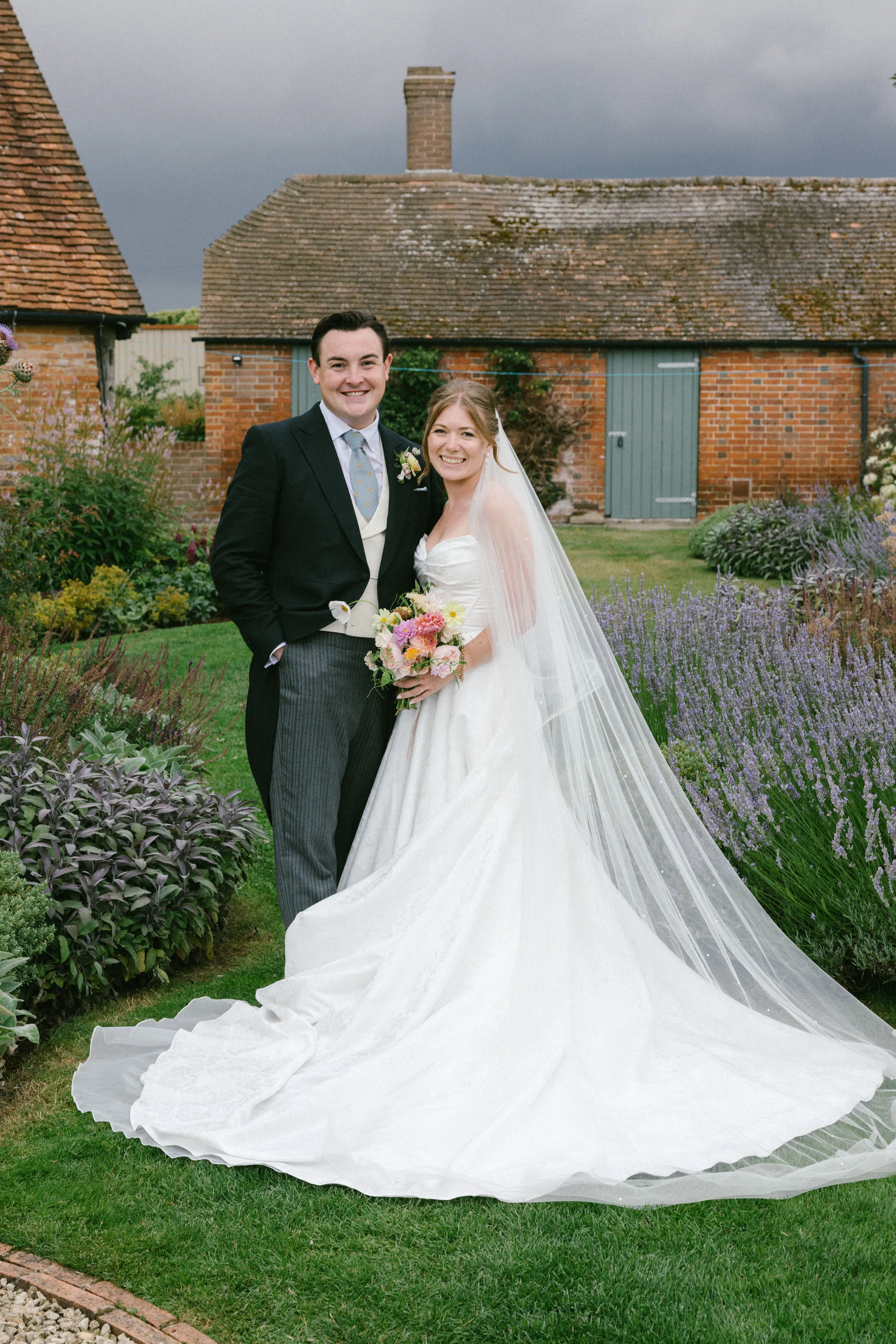
The acquisition of the second outfit was an impulse purchase made during a sample sale, which proved fortuitous due to the weather conditions. The heavy rain during the day resulted in the ceremony dress becoming waterlogged and soiled, a common challenge for countryside weddings. The "second look" trend, while often viewed as a fashion statement, also serves a practical purpose, allowing brides to move more freely during the evening celebrations and protecting the primary gown from damage.
Analysis: The Implications of Weather and Location on Event Planning
The wedding of Freya and Max provides a case study in the resilience required for outdoor British events. The "torrential rain" described by the couple highlights the necessity of robust contingency planning. In the UK, the "marquee wedding" market must account for high-moisture environments, requiring specialized flooring, drainage considerations, and the availability of secondary indoor spaces (such as the barns used in this instance).
Furthermore, the data suggests that at-home weddings, while potentially saving on venue hire fees, often incur higher costs in logistics and infrastructure. However, the value of "sentimental equity"—the emotional benefit of marrying in a location with personal history—continues to drive the popularity of these events among the UK’s affluent demographics.
Conclusion and Wedded Wisdom
The celebration in Berkshire stands as a testament to the enduring appeal of traditional English aesthetics when combined with modern, personal touches. By rejecting "trendy" elements in favor of family heritage, vintage machinery, and community-led entertainment, Freya and Max created an event that functioned as a reflection of their seven-year partnership.
Freya’s concluding advice for future couples emphasizes the importance of unity throughout the day. "Stick together all day," she noted, acknowledging the tendency for couples to be separated by social obligations during large receptions. She also highlighted the importance of a vigilant bridal party to help manage time and the necessity of trusting one’s own instincts regarding fashion and planning, rather than being swayed by external opinions. As the wedding industry continues to evolve, the success of Freya and Max’s celebration suggests that the most memorable events remain those that are most authentically rooted in the couple’s own history and surroundings.