









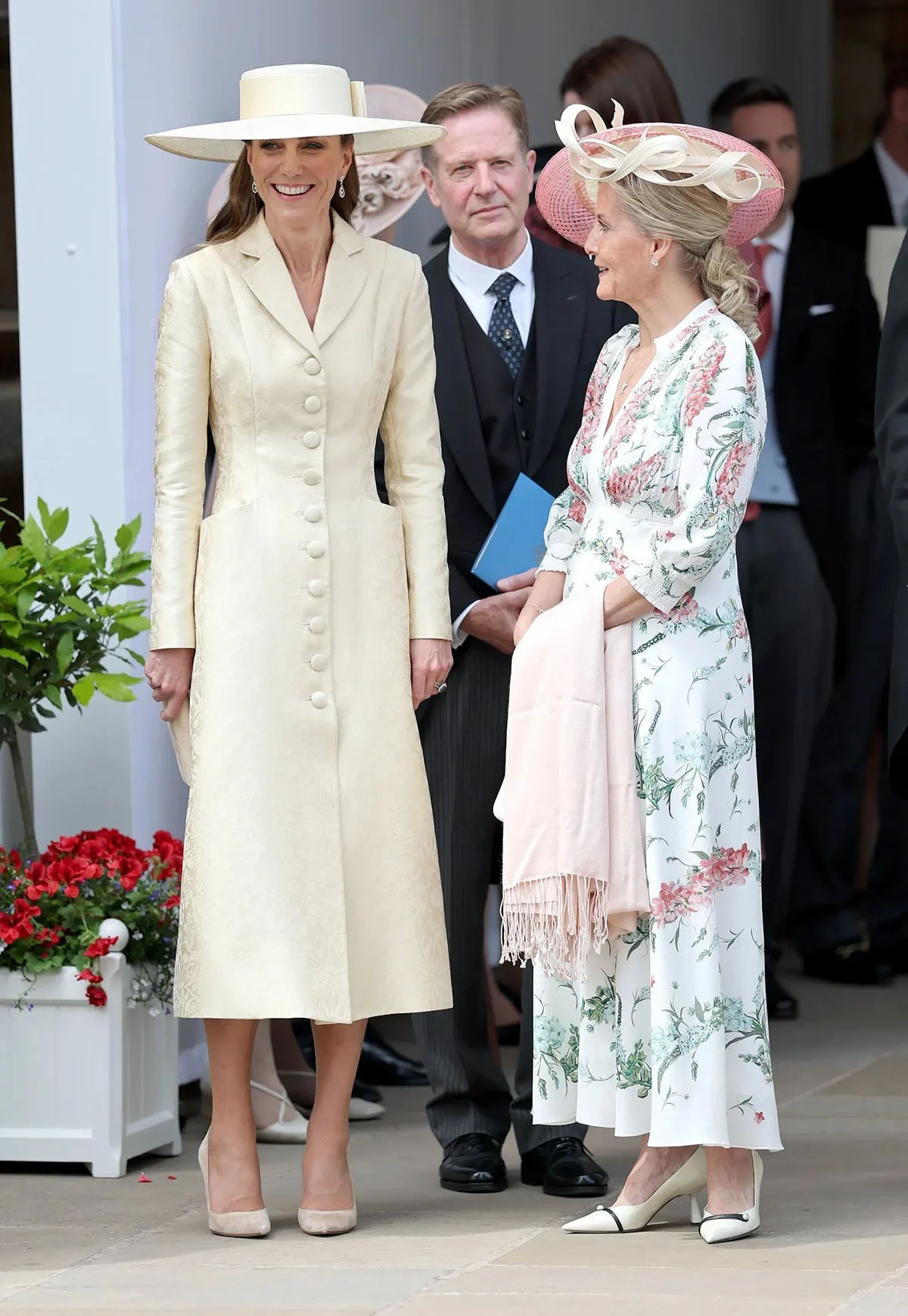
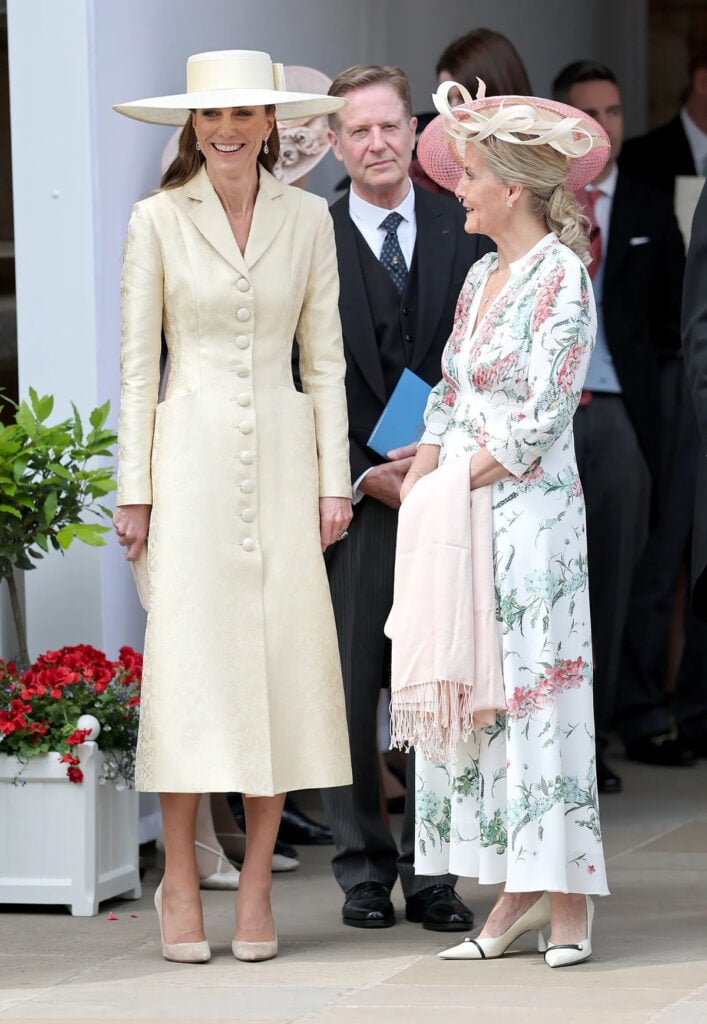
The grounds of Windsor Castle served as the backdrop for one of the most historic displays of British pageantry today as Catherine, Princess of Wales, and Sophie, Duchess of Edinburgh, attended the annual Order of the Garter Service. This ceremony, steeped in centuries of tradition, remains a cornerstone of the British monarchical calendar, celebrating the nation’s oldest and most senior order of chivalry. As the royal family gathered at St. George’s Chapel, the event underscored the continuing intersection of historical heritage and contemporary British craftsmanship, exemplified by the carefully curated attire of the senior royal women.
The Significance of the Most Noble Order of the Garter
Founded by King Edward III in 1348, the Most Noble Order of the Garter is the pinnacle of the British honors system. The order was inspired by the legends of King Arthur and the Knights of the Round Table, intended to be a society of the monarch’s most distinguished companions. Membership is limited to the Sovereign, the Prince of Wales, and no more than twenty-four living "Knights or Ladies Companion." In addition to these, there are "Stranger" Knights and Ladies (foreign monarchs) and "Royal" Knights and Ladies (members of the British Royal Family).
Appointments to the Garter are the personal gift of the Monarch, made without formal advice from the Prime Minister or other government officials. This makes the order a unique reflection of the Sovereign’s personal recognition of individuals who have held high office or who have contributed significantly to national life through public service. The ceremony held today at Windsor Castle is the annual public manifestation of this private honor, involving a formal investiture in the Garter Throne Room, followed by a luncheon, and finally a procession to St. George’s Chapel for the service of thanksgiving.
Architectural and Ceremonial Context
The procession is a visual hallmark of the British summer season. Members of the Order wear grand velvet robes in a deep garter blue, adorned with the heraldic badge of the Order—a shield of St. George’s Cross encircled by the Garter itself. They also wear plumed hats featuring ostrich and heron feathers. While the Princess of Wales and the Duchess of Edinburgh are not currently members of the Order, their presence is a vital component of the day’s proceedings, as they support the Sovereign and their spouses who are installed members.
St. George’s Chapel, where the service takes place, is a masterpiece of Perpendicular Gothic architecture. Completed in the 16th century, it serves as the spiritual home of the Order. The stalls of the Knights and Ladies are located in the quire, each marked by a copper plate displaying the member’s coat of arms, a wooden helm, and a silken banner. The atmosphere within the chapel during the Garter Service is one of solemnity and continuity, bridging the gap between the medieval origins of the order and the modern-day Commonwealth.
Sartorial Craftsmanship and the Support of British Industry
For this year’s service, the Princess of Wales opted for a bespoke coat dress designed by Patrick McDowell, a London-based designer recognized for his commitment to sustainable luxury. The choice of McDowell is significant, reflecting a broader trend within the royal household to champion emerging British talent while maintaining a focus on environmental and ethical considerations in fashion.
The garment featured a textile specifically woven for the Princess by Stephen Walters & Sons, a historic silk weaving mill located in Sudbury, Suffolk. The mill, which has been in operation since 1720, represents the enduring legacy of British textile manufacturing. The fabric utilized an understated, intricate pattern that provided texture and depth to the silhouette. By commissioning fabric from a Suffolk-based mill, the Princess continues her long-standing practice of highlighting domestic industries and the specialized skills of British artisans.
The design of the coat dress offered a contemporary update to a classic royal silhouette. While the structured shoulders and tailored waist are hallmarks of the Princess’s public wardrobe, the pocket detailing provided a distinct architectural element. Rather than traditional flat pockets, these were integrated into the construction of the skirt to create a subtle, flared volume through the hips, enhancing the garment’s movement during the walk to the chapel.
Completing the ensemble was a coordinating hat by milliner Jane Taylor. The headpiece was trimmed using the same Stephen Walters fabric as the coat dress, ensuring a seamless aesthetic transition. Her accessories included suede pumps and a matching clutch, along with Robinson Pelham earrings. The use of Robinson Pelham—a brand famously worn by the Princess on her wedding day—adds a layer of personal and historical continuity to her appearance.
The Duchess of Edinburgh’s Role and Presentation
Sophie, Duchess of Edinburgh, also played a prominent role in the day’s events. Known for her diligent work ethic and increasing responsibilities within the royal family, the Duchess’s presence at the Garter Service is a testament to her standing within the "Firm." Her attire, which often balances traditional elegance with practical sophistication, complemented the formal atmosphere of the day.
The Duchess has frequently used such high-profile occasions to represent British designers, further reinforcing the royal family’s role as ambassadors for the UK’s creative sectors. Her participation alongside the Princess of Wales highlights the collaborative nature of the modern monarchy’s public-facing duties, particularly during major ceremonial events that require a unified family presence.
The Chronology of the Garter Day Events
The Garter Day schedule is precisely timed, following a protocol that has remained largely unchanged for decades. The events began in the morning within the private apartments of Windsor Castle:
- The Investiture: The Monarch formally invested any new Knights or Ladies of the Garter with the Order’s insignia in the Throne Room. This is a private ceremony attended by existing members and their guests.
- The Luncheon: Following the investiture, the Monarch hosted a formal lunch for the Knights and Ladies of the Garter in the Waterloo Chamber.
- The Procession: At mid-afternoon, the procession began. Led by the Constable and Governor of Windsor Castle and the Military Knights of Windsor, the members of the Order walked from the Quadrangle down to St. George’s Chapel. It is during this phase that the public, gathered within the castle wards, can view the participants in their full regalia.
- The Service: The service at St. George’s Chapel included prayers for the Order and the Sovereign, as well as choral music performed by the Choir of St. George’s Chapel.
- The Departure: Following the service, the royal family departed the chapel in horse-drawn carriages, returning to the upper ward of the castle.
Economic and Cultural Impact of Royal Ceremonialism
Beyond the visual spectacle, events like the Order of the Garter Service have a measurable impact on the British economy and the global perception of the UK. The "Kate Effect"—the phenomenon where items worn by the Princess of Wales see an immediate surge in interest and sales—provides a significant boost to British designers and manufacturers. By selecting a mill like Stephen Walters & Sons, the Princess brings international attention to the Suffolk weaving industry, potentially securing future contracts and preserving heritage skills that might otherwise be at risk.
Furthermore, the ceremony reinforces Windsor’s status as a premier global heritage site. Thousands of spectators travel to Windsor to witness the procession, contributing to the local tourism economy. The imagery of the event, broadcast and shared globally, serves as a powerful tool for British "soft power," projecting an image of stability, tradition, and meticulous craftsmanship to an international audience.
Broader Implications for the Monarchy
The successful execution of the Order of the Garter Service is a key indicator of the monarchy’s institutional health. In a period of transition and evolution for the royal family, the adherence to these ancient rites provides a sense of continuity. The inclusion of senior members like the Princess of Wales and the Duchess of Edinburgh in these traditions ensures that the next generation of royals is deeply integrated into the historical fabric of the crown.
The Order of the Garter remains a relevant institution because it adapts to the times while honoring its past. The appointment of members from diverse fields—ranging from military leaders to former Prime Ministers and individuals recognized for their charitable endeavors—ensures the Order reflects the contemporary values of the United Kingdom. As the Princess of Wales and the Duchess of Edinburgh departed Windsor Castle today, the event concluded not just as a fashion milestone, but as a reaffirmation of the enduring link between the British Sovereign and the highest ideals of public service.