



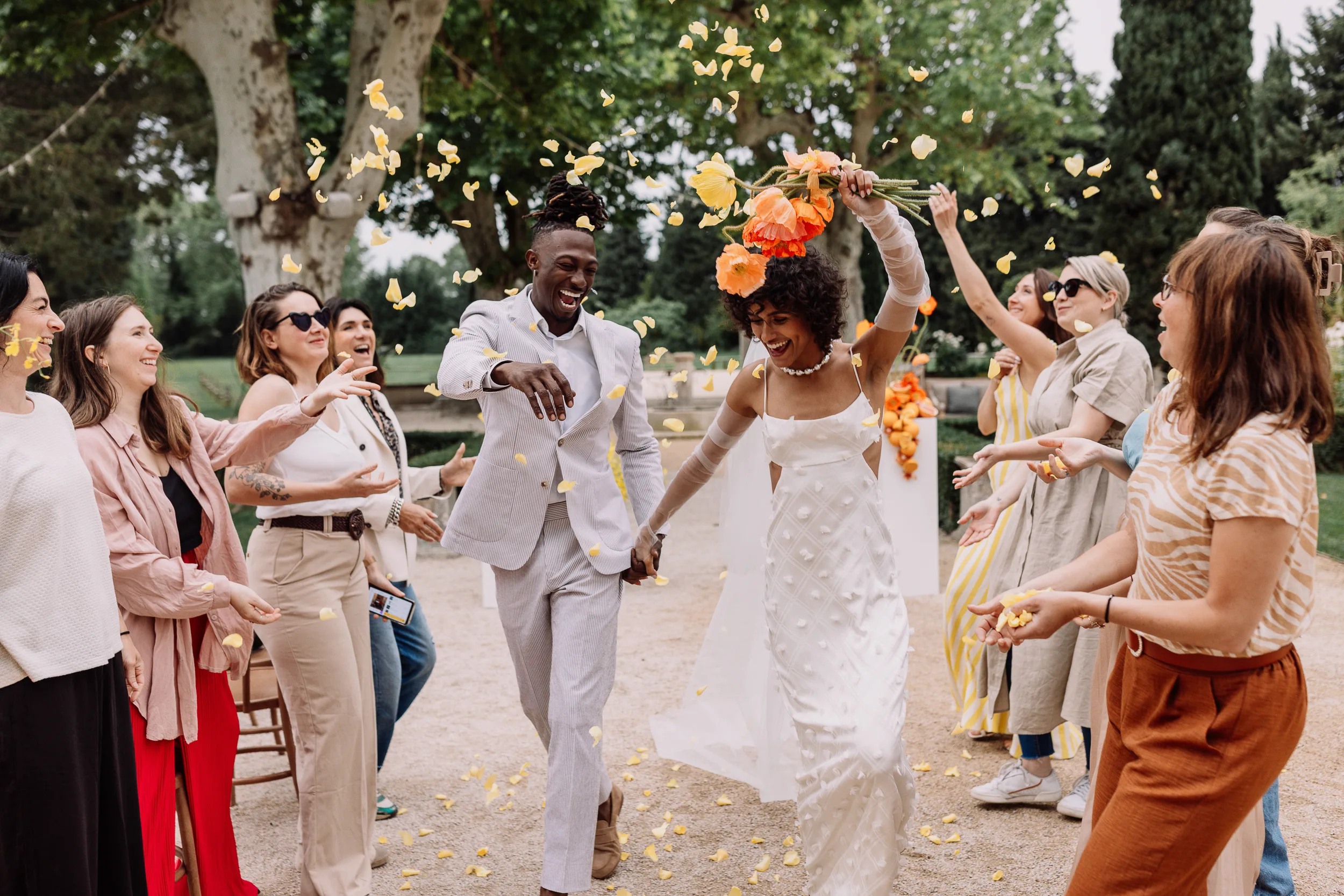
The international wedding industry has seen a significant shift toward cross-cultural "fusion" aesthetics, a trend epitomized by the recent release of the "Dolce Amore" editorial project. Conceived and executed by the acclaimed French photography and filmmaking duo Les Bandits, the project serves as a comprehensive visual exploration of the intersection between traditional Provencal sophistication and the vibrant, emotive spirit of the Italian "La Dolce Vita." Set against the historical backdrop of Le Mas d’Arvieux, a luxury estate located near Avignon in the South of France, the editorial provides a blueprint for high-end destination weddings that prioritize color, collaboration, and architectural heritage.
Strategic Vision and Creative Direction
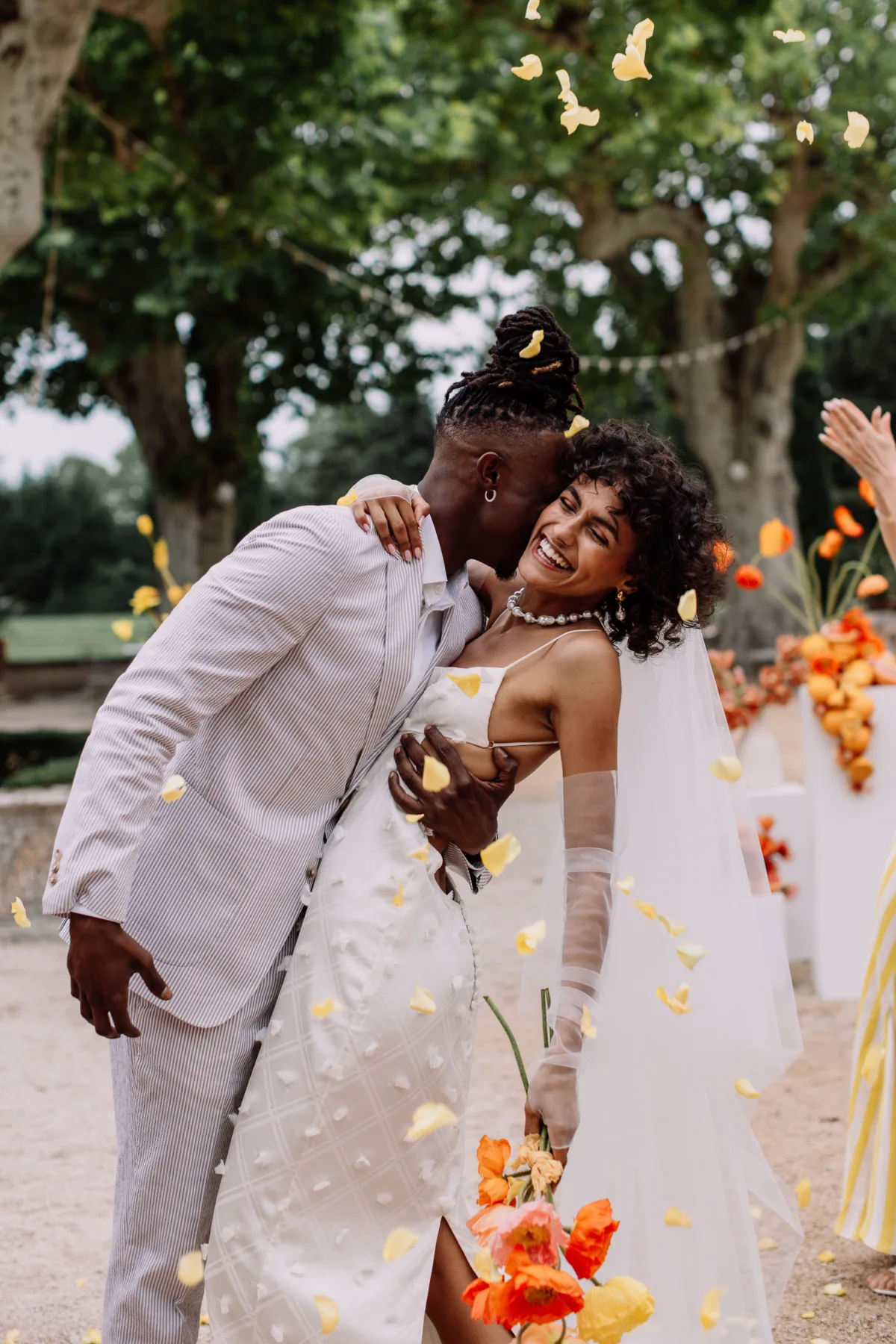
The "Dolce Amore" project was initiated by Les Bandits with the primary objective of showcasing how geographic boundaries in design can be blurred to create a cohesive, luxury experience. While the South of France is traditionally associated with a muted, pastel-heavy palette—lavenders, soft greys, and pale linens—Les Bandits and their primary partner, planning firm Artis Evenement, opted for a bold departure. The creative team utilized a spectrum of rich yellows and burnt oranges to create a visual counterpoint to the centuries-old stone and greenery of the venue.
According to the creative leads at Les Bandits, the project was designed to be more than a mere collection of photographs; it was intended as a narrative-driven "escape." The editorial depicts a couple whose connection is rooted in a shared appreciation for music and elegance, moving through a staged wedding day that transitions from quiet, stately moments to high-energy, celebratory sequences. This narrative approach reflects a broader movement in wedding photography toward "cinematic storytelling," where the goal is to capture the "essence" of an atmosphere rather than just the physical details of an event.
The Venue: Le Mas d’Arvieux and the Provencal Market
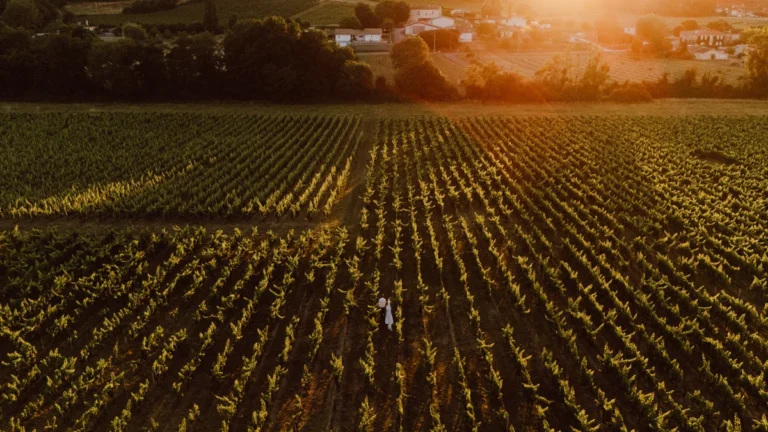
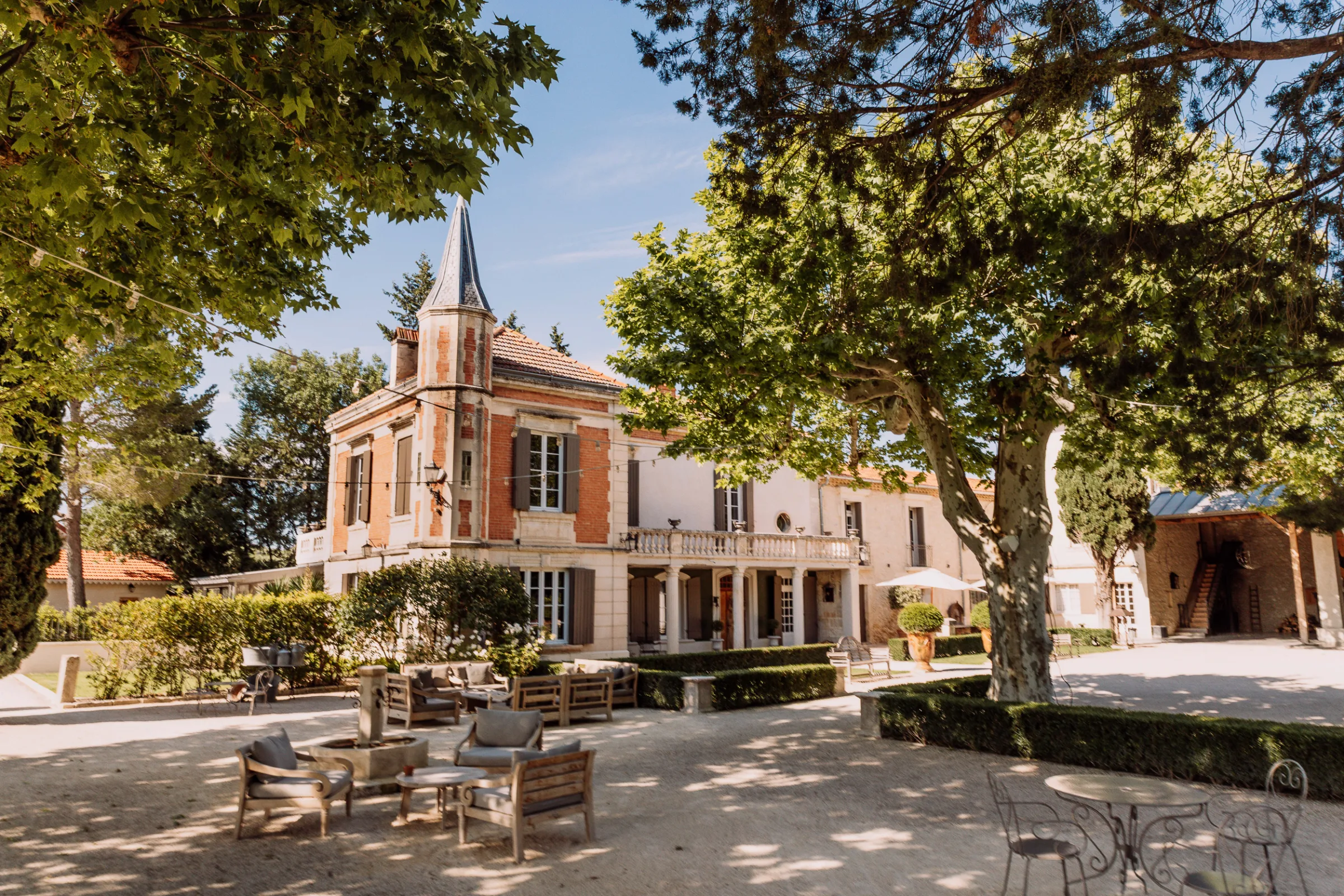
Central to the editorial’s success was the selection of Le Mas d’Arvieux. Situated in the heart of Provence, near the historic "City of the Popes," Avignon, the venue is a quintessential example of a Provencal "Mas"—a traditional farmhouse or estate. These venues have become the backbone of the French destination wedding market, which contributes significantly to the nation’s tourism revenue.
Provence-Alpes-Côte d’Azur (PACA) remains one of the most sought-after regions for international couples, particularly those from the United States, the United Kingdom, and Northern Europe. Market data suggests that the luxury wedding sector in France has shown remarkable resilience, with destination weddings often involving multi-day itineraries and higher-than-average per-guest spending. By choosing Le Mas d’Arvieux, Les Bandits tapped into a location that offers both the privacy of a rural estate and the architectural grandeur required for a high-fashion editorial. The venue’s ability to bridge the gap between "French sophistication" and "Italian sweetness" was the catalyst for the entire design concept.
Chronology of the "Dolce Amore" Narrative
The editorial follows a structured timeline that mirrors the flow of a modern, luxury wedding day. Each phase of the shoot was meticulously planned to highlight different facets of the venue and the styling.
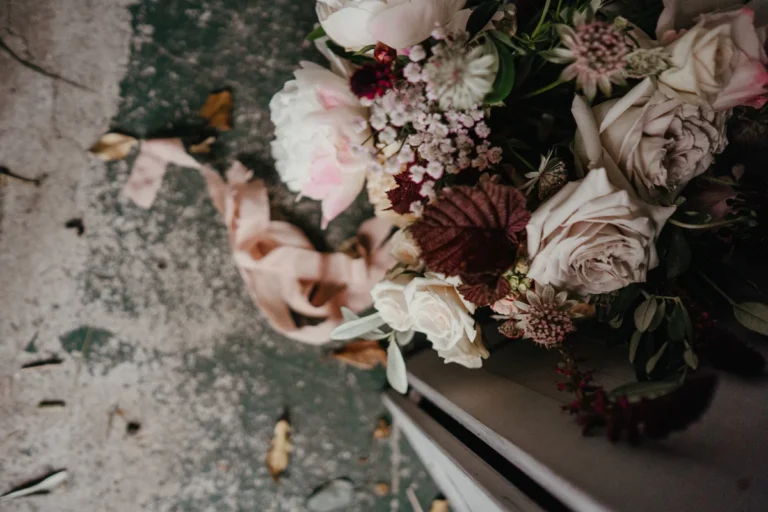
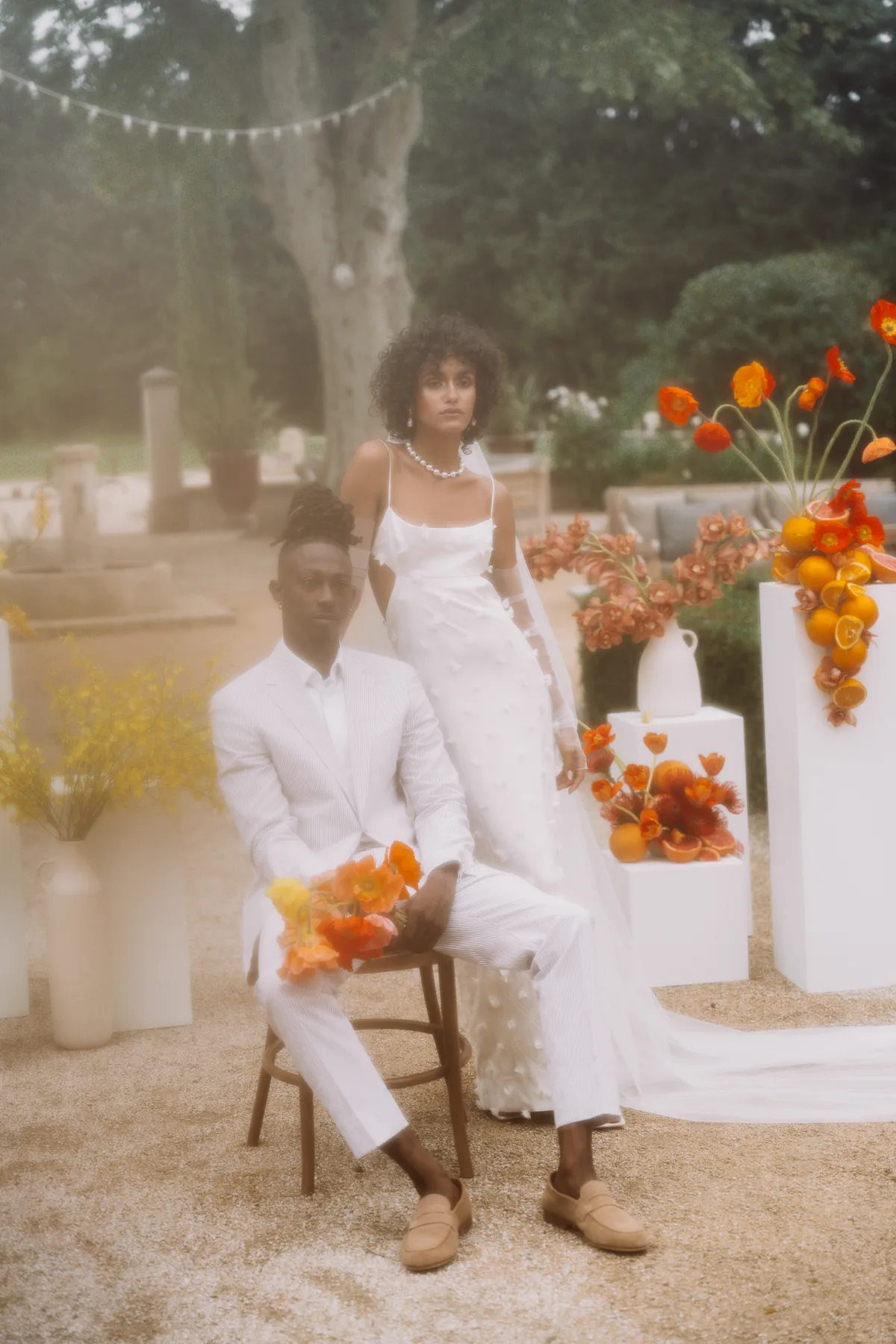
- The Arrival and Portraits: The shoot began with a focus on the couple within the expansive grounds of the Mas. The styling utilized white plinths—a modern, minimalist touch—to display vibrant floral arrangements. This juxtaposition of modern art-gallery aesthetics with a rustic outdoor setting set the tone for the "fusion" theme.
- The Staged Ceremony: Moving toward the core architecture of the estate, the ceremony imagery emphasized the emotional connection between the models. The use of a Black bride and groom was a conscious choice by the creative team to promote diversity and representation within the luxury European wedding space, an area that has historically lacked inclusive imagery.
- The Reception and "La Dolce Vita": The narrative reached its peak during the reception scenes. Moving away from the formal constraints of traditional wedding photography, these images captured the "spirit of freedom." This included the bride dancing on a masterfully styled table and the groom celebrating with champagne.
- The Golden Hour Finale: The editorial concluded by utilizing the specific lighting conditions of the South of France—the "golden hour"—to emphasize the warm tones of the burnt orange and yellow decor, reinforcing the theme of "long, golden evenings."
Design Elements and Aesthetic Analysis
The "Dolce Amore" editorial is a case study in the use of color theory to influence mood. The selection of Icelandic poppies, citrus fruits (specifically oranges and lemons), and textured linens served several purposes:
- Olfactory and Visual Integration: The use of fresh fruit in the decor was intended to evoke the "smell of summer," creating a multi-sensory mental image for the viewer.
- Color Contrast: The vibrant yellows and oranges were strategically placed against the neutral, sun-bleached stones of the Mas d’Arvieux. This ensured that the subjects and the decor "popped" in the frame, a hallmark of Les Bandits’ high-contrast photographic style.
- Styling Details: Artis Evenement focused on "thoughtful styling," which involved the use of varied heights, textures, and artisanal elements. The table settings were not merely functional but were treated as art installations, reflecting the trend of "tablescaping" that has dominated the luxury market over the last three years.
The Role of Professional Collaboration
A recurring theme in the production of "Dolce Amore" was the emphasis on professional synergy. Les Bandits have stated that the project was a celebration of "creative souls" working in tandem. In the wedding industry, editorials (or "styled shoots") are a vital currency for vendors. They allow professionals to experiment with trends that may not yet have been adopted by the general public and to build a portfolio that attracts a specific caliber of clientele.
For this project, the collaboration included planners, florists, stylists, and the venue management. Each party contributed to a unified vision, ensuring that the "Italian flair" did not feel forced or out of place in a French setting. This level of coordination is typical of the high-end market, where the "planner-photographer-florist" triad is essential for maintaining the aesthetic integrity of an event.
Industry Implications and Trends
The "Dolce Amore" editorial highlights several key trends currently shaping the global wedding industry:
- The Rise of Cross-Border Aesthetics: Couples are no longer tethered to the traditional aesthetics of their chosen location. A wedding in France can successfully incorporate Italian, Moroccan, or Californian influences if the design is executed with precision.
- Experiential Photography: There is a move away from static, posed shots toward "vibrating" imagery—photos that feel as though they are in motion. The shots of the couple dancing and spraying champagne are indicative of this shift toward "documentary-style" wedding photography.
- Bold Color Palettes: After a decade of "all-white" and "blush" weddings, the industry is seeing a resurgence of bold, saturated colors. The success of the "Dolce Amore" palette suggests that high-end clients are increasingly open to vibrant, unconventional color schemes.
- Diversity in Luxury: The inclusion of diverse models in high-concept European editorials is a necessary step in the evolution of the industry. It signals to a global audience that luxury destination weddings are inclusive and accessible to all backgrounds.
Conclusion: A Blueprint for the Modern Destination Wedding
The "Dolce Amore" editorial at Le Mas d’Arvieux stands as a significant contribution to the visual vocabulary of the 2024-2025 wedding seasons. By successfully merging the "timeless French sophistication" of Provence with the "joyful passion" of Italy, Les Bandits and Artis Evenement have provided a template for how heritage venues can be reimagined for a contemporary audience.
The project underscores the importance of the South of France as a premier hub for creative excellence in the wedding sector. As the industry continues to evolve, projects like "Dolce Amore" serve as both a source of inspiration for couples and a benchmark for professionals, proving that when elegance and freedom are given equal weight, the result is a "perfect marriage" of style and substance. Through the strategic use of color, the celebration of architectural history, and a commitment to collaborative artistry, the editorial captures the very essence of a modern European love story.