






As luxury department store Liberty London embarks on a significant strategic investment, committing to a substantial expansion of its renowned fabrics floor, Retail Managing Director Lydia King has articulated the profound rationale behind the business’s decision to double down on this cornerstone heritage division. This move, poised to redefine a key segment of Liberty’s offering, is not merely an internal renovation but a calculated reassertion of its foundational identity in an evolving luxury market.
A Return to Roots: Liberty’s Enduring Textile Legacy
Liberty London, founded by Arthur Lasenby Liberty in 1875, began its illustrious journey as an emporium dedicated to importing exotic fabrics and objets d’art from the East. Its very foundation was built upon a deep appreciation for textiles, patterns, and craftsmanship. Over nearly 150 years, the iconic Regent Street store has cultivated a global reputation for its distinctive Tana Lawn cotton, intricate prints, and an unparalleled selection of luxury fabrics. This heritage is not merely a historical footnote but a living testament to the brand’s DNA, influencing everything from its fashion lines to its homeware collections.
The decision to invest heavily in the fabrics division, as revealed by Lydia King in an exclusive interview on 23 July 2026, represents a strategic reaffirmation of this legacy. It signals a belief that in an increasingly digitized and fast-paced retail landscape, the tangible quality, creative potential, and inherent value of premium fabrics hold a significant and growing appeal for discerning consumers. This expansion is designed to elevate the customer experience, offering not just products but inspiration, expertise, and a connection to the art of creation itself.
Strategic Rationale: Why Fabric Now?
King’s vision for the expanded fabrics department is rooted in several converging market trends and consumer shifts observed over the past few years. The COVID-19 pandemic, surprisingly, acted as a catalyst for a resurgence in home-based creative pursuits, including sewing, quilting, and bespoke garment making. Many consumers rediscovered the joy and satisfaction of crafting with their hands, leading to an uptick in demand for quality materials.
Furthermore, the broader movement towards conscious consumption and sustainability has intensified. Consumers are increasingly seeking products with longevity, provenance, and a story. Luxury fabrics, especially those with Liberty’s unique design heritage and quality standards, fit perfectly into this ethos. They offer an antidote to fast fashion, empowering individuals to create durable, personalized items that reflect their unique style and values.
"We are witnessing a profound shift in how luxury is perceived and consumed," King explains. "It’s no longer solely about owning finished goods, but about the experience, the personal connection, and the potential for creative expression. Our fabrics division has always been a hub for creativity, and this expansion is about amplifying that, making it more accessible, more inspiring, and more central to the Liberty experience."
The Scope of the "Huge Expansion"
While specific financial figures for the investment were not disclosed, King indicated that the expansion involves a significant physical footprint increase within the store, alongside substantial upgrades to merchandising, staffing, and digital integration. The reimagined fabrics floor is expected to feature:
- Expanded Product Assortment: A wider and deeper selection of fabrics, encompassing not only Liberty’s signature prints but also an enhanced range of silks, wools, velvets, linens, and specialist textiles from international artisans. This will cater to diverse creative projects, from haute couture to interior design.
- Dedicated Design Consultation Zones: Personalized service areas where customers can consult with expert textile specialists, receiving guidance on fabric selection, pattern matching, and project planning. This bespoke service aims to demystify complex projects and foster a sense of creative community.
- Interactive Workshops and Masterclasses: A new experiential component, offering regular workshops on sewing techniques, pattern cutting, quilting, embroidery, and textile art. These educational programs are designed to attract both seasoned crafters and newcomers, fostering skill development and brand loyalty.
- Enhanced Digital Integration: Seamless online-to-offline shopping experiences, including virtual fabric swatches, augmented reality tools for visualizing patterns, and an expanded e-commerce platform dedicated to fabrics, allowing global access to Liberty’s unique collection.
- Curated Inspiration Galleries: Rotating displays showcasing finished garments, home furnishings, and art pieces created using Liberty fabrics, providing tangible examples of creative possibilities.
- Sustainability Hub: Information points detailing the provenance and ethical sourcing of fabrics, reinforcing Liberty’s commitment to responsible luxury.
This multi-faceted approach transforms the fabrics floor from a retail space into a creative destination, an educational institution, and a community hub, aligning with contemporary consumer desires for immersive and value-driven experiences.
Leadership Perspective: Lydia King’s Vision for the Future
Lydia King, a veteran in luxury retail management, brings a keen understanding of consumer psychology and market dynamics to her role. Her decision to champion this fabrics expansion is not impulsive but the result of meticulous market analysis and a deep appreciation for Liberty’s unique selling proposition.
"For too long, the fabric division, while beloved, may have been perceived by some as a niche interest," King observes. "Our strategy is to elevate it to the forefront, showcasing its relevance and transformative power across all aspects of modern luxury living. We’re not just selling fabric; we’re selling the potential for self-expression, the joy of creation, and the enduring beauty of handcrafted items."
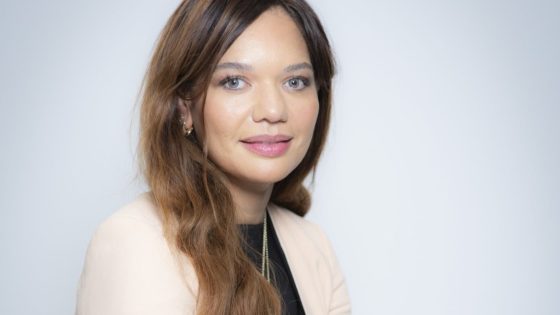
King emphasizes the role of personalization and bespoke luxury in today’s market. "In an era of mass production, the ability to create something truly unique, something that perfectly reflects one’s individual taste, is the ultimate luxury. Our fabrics empower customers to be their own designers, to craft narratives through textiles that are deeply personal and meaningful."
She also highlights the role of the expanded division in attracting a new generation of consumers. "Younger generations, in particular, are incredibly engaged with sustainability, DIY culture, and ethical consumption. They value authenticity and creativity. By investing in our fabrics, we are directly addressing these values, inviting them into the Liberty universe in a way that resonates profoundly."
Market Dynamics and Supporting Data
The global luxury textiles market, estimated to be valued at over $150 billion annually, has shown consistent growth, driven by demand from the fashion, interior design, and increasingly, the bespoke and DIY segments. Post-pandemic analyses by leading market research firms indicate a significant surge in interest for craft-related hobbies. For instance, a 2024 report by Euromonitor International noted a 15% year-on-year increase in online searches for "luxury fabric for sewing" and "bespoke textile projects" across key Western markets. Similarly, data from Pinterest and Instagram shows a consistent rise in engagement with content related to home sewing, quilting, and custom garment creation, particularly among millennials and Gen Z.
Liberty’s own internal data has supported this trend. The existing fabrics department, despite its historical footprint, has reportedly seen a 20% increase in sales volume over the past two years, with a notable rise in sales of higher-priced silks and artisanal blends. This organic growth, coupled with the broader market indicators, provided compelling evidence for the strategic expansion. The average transaction value in the fabrics department has also outpaced other divisions, indicating a willingness among customers to invest in quality raw materials.
Furthermore, the move positions Liberty to capitalize on the "slow fashion" movement, which advocates for higher quality, fewer items, and ethical production. By providing the means for customers to create their own lasting pieces, Liberty directly contributes to this movement, enhancing its brand image as a responsible and forward-thinking luxury retailer.
Broader Industry Implications
Liberty’s significant investment in its fabrics division could send ripples across the luxury retail landscape. In an era where many department stores are struggling to differentiate themselves and compete with online giants, Liberty’s strategy offers a blueprint for leveraging heritage and experiential retail. It suggests that focusing on niche strengths, rather than trying to be all things to all people, can be a powerful differentiator.
Other luxury retailers might observe Liberty’s success in this area and consider similar investments in artisanal, bespoke, or experiential offerings. The move could also stimulate innovation within the textile industry itself, encouraging manufacturers to develop new sustainable materials, innovative patterns, and specialized finishes to meet the growing demand from a sophisticated consumer base.
For the fashion industry, this emphasis on raw materials could foster a renewed appreciation for craftsmanship and textile design at the foundational level. It might inspire designers to think more creatively about sourcing and the narrative potential of fabrics, moving beyond purely aesthetic considerations to embrace the story and sustainability of the material itself.
Future Outlook and Potential Challenges
While the outlook for Liberty’s expanded fabrics division appears promising, King acknowledges potential challenges. Sourcing the highest quality, ethically produced fabrics from around the globe requires robust supply chain management and a commitment to fair trade practices. Maintaining a diverse and inspiring inventory while navigating global economic fluctuations and geopolitical events will be an ongoing task.
Educating and engaging a broad customer base, from seasoned textile artists to curious beginners, will also require continuous effort and innovative programming. The success of the workshops and consultation services will depend on the caliber of expert staff and the relevance of the curriculum.
However, King remains optimistic. "This investment is not just about expanding a department; it’s about investing in the soul of Liberty. It’s about empowering creativity, celebrating heritage, and defining a new paradigm for luxury retail that is deeply rooted in authenticity and experience."
By betting big on fabric, Liberty London is not just renovating a floor; it is meticulously weaving a new chapter in its storied history, ensuring its place as a beacon of creativity and craftsmanship in the 21st century luxury market. The expanded fabrics division is poised to become a vibrant hub, drawing in a global community united by a love for textiles and the boundless possibilities they offer.