







The contemporary fashion landscape is undergoing a significant transformation, driven by growing consumer awareness of ethical and environmental concerns. However, the journey towards truly accessible sustainable fashion remains fraught with challenges, particularly for consumers seeking options that align with specific sizing and budget requirements. This complex intersection of values—sustainability, inclusivity, and affordability—often presents a formidable barrier, leaving many feeling excluded from the burgeoning ethical movement. Good On You, a platform dedicated to rating brands’ impact, has leveraged its comprehensive ratings system to spotlight brands that are actively addressing these multifaceted demands, including names like Yes Friends, SeamsFriendly, Joyya, Amble Outdoors, and Big Bud Press. These pioneering companies are demonstrating a viable path forward for a more equitable and responsible apparel industry.
The Dual Challenge: Size Inclusivity and Affordability in Ethical Fashion
For years, the sustainable fashion movement, while gaining vital momentum, has faced criticism for its perceived elitism and lack of representation. Two primary hurdles consistently emerge: the scarcity of size-inclusive options and the often prohibitive price points. These issues are not merely minor inconveniences but systemic barriers that prevent a broad spectrum of consumers from participating in a more responsible fashion ecosystem. Addressing these interconnected challenges is crucial for sustainable fashion to transition from a niche market to a mainstream imperative.
The struggle to find sustainable clothing in a wider range of sizes, particularly beyond traditional standardized sizing (often ending at XL or 2XL), has been a persistent point of contention. Despite the parallel rise of body-positive movements and ethical fashion advocacy, their convergence has been notably slow. Industry observers and consumer groups have frequently highlighted this disconnect, noting that designers and brands have often prioritized one ethos over the other. This forces plus-size shoppers, who represent a significant market segment, into a difficult position, often having to compromise on either their values or their fit. Market research from entities like Coresight Research indicates that the global plus-size apparel market is valued in the hundreds of billions of dollars, yet its needs have historically been underserved by both mainstream and sustainable brands. This oversight not only alienates a large consumer base but also undermines the very principle of inclusivity that many ethical movements champion. The lack of options can lead to feelings of exclusion and a sense that ethical consumption is reserved for a particular body type.
Concurrently, the cost of sustainable fashion frequently deters potential buyers. Compared to the ultra-low prices offered by fast fashion retailers, garments produced under ethical conditions often carry a higher price tag. This disparity is not arbitrary; it reflects the true cost of production. Ethical clothing typically incorporates living wages for garment workers, employs more responsible manufacturing processes that reduce environmental impact, utilizes audited and certified suppliers, and often involves higher-quality, lower-impact materials such as organic cotton, recycled synthetics, or innovative bio-based fibers. Fast fashion’s business model, conversely, relies on rapid production cycles, exploitation of labor in low-wage countries, and cheap, often environmentally damaging, materials, leading to artificially deflated prices. This has, over time, distorted consumer perceptions of what clothing "should" cost. Advocates for sustainable consumption often promote the "cost-per-wear" principle, where the value of an item is assessed by its durability and the number of times it can be worn. Investing in higher-quality, ethically produced garments, though more expensive upfront, often proves more economical and sustainable in the long run compared to frequently replacing disposable, fast fashion items that quickly wear out or fall apart.
The Evolving Landscape of Ethical Fashion and Consumer Empowerment
The increasing pressure from informed consumers and dedicated advocacy groups has prompted a gradual but discernible shift within the sustainable fashion industry. What began as a niche movement focused primarily on environmental impact is now expanding to encompass broader social justice issues, including equitable labor practices, fair wages, and genuine inclusivity in sizing. This evolution reflects a growing understanding that true sustainability must be holistic, addressing both planetary and human well-centric concerns.
Historically, many early sustainable brands emerged with limited production capabilities and often catered to a more affluent demographic, offering designs in a narrow size range. This created a perception that ethical fashion was a luxury, out of reach for most. However, over the past decade, a new wave of brands has begun to challenge this narrative. Driven by a commitment to democratize sustainable choices, these pioneers are demonstrating that it is possible to integrate responsible production with accessible pricing and comprehensive sizing. The proliferation of online platforms and direct-to-consumer models has also played a crucial role, allowing these brands to reduce overheads and pass savings onto consumers, thereby making ethical choices more attainable. For example, brands that control their entire supply chain from farm to finished garment can often achieve greater cost efficiencies and transparency.
Good On You’s rigorous ratings system serves as a vital tool in this evolving landscape, offering transparency and guidance to consumers. By meticulously assessing brands across criteria related to people (labor practices, fair wages), planet (resource use, waste, emissions), and animals (animal welfare policies), the platform empowers shoppers to make informed decisions that align with their personal values. The current focus on identifying affordable and size-inclusive brands represents a direct response to persistent consumer feedback and a proactive effort to accelerate the industry’s shift towards genuine equity. This initiative is part of a broader trend where organizations are actively curating and recommending brands that meet these expanded criteria, acknowledging that sustainable fashion must be for everyone.
Pioneering Brands Leading the Charge for Inclusivity and Affordability
In response to the growing demand for ethical fashion that doesn’t compromise on fit or budget, several brands are now actively addressing the historical shortcomings in size inclusivity and affordability. These companies are not merely offering token extended sizes but are integrating inclusive design and fair pricing into their core business models, setting new benchmarks for the industry.
-
Yes Friends: Hailing from the UK, Yes Friends exemplifies the possibility of combining ethics with extreme affordability. By optimizing large-scale production and employing a direct-to-consumer model, the brand offers organic cotton t-shirts at remarkably low prices (e.g., £7.99 for a t-shirt that costs less than £4 to make). Their sizing, extending from 2XS to 4XL, demonstrates a clear commitment to reaching a broad consumer base without compromising on their ethical stance. This approach challenges the notion that ethical basics must be expensive, proving that transparent pricing and responsible production can coexist.
-
Q for Quinn: Focused on non-toxic and eczema-friendly essentials for all ages, Q for Quinn utilizes organic and responsibly sourced materials. With sizing from XS to 3XL, the brand provides comfortable, high-quality basics that cater to health-conscious consumers and families, proving that specialized, ethical products can also be inclusively sized and budget-friendly. Their dedication to using safe materials addresses another layer of ethical consumer concern.
-
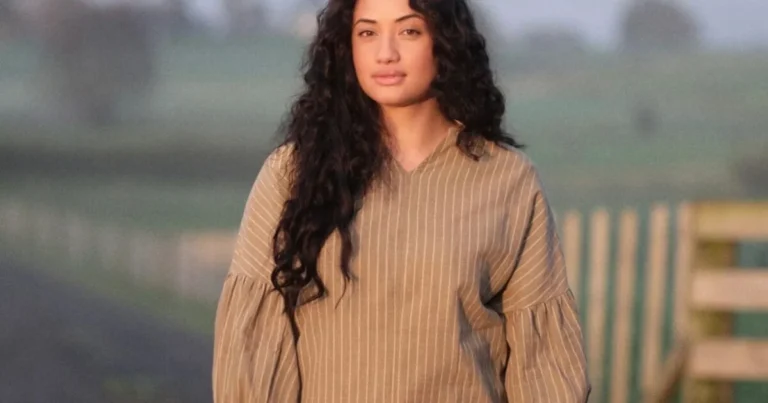
Joyya: This New Zealand-based brand, with its roots in Kolkata, India, goes beyond sustainable production by actively fostering social change. Joyya produces organic apparel while creating stable, good-paying jobs in communities impacted by extreme poverty and human trafficking. Offering sizes from XS to 4XL, Joyya demonstrates that ethical manufacturing can be a powerful tool for social upliftment, providing quality products that are accessible in both fit and relative cost. Their mission-driven approach adds significant social value to each purchase.
-
SeamsFriendly: A true leader in size inclusivity, SeamsFriendly offers an extraordinary range from 4XS to 16XL and beyond through complimentary custom sizing. This brand’s dedication to tailored clothing for all body types, coupled with options for customizing necklines, sleeve lengths, and fabrics, revolutionizes the concept of inclusive fashion. Their use of lower-impact materials like organic cotton and linen further solidifies their commitment to ethical practices, making high-quality, perfectly fitting garments available to virtually everyone. This model addresses a fundamental need for personalized fit often overlooked in mass production.
-
Purusha People: This brand specializes in activewear with organic, plant-based materials designed for comfort and performance. With sizes from XS to 4XL, Purusha People ensures that ethical and comfortable yoga and activewear are available to a wider array of body shapes, emphasizing natural materials and dainty details in their designs. Their focus on natural fibers reduces microplastic shedding common in conventional activewear.
-
Miakoda: Also focusing on organic, plant-based active and loungewear, NYC-based Miakoda offers comfortable pieces in stripped-back colors and designs. Their sizing, from XS to 4XL, caters to a broad audience, proving that sustainable, cozy essentials can be both inclusive and stylish. Miakoda’s minimalist aesthetic promotes longevity and versatile styling.
-
Happy Earth: A B Corp certified brand, Happy Earth Apparel is a US-based company inspired by nature and dedicated to its preservation. Offering sizes from XS to 3XL, they utilize organic materials and low-waste cutting techniques, tracing most of their supply chain. Their commitment to ethical practices and broad sizing makes sustainable living more accessible, aligning purchases with tangible environmental action.
-
Kotn: This Canadian B Corp brand works closely with local NGOs in the Nile Delta to provide education to children in their farming communities, funded by every purchase. Kotn offers high-quality, ethically made basics in sizes XS to 2XL, proving that social responsibility can be deeply embedded in a brand’s mission while still offering competitive pricing for its well-crafted garments. Their direct involvement in community development provides a strong social impact narrative.
-
PACT: Committed to transforming apparel manufacturing, PACT ensures all its clothing is sweatshop-free and child-labor-free. Their activewear range, largely made from certified organic cotton and over 50% Fair Trade certified, comes in sizes XS to 2XL. PACT stands as a testament to combining rigorous ethical standards with everyday wearability and accessible pricing, making certified ethical basics a reality for many.
-
Subset (Knickey): Formerly Knickey, Subset specializes in organic cotton underwear made in Fairtrade certified factories. With an expansive size range from 2XS to 4XL, they also promote circularity by partnering with an NYC non-profit to recycle old undergarments. This brand demonstrates a holistic approach to sustainability, from ethical production to end-of-life solutions, while prioritizing inclusive sizing for essential garments.
-
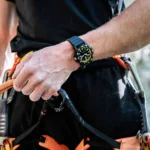
Amble Outdoors: This Australian brand (formerly Team Timbuktu) offers high-performance waterproof raincoats and sweat-wicking outdoor wear made from recycled plastic bottles. Their commitment to sustainability is matched by their size inclusivity, offering sizes from XS to 4XL, ensuring that eco-conscious adventurers of all shapes can find suitable gear. Amble Outdoors exemplifies how performance wear can also be ethically produced and broadly accessible.
-
Smartwool: A Colorado-based outdoors brand known for its performance merino wool socks and base layers. Utilizing ZQ Merino certified wool, Smartwool provides durable and functional clothing in sizes XS to 4X, catering to outdoor enthusiasts who prioritize both performance and responsible sourcing. Their commitment to responsible wool sourcing addresses specific animal welfare concerns within the industry.
-
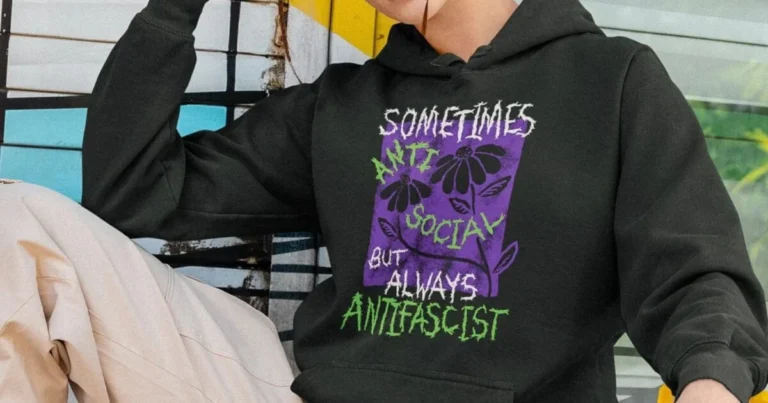
Big Bud Press: Based in LA, Big Bud Press offers colorful, size-inclusive, and unisex clothing that forms the foundation of many wardrobes. With an impressive size range from 2XS to 6XL, the brand traces most of its supply chain and avoids animal-derived materials, making it a vibrant option for those seeking ethical and broadly accessible fashion staples. Their bold aesthetic combined with comprehensive sizing speaks to a diverse customer base.
-
Known Supply: This US-based B Corp certified brand aims to humanize the apparel industry by celebrating the people who make and wear their clothing. Offering sizes from XS to 4XL, Known Supply provides sustainable options that foster transparency and connection, demonstrating how ethical production can be both empowering and widely available. Their practice of featuring the garment maker’s signature on each item adds a personal touch to ethical consumption.
-
Etiko: An Australian pioneer in organic and Fair Trade clothing and shoes, Etiko consistently advocates for the human rights of workers in the supply chain. With sizes from 2XS to 3XL, Etiko sets a high standard for ethical production, proving that a deep commitment to social justice can be integrated across a diverse product range, from apparel to footwear. Their long-standing presence in the ethical market underscores their enduring commitment.
Broader Implications and the Path Forward for Sustainable Fashion
The emergence and growth of these brands carry significant implications for the wider fashion industry. They demonstrate that the long-held excuses for neglecting size inclusivity and affordability in sustainable fashion are no longer tenable. As consumer demand for ethical and accessible options continues to surge, mainstream brands will face increasing pressure to adapt their practices, lest they risk alienating a growing segment of the market. This shift has the potential to democratize sustainable living, making it a viable choice for a much larger population, not just a privileged few. Industry reports suggest that consumers, especially younger generations, are increasingly prioritizing brands that align with their values, making inclusivity and ethical production non-negotiable for future market relevance.
Furthermore, this movement underscores the interconnectedness of social and environmental justice within the fashion supply chain. Brands that prioritize fair wages, safe working conditions, and environmental stewardship are inherently more likely to extend their ethical considerations to consumer accessibility, including size and price. The growing transparency in the industry, facilitated by organizations like Good On You, empowers consumers to hold brands accountable and reward those that genuinely commit to a holistic approach to sustainability. This creates a positive feedback loop, encouraging more brands to adopt comprehensive ethical frameworks.
Beyond purchasing new items, the broader sustainable fashion ecosystem emphasizes circularity. Strategies such as buying second-hand, repairing existing garments, and rediscovering and restyling one’s current wardrobe remain crucial. Platforms like Vestiaire Collective, eBay, thredUP, Depop, Vinted, and The Plus Bus Boutique offer excellent avenues for extending the life cycle of clothing, providing affordable and inherently sustainable alternatives. These practices complement the efforts of new ethical brands, fostering a comprehensive approach to responsible consumption that minimizes waste and maximizes resource utilization. The growth of the resale market, projected to outpace fast fashion, further reinforces the viability of circular models.
The convergence of affordability, size inclusivity, and ethical production marks a critical juncture for the fashion industry. It signifies a move away from exclusive, often compromised, models towards a more equitable and sustainable future where everyone can participate in conscious consumption without sacrificing fit or financial prudence. The continued evolution of brands and consumer expectations promises a more inclusive and responsible fashion world for all.