



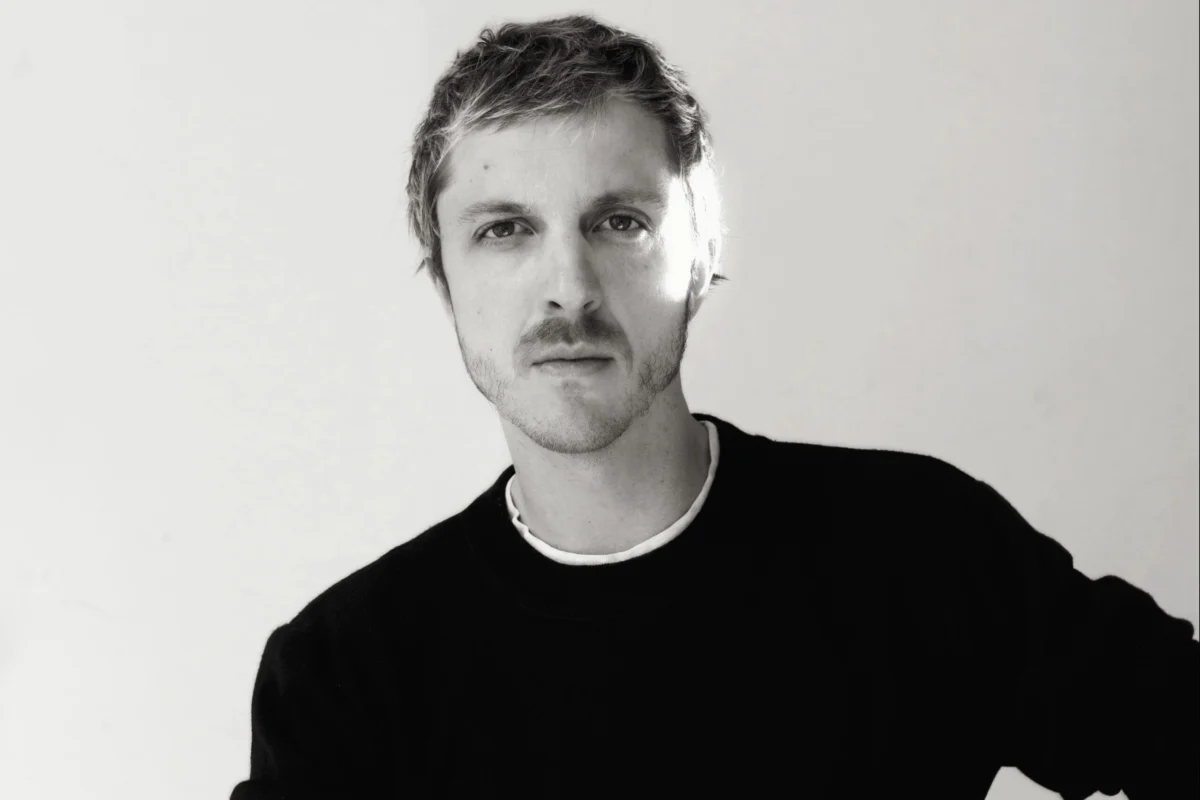
Glenn Martens, the visionary Belgian designer who spearheaded a dramatic revitalization of Diesel, will step down as creative director following the brand’s Spring/Summer 2027 runway presentation in Milan on 22 September 2026. The announcement marks the conclusion of a transformative six-year tenure that successfully repositioned the Italian denim powerhouse from a legacy label into a central pillar of contemporary luxury-streetwear culture.
The Evolution of a Brand Under Martens
When Glenn Martens was appointed creative director in October 2020, Diesel was navigating a period of stagnation. The brand, founded by Renzo Rosso in 1978, had struggled to maintain its relevance in an increasingly digital and trend-driven fashion landscape. Martens, who had previously earned critical acclaim for his avant-garde work at Y/Project, was brought in with a clear mandate: to modernize the brand’s identity while honoring its heritage in denim craftsmanship.
Martens’ impact was immediate and profound. He introduced a "Diesel-core" aesthetic, characterized by experimental silhouettes, distressed treatments, and an aggressive, Y2K-inspired approach to logo-mania. By blurring the lines between high fashion and utilitarian workwear, he successfully tapped into the zeitgeist of Gen Z consumers. His tenure was defined by viral runway moments, highly curated collaborations, and a strategic pivot toward digital-first marketing, which allowed the brand to re-enter the conversation among global fashion influencers and luxury retailers alike.

Chronology of a Tenure
The trajectory of Martens’ time at Diesel can be categorized into three distinct phases of growth and stabilization:
- October 2020: Glenn Martens is named creative director of Diesel, tasked with overseeing all aspects of the brand, from design to global communications.
- June 2021: The debut collection under his direction is unveiled. The collection serves as a manifesto, introducing an elevated aesthetic that emphasizes technical construction and sustainable production methods.
- February 2022: Diesel returns to the Milan Fashion Week schedule with a massive, high-production runway show. This event is widely cited as the turning point for the brand’s public perception, signaling a return to prominence.
- 2023–2024: Martens expands the brand’s footprint by focusing on circularity and innovative material development, including the introduction of "Diesel Library," a collection dedicated to permanent, sustainable denim staples.
- September 2026: Martens confirms his departure, culminating in his final SS27 showcase, marking the end of a six-year creative chapter.
Strategic Impact and Supporting Data
The commercial success of Martens’ tenure is reflected in the parent company, OTB Group’s, financial disclosures. Under his leadership, Diesel experienced a sustained period of double-digit revenue growth. Industry analysts note that the "Martens effect" was not merely aesthetic; it was structural. By streamlining the brand’s supply chain and focusing on a more cohesive, "halo" collection strategy, Diesel successfully elevated its average price point, moving away from mass-market discounting and toward a more premium positioning.
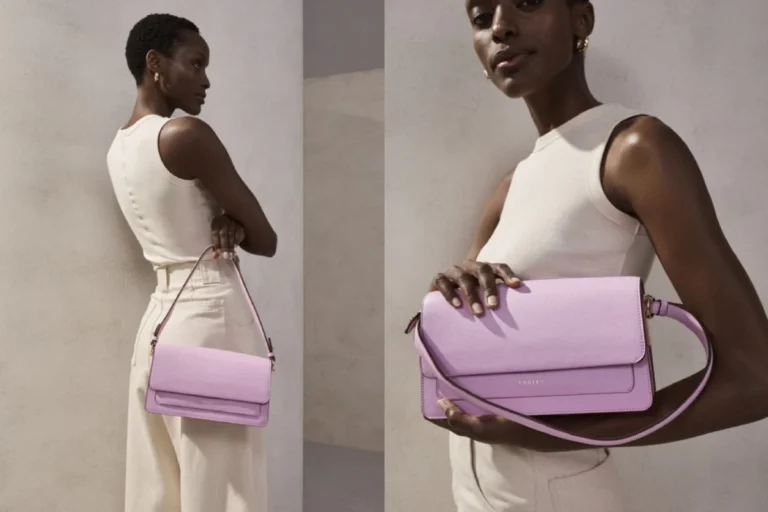
According to industry metrics, Diesel’s social media engagement and earned media value (EMV) saw a significant uptick following the 2022 rebranding. The "1DR" handbag, a cornerstone of his accessories strategy, became one of the most searched items in the fashion industry for consecutive quarters between 2023 and 2025. This success proved that Martens could balance the commercial necessity of volume with the creative requirements of prestige.
Industry Reaction and Official Sentiment
While official statements from OTB Group regarding a successor have not yet been released, industry insiders suggest that the search for a new creative lead is already underway. The company is expected to look for a candidate who can maintain the momentum established by Martens while potentially steering the brand toward a new phase of long-term sustainable growth.

In private briefings, executives within the OTB ecosystem have praised Martens for his ability to translate a niche, avant-garde sensibility into a mass-market success story. His peers in the industry have lauded his technical proficiency—specifically his handling of denim as a medium for complex tailoring—a skill set that remains rare in the current fashion landscape. The departure is described by internal sources as an amicable conclusion to a successful contractual cycle, allowing both the designer and the house to pursue new trajectories.
The Broader Implications for Luxury Denim
The exit of a creative director of Martens’ stature serves as a bellwether for the wider fashion industry. As luxury brands continue to grapple with the "quiet luxury" versus "maximalism" debate, the challenge for Diesel will be to retain the edginess Martens cultivated without losing the commercial stability he helped restore.
The current retail environment, characterized by cautious consumer spending and a cooling of the post-pandemic luxury boom, suggests that brands are becoming increasingly selective about their creative leadership. Diesel’s transition will be closely watched by investors and competitors alike. The focus will likely remain on whether the brand can continue to command its current price points in the absence of the designer who defined its modern identity.
Looking Ahead: The Future of Diesel
As the industry prepares for the SS27 presentation, the focus remains on the legacy Martens leaves behind. His work has effectively bridged the gap between the disruptive energy of the early 2000s and the sophisticated expectations of today’s luxury consumer. Whether the next chapter for Diesel involves a similar creative departure or a period of consolidation remains to be seen.
The appointment of a new creative lead will likely prioritize someone who can manage the delicate balance of OTB’s portfolio, which includes brands like Maison Margiela and Jil Sander. The challenge for the incoming director will be to continue the momentum of the "Diesel-core" aesthetic while injecting a fresh perspective that aligns with evolving consumer habits regarding sustainability and digital-physical integration.
Ultimately, Glenn Martens’ departure marks the end of a pivotal era for Diesel. He leaves the brand in a demonstrably stronger position than he found it, having successfully revitalized its image and cemented its place in the global fashion hierarchy. The upcoming Milan show will serve not only as a final runway appearance but as a retrospective of a six-year period that redefined what a denim brand could achieve in the high-fashion space. As the industry moves forward, the influence of the "Martens years" is expected to be felt in the brand’s design language for years to come, providing a foundation upon which the next creative director will be tasked to build.
For the OTB Group, the priority remains the continuity of the brand’s commercial momentum. The transition period, while inherently a time of uncertainty, presents an opportunity for the company to refine its strategy for the late 2020s, ensuring that Diesel remains a relevant force in an increasingly competitive global marketplace. The final show on 22 September will be an industry highlight, drawing global attention to the next chapter of a brand that has proven its capacity for reinvention time and time again.