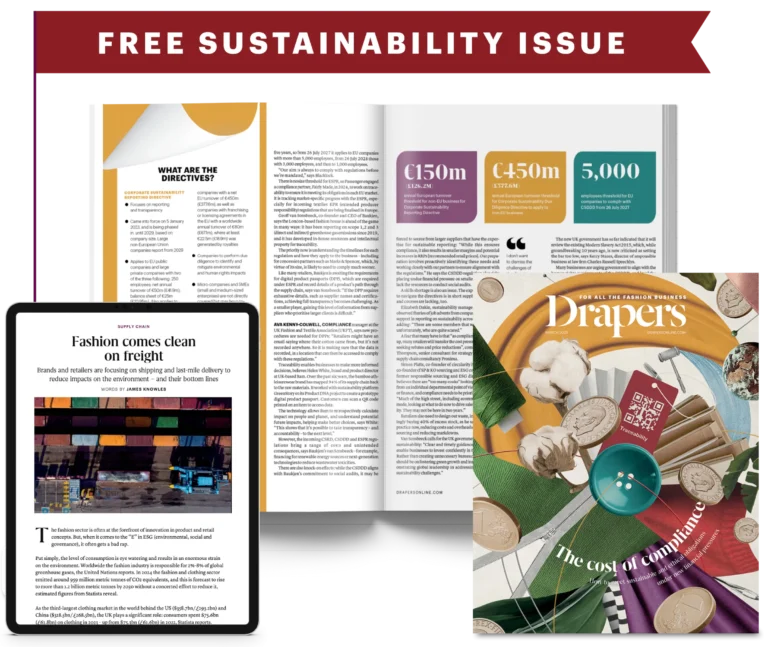











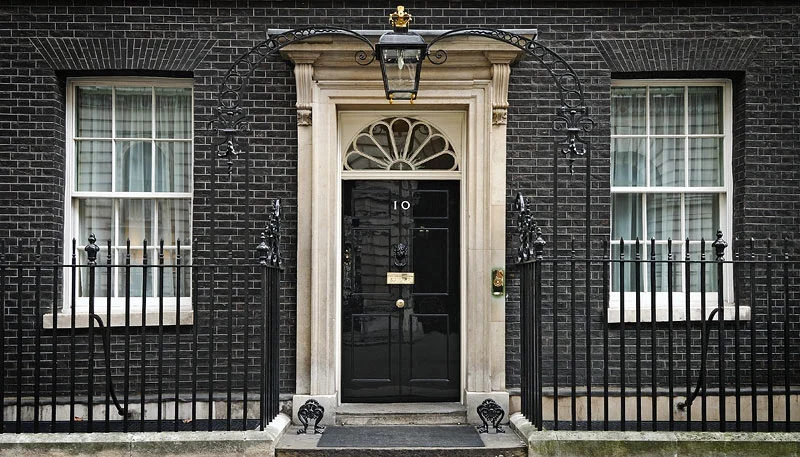
Andy Burnham, the prominent MP for Makerfield and the undeniable frontrunner in the race to become the United Kingdom’s next prime minister and leader of the Labour party, has unveiled an ambitious policy platform centred on the creation of a "No.10 North" and a commitment to positioning high streets at the vanguard of what he terms "Britain’s renaissance." Published on June 29, 2026, this strategic vision has garnered significant attention, particularly within the beleaguered retail sector, with industry publication Drapers capturing the palpable sense of optimism and engagement from fashion retail stakeholders regarding his prospective leadership plans. The proposals signal a potential paradigm shift in national governance and urban development, promising to rebalance the economic landscape and breathe new life into the nation’s often-struggling town centres.
The Vision: Decentralisation and Urban Renewal
Burnham’s "No.10 North" concept is not merely a symbolic gesture but a fundamental proposition for radical governmental decentralisation. It envisages a significant relocation of central government functions, departments, and decision-making powers away from Westminster and Whitehall to a major northern city, likely Manchester or Liverpool, mirroring similar moves seen in other European nations. This initiative is designed to foster a more regionally representative government, bringing policy closer to the communities it serves and stimulating economic growth outside the traditional London-centric hub. Proponents argue that such a move would not only distribute wealth and opportunities more evenly across the UK but also ensure that regional perspectives are intrinsically woven into the fabric of national policy-making. This aligns with a broader national discourse on "levelling up," a concept that has gained cross-party traction in recent years, albeit with varying approaches to its implementation.
Coupled with this, Burnham’s pledge to put high streets at the front of "Britain’s renaissance" represents a direct address to one of the most visible and widely felt symptoms of economic decline in many towns and cities. His agenda suggests a comprehensive strategy extending beyond mere retail support to encompass a holistic revitalisation of urban spaces. This includes transforming high streets into vibrant community hubs that blend retail with leisure, cultural activities, public services, and residential living. The emphasis is on creating resilient, adaptable spaces that can withstand future economic shocks and evolving consumer behaviours, moving away from a sole reliance on traditional brick-and-mortar retail to a more diversified ecosystem.
Andy Burnham’s political journey lends weight to these proposals. As the current Mayor of Greater Manchester, he has cultivated a reputation as a champion for regional empowerment and has actively pursued initiatives aimed at improving local transport, housing, and social care within his devolved authority. His prior experience in various ministerial roles, including Secretary of State for Culture, Media and Sport, and Secretary of State for Health, provides him with a deep understanding of complex policy implementation and public service delivery, reinforcing the perception of his readiness for national leadership.
The Retail Sector’s Predicament: A Call for Change
For over a decade, the UK high street has faced a relentless onslaught of challenges, transforming once bustling arteries of commerce into landscapes dotted with vacant units and "to let" signs. The rise of e-commerce, accelerated dramatically by the COVID-19 pandemic, fundamentally shifted consumer habits, with online retail accounting for approximately 27.5% of all retail sales in the UK by early 2026, a significant jump from pre-pandemic levels. This digital migration has placed immense pressure on physical stores, which often grapple with high operational costs, primarily punitive business rates.
Business rates, a property tax levied on commercial properties, have long been criticised by the retail industry as an antiquated and disproportionate burden, especially for high street businesses. Unlike online retailers, who incur lower property costs, physical stores must contend with rates that often do not reflect current market conditions or profitability. Data from the British Retail Consortium (BRC) consistently highlighted that business rates were one of the largest fixed costs for retailers, often exceeding rent in many cases. In 2025, the BRC reported that retail businesses paid over £7 billion in business rates, a figure many considered unsustainable given the sector’s tight margins.
Beyond business rates and e-commerce, high streets have also contended with declining footfall, a consequence of changing commuting patterns, increased out-of-town retail park development, and a general erosion of local community infrastructure. A study by Springboard in late 2025 revealed an average national high street vacancy rate of 14.5%, with some regions experiencing figures upwards of 20%. This economic backdrop, further exacerbated by inflationary pressures and a cost-of-living crisis impacting consumer spending power, has created a fertile ground for proposals that offer genuine hope for regeneration. Burnham’s focus on high streets is thus not just a policy choice but a recognition of a national crisis that impacts local economies and community well-being.
"Heartened" Responses from the Industry
The retail sector’s reaction to Andy Burnham’s proposals has been overwhelmingly positive, marked by a sense of cautious optimism and a readiness to engage. Leaders across the industry, from major fashion conglomerates to independent boutique owners, have expressed encouragement, viewing his agenda as a potentially transformative moment for British retail.
Helen Dickinson, Chief Executive of the British Retail Consortium (BRC), while maintaining the organisation’s non-partisan stance, released a statement acknowledging the significance of Burnham’s focus. "The BRC has long advocated for a fundamental overhaul of business rates and a strategic national plan for high street regeneration," Dickinson stated. "Any leadership agenda that prioritises these critical issues, and acknowledges the vital role retail plays in job creation and community building, is a welcome development. We look forward to engaging with all political parties on concrete proposals that can deliver a sustainable future for our town centres."
For the fashion retail sector, specifically addressed by Drapers, the proposals resonate deeply. Sarah Mather, CEO of the Fashion Retail Association (FRA), commented, "Fashion retail thrives on experience, discovery, and community. For too long, our high streets have struggled to provide the vibrant backdrop necessary for these elements to flourish. Andy Burnham’s commitment to ‘Britain’s renaissance’ through high streets, coupled with the promise of regional investment via ‘No.10 North,’ offers a compelling vision. This could unlock significant opportunities for job growth in fashion retail, particularly outside of London, and foster innovation in physical retail spaces."
Local business leaders also voiced their enthusiasm. John Davies, owner of an independent menswear boutique in Leeds and Chair of the Leeds Chamber of Commerce Retail Committee, remarked, "Hearing a potential Prime Minister speak so passionately about high streets and regional growth is incredibly heartening. We’ve seen countless initiatives come and go, but the combination of decentralising power and directly investing in urban centres feels different. It suggests a long-term commitment rather than a short-term fix. Reduced business rates, coupled with funds for public realm improvements, could be a game-changer for businesses like mine, attracting more footfall and encouraging local spending." These sentiments underscore the widespread desire for decisive action and a strategic framework to revitalise retail environments.
Key Policy Pillars and Their Potential Impact
Burnham’s broad vision for high street revitalisation is expected to be underpinned by several key policy pillars, each designed to address specific challenges and foster sustainable growth.
Business Rates Reform: Central to any retail recovery plan, the Labour party has indicated a willingness to fundamentally reform or even replace the current business rates system. While specific details remain under wraps, proposals could include shifting the tax burden away from property values towards a system that better reflects a business’s turnover or profitability, or a land value tax that incentivises development. Such reforms would significantly reduce the operational costs for high street retailers, allowing them to invest more in staff, store improvements, and competitive pricing, thereby enhancing their viability against online rivals. The BRC estimates that a significant reduction in business rates could free up billions for investment across the sector.
High Street Regeneration Funds: Beyond tax reform, Burnham’s agenda is likely to include substantial, ring-fenced funds for high street regeneration. These funds would empower local authorities, working in partnership with community groups and businesses, to undertake projects such as renovating dilapidated buildings, creating attractive public spaces, improving transport links, and supporting mixed-use developments. This could involve direct grants for facade improvements, pop-up shop initiatives, and grants for businesses adapting to omnichannel retail. Successful regeneration projects globally have demonstrated that strategic investment in public realm improvements can significantly increase footfall and local spending.
Digital Transformation & Infrastructure: Recognising the irreversible shift towards digital, the plan is expected to include support for high street businesses to adapt and thrive in an omnichannel world. This could involve grants for digital skills training, subsidies for e-commerce platform integration, and investment in ultra-fast broadband connectivity for all high street businesses. Ensuring that physical stores can seamlessly integrate with online sales channels and provide innovative digital experiences is crucial for their long-term survival.
Local Authority Empowerment: A core tenet of "No.10 North" is the devolution of power. For high streets, this means granting local authorities greater control over planning regulations, licensing, and local taxation powers. Empowering councils to make swift, tailored decisions that reflect local needs – from repurposing vacant units to tackling anti-social behaviour – would enable more agile and effective regeneration efforts. This contrasts with the current system, where national planning rules can often hinder local innovation.
"No.10 North" and Regional Investment: The broader impact of decentralising government will create new regional economic hubs, drawing in public and private sector investment, skilled labour, and a new demographic of residents. This influx would directly benefit high streets in these northern cities, increasing footfall, demand for diverse retail and leisure offerings, and fostering a more dynamic urban environment. The creation of a governmental "gravitational pull" outside London could catalyse a significant rebalancing of the UK economy, with high streets in newly empowered regions becoming beneficiaries.
Chronology of High Street Decline and Revival Efforts
The narrative of the British high street over the past few decades is one of gradual erosion punctuated by intermittent, often unsuccessful, revival attempts. The 1980s and 90s saw the rise of out-of-town retail parks and shopping centres, drawing consumers away from traditional town centres. The advent of the internet in the late 90s and early 2000s marked the beginning of e-commerce’s ascent, a trend that accelerated rapidly following the 2008 financial crisis, which tightened consumer belts and forced many businesses to cut costs.
Successive governments have acknowledged the plight of the high street. In 2011, the Portas Review, led by retail guru Mary Portas, proposed 28 recommendations for high street revival, including the appointment of "town team leaders" and reducing parking charges. While some pilot projects saw limited success, a comprehensive, sustained national strategy was largely absent. Later initiatives, such as the Future High Streets Fund (launched 2018) and the Towns Fund (launched 2019), injected millions into specific projects, but their impact has been fragmented, often insufficient to counteract the systemic pressures facing the sector. The COVID-19 pandemic in 2020 delivered an unprecedented blow, forcing widespread closures and accelerating the shift to online shopping, leaving many high streets in an even more precarious state. Burnham’s proposals are thus seen as an evolution, learning from past limitations and offering a more integrated, long-term, and politically central solution.
Challenges and Implementation Hurdles
While the optimism surrounding Burnham’s agenda is palpable, the scale of the task ahead should not be underestimated. Implementing such a transformative vision presents numerous challenges. The sheer cost of relocating significant government functions and undertaking nationwide high street regeneration will require substantial public investment, potentially running into billions of pounds. Securing the necessary funding and managing the national budget amid other competing priorities will be a formidable task.
Furthermore, successful decentralisation and high street revitalisation demand unprecedented levels of coordination between national government, devolved administrations, local authorities, private businesses, landlords, and community groups. Overcoming bureaucratic inertia, fostering genuine collaboration, and ensuring that local needs genuinely inform national policy will be critical. There may also be political resistance to decentralisation from vested interests in Westminster or from regions not selected as the primary "No.10 North" hub.
The transformation of high streets is also a long-term endeavour. It requires sustained political commitment across electoral cycles, avoiding the stop-start nature of previous initiatives. Landlords, who often hold significant sway over high street properties, will need to be engaged and incentivised to adapt their leasing models and embrace mixed-use developments. Ultimately, the success of Burnham’s agenda will hinge on its ability to translate ambitious rhetoric into tangible, on-the-ground improvements that resonate with businesses and the public alike.
Broader Implications: Beyond Retail
The potential implications of Andy Burnham’s leadership agenda extend far beyond the immediate economic benefits to the retail sector. A revitalised high street, supported by decentralised governance, has profound social, environmental, and cultural consequences.
Socially, thriving high streets act as crucial community hubs, fostering local identity, reducing isolation, and providing spaces for social interaction and cultural exchange. They contribute to a sense of place and belonging, strengthening community bonds. Environmentally, encouraging local shopping and mixed-use developments can reduce reliance on car travel, decrease carbon emissions from logistics, and promote more sustainable urban living patterns. Economically, the rebalancing of power and investment away from London could lead to a more equitable distribution of wealth and opportunity across the UK, addressing long-standing regional disparities and creating a more resilient national economy. Symbolically, a successful "Britain’s renaissance" spearheaded by vibrant high streets would send a powerful message of national renewal and confidence on the global stage.
In conclusion, Andy Burnham’s leadership agenda, particularly his twin proposals of a "No.10 North" and placing high streets at the heart of national revival, has resonated deeply with a retail sector desperate for change. As the frontrunner for Prime Minister and Labour leader, his vision offers a comprehensive, long-term strategy to address systemic challenges, moving beyond piecemeal interventions to a holistic approach. While the path to implementation will undoubtedly be complex and fraught with challenges, the initial "heartened" response from fashion retail and the broader industry signals a readiness to embrace a potentially transformative era for Britain’s high streets under a Burnham premiership. The coming months will be crucial in translating this ambitious vision into concrete policy, shaping the future of retail and the very fabric of British communities.