







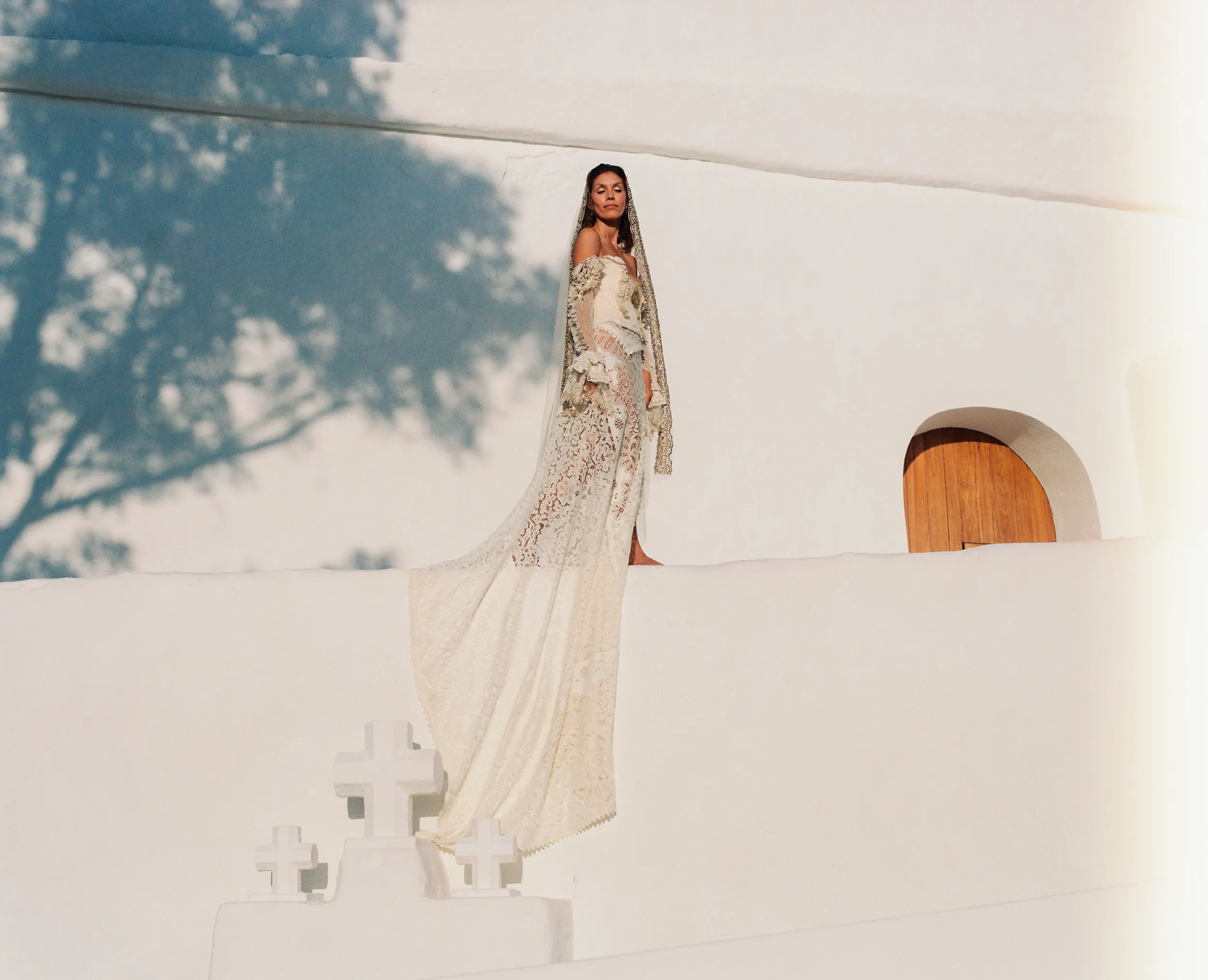
The intersection of historic Mediterranean architecture and contemporary bespoke bridal design has been captured in a new editorial titled Devotion, featuring the artisanal work of Julita London at the Puig de Missa in Santa Eulària, Ibiza. This collaborative project, spearheaded by London-based designer Julita London and photographed by Clarissa Sofía Studio, serves as a high-profile showcase for the "Sylvie" gown, a centerpiece of the designer’s acclaimed Dear. series. The editorial, which also features cinematic contributions from filmmaker Maddi Jean Waterhouse, explores the themes of heritage, craftsmanship, and the evolving nature of the bespoke wedding industry. By placing a one-of-a-kind, hand-worked garment within the 16th-century fortified walls of one of Ibiza’s most significant landmarks, the creative team has established a narrative that prioritizes the "slow fashion" movement over mass-produced bridal trends.
The Sylvie Gown and the Conceptual Framework of the Dear. Series
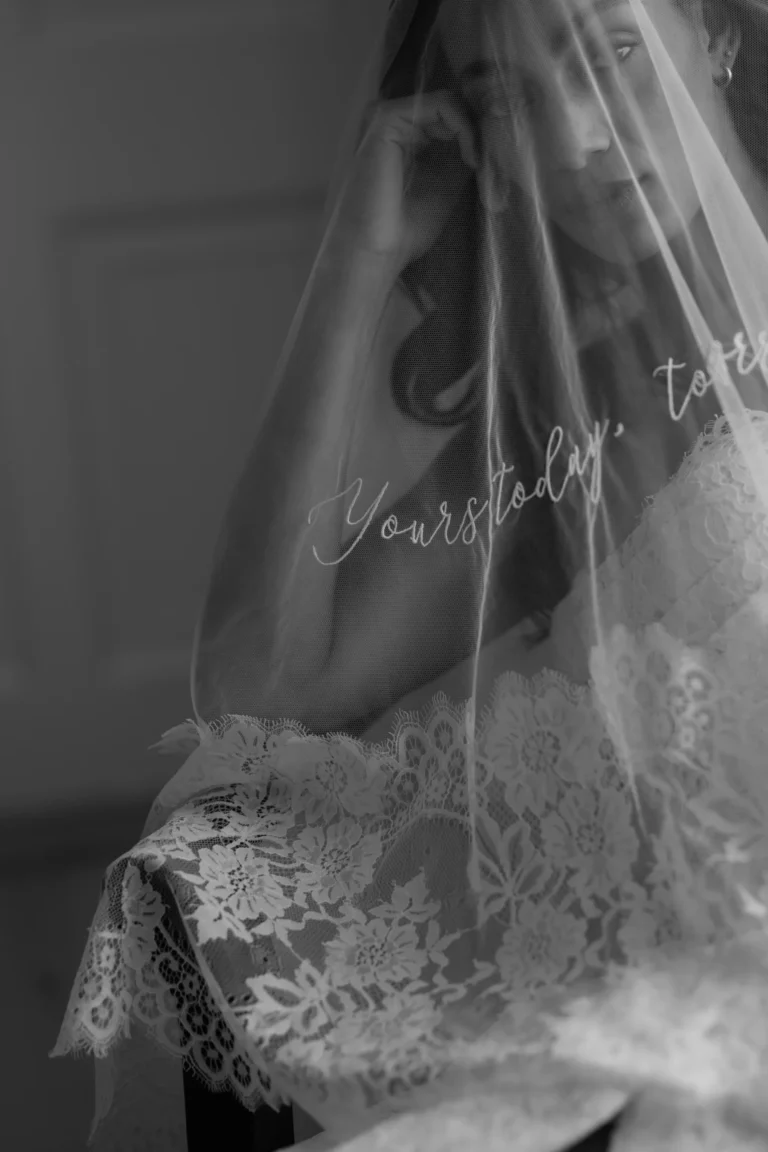
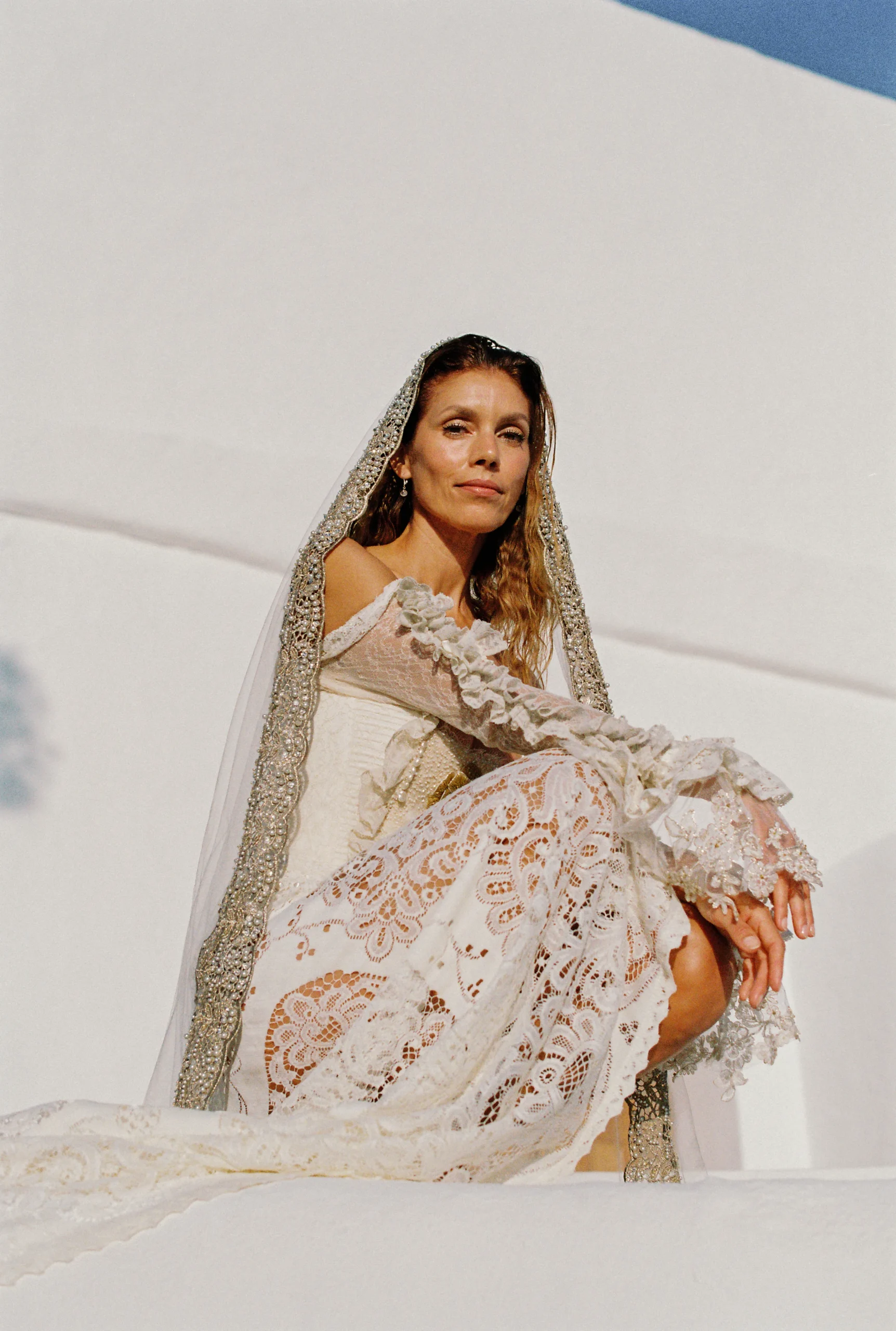
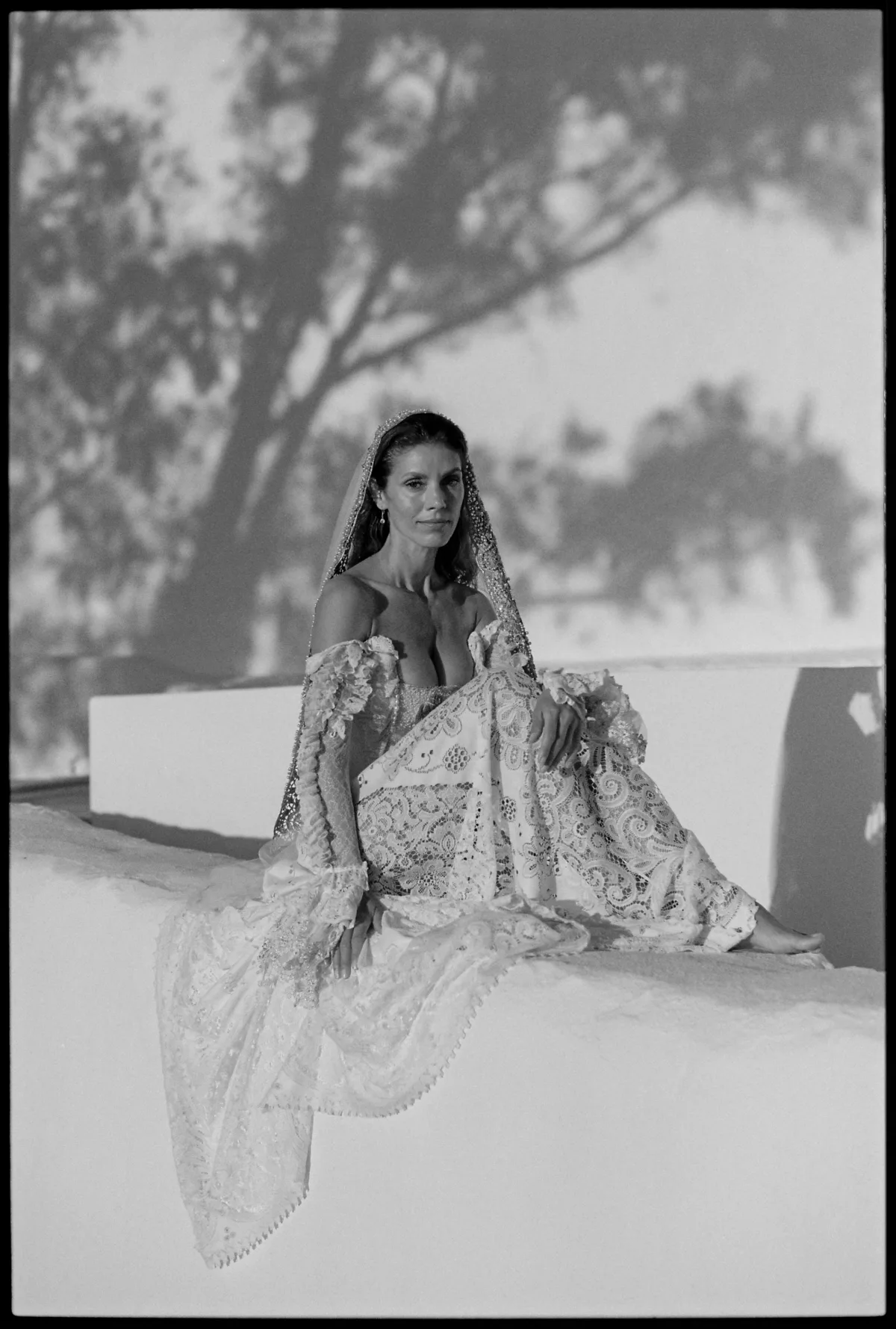
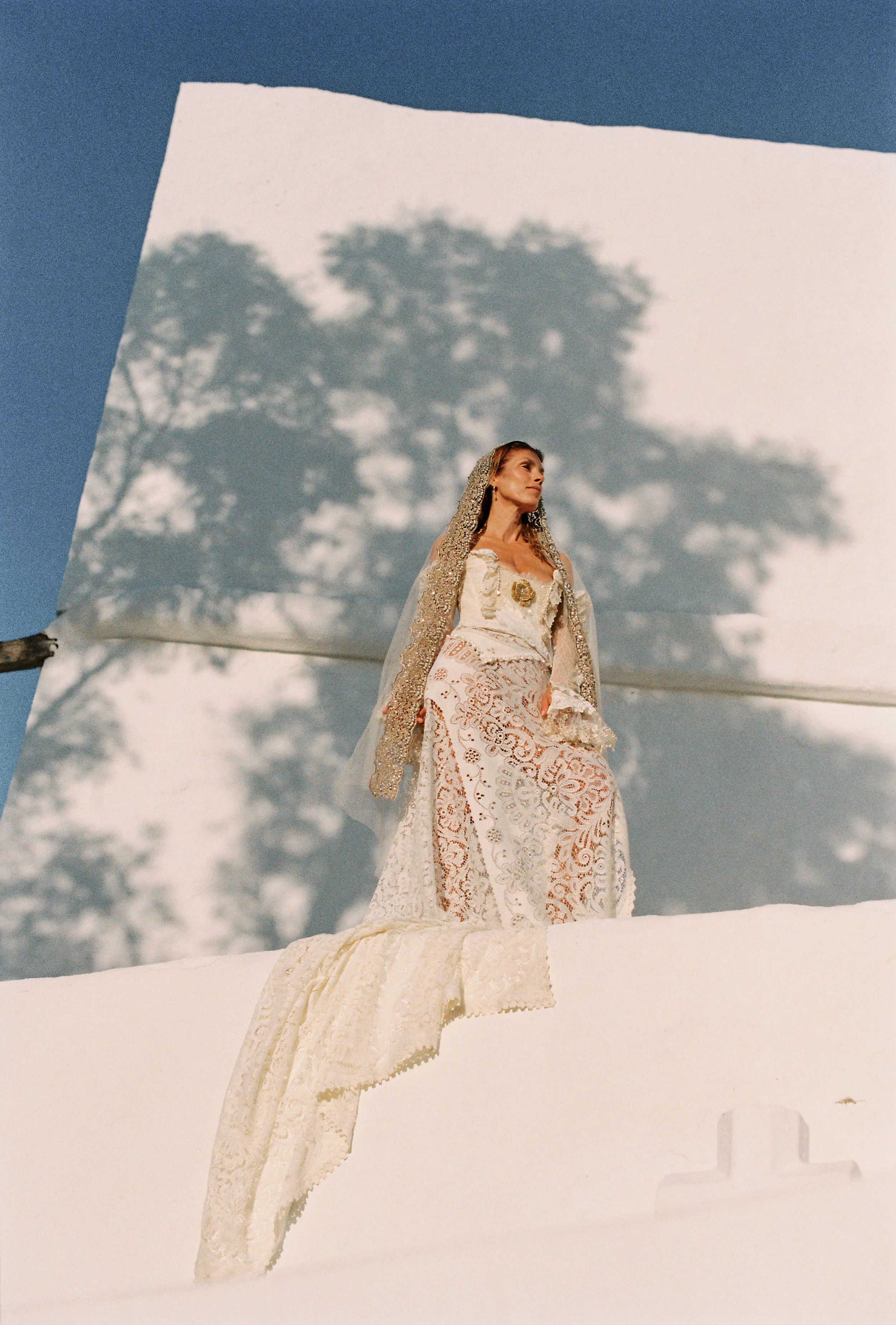
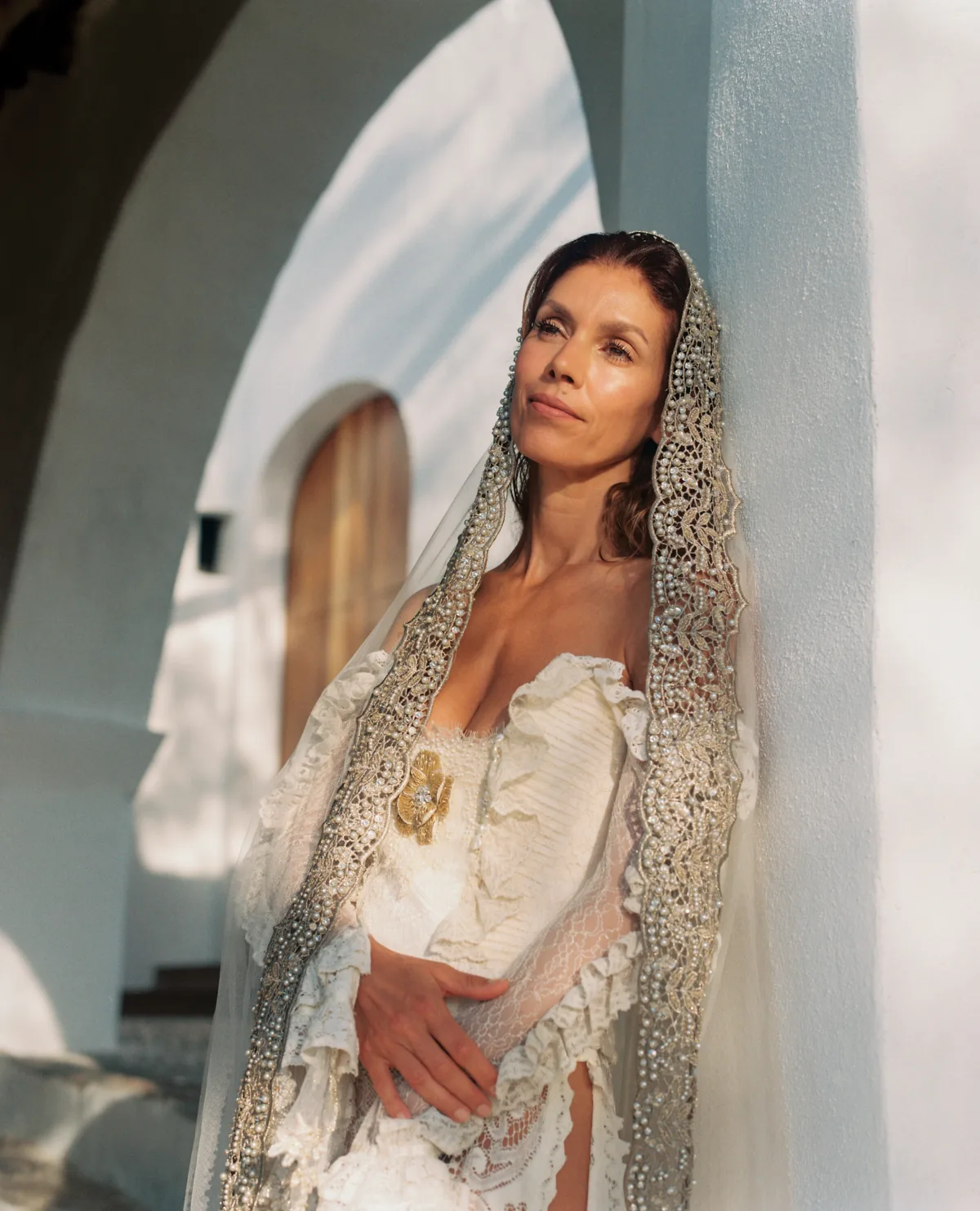
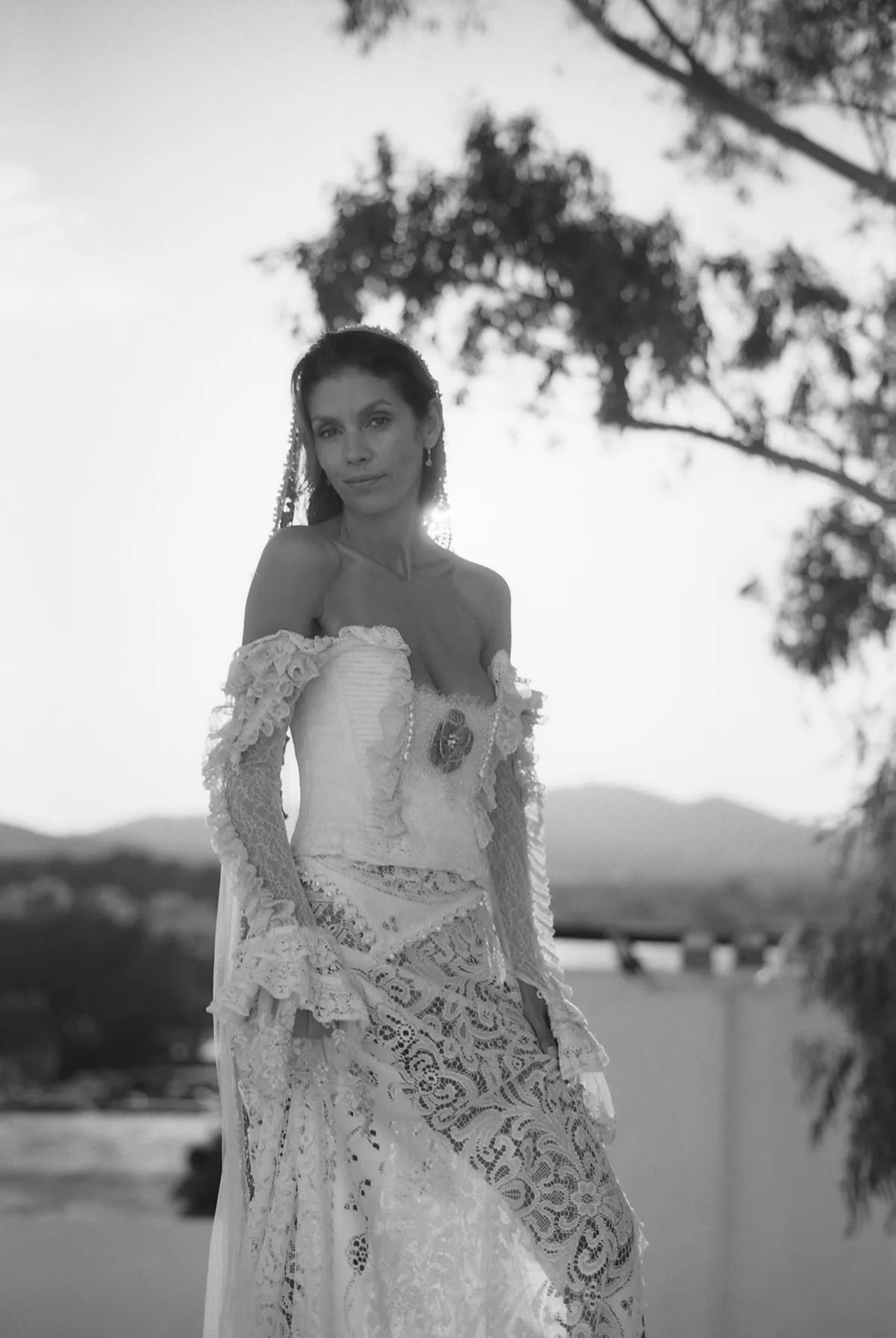
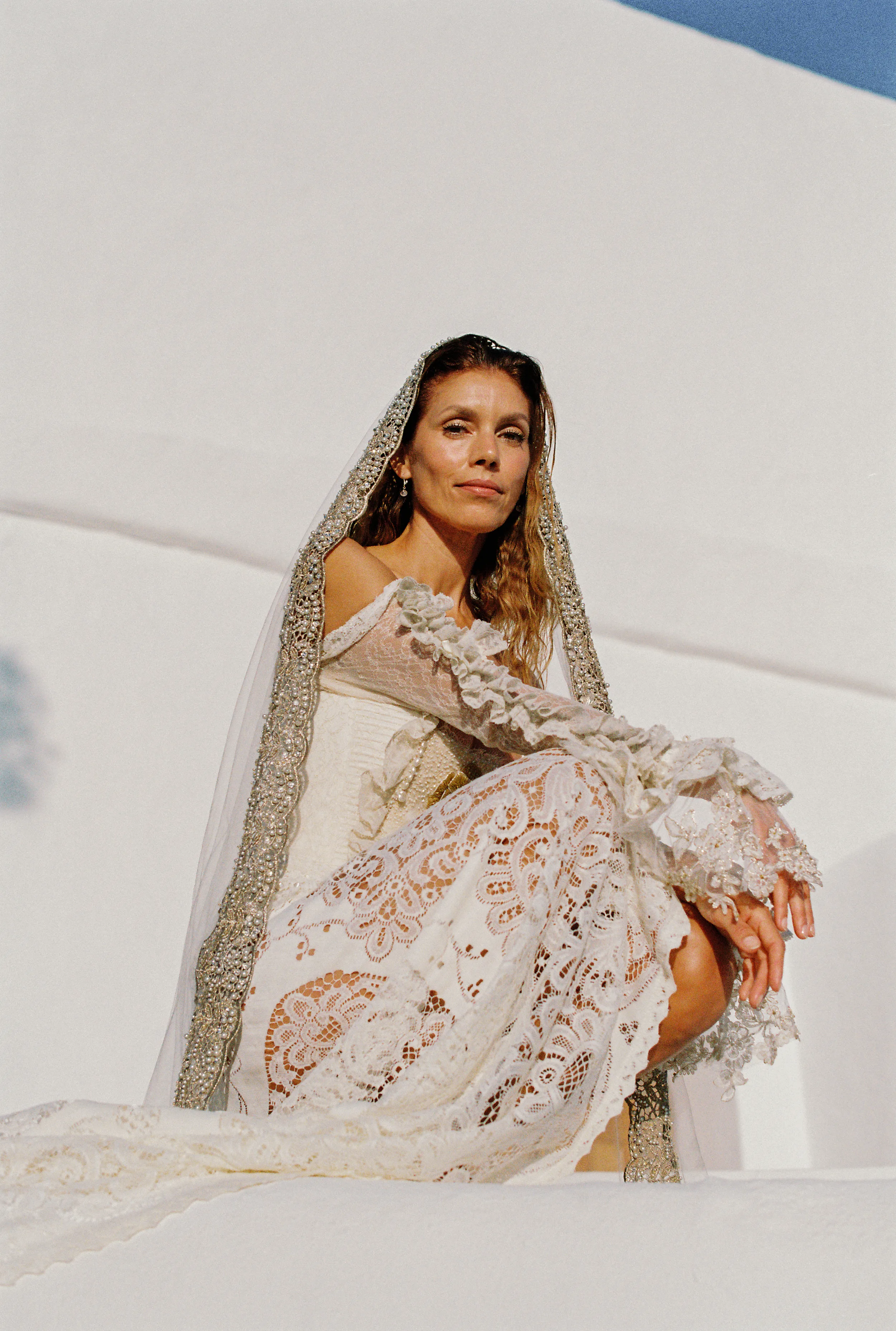
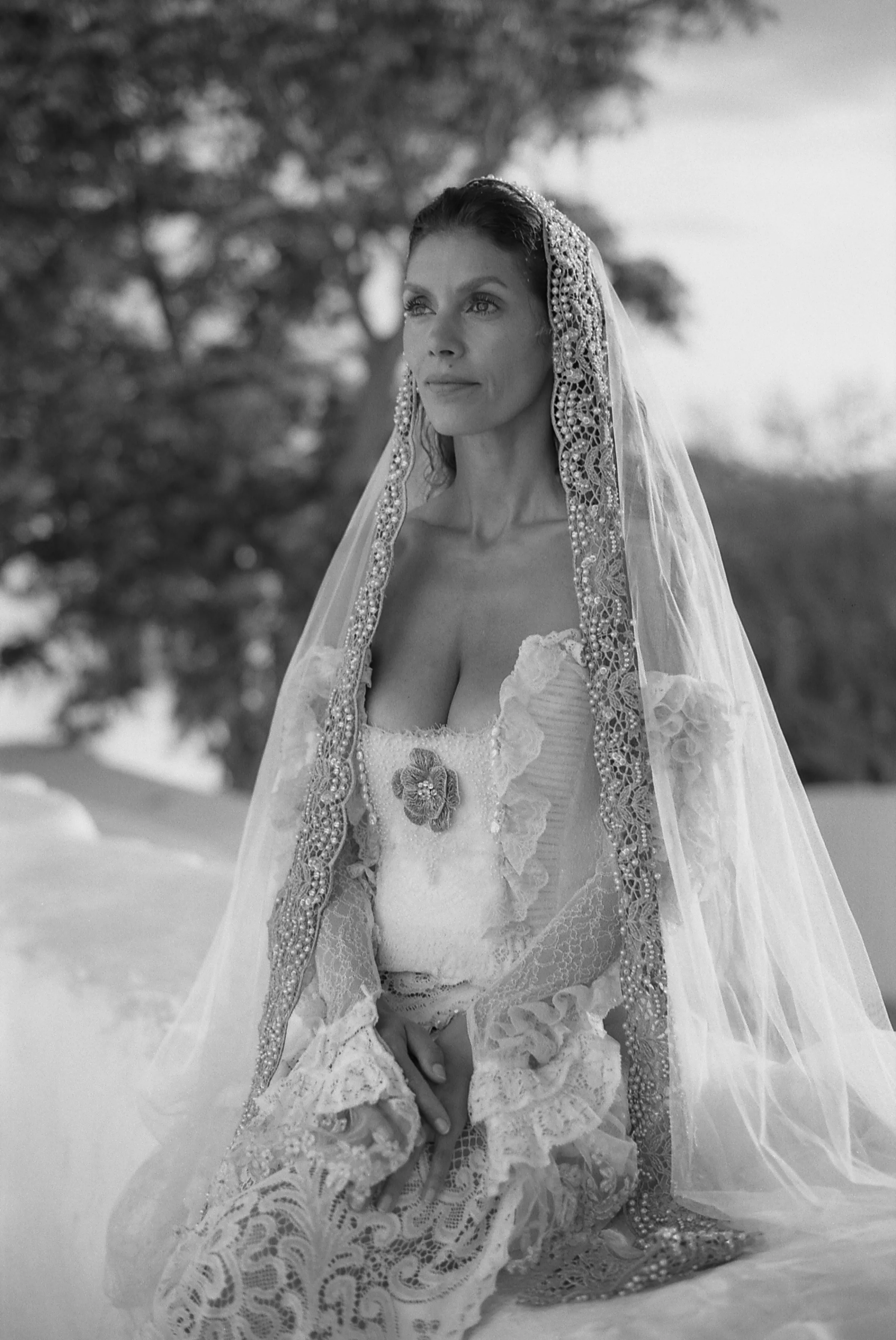
At the heart of the editorial is Sylvie, a bridal gown that represents the pinnacle of Julita London’s creative output. The dress is not a commercial product intended for mass reproduction; rather, it is a conceptual prototype designed to demonstrate the possibilities of the bespoke process. Constructed from a delicate assemblage of antique lace, crochet trims, and intricate hand-beading, Sylvie is an exploration of texture and historical reference. The gown’s design features high-neck detailing and layered statement cuffs that provide a structured counterpoint to the fluid, ethereal nature of the lace.
The Sylvie gown is part of the broader Dear. series, a collection of original couture pieces that Julita London uses as a visual dialogue with prospective brides. The series draws inspiration from archival materials, including old love letters, faded photographs, and vintage textiles sourced from across Europe. According to the designer’s philosophy, each gown in the series serves as a starting point—an invitation for a bride to begin with an instinct or a specific fabric and collaborate directly with the maker to create a garment that is entirely unique. This approach mirrors a growing trend in the luxury bridal market where consumers are increasingly moving away from off-the-rack options in favor of items with "provenance" and a clear human connection.
Technical Artistry: 35mm and Medium Format Film
The visual language of the Devotion editorial was dictated by the choice of medium. Photographer Clarissa Sofía opted to shoot model Suzana using a combination of 35mm and medium format film. This technical decision was instrumental in capturing the specific nuances of the Sylvie gown. Unlike digital sensors, which can sometimes render fine lace and beadwork with a clinical sharpness, film photography provides a grain and organic texture that complements the aged qualities of the antique materials.
The use of medium format film, in particular, allows for a greater depth of field and a more accurate representation of the intricate crochet work and the "hand" of the fabric. This method of photography requires a slower, more intentional pace, which the creative team noted was essential for reflecting the "stillness" of the Puig de Missa location. The resulting images emphasize movement and atmosphere, embracing the slight imperfections inherent in film to create a sense of timelessness. This artistic direction aligns with a wider resurgence of analog photography in high-end wedding documentation, where couples are seeking a more "fine art" aesthetic for their commemorative imagery.
The Historical Context of Puig de Missa
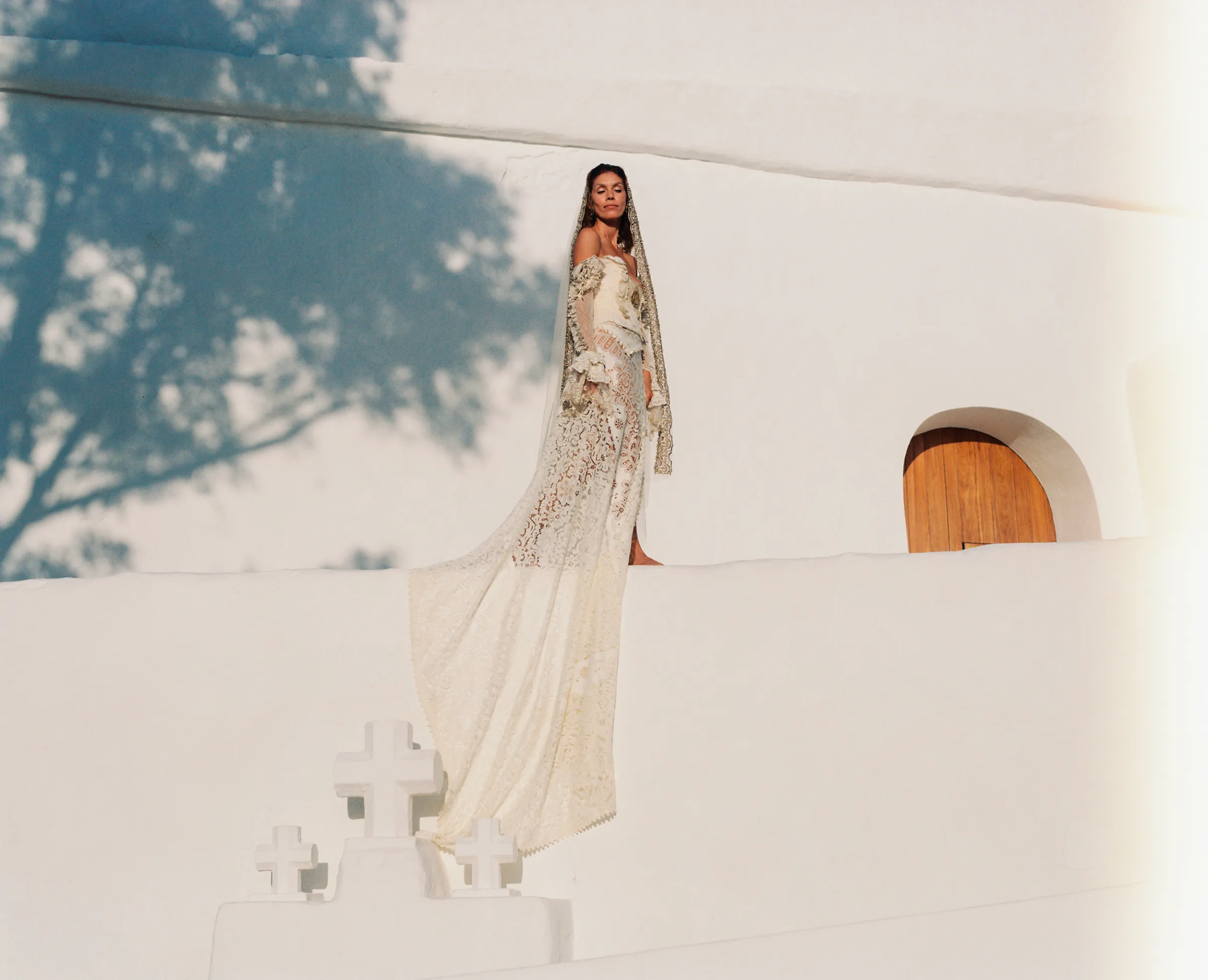
The selection of Puig de Missa as the backdrop for the editorial provides a deep historical and cultural layer to the project. Located on a hilltop overlooking the town of Santa Eulària des Riu, the church is a prime example of Ibiza’s unique religious and defensive architecture. Built in the mid-16th century, the church was designed not only as a place of worship but as a fortress to protect the local population from pirate raids. Its massive whitewashed walls, stone arches, and simple, geometric forms represent centuries of human labor and traditional construction techniques.
For the Devotion editorial, the church serves as more than just a scenic backdrop; it acts as a silent protagonist. The "soft whitewashed walls" and "stone arches" provide a neutral but powerful canvas that allows the complexity of the Sylvie gown to stand out. The creative team sought to frame the bride as being in a "moment of pause," using the sacred geometry of the church to underscore the idea of devotion—not strictly in a religious sense, but as a reverence for the self and the craftsmanship involved in the bridal transition.
The Role of Movement in Cinematic Storytelling
Complementing the still photography is a short film and a series of film stills provided by Maddi Jean Waterhouse. In the realm of luxury bridal editorials, video has become an essential tool for demonstrating how a garment behaves in space. While a still photograph can capture the detail of a stitch, film reveals the weight of the silk and the way the layered cuffs respond to the Mediterranean breeze.
Waterhouse’s approach to the project was reportedly focused on "imperfection and atmosphere." By avoiding overly stabilized, commercial-style videography, the film maintains the same raw, emotive quality as the analog photographs. This cinematic element highlights the "ethereal world" created by Julita London’s beadwork, showing the bride as she navigates the historic corridors of the church. The inclusion of film stills in the editorial further blurs the line between documentary and high-fashion art, providing a comprehensive look at the sensory experience of the bespoke gown.
Market Analysis: The Rise of Bespoke and Destination Editorials
The Devotion project reflects several significant shifts in the global bridal industry. According to recent market data, the global bridal wear market is expected to reach a valuation of over $80 billion by 2030, with a notable increase in the "custom" and "couture" segments. High-net-worth individuals and millennial brides are increasingly prioritizing sustainability and "slow fashion," which often leads them to independent designers like Julita London who utilize vintage or ethically sourced materials.
Furthermore, the choice of Ibiza as a location highlights the island’s status as a premier destination for luxury weddings. While Ibiza is often associated with its nightlife, the "north side" of the island and its historic centers are becoming hotspots for high-end, "bohemian-luxe" ceremonies. This editorial serves to market both the designer and the location, positioning Ibiza as a site of quiet, sophisticated beauty rather than just a party destination.
Perspectives on Craftsmanship and Heritage
The narrative of the Sylvie gown is inextricably linked to the history of lacemaking. During the design process, Julita London reportedly looked to the generations of women whose manual dexterity and artistic skill were passed down through the centuries. Lacemaking, historically a domestic labor often performed by women in seclusion, is recontextualized in the Sylvie gown as a form of high-status art.
The "devotion" referenced in the title of the editorial can thus be interpreted as a tribute to these anonymous craftspeople. By incorporating antique lace into a modern silhouette, the designer bridges the gap between the past and the present. This thematic focus on heritage is a powerful marketing tool in the modern bridal landscape, where brides often seek "something old" that carries genuine historical weight rather than a modern imitation.
Broader Implications for the Bridal Industry
The collaboration between Clarissa Sofía Studio, Maddi Jean Waterhouse, and Julita London suggests a move toward more integrated, multidisciplinary approaches to bridal branding. By combining high-concept fashion design with analog photography and cinematic film, the team has created a "brand world" that appeals to a sophisticated, art-conscious demographic.
For the broader industry, this editorial demonstrates that the value of a wedding dress is no longer just in its aesthetic appeal, but in its story. The "bespoke design process" is framed here as an experience—a journey of creation that begins with a single fabric or an old letter and culminates in a garment that serves as a personal archive for the bride. As mass-market retailers struggle with issues of overproduction and generic design, independent studios that focus on "one-of-a-kind" pieces are finding a dedicated and growing audience.
In conclusion, the Devotion editorial at Puig de Missa is a significant contribution to the current bridal fashion discourse. It successfully elevates the "Sylvie" gown from a mere piece of clothing to a symbol of artistic intent and historical reverence. Through the careful use of location, medium, and narrative, the creative team has provided a blueprint for how modern bridal brands can communicate luxury, heritage, and individuality in an increasingly crowded global market. As the industry continues to evolve, the emphasis on the "hand that made them" and the "character and history" of the garment—as seen in this Ibiza editorial—is likely to remain a defining characteristic of the high-end bridal experience.