




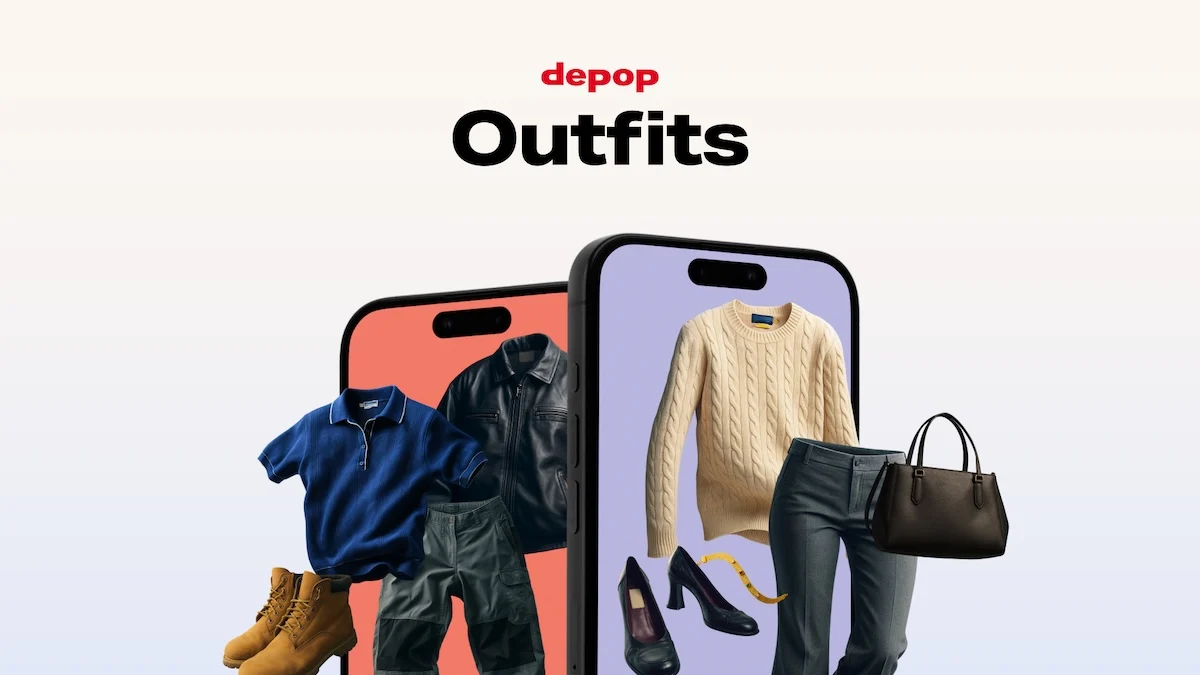
Popular fashion resale marketplace Depop has officially rolled out a dynamic new in-app styling and collaging tool dubbed “Outfits,” marking a strategic move to blend interactive digital curation with social commerce. Designed primarily for fashion enthusiasts, creators, and sellers, the mood board-style feature allows users to assemble complete looks using items available on the platform, fostering a more engaging and visually driven shopping experience. As digital fashion communities continue to blur the lines between social media and e-commerce, Depop’s latest innovation arrives at a critical juncture for the company, following a robust financial quarter and escalating competition within the global secondhand apparel market.
Mechanics of the New Outfits Feature
The “Outfits” tool is engineered to be both intuitive and deeply customizable, catering to the aesthetic demands of modern digital consumers. To initiate a collage, a user simply selects a clothing or accessory item they wish to style and taps a newly introduced scissors icon positioned on the right-hand side of the screen. This action opens a specialized workspace that functions similarly to popular digital mood-boarding applications.
Within this workspace, users gain access to a broad array of customization capabilities. They can integrate vibrant, colorful backgrounds, precisely adjust the sizing, layering, and spatial placement of individual apparel images, and utilize pre-formatted layout templates to guide their compositions. Crucially, the utility extends beyond mere artistic expression: every single item featured within a user-generated collage remains fully shoppable.
To maintain a seamless consumer journey, Depop has incorporated an automated contingency mechanism. If a specific component of a styled collage sells out, the application intelligently suggests similar, in-stock alternatives from other sellers on the platform. This ensures that inspiration can instantly translate into a completed transaction, reducing friction for potential buyers. Furthermore, the feature is not confined strictly to the Depop ecosystem. Creators and sellers can export static images of their curated outfits directly to external social media networks, such as Instagram and Pinterest, maximizing their reach and driving cross-platform traffic back to the marketplace.
Riding the Gen Z Mood Board Wave
The introduction of the Outfits feature is far from accidental; it is a calculated effort to capture the attention and loyalty of Generation Z, a demographic that heavily dominates Depop’s user base. Younger consumers have increasingly gravitated toward digital collaging, scrapbooking, and aesthetic mood-boarding as primary forms of digital self-expression and social sharing.
This trend has significantly reshaped the digital product landscape over the past several years. Most notably, tech giant Pinterest launched its dedicated collage-making application, Shuffles, to the general public in late 2022. The immense popularity of Shuffles among Gen Z users prompted Pinterest to rapidly integrate core collage functionalities directly into its main platform by September 2023. By introducing an equivalent in-app capability, Depop is effectively aligning itself with established visual consumption habits, encouraging users to spend more time within the app while simultaneously transforming passive browsers into active stylists and buyers.
For independent sellers on the platform, Outfits provides a sophisticated new avenue to merchandise their inventories. Traditionally, second-hand sellers have relied on flat-lay photography or modeling individual garments. The new tool empowers them to present items within complete, styled wardrobes, helping buyers visualize how vintage pieces can be integrated with contemporary trends or other marketplace listings.

Financial Momentum and Market Context
Depop’s rollout of the Outfits feature coincides with a period of remarkable financial growth for the platform. According to recent earnings reports released by parent company Etsy—which acquired the London-headquartered resale app in 2021—Depop has experienced significant commercial acceleration.
In Etsy’s Q2 2025 financial disclosures, Depop’s Gross Merchandise Sales (GMS) surged by an impressive 34.7% year-over-year on a currency-neutral basis. This sustained upward trajectory places the fashion resale application firmly on a path toward a $1 billion GMS run rate, underscoring its growing market share in a fiercely competitive sector.
The secondhand apparel and resale market has evolved into a multi-billion-dollar global industry, driven by rising consumer interest in sustainable fashion, circular economies, and unique vintage aesthetics. Depop’s primary domestic and international competitors continue to aggressively scale their operations to capture market share. For perspective, rival resale platform Mercari reported a Gross Merchandise Value (GMV) of $728 million for the fourth quarter of 2024, highlighting the intense competitive pressures defining the contemporary recommerce landscape.
By continuously enhancing its user experience through social-first features like Outfits, Depop is seeking to differentiate itself from traditional transactional marketplaces by fostering a community-centric ecosystem where curation is just as important as the sale itself.
Broader Industry Implications and Future Outlook
The convergence of social media mechanics and e-commerce—often referred to as social commerce—is rapidly becoming the standard for modern digital retail. Platforms that successfully gamify or creatively enrich the shopping journey consistently observe higher user engagement, longer session durations, and improved conversion rates.
Industry analysts note that tools like Depop’s Outfits bridge the gap between discovery and purchase. In traditional e-commerce settings, consumers often struggle with product visualization, wondering how a standalone item might fit into an existing wardrobe. By empowering community members to act as virtual stylists, Depop effectively outsources the merchandising process to its most creative users, generating an endless stream of localized, trend-forward inspiration that traditional retail algorithms struggle to replicate organically.
As the lines between content creation and online shopping continue to dissolve, the success of features like Outfits may well dictate which resale platforms capture the long-term loyalty of digital-native consumers. With the new styling tool now fully deployed and accessible to all users globally within the Depop app, the company is well-positioned to observe how its community leverages these creative capabilities to shape the future of digital fashion retail.