










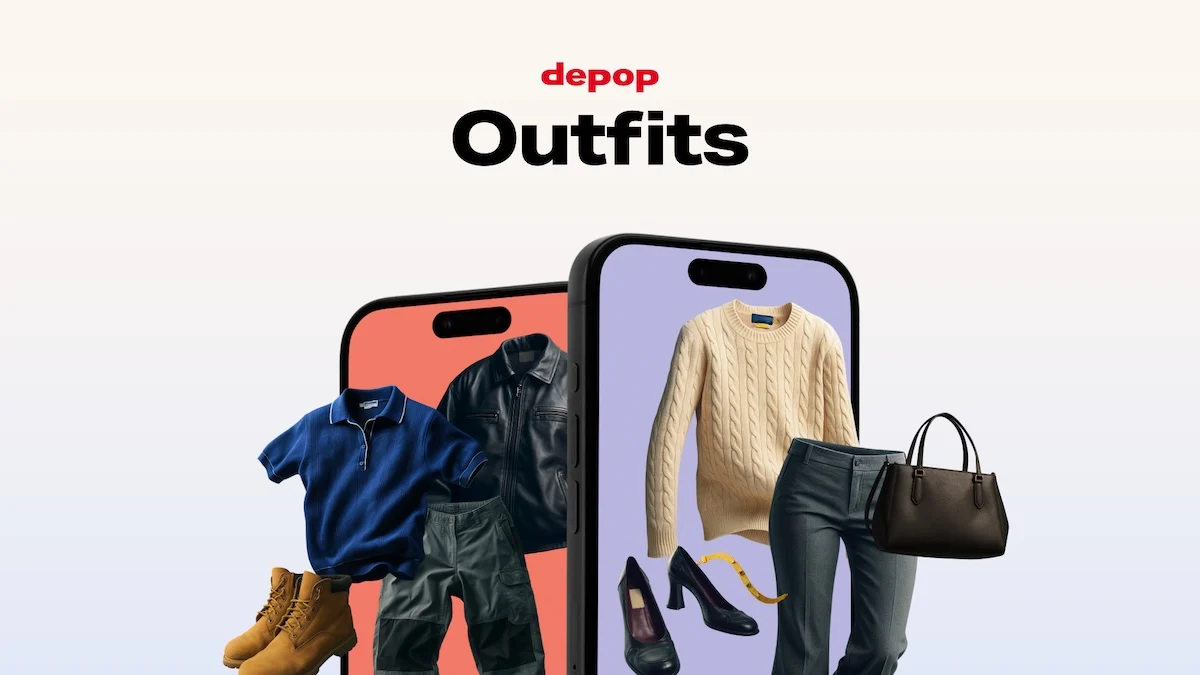
The fashion resale platform Depop has officially introduced Outfits, a sophisticated digital styling and collaging tool designed to enhance the creative expression of its predominantly Gen Z user base. Announced on Wednesday, the feature integrates a mood board-style interface directly into the marketplace, allowing users to curate, design, and share synchronized looks using items found across the platform. This strategic rollout represents a significant move toward merging social media-style content creation with direct e-commerce functionality, effectively bridging the gap between fashion inspiration and transaction.
The introduction of Outfits arrives at a critical juncture for Depop, as the platform seeks to solidify its position as a leader in the circular fashion economy. By providing users with the tools to visualize how disparate items—ranging from vintage streetwear to contemporary accessories—can be paired together, Depop is shifting from a purely transactional marketplace to a discovery-driven social ecosystem.
Technical Mechanics and User Experience
The Outfits tool is designed with a focus on intuitive mobile interaction, leveraging familiar gestures and icons to lower the barrier to creative entry. To access the feature, users navigate to an item they wish to style and select a scissors icon located on the right-hand side of the interface. This action triggers a suite of customization options, allowing the user to isolate the item and place it within a new canvas.
The feature offers several layers of creative control:
- Image Manipulation: Users can adjust the sizing, rotation, and placement of multiple images on a single board.
- Background Customization: A palette of colorful backgrounds is available to set the "vibe" or aesthetic of the collage, catering to the highly visual nature of modern fashion curation.
- Layout Guides: For users seeking a more structured approach, Depop has provided templates that act as layout guides, ensuring that even novice designers can create professional-looking fashion spreads.
- Shoppability and Alternatives: Every item included in a collage remains fully shoppable. Recognizing the fast-paced nature of peer-to-peer resale, the app includes a contingency feature: if an item featured in a collage sells out, the system automatically generates suggestions for similar alternatives, ensuring the "look" remains viable for other shoppers.
Beyond the internal ecosystem, Depop has enabled high-fidelity sharing capabilities. Users can export static images of their curated outfits to external platforms, specifically targeting Pinterest and Instagram. This cross-platform integration is a calculated effort to tap into the "aesthetic" culture of the internet, where fashion collages have seen a resurgence in popularity.
Financial Performance and Market Context
The launch of Outfits is supported by strong financial momentum from Depop’s parent company, Etsy. According to the recently released Q2 2025 earnings report, Depop’s Gross Merchandise Sales (GMS) saw a substantial increase of 34.7% year-over-year on a currency-neutral basis. This trajectory has placed the platform on track for a $1 billion GMS run rate, a milestone that underscores the growing profitability and scale of the resale market.
In the broader competitive landscape, Depop’s performance highlights its dominance over several regional and global rivals. For instance, Mercari, a significant competitor in the peer-to-peer space, reported a Gross Merchandise Value (GMV) of $728 million for the fourth quarter of 2024. While Mercari maintains a strong presence, Depop’s focus on a specific demographic—Gen Z—and its heavy investment in social-first features appear to be driving a more aggressive growth curve.
Etsy’s acquisition of Depop in 2021 for approximately $1.625 billion was initially seen as a move to capture a younger audience that was moving away from traditional retail. The current growth figures and the introduction of high-engagement tools like Outfits suggest that the integration is yielding the intended results, as Depop successfully captures the "circular economy" trend favored by younger consumers who prioritize sustainability and individuality.
A Chronology of Depop’s Evolution
To understand the significance of the Outfits tool, it is necessary to view it within the timeline of Depop’s growth and the evolution of digital fashion:

- 2011: Depop is founded by Simon Beckerman in Italy, originally envisioned as a social network where readers of PIG magazine could buy items featured in the publication.
- 2012–2019: The platform moves its headquarters to London and experiences explosive growth in the UK and US, becoming the "de facto" marketplace for vintage streetwear and Y2K fashion.
- 2021: Etsy acquires Depop, signaling a major consolidation in the handmade and resale sectors.
- 2022–2023: The platform removes seller fees in certain markets (like the UK) to encourage more listings and compete with platforms like Vinted, while simultaneously enhancing its search and discovery algorithms.
- 2024: Depop focuses on "Social Commerce," integrating more video content and community-driven features.
- 2025: The launch of Outfits marks a transition into "Creative Commerce," where the user is not just a seller or buyer, but a stylist and influencer.
The Strategic Importance of the Collage Trend
The decision to implement a collaging tool is deeply rooted in current social media trends. Pinterest, a pioneer in visual discovery, launched a dedicated collage-making app called Shuffles in 2022. The viral success of Shuffles, particularly among younger women and fashion enthusiasts, led Pinterest to integrate those features directly into its main application.
For Depop, adopting a similar strategy addresses a specific user behavior: "window shopping" as a form of entertainment. Gen Z users often spend hours curating "wishlists" or "mood boards" before making a purchase. By providing these tools natively, Depop keeps users within its ecosystem longer, increasing the "dwell time" on the app and, consequently, the likelihood of a conversion.
Furthermore, the Outfits feature serves as a powerful marketing tool for sellers. Instead of a single-item listing on a plain background, sellers can now present their inventory as part of a complete, aspirational look. A vintage leather jacket, for example, can be styled with specific jeans, boots, and sunglasses, helping a potential buyer visualize the end result. This "editorial" style of selling has historically been reserved for high-end fashion retailers, but Depop is now democratizing these tools for individual resellers.
Broader Impact on the Circular Economy
The launch of Outfits also has implications for the broader sustainability movement within the fashion industry. The "circular economy"—a model focused on reusing, repairing, and recycling existing materials—relies on making second-hand shopping as convenient and appealing as buying new.
By adding a layer of professional-grade styling to used clothing, Depop is combating the "stigma" sometimes associated with second-hand goods. When items are presented in a curated, stylized collage, they lose the "thrift store" connotation and gain "boutique" appeal. This aesthetic elevation is crucial for maintaining the momentum of the resale market, which is projected to continue outpacing traditional retail growth through the end of the decade.
Market analysts suggest that features like Outfits could also reduce return rates—a perennial problem in e-commerce. By allowing users to visualize outfits more clearly and providing "similar item" suggestions when products are unavailable, the platform helps users make more informed decisions about how an item will fit into their existing wardrobe.
Conclusion and Future Outlook
As Depop moves toward its $1 billion GMS milestone, the Outfits feature represents a clear vision for the future of the platform: a space where commerce and creativity are indistinguishable. The tool responds to a clear market demand for more interactive and visual shopping experiences, leveraging the unique behaviors of a generation that views fashion as a form of digital content.
While competitors like Mercari and Poshmark continue to iterate on their own platforms, Depop’s focus on the "stylist" persona may give it a distinct edge in brand loyalty. The success of the feature will likely be measured not just in direct sales, but in the volume of Depop-generated content that permeates other social media platforms like Instagram and Pinterest, serving as organic, user-generated advertising for the marketplace.
As the resale market becomes increasingly crowded, the ability to provide users with creative value beyond the transaction will be the primary differentiator. With Outfits, Depop is betting that the future of fashion retail is not just about what people buy, but how they imagine wearing it.