










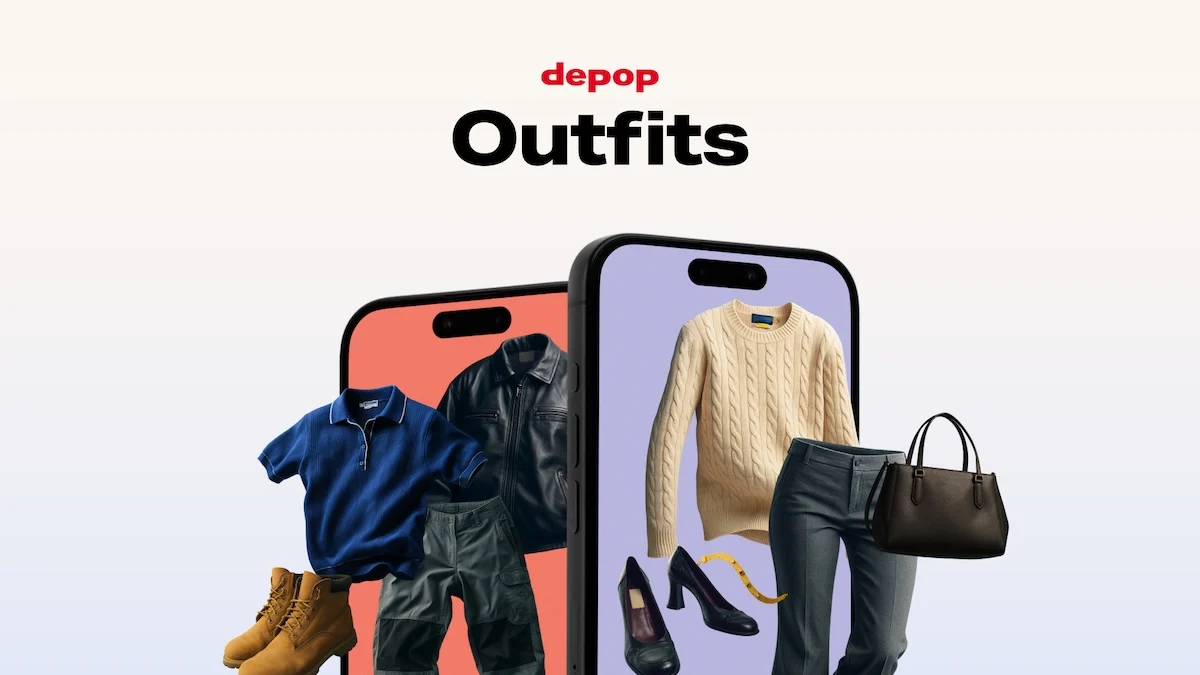
The global fashion resale platform Depop has officially launched "Outfits," a new digital styling and collaging tool designed to facilitate visual curation and interactive shopping within its mobile application. This strategic release, announced on Wednesday, targets the platform’s core demographic of Gen Z users by integrating creative expression with e-commerce functionality. The tool allows users to assemble virtual mood boards and curated looks using items listed on the marketplace, effectively transforming the traditional scrolling experience into a participatory design process.
The introduction of Outfits arrives at a pivotal moment for the London-based company, which has seen a significant surge in transaction volume and user engagement over the past fiscal year. By providing a native interface for fashion collaging, Depop aims to streamline the "outfit inspiration" journey, a behavior that previously required users to utilize third-party editing software before uploading their creations to social media.
Technical Functionality and User Interface
The Outfits feature is integrated directly into the existing Depop interface, accessible during the item browsing or listing process. To utilize the tool, users select a primary garment or accessory they wish to style and activate the "scissors" icon located on the right-hand side of the interface. This action triggers an automated image processing sequence that allows the user to isolate the item and begin the collaging process.
The tool offers a comprehensive suite of customization options, including the ability to adjust image scaling, rotation, and layering. Users can select from a variety of colorful backgrounds or utilize pre-designed templates to guide their layouts. This functionality mirrors high-end graphic design applications but is optimized for mobile use, ensuring that even casual users can produce professional-looking fashion spreads.
Crucially, every item featured within these collages remains fully shoppable. If a user views a collage created by a stylist or another community member, they can click directly on the individual components to view the original listing. In instances where a specific item has already been sold, the Depop algorithm automatically generates a list of "similar alternatives" currently available on the platform. This ensures that the creative content remains a consistent driver of conversion, regardless of individual item availability.
Strategic Alignment with Gen Z Consumer Trends
The decision to prioritize a collaging tool is deeply rooted in the digital habits of Generation Z, who represent the majority of Depop’s active user base. Digital mood-boarding has seen a resurgence in recent years, evolving from the early days of platforms like Polyvore into a modern social phenomenon. The "aesthetic" culture prevalent on platforms such as TikTok and Instagram relies heavily on curated visual identities, where the context of how a garment is worn is often as important as the garment itself.
Depop’s move follows a broader industry trend toward "creative commerce." Pinterest, a leader in visual discovery, launched its own standalone collage app, Shuffles, in 2022. Shuffles quickly gained viral traction among younger users, leading Pinterest to integrate its core features into the main Pinterest app by 2023. By bringing similar functionality to a dedicated marketplace, Depop is positioning itself not just as a place to buy clothes, but as a destination for fashion discovery and social interaction.
The ability to share these "Outfits" as static images across external platforms like Instagram Stories and Pinterest boards serves as a powerful organic marketing engine. When users share their curated Depop looks on other networks, they effectively act as brand ambassadors, driving new traffic back to the Depop ecosystem.
Financial Context and Market Performance
The launch of the Outfits tool coincides with a period of robust financial growth for Depop under the ownership of its parent company, Etsy. According to Etsy’s Q2 2025 earnings report, Depop’s Gross Merchandise Sales (GMS) increased by 34.7% year-over-year on a currency-neutral basis. This trajectory suggests that Depop is approaching a $1 billion annual GMS run rate, a significant milestone that underscores its dominance in the secondary fashion market.
In comparison, competitors in the resale space have shown varying levels of performance. Mercari, a major rival in the general resale sector, reported a Gross Merchandise Value (GMV) of approximately $728 million for the fourth quarter of 2024. While Mercari maintains a broad inventory, Depop’s specialized focus on curated fashion and community-driven trends appears to be yielding higher growth rates within the apparel segment.

Etsy’s management has frequently highlighted Depop as a bright spot in its portfolio, particularly as the broader e-commerce sector faces headwinds from shifting consumer spending patterns. The investment in features like Outfits is part of a broader "Search and Discovery" roadmap intended to increase the frequency of app opens and the duration of user sessions.
The Evolution of the Resale Landscape
The resale market has evolved from a utilitarian "thrift" experience into a highly sophisticated segment of the global fashion industry. Market analysts suggest that the secondary market is growing 11 times faster than traditional retail, driven by both economic considerations and a growing consumer emphasis on sustainability.
Depop’s evolution from a simple peer-to-peer marketplace to a social-creative hub reflects the "social commerce" model that has seen massive success in Asian markets through platforms like Xiaohongshu (Little Red Book). In these models, the line between social media and shopping is blurred, with content creation serving as the primary vehicle for product discovery.
The "Outfits" tool also provides a significant advantage for Depop’s top-tier sellers. These power sellers, who often operate their shops as full-time businesses, can now use the collaging tool to cross-promote their inventory. By showing how a vintage blazer can be paired with modern denim and specific accessories, sellers can increase their "basket size," encouraging buyers to purchase multiple items from the same shop to complete a look.
Timeline of Depop’s Strategic Growth
To understand the significance of the Outfits launch, it is helpful to look at the chronology of Depop’s development:
- 2011: Depop is founded in Italy as a social network for readers of PIG magazine to buy items featured in the publication, eventually relocating its headquarters to London.
- 2019-2020: The platform experiences explosive growth during the global pandemic, as Gen Z consumers turn to online resale for both income and entertainment.
- 2021: Etsy acquires Depop for $1.62 billion, marking one of the largest acquisitions in the resale space. Etsy pledges to maintain Depop’s brand independence while providing back-end infrastructure support.
- 2023: Depop eliminates seller fees in the UK market (shifting to a buyer-service fee model) to stimulate supply and compete with platforms like Vinted.
- 2024: The platform introduces AI-driven descriptions and improved search algorithms to help sellers list items more efficiently.
- 2025 (Present): The launch of "Outfits" signals a shift toward creative tools as a retention and engagement strategy.
Competitive Implications and Analysis
The introduction of native styling tools places Depop ahead of many traditional competitors who still rely on standard grid-style product displays. While Poshmark has experimented with "Live Suits" and virtual styling events, and Vinted has focused on low-cost shipping and logistics efficiency, Depop is doubling down on the "cool factor" and the creative autonomy of its users.
The move also serves as a defensive strategy against the rise of TikTok Shop. As TikTok integrates shopping directly into its video feed, platforms like Depop must offer unique value-added features that TikTok’s broad-spectrum algorithm cannot easily replicate. By focusing on "fashion-first" tools, Depop maintains its status as the primary destination for subculture-specific trends, such as "Y2K," "Gorpcore," and "Coquette" aesthetics.
Furthermore, the "similar alternatives" feature addresses one of the primary pain points of the resale market: the "one-of-one" nature of vintage items. Unlike traditional retail, where a sold-out item can be restocked, a sold-out vintage item is gone forever. By using image recognition to suggest similar pieces within a collage, Depop minimizes the friction of the "sold out" notification, keeping the buyer within the purchase funnel.
Broader Impact on the Circular Economy
Beyond the financial and technical aspects, the Outfits tool has implications for the circular economy. By encouraging users to "style" and "reimagine" existing garments, Depop is promoting a philosophy of longevity and creativity over the "disposable" nature of fast fashion.
The ability to visualize a second-hand item within a complete, modern outfit lowers the barrier to entry for consumers who may be hesitant to buy vintage clothing due to uncertainty about how to wear it. As visual storytelling becomes the primary language of e-commerce, tools that empower users to become stylists in their own right are likely to become standard across the industry.
In conclusion, Depop’s launch of the Outfits tool is more than a simple feature update; it is a calculated move to solidify its position as the leader in social-driven resale. By aligning its technical roadmap with the creative desires of its community, Depop is effectively turning its marketplace into a living lookbook, ensuring that it remains at the forefront of the rapidly changing digital fashion landscape. As the platform nears its $1 billion GMS goal, the success of "Outfits" will likely serve as a blueprint for how other marketplaces integrate content creation with commerce.