









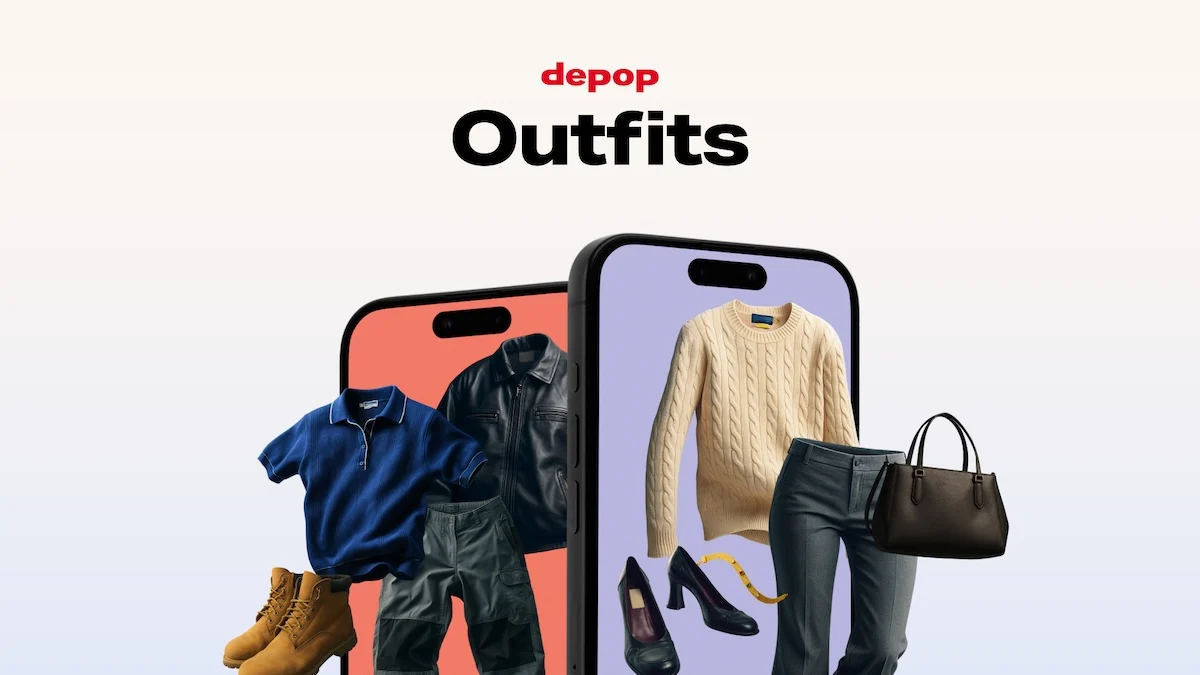
Fashion resale giant Depop has officially announced the rollout of "Outfits," a sophisticated new styling and collaging tool designed to transform the way users interact with second-hand apparel. Launched on Wednesday, the feature is specifically engineered to cater to the creative preferences of a digital-native audience that increasingly views fashion through the lens of curation and aesthetic storytelling. By providing a mood board-like interface, Depop aims to bridge the gap between static product listings and the dynamic, highly visual content styles popularized on platforms like Pinterest and TikTok.
The introduction of Outfits represents a significant evolution for the London-based marketplace, which has long positioned itself at the intersection of social media and e-commerce. The tool allows users to design curated ensembles, share them with their followers, and draw inspiration from a community of stylists, sellers, and fashion enthusiasts. This move comes at a critical time for the resale industry, as platforms compete not just on inventory volume, but on user engagement and the ability to foster a distinct brand culture.
Technical Functionality and User Experience
The Outfits feature is integrated directly into the existing Depop mobile application, ensuring a seamless transition for its global user base. To utilize the tool, a user selects a primary item they wish to feature—such as a vintage leather jacket or a pair of designer boots—and engages the scissors icon located on the right side of the interface. This action triggers a suite of customization options that allow for the removal of backgrounds and the isolation of specific garments.
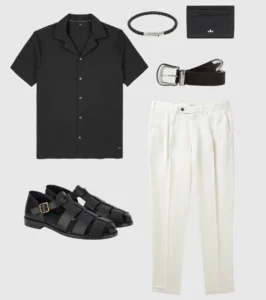
Users are granted a high degree of creative control within the digital canvas. The interface supports the addition of vibrant backgrounds, as well as the ability to resize, rotate, and layer multiple images to create a cohesive look. For users who may be less familiar with graphic design principles, Depop has provided a series of pre-designed templates that serve as layout guides. These templates are optimized for mobile viewing, ensuring that the final collages are visually striking when shared within the app’s feed or exported to external social networks.
Central to the utility of Outfits is its integration with Depop’s transactional core. Every item featured within a collage is fully shoppable. By tapping on a specific element of the mood board, potential buyers are directed to the corresponding product listing. In instances where a specific item has already been sold, the app’s algorithm automatically generates suggestions for similar alternatives currently available on the platform. This feature minimizes consumer friction and ensures that the creative content remains a consistent driver of sales, even after individual pieces are off the market.
Strategic Context: The Rise of the Digital Mood Board
The launch of Outfits is a calculated response to broader trends in Gen Z consumer behavior. For the younger demographic, fashion is rarely about isolated purchases; it is about the "aesthetic"—a curated identity built through specific combinations of colors, textures, and eras. Digital collages have become a primary medium for expressing these aesthetics.
The strategy mirrors successful initiatives seen elsewhere in the tech sector. Pinterest, a pioneer in the visual discovery space, launched its standalone collage-making app, Shuffles, in 2022. Shuffles quickly gained viral momentum on TikTok, prompting Pinterest to integrate its functionality directly into its main platform. By bringing similar tools in-house, Depop is attempting to capture the "top-of-funnel" inspiration phase of the shopping journey. Instead of users creating a mood board on a third-party app and then searching for items on Depop, they can now complete the entire creative and commercial cycle within a single ecosystem.
Furthermore, the ability to share these collages as static images on Instagram and Pinterest serves as a powerful organic marketing engine. When a user shares a Depop-styled outfit to their Instagram Stories, they are effectively acting as a brand ambassador, driving their own followers back to the Depop app to discover and purchase the featured items.
Financial Performance and Market Trajectory
The announcement of the Outfits tool follows a period of robust financial performance for Depop. According to the Q2 2025 earnings report released by its parent company, Etsy, Depop has emerged as a standout performer within the conglomerate’s portfolio. The report revealed that Depop’s Gross Merchandise Sales (GMS) surged by 34.7% year-over-year on a currency-neutral basis.
This rapid expansion has placed Depop on a trajectory toward a $1 billion GMS run rate, a milestone that underscores its growing dominance in the secondary fashion market. For context, the report highlights a stark contrast with some of its competitors. While Depop continues to see double-digit growth, other players in the space have faced more turbulent market conditions. Mercari, another major competitor in the peer-to-peer resale space, reported a Gross Merchandise Value (GMV) of $728 million for the fourth quarter of 2024, illustrating that Depop is currently operating at a significantly higher scale and growth velocity.

Etsy’s leadership has pointed to Depop’s ability to resonate with the "circular economy" movement as a key driver of its success. As environmental concerns and the desire for unique, non-mass-produced clothing continue to influence shopping habits, Depop’s focus on community-led curation has provided a competitive moat that more traditional e-commerce platforms struggle to replicate.
Enhancing Seller Utility and Marketplace Dynamics
For sellers, the Outfits tool provides a new lever for inventory management and marketing. Historically, sellers on Depop relied on high-quality photography and relevant hashtags to gain visibility. While these remain important, Outfits allows sellers to showcase how their items can be integrated into a complete wardrobe.
A seller listing a pair of vintage trousers can now create a collage featuring those trousers paired with a blouse, a handbag, and accessories from their own shop—or even from other sellers. This cross-pollination of styles encourages "bundle" buying and increases the average order value. It also allows sellers to participate in trending "core" aesthetics (such as "Gorpcore," "Coquette," or "Y2K") more effectively, positioning their items within the cultural zeitgeist of the moment.
Industry analysts suggest that this move toward internal content creation tools is a defensive play against the rise of "social commerce" giants like TikTok Shop. By embedding creative tools directly into the marketplace, Depop reduces the likelihood of users leaving the app to find inspiration elsewhere.
The Broader Impact on the Resale Industry
The introduction of Outfits is indicative of a broader shift in the e-commerce landscape, where the distinction between a "store" and a "social network" is increasingly blurred. As platforms like Instagram add shopping features and platforms like Depop add creative tools, the end goal remains the same: maximizing the time spent on the platform.
From a technological standpoint, the "similar alternatives" feature is a sophisticated application of computer vision and machine learning. By analyzing the visual attributes of a sold-out item—such as color, pattern, and silhouette—and matching them with active listings, Depop is leveraging its vast data set to solve one of the primary pain points of resale: the "one-of-one" nature of the inventory. In traditional retail, if a shirt is popular, the brand simply manufactures more. In resale, the platform must find a replacement that satisfies the consumer’s specific aesthetic craving.
Chronology of Innovation at Depop
Since its acquisition by Etsy in 2021 for $1.6 billion, Depop has undergone a series of strategic updates aimed at professionalizing the platform while maintaining its "cool" factor.
- 2021-2022: Focused on improving search algorithms and backend infrastructure to handle increased traffic.
- 2023: Introduced enhanced seller protection and streamlined shipping integration to compete with the ease of use offered by Vinted.
- Early 2024: Experimented with AI-generated descriptions to help sellers list items faster.
- Mid-2024: Shifted focus toward social features and community engagement tools, culminating in the launch of "Outfits."
This timeline suggests a deliberate move from foundational stability to creative differentiation. As the resale market becomes more crowded with players like Vinted, Poshmark, and even traditional retailers launching their own pre-owned sections (such as Zara Pre-Owned), Depop is doubling down on its identity as the home for the "fashion-forward" and the "creatively inclined."
Conclusion and Future Outlook
The launch of the Outfits styling tool is more than just a software update; it is a statement of intent. Depop is betting that the future of shopping is not just about transactions, but about expression. By empowering its users to become digital stylists, the platform is fostering a deeper level of engagement that transcends simple buying and selling.
As Depop nears the $1 billion GMS milestone, its ability to innovate will be tested by evolving consumer tastes and the increasing technical capabilities of its rivals. However, with the backing of Etsy’s resources and a clear understanding of its core Gen Z demographic, Depop appears well-positioned to remain a dominant force in the global fashion ecosystem. The Outfits feature is currently available to all users, marking the beginning of a new chapter in social-driven, circular fashion.