











The global textile landscape reached a significant milestone on June 18, 2026, as Cotton Incorporated hosted its landmark "Cotton ConneXions: Insight to Impact" event in Vietnam, drawing a massive assembly of industry stakeholders to address the evolving future of natural fibers. The one-day summit served as a critical nexus for the global cotton supply chain, bringing together more than 300 industry leaders representing 140 distinct companies from 10 different countries. This high-level gathering included executives and decision-makers from over 45 of the world’s top global brands and sourcing organizations, signaling a robust and renewed interest in cotton-rich product development amidst a rapidly changing economic and regulatory environment.
Based in Cary, North Carolina, Cotton Incorporated chose Vietnam as the strategic venue for this summit due to the nation’s burgeoning role as a premier manufacturing hub for the global apparel industry. The event focused on four primary pillars: innovation in fiber technology, business opportunity generation, professional networking, and the navigation of complex regulatory shifts that are currently reshaping how textiles are produced, labeled, and sold on the international market. As the industry faces increasing pressure to move away from synthetic, petroleum-based materials, the "Insight to Impact" theme emphasized the practical application of research and data to drive commercial success and environmental responsibility.
A Strategic Chronology of the Event
The Cotton ConneXions event was meticulously structured to maximize the exchange of information between technical experts and commercial leaders. The morning sessions opened with a comprehensive analysis of the global cotton market, providing attendees with a data-driven look at crop yields, pricing volatility, and the shifting geography of cotton consumption. Analysts highlighted the resilience of cotton in the face of inflationary pressures, noting that consumer preference for natural fibers remains a primary driver for retail growth.
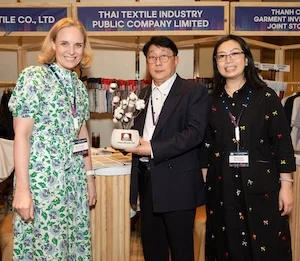
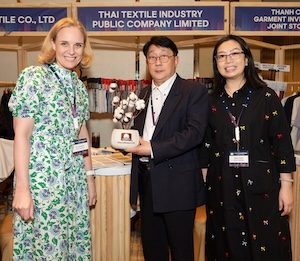
By midday, the focus shifted to the "Supplier Showcase," a centerpiece of the event that featured 38 premier suppliers from across Asia. These exhibitors presented the latest advancements in cotton textiles, ranging from high-performance athletic wear to luxury home textiles. This exhibition allowed sourcing teams from major global brands to engage in direct, face-to-face negotiations with manufacturers, bypassing the traditional hurdles of fragmented supply chains. The proximity of these suppliers to the Vietnamese manufacturing base underscored the event’s goal of streamlining the path from fiber to finished garment.
The afternoon sessions were dedicated to the "Impact" portion of the program, focusing on the regulatory hurdles looming over the textile industry. With new sustainability disclosures required in the European Union and evolving labor and environmental standards in the United States, the summit provided a forum for legal and compliance experts to brief brand leaders on how to future-proof their operations. The day concluded with a networking reception designed to solidify the partnerships formed during the technical and commercial sessions, ensuring that the insights shared would translate into tangible supply chain movements in the coming fiscal quarters.
Consumer Sentiments and the Durability Mandate
A central theme of the summit was the alignment of product development with contemporary consumer expectations. During her keynote address, Bev Sylvester, Chief Marketing Officer for Cotton Incorporated, revealed compelling data from a recent global durability survey that has profound implications for the industry. According to the research, 82 percent of global consumers now expect cotton clothing to last significantly longer than garments made from polyester, rayon, or other man-made fibers.
This statistic represents a pivotal shift in consumer psychology. For decades, the "fast fashion" model relied on the high-volume production of low-cost synthetic garments. However, the data presented at Cotton ConneXions suggests that the modern consumer is increasingly equating value with longevity and natural compositions. Sylvester noted that this expectation creates both a challenge and an opportunity for brands. By leaning into cotton’s inherent durability and enhancing it through modern finishing techniques, brands can meet the growing demand for "slow fashion" and circularity.
"Cotton ConneXions brought the supply chain together around what’s next for cotton textile innovation," Sylvester stated during the event. "That’s especially relevant as the vast majority of consumers are looking for longevity in their wardrobes. By connecting sourcing teams with suppliers and technical experts, we can help drive products that deliver on durability, performance, and consumer demand. It is no longer just about the aesthetic of the garment; it is about the lifecycle of the fiber."
Technological Innovations and Performance Cotton
The exhibition floor at the Vietnam summit served as a laboratory for the future of cotton-rich products. Among the innovations highlighted were advanced moisture-management technologies that allow cotton to compete directly with synthetic "dry-fit" fabrics in the activewear sector. Historically, cotton was criticized in the performance space for retaining moisture, but the new iterations of treated cotton fibers shown at the event demonstrate rapid-dry capabilities while maintaining the soft hand-feel that consumers associate with natural fibers.
Other technological highlights included:
- Enhanced Recycled Blends: New methods for incorporating post-consumer cotton waste into high-quality yarns without compromising tensile strength.
- Water-Repellent Finishes: Eco-friendly, PFC-free treatments that provide cotton outerwear with significant weather resistance.
- Traceability Solutions: Digital "fingerprinting" technologies that allow brands to track cotton from the field to the retail shelf, ensuring compliance with global sourcing regulations.
These innovations are particularly relevant as the industry moves toward a circular economy. The ability to produce a 100 percent cotton garment that performs like a synthetic but remains fully biodegradable at the end of its life cycle is a "holy grail" for many of the brands in attendance. The 38 Asian suppliers present at the event showcased their readiness to scale these technologies, offering brands a pathway to integrate innovation into their mass-market collections.
Navigating a Complex Regulatory Landscape
The "Insight to Impact" summit occurred against a backdrop of unprecedented regulatory activity. In 2026, the textile industry is navigating a web of new laws, including the EU’s Strategy for Sustainable and Circular Textiles and the Ecodesign for Sustainable Products Regulation (ESPR). These frameworks are designed to eliminate "greenwashing" and require brands to provide detailed information about the environmental footprint of their products.
Participants at the event discussed the implications of the Digital Product Passport (DPP), which is expected to become mandatory for apparel sold in major markets. Cotton, as a natural and renewable resource, is well-positioned under these regulations, but the summit emphasized that transparency is non-negotiable. Industry experts pointed out that cotton’s biogenic carbon uptake and its lack of microplastic shedding give it a distinct advantage over synthetic alternatives in life-cycle assessments (LCAs).
Furthermore, the discussions touched upon the importance of ethical sourcing. With the intensification of labor audits and supply chain mapping requirements, the direct engagement facilitated by Cotton Incorporated at the event allowed brands to vet their suppliers more thoroughly. By bringing 140 companies into one room, the event reduced the opacity that often plagues global textile manufacturing.
Economic Implications for Vietnam and the Global Market
The decision to host Cotton ConneXions in Vietnam highlights the country’s strategic importance in the 2026 textile economy. Vietnam has consistently ranked among the top three exporters of textiles and garments globally. As brands seek to diversify their sourcing away from traditional manufacturing hubs, Vietnam has emerged as a preferred destination due to its skilled workforce, competitive costs, and favorable trade agreements, such as the Comprehensive and Progressive Agreement for Trans-Pacific Partnership (CPTPP) and the EU-Vietnam Free Trade Agreement (EVFTA).
For the 38 Asian suppliers exhibiting at the event, the summit was a gateway to the high-value Western markets represented by the 45 global brands in attendance. Economists attending the event noted that the "cottonization" of product lines—replacing synthetics with cotton—could lead to a significant uptick in regional trade volumes. As cotton prices stabilize and the environmental costs of synthetics (such as carbon taxes and microplastic mitigation) rise, the economic case for cotton becomes increasingly airtight.
Broader Impact and Industry Outlook
The ripple effects of the June 18 summit are expected to be felt throughout the 2027 and 2028 fashion seasons. By bridging the gap between raw fiber research and retail application, Cotton Incorporated has provided a blueprint for how the industry can transition toward more sustainable practices without sacrificing commercial viability.
The high level of engagement from sourcing organizations indicates that the industry is moving beyond the "sustainability as a niche" phase and into a "sustainability as a standard" phase. The data-driven approach championed by the Cotton ConneXions event suggests that the future of the industry lies in the marriage of traditional natural fibers and cutting-edge textile engineering.
As the event concluded, the consensus among participants was one of cautious optimism. While regulatory challenges and market volatility remain, the collective expertise gathered in Vietnam demonstrated that the cotton supply chain is more integrated and innovative than ever before. The "Insight to Impact" event did more than just share information; it catalyzed a global shift toward durable, natural, and transparent textile production, reinforcing cotton’s role as the foundation of the modern apparel industry.
The success of the Vietnam summit likely sets the stage for future Cotton ConneXions events in other key manufacturing regions, as Cotton Incorporated continues its mission to support the global cotton industry through technical expertise, market heartbeats, and strategic networking. For the 300 leaders who departed Cary’s hosted event in Vietnam, the path forward is clear: durability is the new currency, and cotton is the vehicle for its delivery.