










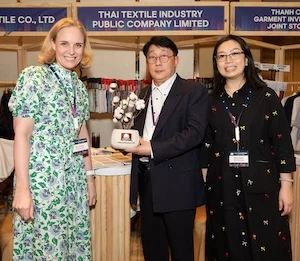
The global textile landscape reached a significant milestone on June 18, 2026, as Cotton Incorporated successfully convened its Cotton ConneXions "Insight to Impact" event, a high-level summit that drew more than 300 industry leaders to the heart of Southeast Asia’s manufacturing corridor. Held in Vietnam, the one-day intensive program served as a strategic nexus for 140 companies spanning 10 countries, including representatives from more than 45 of the world’s most influential global brands and sourcing organizations. This gathering underscored a resurgent international interest in cotton-rich product development, emphasizing a collective move toward supply chain transparency, durability, and technological integration.
As the textile industry faces increasing pressure from both regulatory bodies and environmentally conscious consumers, the Cotton ConneXions event provided a critical platform for stakeholders to align their strategies. The summit was designed to bridge the gap between raw material innovation and retail execution, focusing on how cotton—a fiber with a multi-millennial history—is being reimagined to meet the demands of the modern, high-performance market.
Strategic Context: Why Vietnam and Why Now
The selection of Vietnam as the host location for Cotton ConneXions 2026 reflects the country’s ascending role in the global textile hierarchy. As brands seek to diversify their sourcing footprints away from traditional hubs, Vietnam has emerged as a premier destination for high-quality garment manufacturing. By hosting the event in this region, Cotton Incorporated facilitated direct, face-to-face engagement between Western design teams and Asian manufacturing powerhouses, effectively shortening the feedback loop between conceptual innovation and mass-market production.
The timing of the event is equally significant. In mid-2026, the textile industry is grappling with the implementation of stricter environmental standards, particularly those originating in the European Union and North America. The transition toward a circular economy has placed a premium on natural fibers that offer clear end-of-life pathways. Cotton, being biodegradable and recyclable, sits at the center of this transition. The "Insight to Impact" theme was specifically chosen to highlight how data-driven market insights are currently being translated into tangible products that satisfy both ESG (Environmental, Social, and Governance) requirements and consumer performance expectations.
Event Chronology: A Day of Innovation and Alignment
The summit was structured to provide a comprehensive overview of the cotton lifecycle, from the laboratory to the retail shelf. The morning sessions focused on the macro-economic environment, featuring presentations on cotton market trends and the shifting regulatory landscape. Experts analyzed the impact of 2025-2026 crop yields on global pricing and discussed how emerging trade policies are influencing sourcing decisions across the Pacific.
By midday, the focus shifted toward product development and fashion forecasting. Cotton Incorporated’s trend analysts presented the seasonal directions for 2027, showcasing how cotton-rich fabrics are being utilized in everything from high-end athleisure to durable workwear. This was followed by a series of technical deep dives into the latest finishing technologies that enhance cotton’s natural properties without compromising its breathability or hand-feel.
The afternoon featured the supplier exhibition, the event’s operational core. Thirty-eight specialized suppliers from across Asia showcased their latest fabrications. This exhibition allowed sourcing managers from top global brands to touch and feel the innovations discussed in earlier sessions. The interaction between these 38 suppliers and the 45+ global brands present created a fertile ground for immediate business development and long-term partnership building.
The day concluded with a high-level networking reception, where the primary theme was the "Future of the Fiber." Industry veterans and newcomers alike discussed the challenges of maintaining supply chain resilience in an era of climate volatility and the role of digital traceability in proving the origin and ethics of cotton production.
Data-Driven Consumer Insights: The Durability Mandate
A central pillar of the event was the release of new consumer sentiment data, which highlighted a growing preference for longevity in apparel. According to a recent durability survey conducted by Cotton Incorporated, 82 percent of global consumers expect cotton clothing to last significantly longer than garments made from synthetic alternatives such as polyester or rayon.
This statistic served as a call to action for the brands in attendance. In an era of "slow fashion" and rising costs of living, the value proposition of a garment is increasingly tied to its lifespan. Bev Sylvester, Chief Marketing Officer for Cotton Incorporated, emphasized this point during her keynote address.
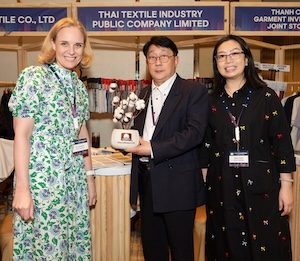
"Cotton ConneXions brought the supply chain together around what’s next for cotton textile innovation," Sylvester stated. "That’s especially relevant as 82 percent of global consumers say they expect cotton clothing to last longer than garments made from polyester, rayon, or other manmade fibers. By connecting sourcing teams with suppliers and technical experts, we can help drive products that deliver on durability, performance, and consumer demand."
The data suggests that while synthetic fibers dominated the market for decades due to their low cost and perceived performance, the tide is turning. Consumers are becoming increasingly aware of the "hidden costs" of synthetics, including microplastic shedding and poor moisture management. The 82 percent figure indicates a massive market opportunity for brands that can successfully market cotton’s inherent durability as a premium feature.
Highlighting Technical Innovations in Cotton-Rich Products
The 38 suppliers at the event showcased a range of technologies designed to keep cotton competitive in the high-performance sector. Among the highlights were advancements in moisture management and weather resistance. Traditionally, cotton was viewed as a "lifestyle" fiber, but the innovations displayed at Cotton ConneXions demonstrated its viability in the activewear and outdoor categories.
- Enhanced Moisture Management: New mechanical and chemical treatments were showcased that allow cotton to dry up to 40% faster than untreated versions, rivaling the performance of synthetic "wicking" fabrics while maintaining the comfort of a natural fiber.
- Natural Stretch Technologies: Suppliers presented 100% cotton fabrics that achieve significant elasticity through innovative weaving and knitting techniques, eliminating the need for spandex or elastane, which often complicates the recycling process.
- Storm Cotton™ and Water Repellency: Advancements in PFC-free water-repellent finishes were a major draw for sourcing teams looking to create sustainable outerwear. These finishes allow the fabric to shed water while remaining breathable, a key requirement for the 2026-2027 fall/winter collections.
- Tough Cotton™ for Longevity: Addressing the 82 percent consumer demand for durability, these technologies involve treatments that strengthen the cotton fibers at the molecular level, significantly reducing abrasion and pilling over time.
Official Responses and Industry Implications
The reaction from the attending brand representatives was overwhelmingly positive, with many noting that the event provided a much-needed "reset" for their sourcing strategies. A sourcing executive from a major European athletic brand, speaking on condition of anonymity, noted that the event "provided the technical evidence needed to justify a shift back to natural fibers in our core lines."
The presence of 45 top global brands indicates that the industry’s heavyweights are looking for more than just a raw material supplier; they are looking for innovation partners. By facilitating these connections, Cotton Incorporated is positioning cotton not just as a commodity, but as a high-tech solution to the industry’s most pressing sustainability challenges.
Industry analysts suggest that the impact of the Cotton ConneXions summit will be felt in the retail market as early as the Spring/Summer 2027 season. The collaborations initiated in Vietnam are expected to lead to a surge in "Cotton-Rich" labeling—products containing at least 60% cotton—as brands seek to capitalize on the durability and sustainability trends identified during the event.
Broader Impact: Navigating Regulatory Shifts
Beyond the immediate business opportunities, Cotton ConneXions addressed the looming shadow of global textile regulations. As governments move toward mandating "Digital Product Passports" and enforcing stricter waste-reduction targets, the textile supply chain must become more integrated.
The event underscored that cotton’s natural origin provides a distinct advantage in this new regulatory environment. Unlike synthetic fibers, which are derived from petrochemicals and contribute to microplastic pollution, cotton is a renewable resource that fits neatly into the circularity models being promoted by global regulators. The summit provided a roadmap for how suppliers and brands can work together to document every step of the cotton journey, from the farm to the finished garment, ensuring compliance with upcoming transparency laws.
Conclusion: A Future Rooted in Natural Performance
The Cotton ConneXions Insight to Impact event in Vietnam has set a new benchmark for industry collaboration. By uniting more than 300 leaders and focusing on the intersection of innovation, durability, and market demand, Cotton Incorporated has reinforced the vital role of cotton in the future of fashion.
As the industry moves forward, the insights gained from this summit will likely drive a new wave of product development that prioritizes the longevity consumers crave and the sustainability the planet requires. The success of the event serves as a testament to the enduring relevance of cotton and the power of a unified supply chain to address the challenges of a rapidly evolving global market. With 2027 on the horizon, the textile world looks to these innovations to define the next era of apparel—one that is natural, durable, and technologically advanced.