





Venue and Logistical Context
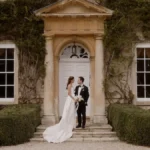
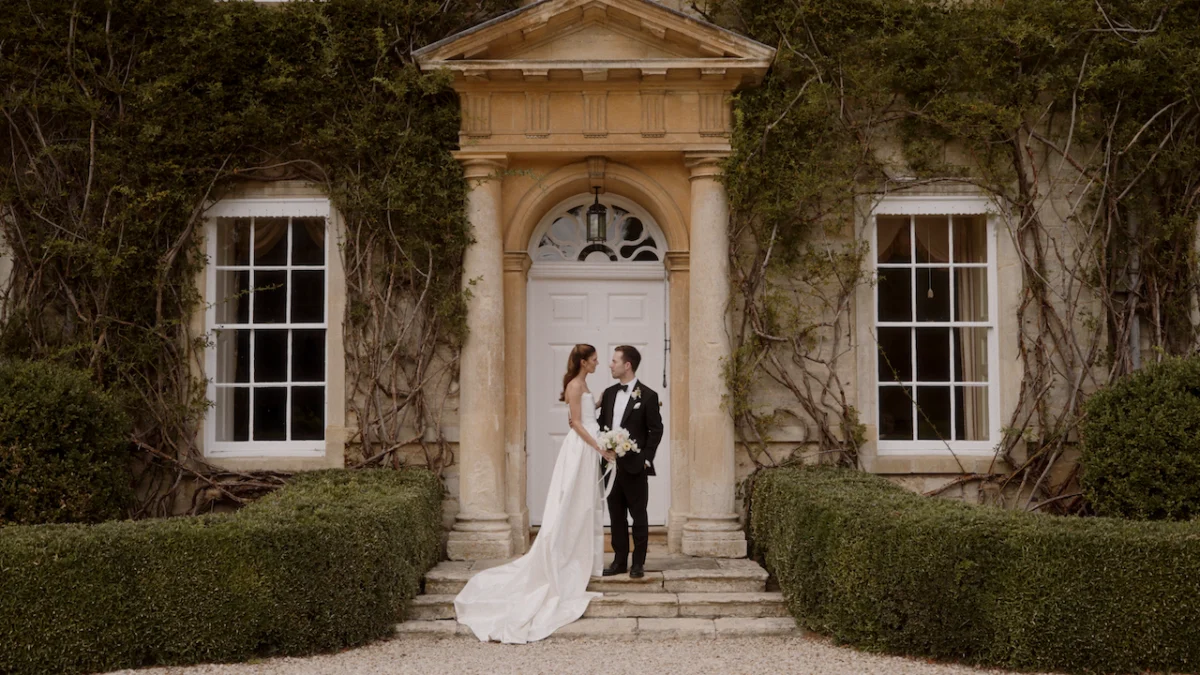
The Wilburton, a sprawling historic inn known for its eclectic art installations and expansive grounds, provided the necessary infrastructure for a multi-day destination wedding. The choice of venue was strategic, as the couple sought to host a significant portion of their international and domestic guests on-site to facilitate extended familial engagement. The venue’s unique features—ranging from Egyptian statuary to historic architecture—offered a distinct backdrop that aligned with the couple’s desire for a setting that balanced traditional charm with a sense of playful, modern whimsy.
Logistically, the event required coordination between multiple vendor teams and the inn’s staff to manage the transition from a traditional Iranian Sofreh Aghd ceremony to a modern reception. The logistical complexity of such an event—hosting guests from different continents and integrating specific cultural ritual requirements—highlights a growing trend in the wedding industry toward immersive, long-form celebrations that prioritize communal experience over single-day formal events.
Cultural Synthesis and Ritual Significance
Central to the proceedings was the Sofreh Aghd, a traditional Persian wedding ceremony spread. This practice involves the arrangement of specific, symbolic items on a ceremonial cloth, each representing various aspects of the couple’s future life. The items included a mirror and candles for clarity and light, eggs for fertility, and honey for sweetness.
The ceremony was marked by its interactive nature, adhering to traditional Persian customs where the bride does not immediately accept the marriage proposal, allowing instead for playful, scripted interjections from family and friends. This specific cultural touchpoint, combined with the ritual of married women grinding sugar cones over the couple’s heads to symbolize sweetness in the marriage, served to bridge the gap between the couple’s Iranian heritage and their broader guest list. The integration of these rituals required careful translation and explanation to ensure all guests were included in the significance of the proceedings.
Chronological Overview of the Event
The celebrations began on the eve of the wedding with a large-scale bonfire, a symbolic communal event that utilized the venue’s prominent Egyptian pharaoh statues as a backdrop. The ceremony followed the next day, featuring a procession that honored the bride’s late father through the presence of his siblings, who had traveled from Iran.
The reception that followed shifted the tone from traditional reverence to modern celebration. The musical curation played a role in this transition, moving from traditional Persian music to a contemporary playlist that included artists such as Chappell Roan, Fetty Wap, and ABBA. This chronological flow from a formal, heritage-focused ceremony to a high-energy, modern reception is indicative of the "hybrid wedding" model, which has seen an increase in popularity among multicultural couples aiming to satisfy both traditional expectations and personal identity.
Demographic and Sociological Implications
The marriage of Mina and Gage represents a broader trend of multicultural integration within American social structures. By weaving together Persian traditions—such as the poetry readings in Farsi and the symbolic sugar cone ceremony—with American wedding tropes, the couple navigated the complexities of cultural identity in a public forum.
The involvement of family members traveling from Iran highlights the resilience of familial ties across geopolitical boundaries. The presence of these relatives, despite the challenges of international travel, underscores the importance of the wedding as a primary vehicle for maintaining diaspora connections. Furthermore, the couple’s use of modern, humorous elements—such as cartoon-illustrated invitations and a playful approach to ceremony mishaps—serves as a case study in how the younger generation is actively modifying centuries-old traditions to better reflect their own personal narratives.
Professional Insights and Industry Trends
Wedding industry data suggests that "destination weekends" have become the standard for couples seeking to maximize the value of their celebration. The logistical burden of such events is significant; however, the benefit, as noted by the couple, is the extended time afforded to guests. The inclusion of professional coordinators and specialized photography—such as the digital and analogue blend provided by Lory Lyon Photography—reflects a shift toward capturing both the aesthetic and the emotional authenticity of the event.
The couple’s approach to wedding planning—specifically their advice to "stay offline" and avoid the pressure of social media trends—aligns with a recent shift toward "intentional planning." This strategy prioritizes the couple’s personal values over standardized industry benchmarks, often resulting in higher levels of reported satisfaction.
Commemorative Elements and Legacy
The inclusion of heirlooms, such as the grandmother’s earrings and the meticulously crafted Khorshid Khanum portrait, added a layer of historical continuity to the event. These items functioned as artifacts of the family’s history, grounding the new union in the context of previous generations. The act of translating the father’s favorite poetry into English for the ceremony demonstrates the intentionality behind preserving cultural heritage within an American context.
The couple’s decision to have their friend, Lizzie, officiate the ceremony—using a "Will you marry us?" coaster that had been part of their initial meeting—completed a cycle of interpersonal relationships that began years prior. This full-circle narrative is a hallmark of contemporary wedding ceremonies, where the focus has shifted from the mere legal act of marriage to the public recognition of the couple’s unique shared history.
Conclusion and Broader Impact
The wedding at The Wilburton was more than a private ceremony; it was a demonstration of how cultural heritage, personal history, and modern sensibilities can be successfully integrated to create a cohesive event. By embracing both the formal, sacred traditions of the Iranian culture and the lighthearted, individualized elements of their own relationship, the couple created an environment that was both inclusive and deeply personal.
The broader implications of this event reflect a wider societal movement toward the celebration of multicultural identities in the United States. As more couples seek to honor their diverse backgrounds, the wedding industry will likely continue to adapt, offering more flexible venues and services that accommodate the complex needs of modern, multicultural, and multigenerational families. This event serves as a clear indicator that the future of wedding celebrations lies in the successful negotiation between honoring the past and defining the future.