






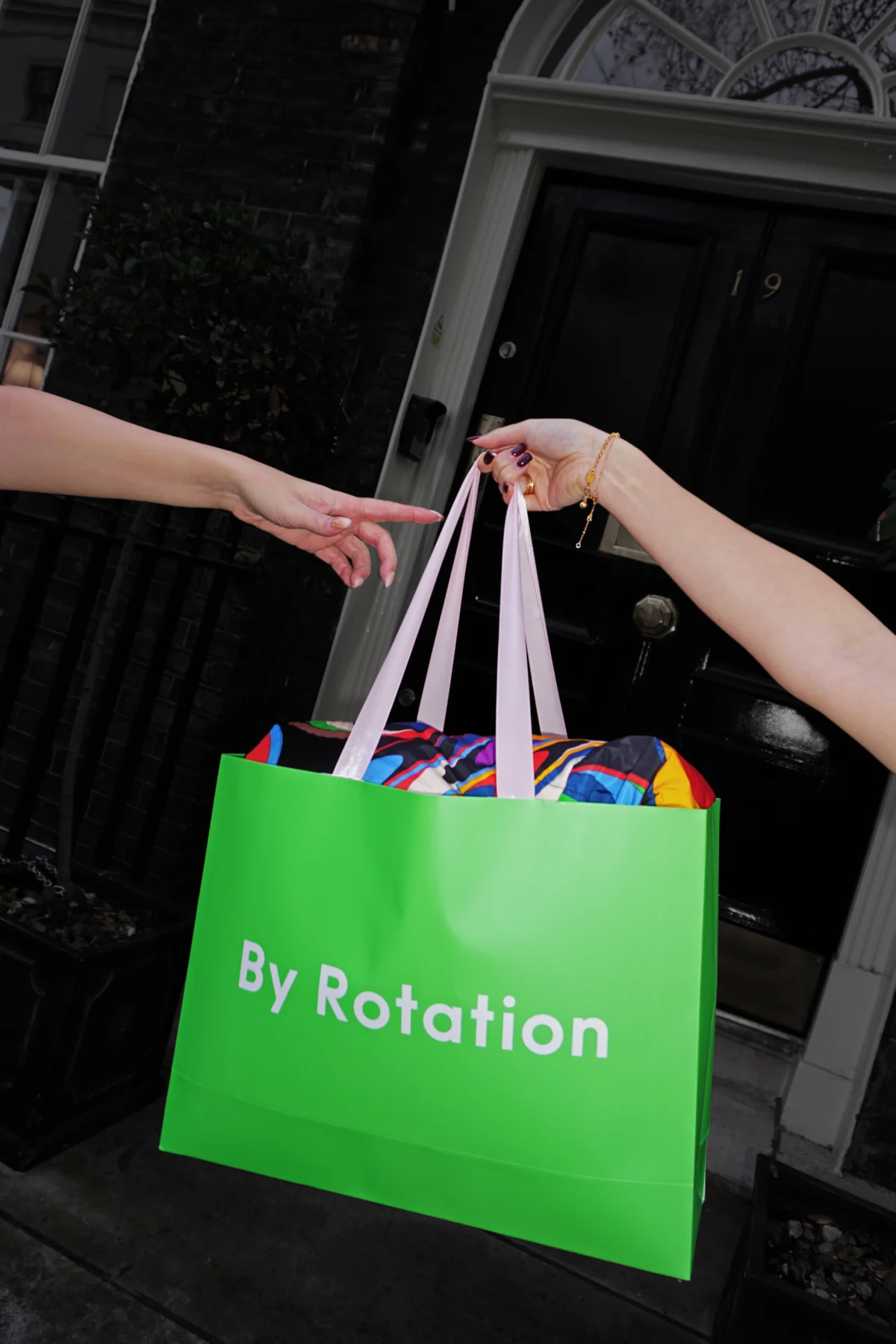
The United Kingdom’s leading peer-to-peer fashion rental platform, By Rotation, has officially announced a strategic partnership with global ride-sharing and delivery giant Uber to streamline the logistics of sustainable fashion. Under this new initiative, which is scheduled to run through May 31, users across the U.K. can now rent high-end designer outfits from lenders within their local neighborhoods and have them delivered via Uber Courier in under 60 minutes. This collaboration marks a significant shift in the fashion rental landscape, aiming to bridge the gap between the environmental benefits of "slow fashion" and the immediate gratification traditionally associated with "fast fashion" and modern e-commerce.
The service includes a 10% discount for users who opt for Uber delivery, a move designed to incentivize the use of local courier services over traditional postal methods. While the partnership is available for all garment categories on the platform, both companies have indicated a specific focus on the burgeoning ski wear market. According to internal data from By Rotation, approximately 30% of users seeking ski gear require same-day pickup, often due to the logistical challenges of managing bulky, high-value equipment and apparel at the last minute. By integrating Uber’s vast courier network, the companies aim to eliminate the "friction point" of physical transit, allowing users to secure premium technical gear without the burden of long-distance shipping or personal travel for collection.
Addressing the Emergency Economy and Sartorial Panic
The concept of the "emergency economy" has become a central pillar of By Rotation’s operational strategy. Eshita Kabra-Davies, the founder and CEO of By Rotation, identified a recurring trend among the platform’s one million users: nearly one in four rental requests are made within 48 hours of an event. This phenomenon, which Kabra-Davies describes as "sartorial panic," occurs when a consumer realizes they lack an appropriate outfit for an imminent occasion—be it a wedding, a corporate event, or a spontaneous holiday.
Historically, this sense of urgency has been a primary driver of the fast-fashion industry. When consumers need an item immediately, they often resort to "panic purchases" from high-street retailers that offer next-day delivery or immediate in-store availability. These purchases are frequently "disposable" garments, worn once and then discarded or forgotten, contributing to the fashion industry’s status as one of the world’s most significant polluters. By partnering with Uber, By Rotation seeks to offer a sustainable alternative that matches the speed of traditional retail.
"We have wanted to change this behavior by removing the one thing standing in the way—logistics," Kabra-Davies stated. The partnership allows a high-quality, high-value piece of clothing to reach a consumer’s door just as quickly as a new purchase from a fast-fashion website, thereby making the circular economy a viable first choice rather than a secondary consideration.
Chronology of Innovation: By Rotation’s Path to Market Leadership
Since its inception in 2019, By Rotation has undergone a rapid transformation from a niche startup to a dominant force in the global sharing economy. The platform’s growth trajectory reflects a broader shift in consumer values, particularly among Gen Z and Millennial demographics who prioritize sustainability and cost-effectiveness.
- 2019: Eshita Kabra-Davies launches By Rotation as the U.K.’s first peer-to-peer fashion rental app, inspired by the waste she witnessed during a trip to her native Rajasthan, India.
- 2021-2022: The platform experiences a surge in growth post-pandemic as social events return. It secures significant seed funding and expands its user base to include high-profile "Rotators" such as singer Ellie Goulding and various fashion influencers.
- 2023: By Rotation expands its footprint into the United States, launching in New York City to test the North American market’s appetite for peer-to-peer luxury rentals.
- August 2024: The company partners with Airbnb to offer free destination wedding outfit rentals, a creative collaboration that targeted travelers looking to reduce luggage weight and avoid the costs of occasion wear.
- Late 2024: The partnership with Uber is finalized, focusing on the "last-mile" delivery problem that has historically hindered peer-to-peer marketplaces.
This latest move with Uber represents the company’s most significant investment in logistics to date. By moving beyond mere "listing and matching" to active fulfillment, By Rotation is positioning itself as a comprehensive lifestyle utility rather than just a clothing app.
Data and Market Context: The Rise of the Circular Economy
The collaboration arrives at a time when the global fashion rental market is projected to reach unprecedented heights. Market analysts estimate that the clothing rental sector will grow at a compound annual growth rate (CAGR) of nearly 10% over the next five years. This growth is driven by a combination of economic factors—such as the rising cost of luxury goods—and environmental awareness.
The fashion industry is responsible for approximately 10% of global carbon emissions and 20% of global wastewater. In contrast, the circular economy model promoted by By Rotation extends the life cycle of garments, reducing the need for new production. The platform currently manages a luxury inventory valued at over $100 million, all of which is owned by individual users rather than a centralized warehouse. This decentralized model is inherently more sustainable, but it relies heavily on efficient local transport to remain competitive.
Uber’s involvement is equally strategic. As the ride-sharing giant seeks to diversify its revenue streams, "Uber Direct" and "Uber Courier" have become essential tools for local businesses. By facilitating the movement of physical goods within cities, Uber is leveraging its existing infrastructure of drivers and couriers to dominate the local delivery market. For Uber, the partnership with By Rotation is an opportunity to associate its brand with sustainability and high-end fashion, moving beyond its roots as a purely utilitarian transport service.
The "Ski-Core" Trend and Seasonal Demand
The decision to focus the Uber partnership on ski gear is backed by specific seasonal trends and social media influence. "Ski-core" and "Après-ski" aesthetics have seen a massive resurgence on platforms like TikTok and Instagram, leading to increased demand for high-end technical brands such as Moncler, Moon Boot, and Perfect Moment. However, these items are notoriously expensive and take up significant storage space, making them ideal candidates for the rental model.
Data indicates that U.K. skier numbers were up 7% in recent seasons, and with the high cost of airline baggage fees for bulky gear, many travelers are looking for ways to access equipment without the logistical nightmare of transport. By Rotation’s same-day delivery via Uber allows a London-based user to rent a designer ski suit in the morning and have it packed in time for an afternoon flight, all without leaving their home.
Broader Implications for Retail and Consumer Behavior
The implications of this partnership extend far beyond a simple delivery discount. Industry experts suggest that the integration of rapid logistics into the sharing economy could signal the "beginning of the end" for traditional ownership models in certain fashion categories.
- Financial Empowerment for Lenders: The platform has already demonstrated its potential for wealth generation among its users. One notable lender reportedly funded her entire IVF journey and successful surrogacy through her wardrobe earnings. By making it easier for renters to receive items, the Uber partnership increases the "turnover" of a lender’s wardrobe, leading to higher passive income.
- The Shift in Logistics Expectations: As consumers become accustomed to 60-minute deliveries for groceries and meals, their expectations for retail are shifting. If fashion rental can meet this 60-minute threshold, it removes the primary advantage that physical retail stores currently hold over digital marketplaces.
- Global Ambitions: Kabra-Davies has been vocal about her desire to make the "rotating wardrobe" the default mode of consumption globally. With established presences in London and New York, and plans to enter the UAE market, the Uber partnership provides a blueprint for how By Rotation can scale in high-density urban environments worldwide.
Official Responses and Industry Outlook
While traditional retailers may view the rise of peer-to-peer rental as a threat, many are beginning to explore how they can participate in the circular economy. However, the agility of a platform like By Rotation, combined with the logistical power of Uber, creates a formidable challenge for legacy brands.
"It gives our community the luxury of choice," Kabra-Davies emphasized. "They can now secure a high-quality, high-value piece over a disposable garment, simply because it can reach their door just as quickly."
As the May 31 deadline approaches, industry observers will be watching closely to see if this pilot program becomes a permanent fixture of the By Rotation app. If successful, it could lead to similar partnerships in other metropolitan hubs, further cementing the role of technology in solving the environmental crises of the modern fashion industry. For now, the "sartorial panic" of U.K. consumers has a new, rapid solution, delivered one Uber ride at a time.