








London Fashion Week has long occupied a unique, rebellious space within the global fashion calendar, functioning as both a showcase for heritage luxury houses and an incubator for avant-garde subcultures. While the official British Fashion Council (BFC) schedule commands global headlines—highlighting major milestones such as Alexander McQueen’s much-anticipated return to the UK capital after a 25-year hiatus, Christopher Kane’s debut at Mulberry, and a diverse lineup of emerging talent—an equally vital cultural phenomenon occurs simultaneously beneath the surface. For SS27, an elite cohort of independent designers, underground labels, and recent graduates are bypassing traditional institutional channels entirely. Operating on an "IYKYK" (if you know, you know) basis, these creators are staging secret, off-schedule presentations promoted independently to select followers, defining the true pulse of London’s youth-driven creative economy.
The Evolution of Off-Schedule Presentations During London Fashion Week
The practice of staging independent shows outside the official BFC framework is rooted in London’s DIY fashion heritage. Historically, financial constraints, a desire for total creative autonomy, and a rejection of rigid corporate structures have driven designers to unconventional venues—ranging from East London warehouses and intimate art studios to public streets.
In recent years, the democratization of digital media has accelerated this shift. Platforms like Instagram and TikTok allow emerging designers to build direct-to-consumer communities without requiring the endorsement of traditional gatekeepers. For SS27, this off-schedule circuit has evolved from a sporadic alternative into a highly organized, highly anticipated shadow calendar. Industry insiders, buyers, and international press increasingly prioritize these underground shows, recognizing them as the primary breeding ground for tomorrow’s luxury icons.
Kai Ghattaura and Fin Forsyth: Postmodern Ragebait and Internet Lore
Among the most anticipated off-schedule events this season is the collaborative presentation by Telford-raised designer Kai Ghattaura and partner Fin Forsyth. A graduate of Central Saint Martins’ prestigious MA Fashion program in February 2026, Ghattaura has quickly carved out a disruptive niche in the contemporary menswear landscape.
Described by the designer himself as "postmodern ragebait clothing," his aesthetic draws heavily from early internet lore, obsolete digital subcultures, and the video games of his childhood. While his academic portfolio garnered critical acclaim, his physical footprint in contemporary culture has been amplified by high-profile endorsements, most notably from internet personality EsDeeKid.
Rather than opting for a conventional runway format, Ghattaura and Forsyth are inviting audiences into an experiential presentation characterized by the cryptic invitation: "Come and play with us." This interactive approach reflects a broader generational shift away from passive viewing toward immersive, performance-based fashion experiences that resonate with digital-native consumers.
Ellen Poppy Hill: Conceptual Craftsmanship and Annual Rarities
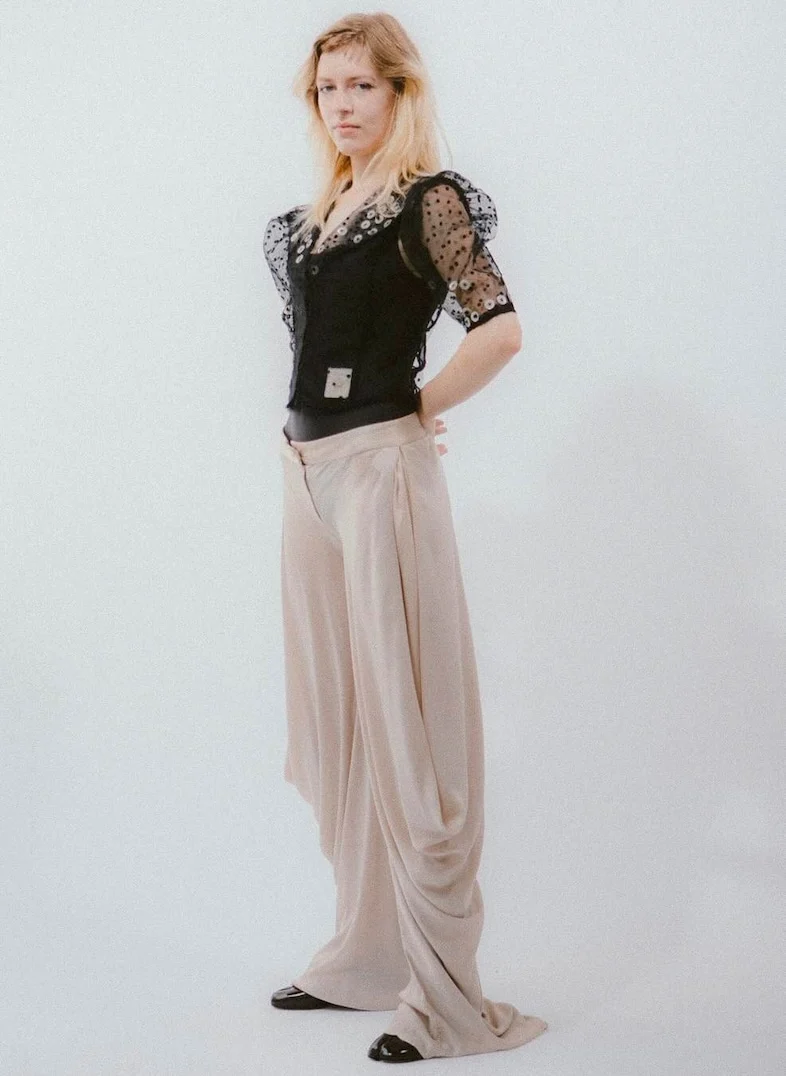
Operating on a vastly different temporal schedule is South London designer Ellen Poppy Hill, who maintains a strict policy of showing just once a year. Marking her third collection, titled Sharpen Up Your Act!, Hill’s work stands out for its meticulous devotion to tactile storytelling and unconventional material inspiration.
Known for sourcing concepts from eclectic literature, contemporary artwork, historical archives, and even passing linguistic turns, Hill’s SS27 collection finds its conceptual roots in the humble pencil-shaving—a motif teased through sparse, deliberate social media updates. Her designs—frequently celebrated for blending delicate textiles like embroidered tulle with structured tailoring—rely on a slow-fashion ethos that contrasts sharply with the hyper-accelerated production cycles of modern fast fashion. By limiting her output and presentation schedule, Hill cultivates an aura of exclusivity and artisanal integrity that appeals strongly to collectors and high-end independent boutiques.
R&M Leathers and Pornhub: A High-Profile Partnership in East London
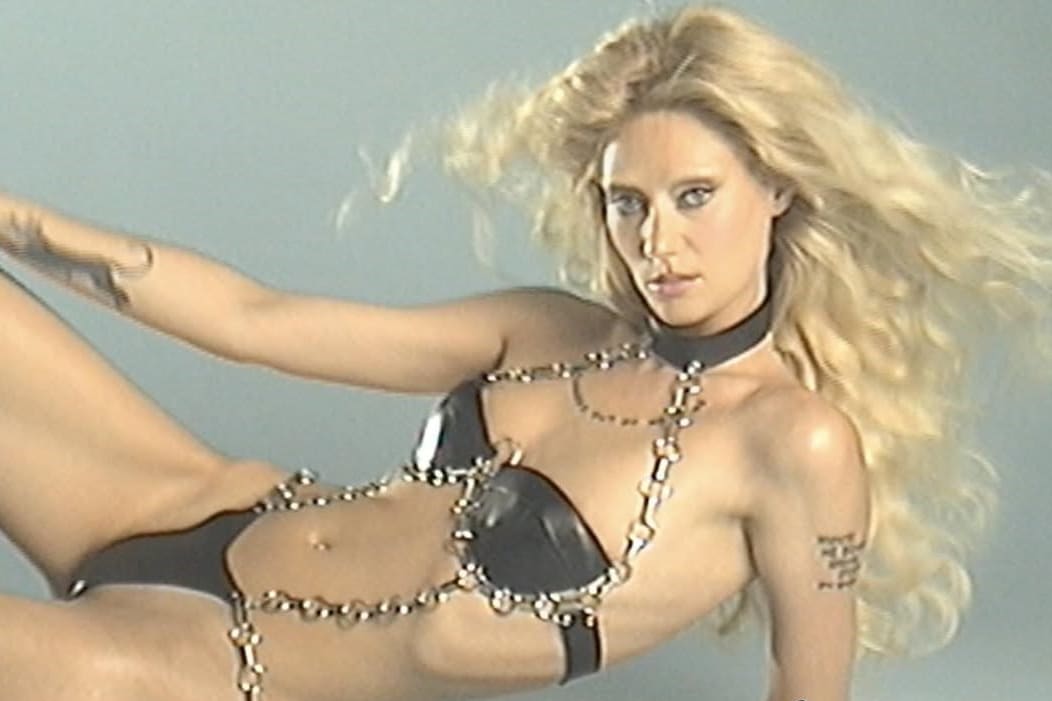
Scaling up from underground beginnings to a major cultural moment, cult leather label R&M Leathers is staging its debut runway show. Founded in 2018 by Ruby Mariani, the brand has spent the past eight years quietly building a fiercely loyal international following among pop stars, musicians, and contemporary style icons.
Tomorrow evening in East London, the brand will present "MISS LEATHERS," a high-octane catwalk production realized in collaboration with adult entertainment platform Pornhub. This partnership underscores an ongoing industry trend where luxury fashion intersects explicitly with sex-positive art and countercultural media. By collaborating with a globally recognized digital platform, R&M Leathers is signaling its transition from a niche cult favorite into a commercially viable, culturally disruptive powerhouse capable of commanding mainstream media attention while retaining its subversive edge.
Layal Balubaid: Democratizing Couture Through Studio Access
While traditional runway shows enforce strict security and hierarchical seating arrangements, Saudi-born, London-based designer Layal Balubaid is taking the opposite approach for SS27. A student in the Central Saint Martins MA program, Balubaid has garnered critical attention—and high-profile fans, including New York City First Lady Rama Duwaji—for her comedy-inflected couture.
Rather than erecting a temporary runway, Balubaid is flouting convention by opening the doors of her personal design studio to the general public during London Fashion Week. Her invitation is disarmingly casual: "Want to see my pieces up close? Try things on? Be nosy? Bring me a present? Now you can!"
This strategy represents a radical democratization of the couture experience. By dismantling the physical barriers between creator and consumer, Balubaid fosters a community-driven retail environment that prioritizes transparency, personal connection, and accessibility over intimidation.
George Trochopoulos: Architectural Innovation in Fitzrovia
In Fitzrovia, Greek designer George Trochopoulos is hosting an intimate off-schedule presentation designed to offer a definitive statement on his evolving brand identity. Trochopoulos first achieved global viral recognition with his innovative mussel-shell bolero—a sculptural knitwear piece subsequently worn by cultural luminaries such as Solange and Tyla.
With an enviable roster of celebrity supporters that includes SZA, Jorja Smith, Anok Yai, and Quen Blackwell, Trochopoulos has spent the past several years establishing his technical vocabulary. Reflecting on the upcoming presentation, the designer noted, "The past few years I have been getting to know my girl. I hope this season I can give you a proper introduction to her." Industry analysts anticipate that the show will cement his reputation as a master of experimental knitwear and architectural silhouette construction.
Lili Curia and Dover Street Market: Finding Stillness in the Chaos
Rounding out the off-schedule highlights is footwear and apparel label Lili Curia. Founded only last year, the brand has rapidly ascended to critical darling status within the global fashion crowd, recognized for its coquettish, vintage-inspired footwear silhouettes embraced by prominent figures such as Lisa and Suki Waterhouse.
Rather than staging a high-stress runway show, Lili Curia is collaborating with retail institution Dover Street Market on Saturday morning to provide an antidote to the high-energy frenzy of the official fashion week schedule. The brand is hosting an intimate poetry and literature reading featuring model Tali Lennox. This cross-disciplinary approach highlights a growing recognition among emerging brands that consumer engagement extends beyond visual aesthetics into emotional well-being and experiential lifestyle integration.
Broader Economic and Cultural Implications
The proliferation of these independent, off-schedule presentations during London Fashion Week SS27 points to a structural evolution in the British fashion industry. While the British Fashion Council remains essential for securing global media partnerships, infrastructural funding, and corporate sponsorships, the grassroots tier demonstrates that cultural relevance can no longer be bought solely through high-budget official showcases.
For emerging designers, staging independent presentations offers vital flexibility. It allows creators to allocate constrained financial resources directly into product development and immersive guest experiences rather than exorbitant venue rentals and institutional registration fees. Furthermore, direct engagement via social media platforms enables these brands to cultivate international direct-to-consumer sales channels independent of traditional wholesale department store buyers.
As the fashion industry navigates changing economic landscapes and shifting consumer values, the success of creators like Kai Ghattaura, Ellen Poppy Hill, R&M Leathers, Layal Balubaid, George Trochopoulos, and Lili Curia serves as a testament to London’s enduring vitality. By operating on their own terms, these designers are not merely participating in London Fashion Week—they are actively rewriting its rules, ensuring that the city remains the undisputed global capital of uncompromised creative expression.