










The intersection of traditional tailoring and contemporary bridal fashion has found a new standard in the work of Sophie Rose, the founder of the Hampshire-based independent studio, Sophie Rose Bridal. As the wedding industry faces a transformative period characterized by the tension between mass-produced, technology-driven imagery and the demand for authentic, human-centric artistry, Rose’s latest collection stands as a testament to the enduring value of made-to-measure couture. Her approach prioritizes the individual anatomy and personal narrative of the bride, moving away from the "off-the-rack" industry standard that has dominated bridal retail for decades.
A Chronology of Craft: From Professional Foundation to Independent Design
Sophie Rose’s path to establishing her own label was paved by years of rigorous training in both the technical and luxury sectors of the fashion industry. Before launching her eponymous studio, Rose served in pivotal roles within the bridal alteration and couture sectors. Her tenure at Nortier provided her with the essential technical foundation required to master the complexities of bridal garment construction—specifically the art of fitting, internal structure, and the delicate handling of luxury textiles.
Following her foundational work, she transitioned into the luxury fashion house Libelula. This experience exposed her to the nuances of high-end design, draping, and the importance of garment longevity. These formative years created a clear trajectory for her current business model: a synthesis of technical precision and aesthetic grace. By the time she launched Sophie Rose Bridal, the philosophy behind her work was already solidified: that a wedding dress should be an extension of the wearer’s identity rather than a costume that dictates how they move or feel.
The Anatomy of the New Collection
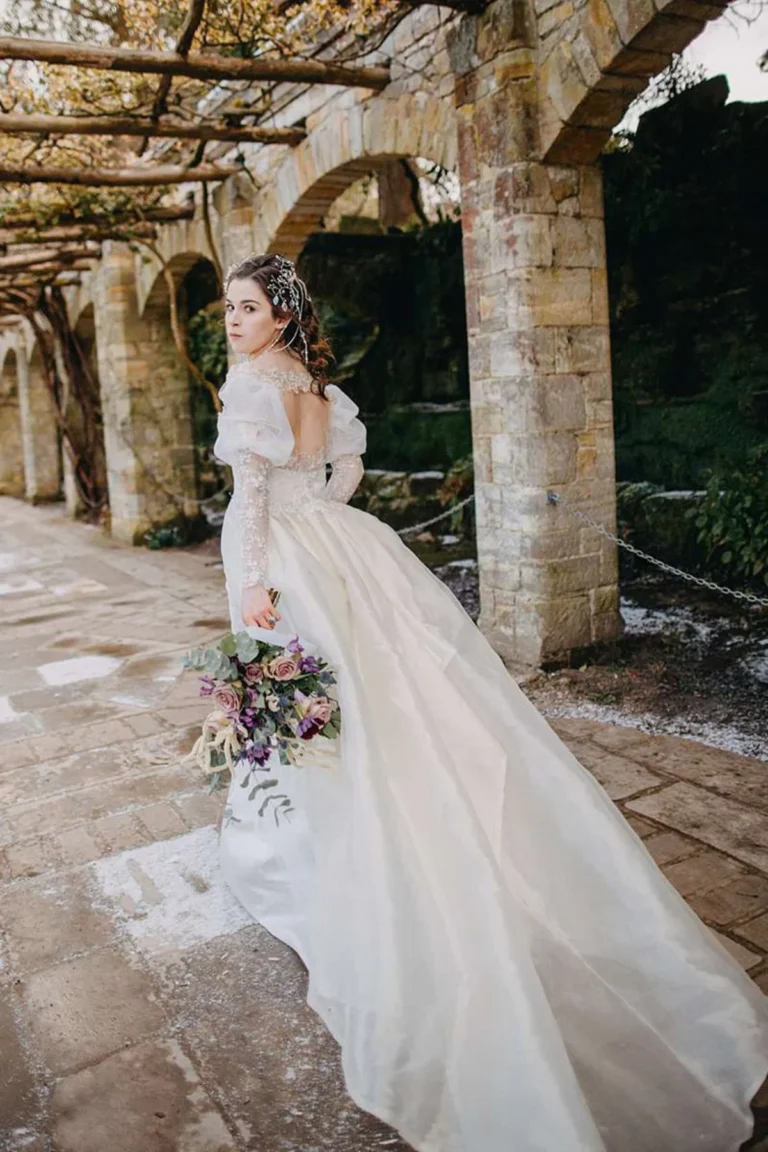
The latest collection from Sophie Rose Bridal consists of six distinct gowns: Hebe, Flora, Ivy, Clover, Rosa, and Hazel. Each piece serves as a case study in textile selection and silhouette engineering. Unlike standard manufacturing, where a size chart dictates the final product, each of these gowns is constructed from scratch to the client’s exact measurements.
The choice of materials is central to the collection’s ethos. Rose utilizes a palette of natural fabrics, including high-quality linen and linen-silk blends, alongside innovative textiles derived from recycled materials. This selection is not merely aesthetic; it is functional. These fabrics are chosen for their breathability, their ability to drape naturally against the body, and their tactile quality. The design process allows for extensive personalization, where brides may alter necklines, adjust sleeve lengths, or integrate design elements from multiple gowns into a single, cohesive garment. This level of customization is increasingly rare in an era where, according to recent market reports, over 70% of bridal retailers rely on pre-manufactured stock with limited sizing options.
The Broader Industry Context: Technology vs. Tradition
The rise of artificial intelligence in fashion marketing has introduced a complex layer to the bridal industry. Recent industry trends show that some established designers have begun utilizing AI-generated imagery for their promotional campaigns, a practice that has drawn criticism for its detachment from the physical reality of garment creation. For consumers, this presents a dilemma: the polished, digital perfection of an AI-rendered dress often obscures the realities of fabric quality, fit, and the labor-intensive process of physical production.
Industry analysts note that the shift toward "slow fashion" within the bridal sector is a direct response to the saturation of fast-fashion alternatives. Data from sustainable fashion advocacy groups suggests that consumer interest in traceable, locally-made garments has increased by approximately 22% since 2022. Sophie Rose’s studio represents this shift. By keeping every stage of production—from the initial design phase to the final finishing touches—within her Hampshire studio, she eliminates the carbon footprint associated with global supply chains and ensures that the garment is not merely "altered" to fit, but "engineered" for the wearer.
The Psychology of Personalization
The psychological impact of wearing a custom-fitted garment is a subject of growing interest in the textile and social sciences. Research suggests that clothing tailored to an individual’s specific proportions can significantly boost self-confidence and physical comfort, particularly during high-stress events like weddings. Rose emphasizes that her process is designed to mitigate the anxiety often associated with the traditional bridal shopping experience.
"It is never about changing who you are to fit a dress," Rose explains. "It is about creating a dress that feels right for you." This philosophy moves the wedding dress from a status symbol to a functional piece of art that facilitates, rather than restricts, the wearer’s movement. By fostering a direct relationship between the designer and the bride, the process creates a feedback loop that ensures the final product aligns with the bride’s lifestyle and personality, rather than an arbitrary seasonal trend.
Socio-Economic Implications of Small-Scale Manufacturing
The preservation of traditional sewing and dressmaking skills is a significant concern for the future of the fashion industry. Small-scale, independent businesses like Sophie Rose Bridal act as custodians of these specialized crafts. In an environment where the "fast fashion" business model prioritizes high-volume output and reduced production costs, the boutique model faces significant economic hurdles.
However, the value proposition of such a business model extends beyond the product itself. It contributes to local economic resilience and maintains a community of skilled artisans. The economic viability of these independent labels relies on a shift in consumer behavior—specifically, the move toward valuing the "cost-per-wear" and the emotional labor invested in the garment over the immediate, lower-cost convenience of mass-market retail. For the bride, this investment often translates into a garment that can be cherished and, in some cases, passed down, thereby contributing to a more circular fashion economy.
Looking Toward the Future: The Evolution of the Studio
As Sophie Rose Bridal continues to grow, the focus remains on the scalability of intimacy. The ability to maintain a high level of personal service while managing the demands of a growing brand is a challenge that many independent designers face. Rose’s commitment to staying involved in the entire lifecycle of the gown—from the initial sketch to the final needle stitch—ensures that the brand’s core identity remains intact.
For prospective brides, the process begins with a personal consultation. These appointments are designed to be an exploratory experience, focusing on the bride’s history, the setting of the wedding, and her personal style. By removing the pressure of "playing dress-up," Rose facilitates an environment where the bride can articulate her needs. This dialogue is what ultimately informs the construction of the dress.
Conclusion: A Shift in Bridal Paradigm
The emergence of designers like Sophie Rose suggests a broader movement within the wedding industry—a rejection of the ephemeral and the artificial in favor of the tangible and the personal. In a world where AI can simulate the appearance of a wedding dress in seconds, the actual, physical process of cutting, pinning, and sewing by hand carries a weight that technology cannot replicate.
By grounding her practice in the principles of natural materials, bespoke construction, and transparent, local production, Rose is not just creating wedding dresses; she is advocating for a return to the human element of fashion. As brides continue to seek out experiences that reflect their individual values and identities, the importance of independent, skilled artisans becomes increasingly paramount. The Sophie Rose Bridal collection is, ultimately, a reminder that the most significant fashion statements are those that prioritize the wearer’s comfort and confidence above all else. For those seeking to move beyond the constraints of traditional bridal retail, the studio offers a path toward a more meaningful and enduring sartorial choice.