









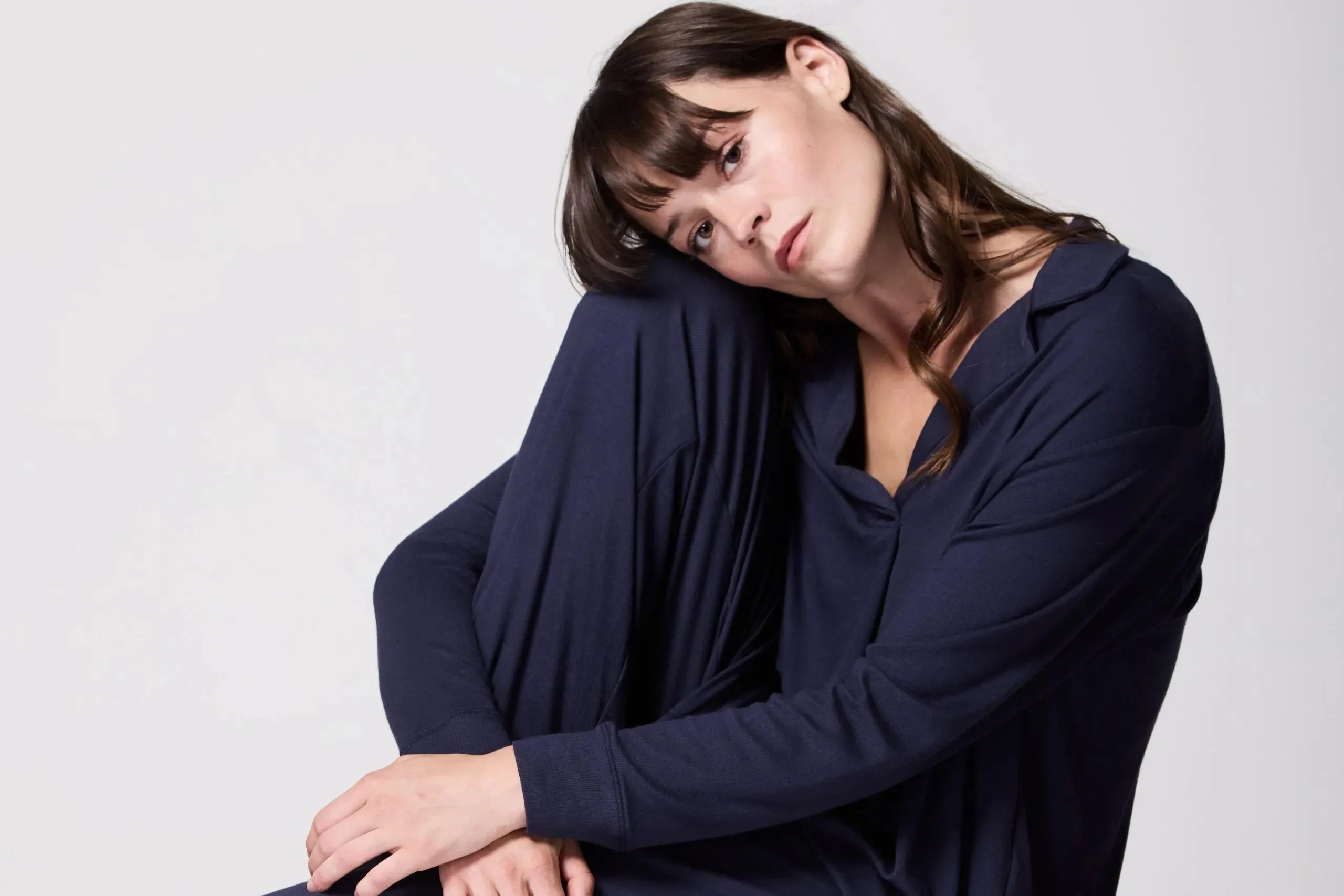
The debut of this 15-piece collection at the UK department store giant marks a significant milestone for Mamu, which celebrated its one-year anniversary in September 2026. Founded by industry veteran Barbara Horspool—whose illustrious career includes senior product and design leadership roles at Marks & Spencer, Jigsaw, New Look, and The White Company—the brand was established with the goal of redefining the "at-home" aesthetic. By positioning its output as "power dressing for the home," Mamu seeks to bridge the gap between functional sleepwear and sophisticated, multi-purpose loungewear.
A Strategic Retail Milestone
The partnership with John Lewis, a cornerstone of the British high street, represents a major scalability move for Mamu. Following its inception in September 2025, the brand has navigated the competitive landscape of independent fashion by prioritizing fabric quality and a clear, intentional design language.
The 15-piece edit curated for John Lewis is designed to offer a cohesive wardrobe of restwear. It spans a variety of categories, including intricate floral satin nightwear, signature brushed cotton pyjama sets, and premium knitwear featuring cashmere separates and alpaca-blend layers. The collection adheres to a refined color palette, prioritizing soft, feminine tones such as blush pink, powder blue, and ivory, while grounding the aesthetic with timeless staples in black, grey, and deep burgundy.
The entry point for consumers begins at £50 for a modal jersey lace nightie, extending to £195 for a premium satin floral tuxedo tie pyjama set. By positioning these products within John Lewis, Mamu is tapping into a demographic that values longevity and quality—a strategic alignment with the brand’s focus on sustainable fabrics and long-term craftsmanship.
The Evolution of the Restwear Market
The rise of brands like Mamu speaks to a broader post-pandemic shift in consumer behavior. Over the last three years, the definition of "leisurewear" has matured significantly. Where the market was once dominated by basic jersey staples, there is now an undeniable demand for "elevated restwear"—garments that possess the tactile comfort of loungewear but the structural integrity and aesthetic polish of ready-to-wear clothing.
Market analysts suggest that the home-based economy has solidified, leading consumers to invest more heavily in their "private" wardrobes. John Lewis, in particular, has been aggressive in its pursuit of this segment. The retailer’s decision to incorporate Mamu follows a broader strategy to diversify its womenswear proposition, which included the launch of 14 new brands in early 2026 and the high-profile reintroduction of Topshop to its physical and digital stores.
For John Lewis, the addition of Mamu serves to bolster its authority in the premium sleep and lounge category, providing a sophisticated alternative to mass-market nightwear offerings.
Chronology of Mamu’s Growth
- September 2025: Mamu is officially launched by Barbara Horspool, drawing on her extensive supply chain relationships built over decades of executive experience in the UK fashion sector.
- Late 2025 – Early 2026: The brand focuses on direct-to-consumer (DTC) sales, establishing its identity through sustainable production methods and high-end fabrications.
- Summer 2026: Negotiations with the John Lewis Partnership reach a critical stage, involving close collaboration on product development to tailor Mamu’s signature styles for the department store’s customer base.
- September 2026: The 15-piece Mamu edit officially goes live on the John Lewis website and launches physically at the Peter Jones flagship store in Sloane Square, London.
Professional Insight: The Power of Strategic Partnerships
The collaboration is not merely a distribution agreement; it represents a co-development effort. According to Horspool, the process of working with the John Lewis Partnership allowed her team to refine core brand staples. Specifically, the team worked to evolve the signature brushed cotton stripe—a hallmark of Mamu’s design language—into new silhouettes, while also experimenting with new fabrications for their "hero" shirt, a perennial best-seller for the brand.
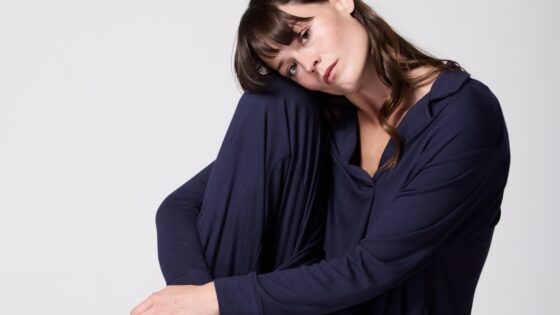
"This partnership has been a redefining moment for the brand," Horspool stated in a press release. "Being stocked with one of the UK’s most beloved retailers, with such scale, has turbocharged our growth and brought in so many new opportunities."
From an industry perspective, such partnerships are vital for independent brands in their second year of operation. The transition from a digital-first model to a high-street presence provides immediate brand validation and access to a vast, established customer database. By leveraging the physical footprint of Peter Jones, Mamu is able to offer a tactile experience, which is crucial for a brand that emphasizes the "feel" and quality of its textiles.
Design Philosophy and Sustainability
The operational ethos of Mamu is built on the foundation of Horspool’s previous industry experience. A key component of the brand’s market positioning is its reliance on established supplier relationships. By working with partners she has known throughout her career at firms like M&S and Jigsaw, Horspool has ensured a level of quality control that is often difficult for new, smaller brands to achieve.
The emphasis on sustainable fabrics—such as modal, high-grade cotton, and alpaca—aligns with the growing consumer demand for transparency in the fashion industry. Consumers are increasingly scrutinizing the "restwear" category, looking for garments that do not lose their shape or quality after several washes. Mamu’s commitment to premium natural fibers serves as a direct response to this "buy less, buy better" sentiment.
Market Implications and Future Outlook
As the retail landscape continues to evolve, the success of the Mamu and John Lewis partnership will likely be measured by customer retention and the brand’s ability to scale its production without compromising its boutique feel. The integration of 15 key pieces into a major department store is a controlled entry strategy, allowing the brand to test demand across different demographics before expanding its footprint.
The broader implications for the UK fashion market are clear: the "at-home" segment is no longer a niche category, but a pillar of modern department store retail. As consumers continue to curate their homes as spaces for both work and rest, the demand for high-end, comfortable, yet stylish clothing will persist.
For Mamu, the challenge moving forward will be maintaining the intimacy of its brand identity while navigating the logistical requirements of a major retail partner. However, given the pedigree of its founder and the strategic nature of this rollout, the brand is well-positioned to become a staple within the elevated loungewear sector.
The collection is currently available for purchase through the John Lewis online portal, the Mamu website, and the Peter Jones store in London, marking a definitive transition from an emerging label to an established player in the UK premium apparel market. As the brand heads into the final quarter of 2026, the retail industry will be watching closely to see if this "power dressing at home" concept can maintain its momentum into the competitive holiday shopping season.