








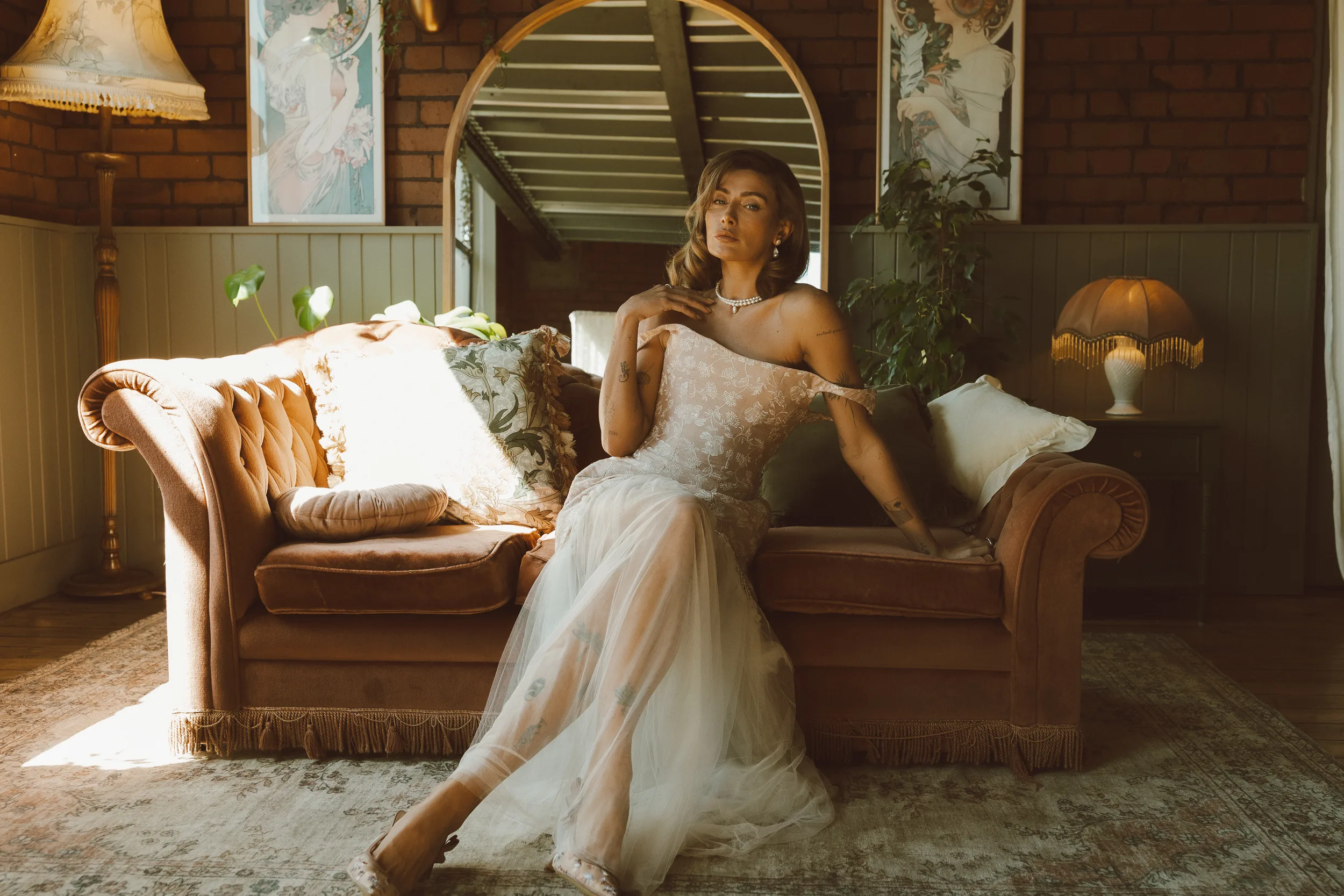
The landscape of the United Kingdom’s bridal industry is witnessing a significant shift toward hyper-personalized, independent design, a movement exemplified by the recent expansion of Manchester-based couturier Bronwen Bridge. Renowned for a design philosophy rooted in integrity and a meticulous understanding of the female silhouette, Bridge has officially unveiled her new creative headquarters. Situated within a historic, converted red-brick schoolhouse, the studio serves as both a functional atelier and a sanctuary for the bespoke design process, marking a new chapter for the designer as she integrates her interest in vintage interiors with high-end bridal construction. The transition comes at a time when the UK wedding market, valued at approximately £14.7 billion annually, is seeing a resurgence in "slow fashion," where brides increasingly prioritize the provenance and craftsmanship of their garments over mass-produced alternatives.
The Architectural Context of the Manchester Studio
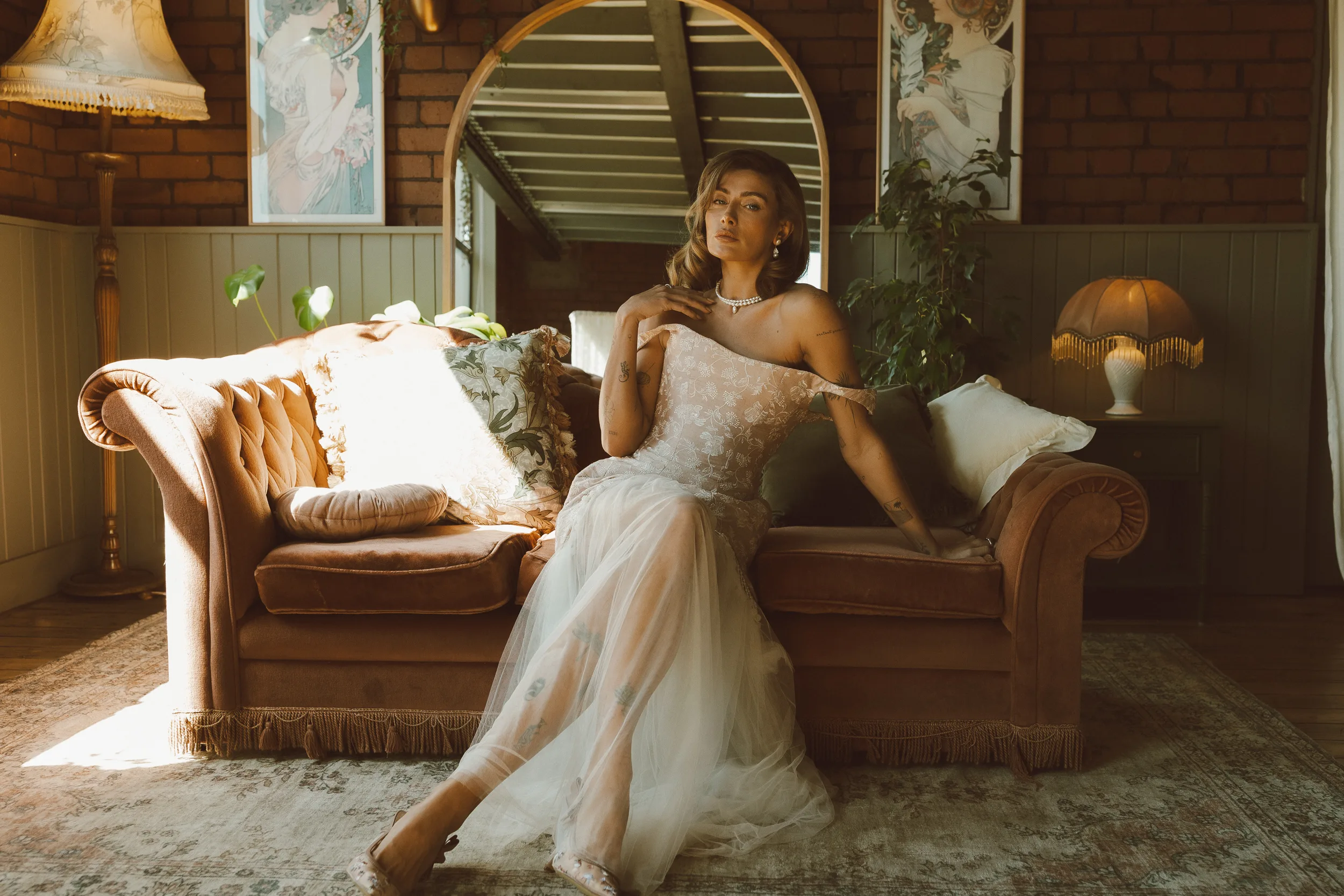
The relocation of Bronwen Bridge’s studio is a strategic response to a growing demand for bespoke services that require a physical space capable of hosting both the technical rigors of garment construction and the intimate experience of bridal consultations. The chosen location—a former boys’ school built from the iconic red brick that defines Manchester’s industrial identity—provides a symbolic backdrop for Bridge’s work. The city, once dubbed "Cottonopolis" for its central role in the global textile trade during the 19th century, offers a historical resonance that aligns with Bridge’s focus on fabric and form.
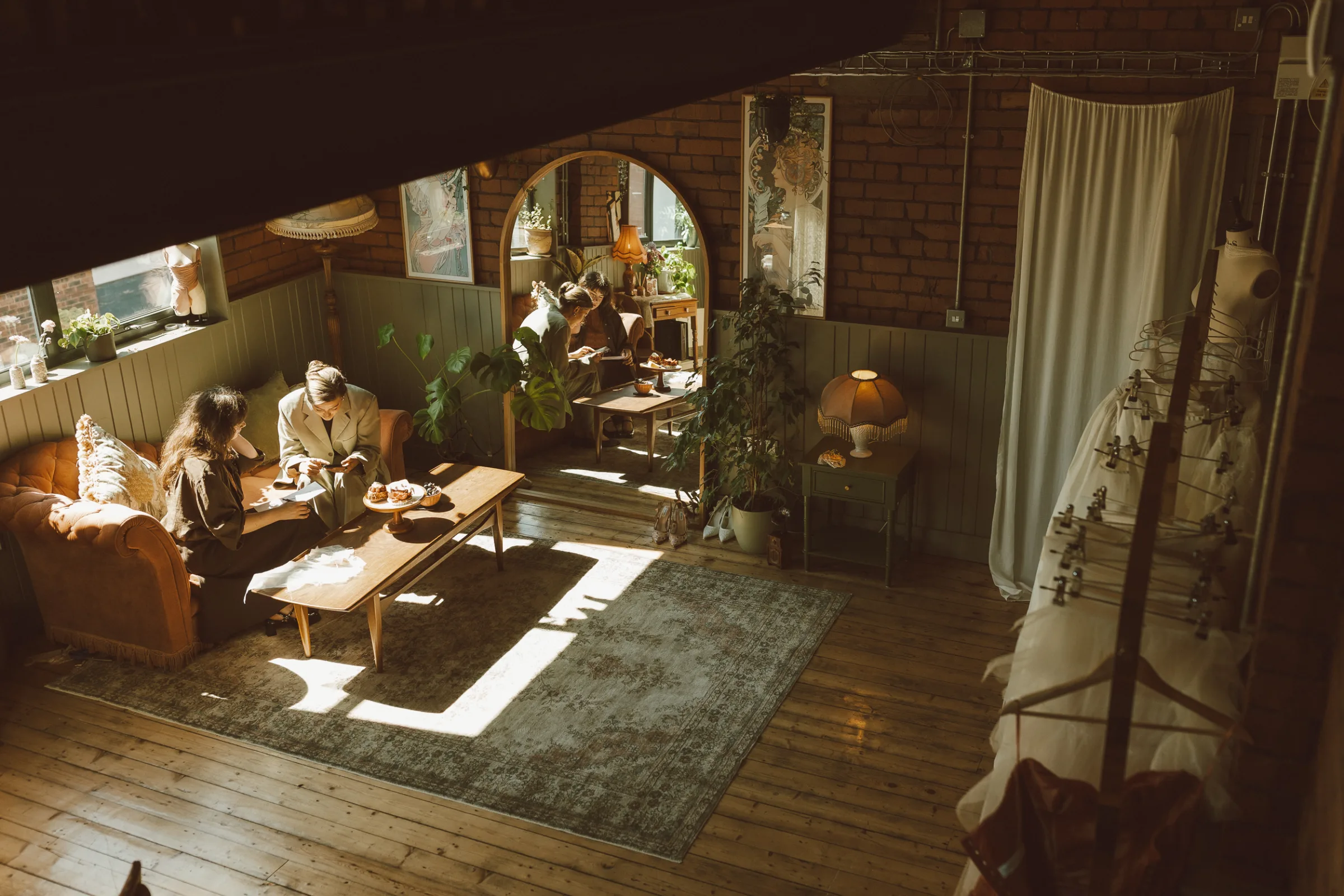
The studio’s interior architecture is characterized by original pine floorboards and expansive industrial windows that flood the space with natural light, a critical requirement for high-precision hand-finishing and color matching. The workspace is intelligently partitioned across a split-level mezzanine. The upper level is dedicated to the technical production of garments, housing the machinery and tables necessary for sewing and intricate assembly. The lower level is designed as an open, welcoming environment for fittings and fabric cutting, allowing clients to witness the evolution of their gowns in a setting that feels both professional and domestic.
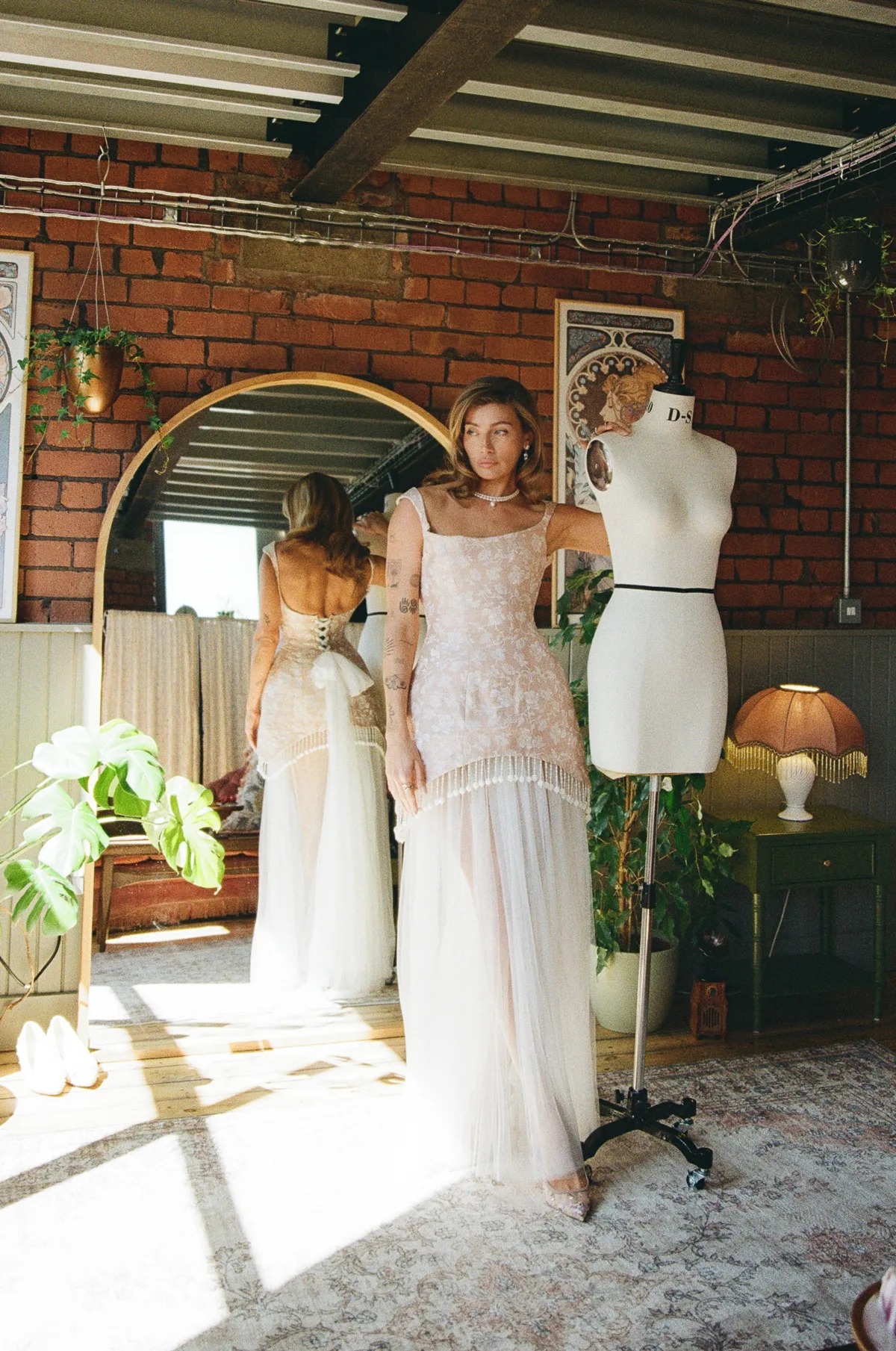
Bridge’s foray into interior design has heavily influenced the studio’s aesthetic. Following a recent domestic move, the designer became immersed in the study of vintage detailing, particularly lighting fixtures from the mid-20th century. This preoccupation with sculptural forms and feminine accents has been transposed into the atelier’s decor, creating a cohesive brand identity that bridges the gap between the clothes she creates and the environment in which they are conceived.
The Genesis of Oria: A Case Study in Bespoke Evolution
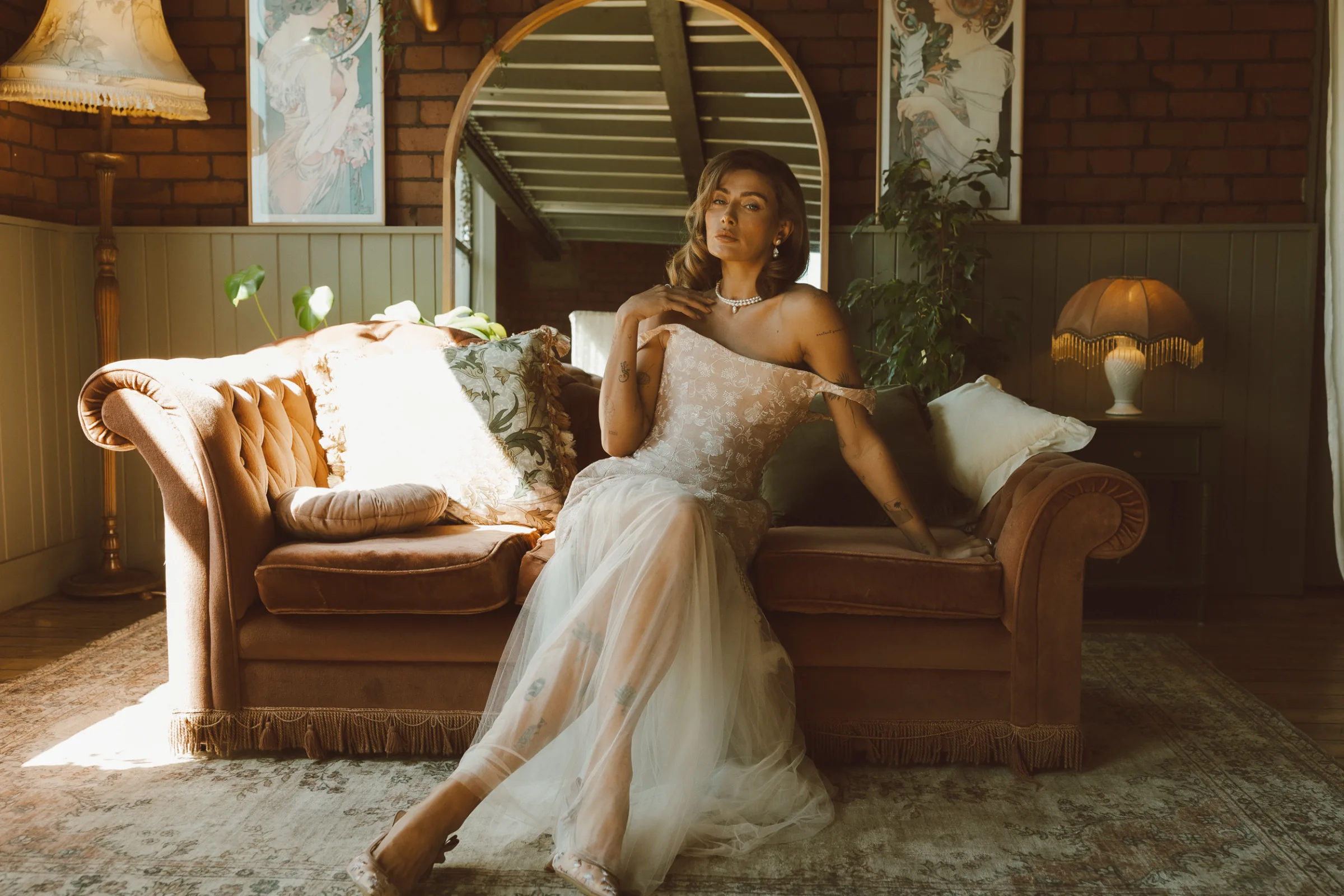
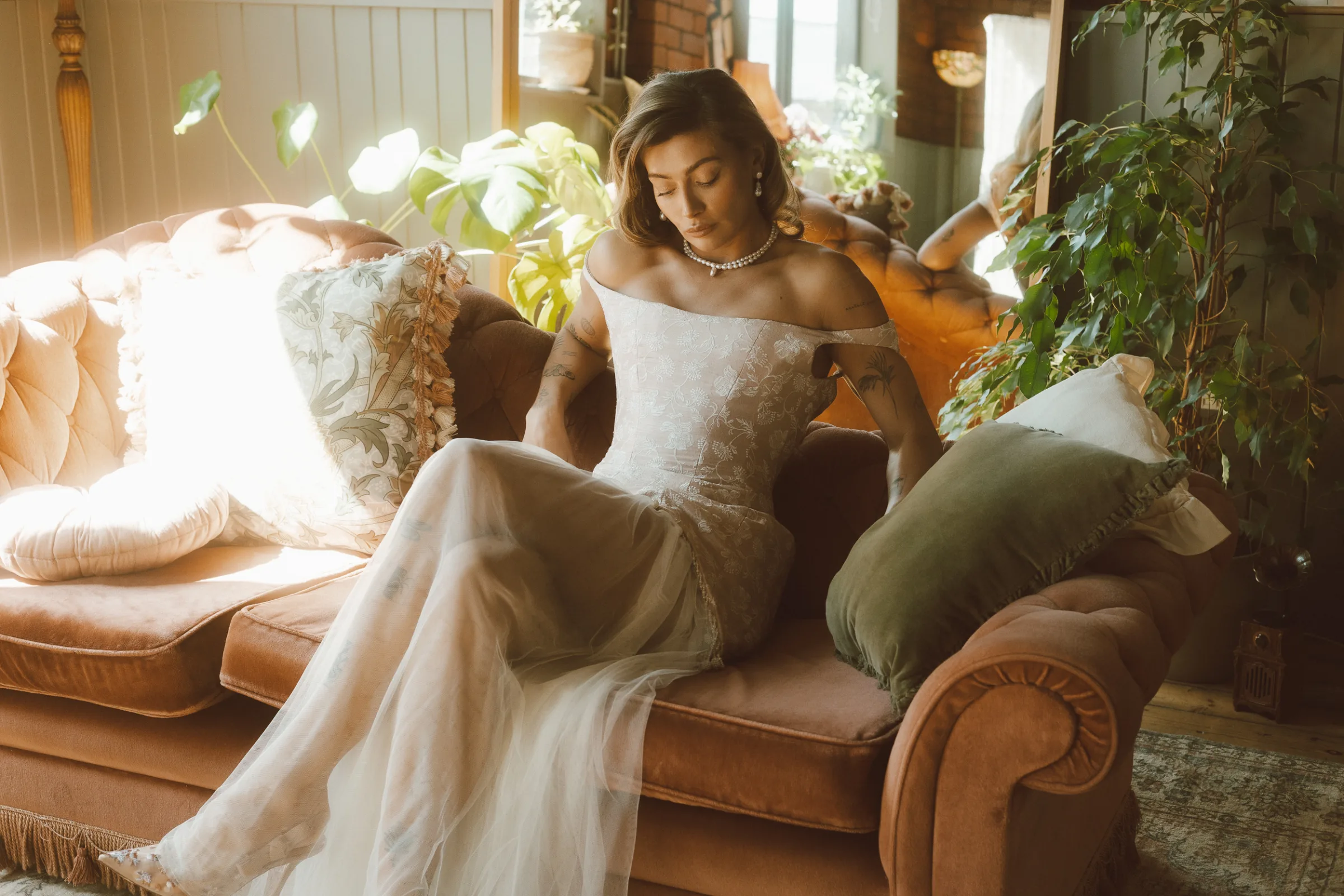
To commemorate the opening of the new space, Bridge developed a signature piece titled "Oria." This design serves as a physical manifestation of her current creative trajectory, drawing direct inspiration from a vintage dusky pink lamp featuring a sculptural, bustle-like silhouette and delicate bead fringing. The Oria gown is a complex exercise in structure and materiality, utilizing dusky pink silk dupion—a fabric prized for its crisp handle and subtle sheen—complemented by ivory embroidered detailing.
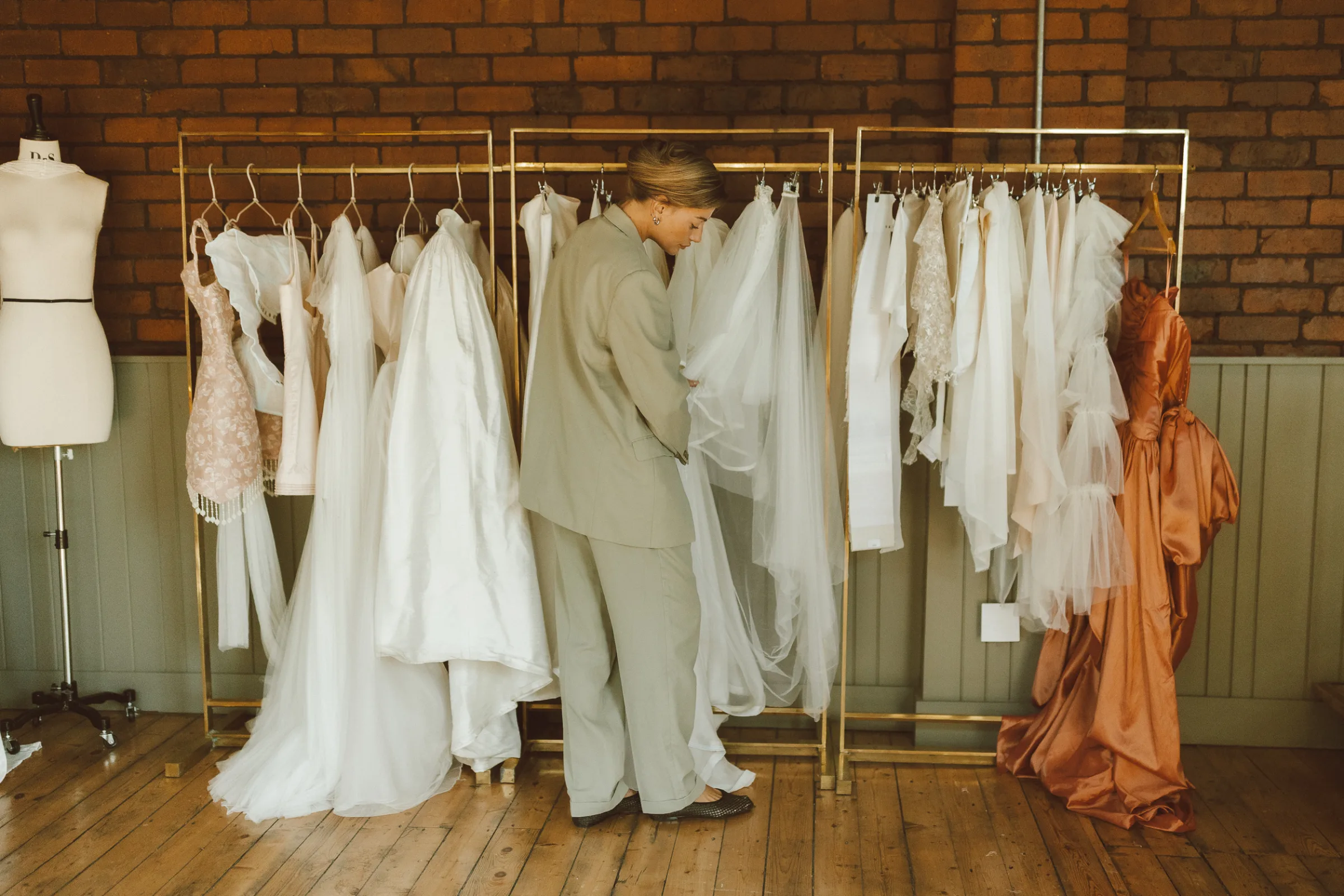
Technical specifications of the Oria gown include:
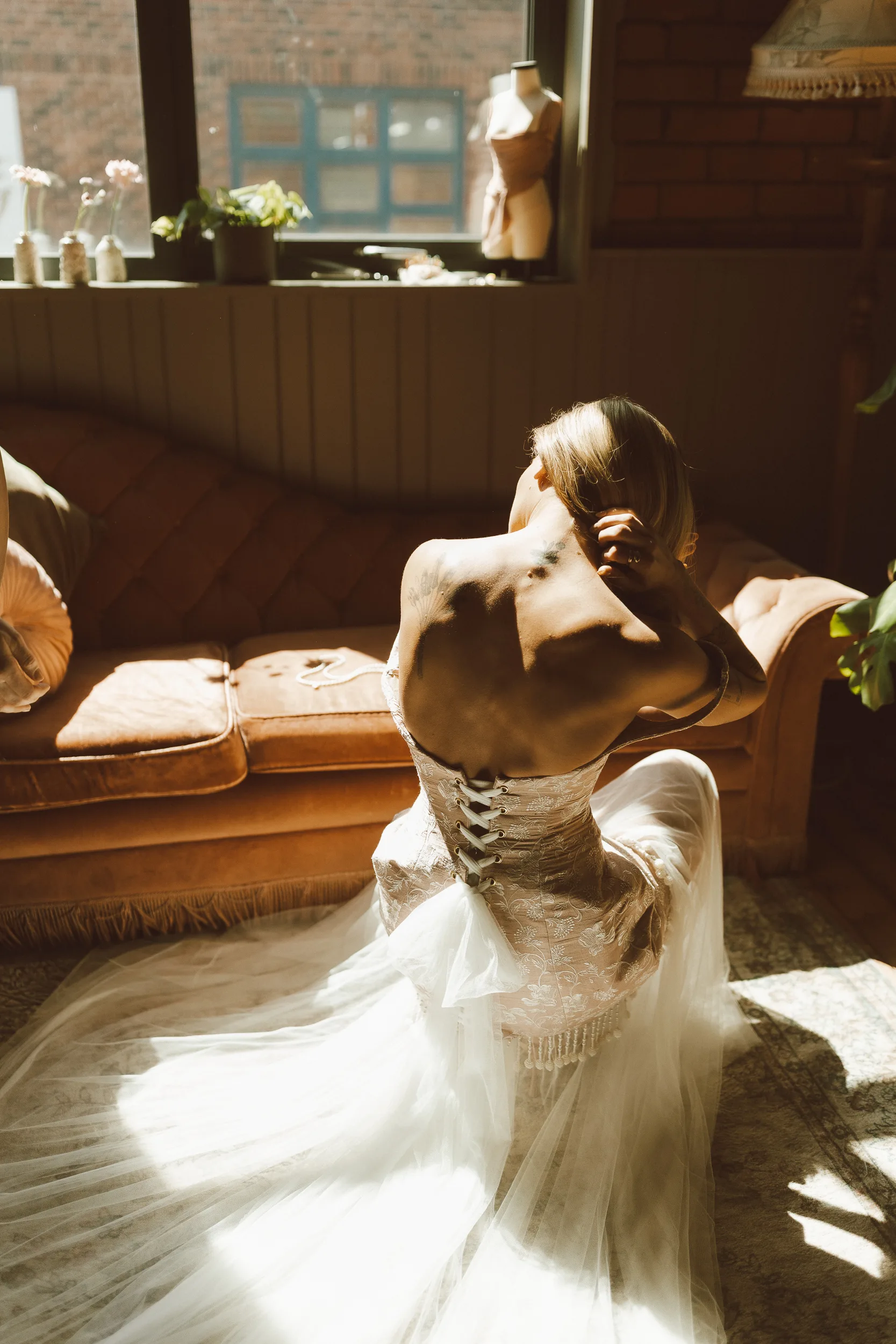
- Structural Foundation: A meticulously engineered corset provides the base, featuring an off-the-shoulder neckline designed to highlight the decolletage.
- Silhouette Engineering: The design employs exaggerated hip structures, a nod to historical panniers but modernized for a contemporary bridal aesthetic.
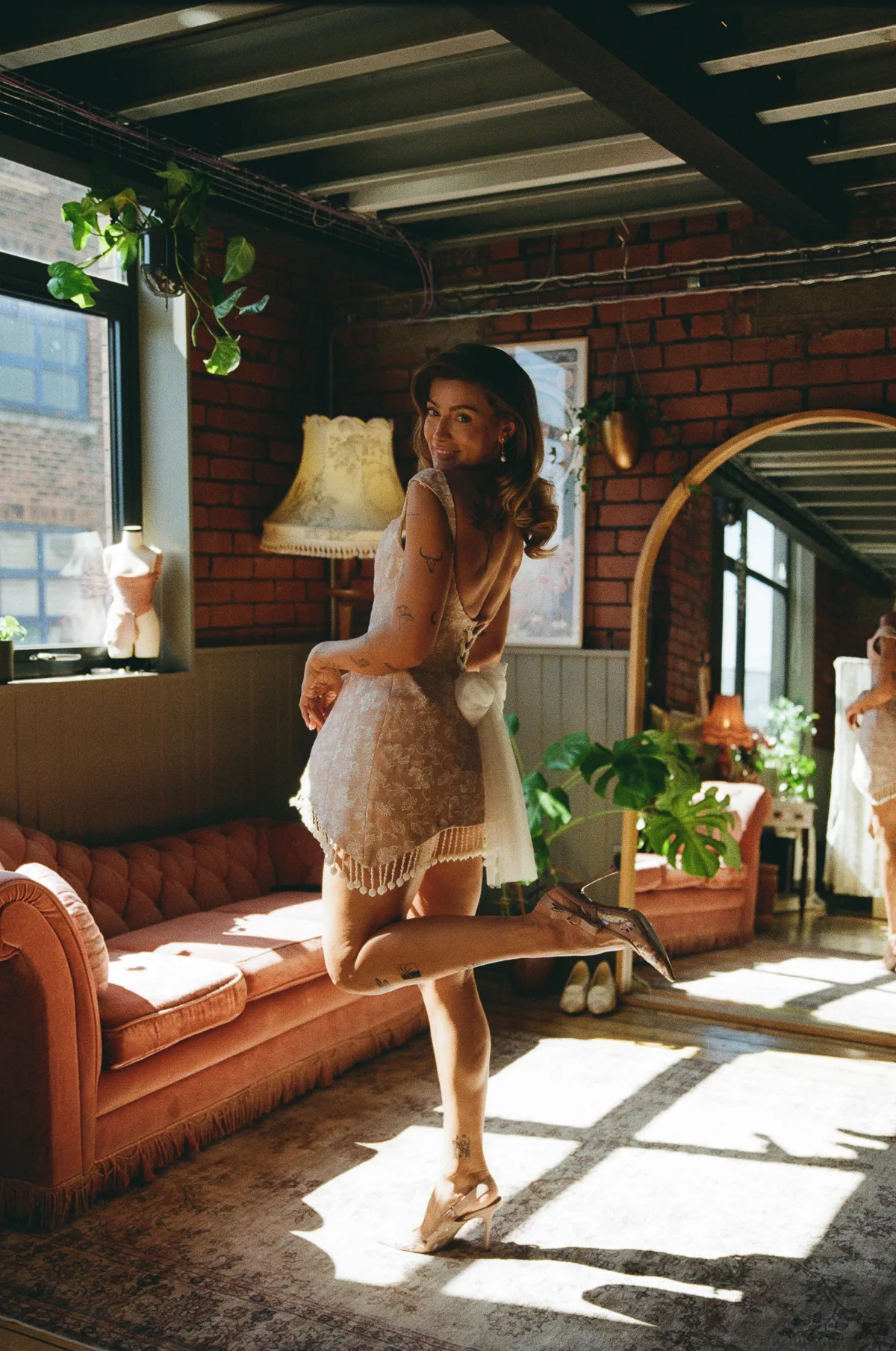
- Materiality and Embellishment: The hem of the mini-dress is adorned with pearl fringing, echoing the tactile qualities of the vintage lamp that inspired the collection.
- Versatility: In response to the growing trend of "second looks" or "transformation dresses," the gown features removable layers of soft tulle that extend to the floor. This allows the bride to transition from a formal, floor-length ceremony silhouette to a playful, avant-garde mini-dress for evening receptions.
The development of Oria highlights a broader trend in the bridal sector where designers are moving away from traditional white and ivory palettes in favor of "blush," "nude," and "dusky pink" tones, which offer a more nuanced and flattering range for diverse skin tones.
The Bespoke Methodology: Redefining Luxury as Process
At the heart of the Bronwen Bridge brand is the assertion that bespoke fashion is an evolving, highly personal journey rather than a mere transaction. In an era of instant gratification and fast-fashion cycles, Bridge’s approach emphasizes the "slow" nature of couture. The process typically involves multiple consultations, from initial sketches and fabric selection to several toile fittings where the garment is sculpted directly to the bride’s body.
Industry analysis suggests that the bespoke bridal market is buoyed by a "quality over quantity" mindset. According to recent consumer behavior reports, modern brides are increasingly willing to allocate a larger portion of their wedding budget to a gown that offers a unique narrative and a perfect fit, often viewing the dress as a wearable piece of art. Bridge’s new studio facilitates this by bringing the "making" and the "experience" together. By allowing brides to see the mezzanine sewing stations and the cutting tables, the designer demystifies the couture process, fostering a deeper emotional connection between the wearer and the garment.
Collaborative Synergy and Creative Documentation
The unveiling of the studio and the Oria design was documented through a collaborative editorial project led by photographer Alessandra of Ariel in Blue. Utilizing a combination of digital and 35mm film photography, the editorial aims to capture the "atmosphere" of the creative process rather than just the finished product. The choice of 35mm film is particularly noteworthy, as it mirrors the artisanal nature of Bridge’s work—both mediums celebrate the beauty of grain, texture, and the "human touch" that is often lost in purely digital workflows.
The creative team for this project included:
- Photography: Alessandra (Ariel in Blue), whose style focuses on candid, atmospheric storytelling.
- Beauty and Styling: Sophie Griffiths provided glamorous hair and makeup for model Lisa May Jolley, creating a look that balanced modern editorial standards with vintage sophistication.
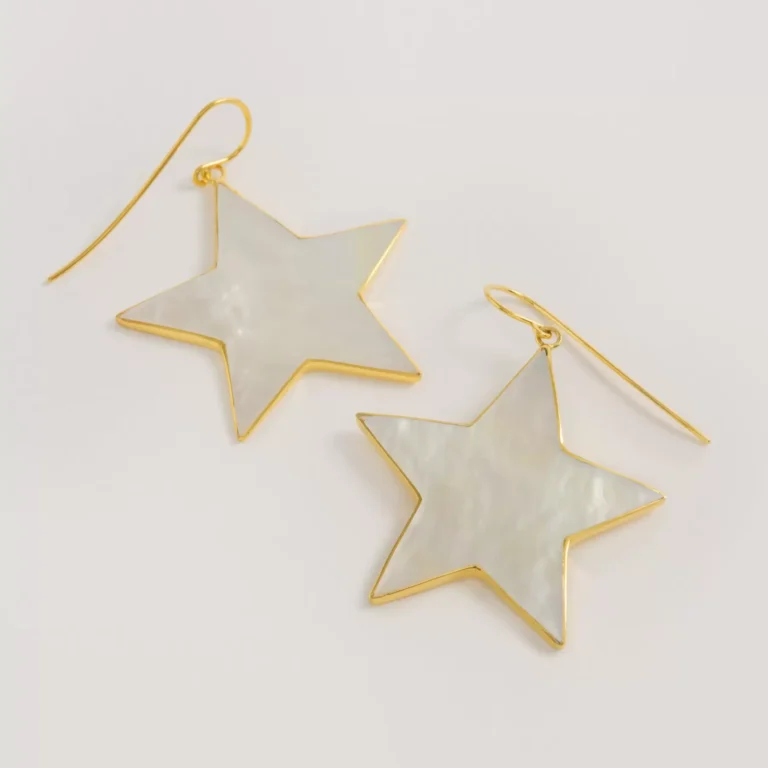
- Accessories: Handmade pearl jewellery from Joannah & Grace was selected to complement the pearl fringing of the Oria gown, reinforcing the theme of independent, artisanal collaboration.
This collaborative approach is indicative of a wider "creative ecosystem" within Manchester’s fashion industry, where independent designers, photographers, and stylists work in tandem to elevate the city’s status as a hub for luxury design outside of London.
Economic and Industry Implications
The expansion of independent designers like Bronwen Bridge carries broader implications for the UK’s retail and manufacturing sectors. As high-street bridal boutiques face increasing pressure from online retailers, the bespoke sector remains resilient due to the "un-googleable" nature of personalized service.
Data from the UK’s Office for National Statistics (ONS) and specialized bridal trade bodies indicate that while the total number of weddings has fluctuated, the average spend on bridal attire has remained relatively stable, with a notable uptick in the luxury independent segment. This is attributed to:
- Sustainability Concerns: Bespoke gowns are inherently more sustainable, as they are made-to-order, eliminating the waste associated with overstock.
- Size Inclusivity: Bespoke design removes the limitations of standard sizing, offering a truly inclusive experience that many traditional boutiques struggle to provide.
- Heritage and Provenance: Post-pandemic consumers have shown a marked preference for supporting local businesses and "Made in Britain" products.
Conclusion: The Future of Independent Bridal Design in Manchester
The opening of Bronwen Bridge’s new studio in a converted Manchester schoolhouse is more than a business expansion; it is a testament to the enduring appeal of craftsmanship in a digital age. By anchoring her practice in a space that honors both industrial history and feminine aestheticism, Bridge positions herself at the forefront of a movement that values the narrative of a garment as much as its visual impact.
As the Oria design demonstrates, the future of bridal fashion lies in the intersection of historical inspiration and modern functionality. For the Manchester creative community, the presence of such an atelier reinforces the city’s reputation as a destination for bespoke luxury. For the modern bride, it offers an invitation to step away from the conveyor belt of mass production and into a collaborative relationship where her garment is meticulously crafted to reflect her individual identity. Through the lens of designers like Bridge, the "made-to-measure" tradition is not merely being preserved; it is being reimagined for a new generation of women who demand care, integrity, and a genuine connection to the clothes they wear on their most significant occasions.