






Apple has officially expanded its boutique accessory lineup with the introduction of the iPhone Pocket, a limited-edition textile carrying case designed in collaboration with the renowned Japanese fashion house Issey Miyake. The product, which retails for $149.95 for the short version and $229.95 for the long crossbody iteration, represents a significant deepening of the historical relationship between the Silicon Valley giant and the legacy of the late designer Issey Miyake. This launch marks a strategic move into the "luxury tech-wear" space, positioning a simple cloth pouch as a high-concept fashion statement rooted in decades of industrial design philosophy.
The Design Philosophy of the iPhone Pocket
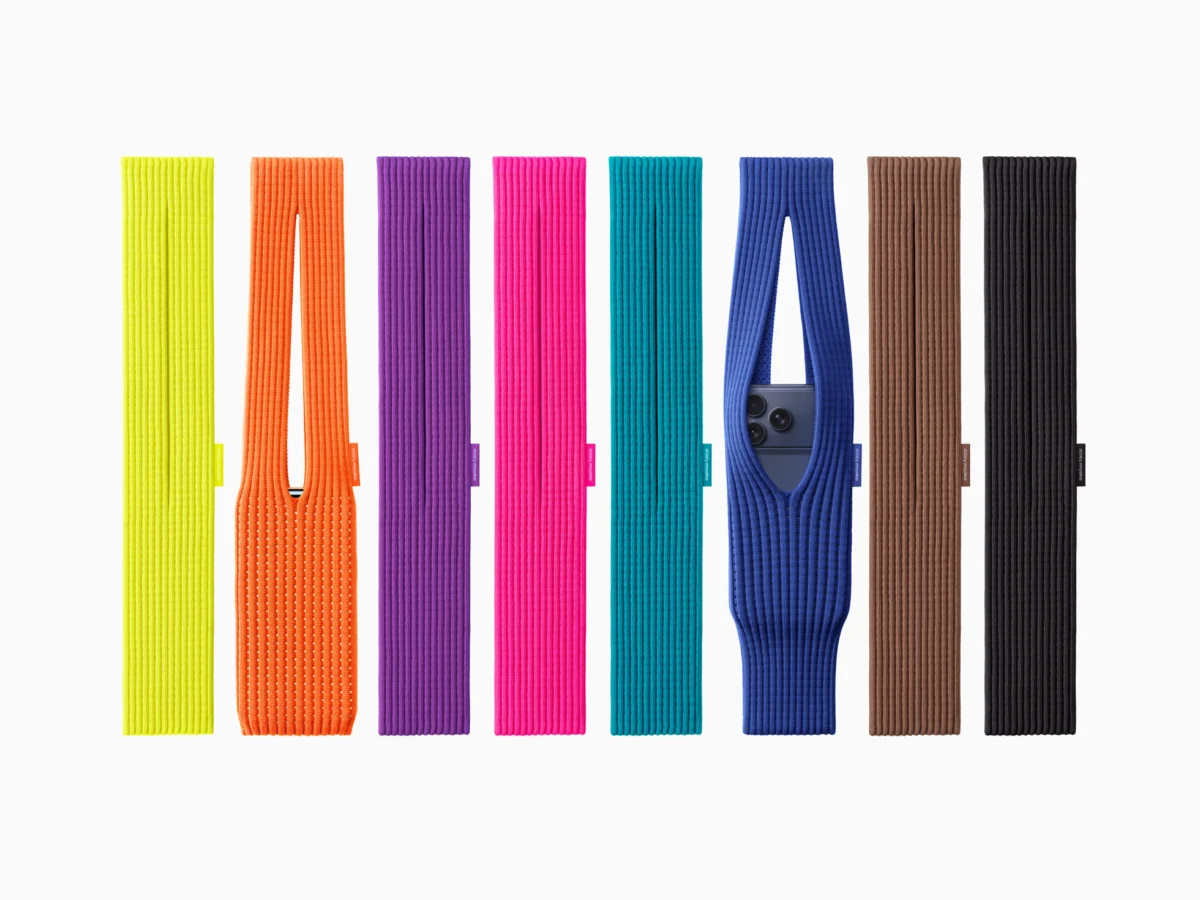
The iPhone Pocket is constructed using a singular piece of fabric, a method directly inspired by the "A Piece of Cloth" (APOC) concept pioneered by Issey Miyake in the late 1990s. The accessory features a distinct ribbed mesh structure, which mirrors the signature pleating techniques that made Miyake a household name in the global fashion industry. According to Apple’s official product description, the textile is engineered to be both durable and transformative; when the material is stretched by the weight or shape of the iPhone, the open-weave textile subtly reveals the device’s display, allowing users to check notifications or the time without removing the phone from its housing.
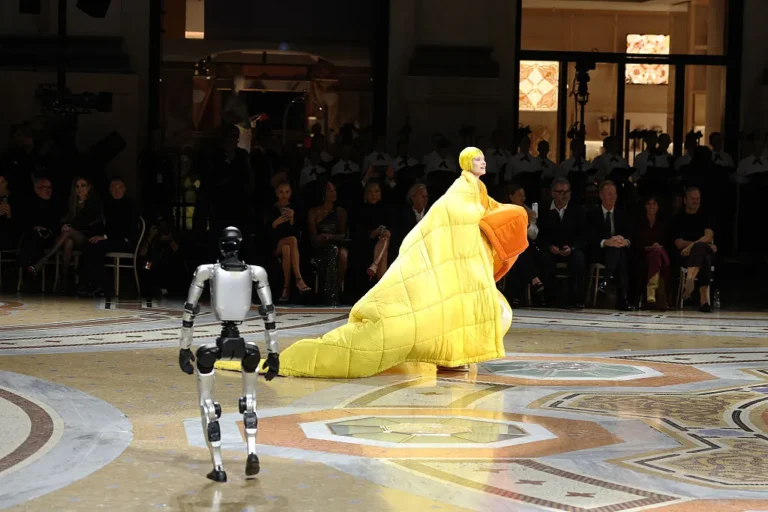
The product is available in two primary configurations. The "short" version is designed as a handheld or bag-attached accessory, offered in a wide spectrum of vibrant colors, including a "Lemon" yellow. The "long" version is designed for crossbody wear, functioning as a minimalist sling bag. While the long version is currently limited to three understated colorways, its price point of nearly $230 places it in direct competition with high-end leather goods and designer handbags, despite its primary material being a specialized polyester mesh.
Historical Context: The Jobs-Miyake Connection
The collaboration between Apple and the Issey Miyake label is not a mere marketing alliance but is instead the culmination of a relationship that dates back to the early 1980s. The late Apple co-founder Steve Jobs was a well-known admirer of Miyake’s work, specifically his ability to blend traditional craftsmanship with modern technology. This admiration began when Jobs visited Sony’s headquarters in Japan and noted that the employees wore stylish, functional uniforms designed by Miyake.
In a bid to foster a similar sense of corporate identity at Apple, Jobs commissioned Miyake to design a vest for Apple employees. While the uniform concept was ultimately rejected by the Apple workforce, the professional bond between the two men persisted. This relationship resulted in the creation of Jobs’ most recognizable trademark: the black mockneck sweater. Miyake reportedly produced hundreds of these sweaters specifically for Jobs, providing him with a "personal uniform" that eliminated daily decision fatigue.

Although Issey Miyake passed away in 2022, his studio continues to operate under the principles he established. The iPhone Pocket serves as the first formal, consumer-facing product collaboration between the two entities, effectively bridging the gap between Jobs’ personal aesthetic and Apple’s modern retail ecosystem.
A Chronology of Apple’s Luxury Accessory Strategy
The release of the iPhone Pocket is the latest entry in Apple’s ongoing strategy to diversify its revenue streams through high-margin, "lifestyle" accessories. This trajectory has been characterized by several notable milestones:
- The Apple Watch Hermès (2015): Apple’s first major foray into high fashion, featuring hand-stitched leather bands from the French luxury house.
- The $19 Polishing Cloth (2021): A product that drew significant media attention for its premium pricing of a basic utility item, proving the strength of the Apple brand in the "luxury essentials" category.
- The Crossbody Strap (2024): Prior to the Miyake collaboration, Apple released a $59 proprietary crossbody strap, signaling a growing interest in wearable tech-integration.
- The iPhone Pocket (2025/2026): The current launch, which shifts the focus from utility to high-concept textile engineering and heritage branding.
Industry analysts suggest that by pricing the iPhone Pocket at over $200, Apple is not targeting the average consumer but is instead appealing to the "collector" and the "fashion-forward" demographic that views the iPhone as a central component of their personal style.
Market Trends: The Rise of the "Accessory for an Accessory"
The iPhone Pocket arrives at a time when the global consumer market is increasingly fixated on "micro-accessories" and the customization of everyday items. This phenomenon, often referred to as "accessorizing the accessory," has seen massive growth across various sectors.
A prominent example cited by market observers is the "Labubu" craze. Labubu, a monster-themed plush character created by artist Kasing Lung for Pop Mart, became a global sensation in 2024 and 2025. While standard "blind box" versions of the character retail for approximately $30, rare editions have been known to fetch upwards of $10,000 on secondary markets. These plush keychains are frequently seen hanging from designer handbags, serving no functional purpose other than as a status symbol or a personal flair.
Similarly, the trend of "Stanley Cup accessorizing"—where users attach miniature pouches, charms, and even snack bowls to their insulated water bottles—highlights a shift in consumer behavior. The iPhone Pocket fits neatly into this paradigm. In its short form, it functions as a "bag charm" for the phone, while in its long form, it transforms the phone into a standalone fashion accessory.

Economic and Industrial Implications
From an industrial standpoint, the iPhone Pocket highlights the continued relevance of the APOC (A Piece of Cloth) manufacturing process. Developed by Miyake and Dai Fujiwara in 1997, APOC uses computer-controlled knitting or weaving to create finished garments from a single thread, significantly reducing fabric waste. By adopting this concept for an iPhone accessory, Apple is subtly aligning itself with sustainable manufacturing practices, even if the primary marketing focus remains on the aesthetic and the Miyake heritage.
However, the pricing remains a point of contention among consumer advocacy groups. At $229.95, the crossbody iPhone Pocket costs more than an entry-level Apple Watch or a pair of AirPods Pro. Critics argue that the "Apple Tax" is being applied to a material—polyester mesh—that does not inherently justify such a high cost. Proponents, however, argue that the value lies in the engineering of the pleats and the exclusivity of the Miyake brand name.
Official Reactions and Consumer Sentiment
While Apple has not released specific sales targets for the limited-edition line, the company’s marketing materials emphasize the "beauty" and "tactile experience" of the product. The Issey Miyake studio has remained relatively quiet, letting the design speak for itself—a move consistent with the "quiet luxury" aesthetic that the brand has maintained for decades.
Initial consumer sentiment on social media platforms has been polarized. Fashion enthusiasts have praised the collaboration as a "long-overdue tribute" to the Jobs-Miyake friendship. Conversely, tech-focused commentators have labeled the product as "hyper-priced," comparing it to the aforementioned $19 polishing cloth. Despite the criticism, history suggests that Apple’s "boutique" items often sell out quickly, driven by brand loyalty and the perceived scarcity of limited-edition collaborations.
Future Outlook: Tech as a Wearable Textile
The iPhone Pocket may be a precursor to a broader integration of smart textiles into Apple’s ecosystem. As the company continues to explore wearable technology beyond the wrist, collaborations with textile innovators like the Miyake studio could lead to "smart garments" or more integrated carrying solutions for future devices.
For now, the iPhone Pocket stands as a curious artifact of corporate history—a high-fashion "sock" for a thousand-dollar smartphone, designed by the label that dressed the man who invented it. Whether it becomes a staple of the 2026 fashion season or remains a niche collector’s item, it underscores Apple’s unique ability to command high-fashion prices for products that exist at the intersection of utility, nostalgia, and art.