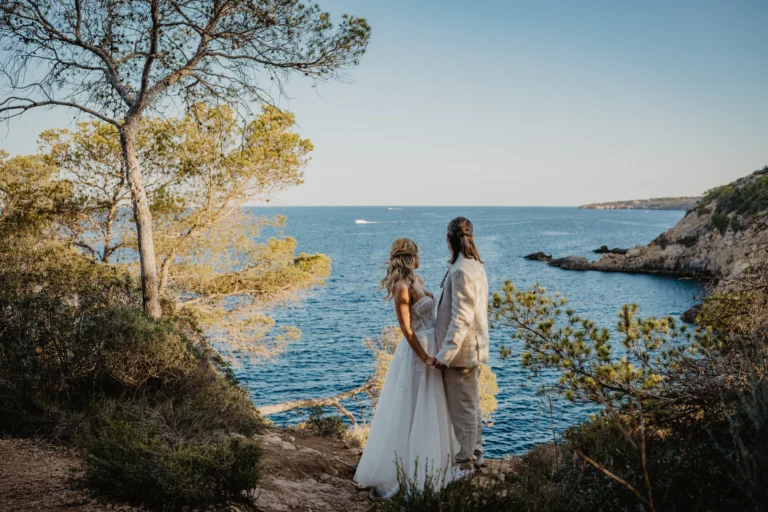








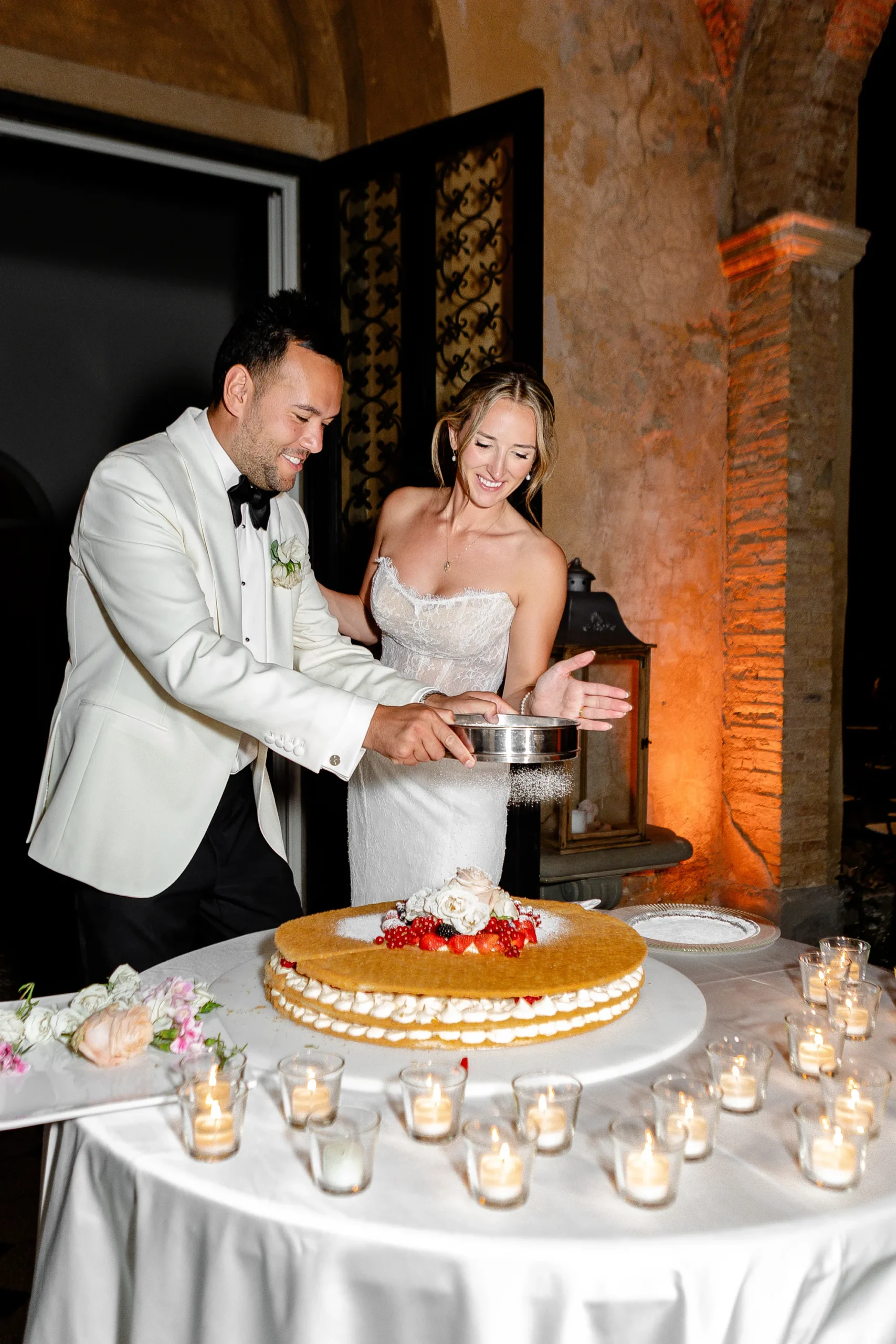
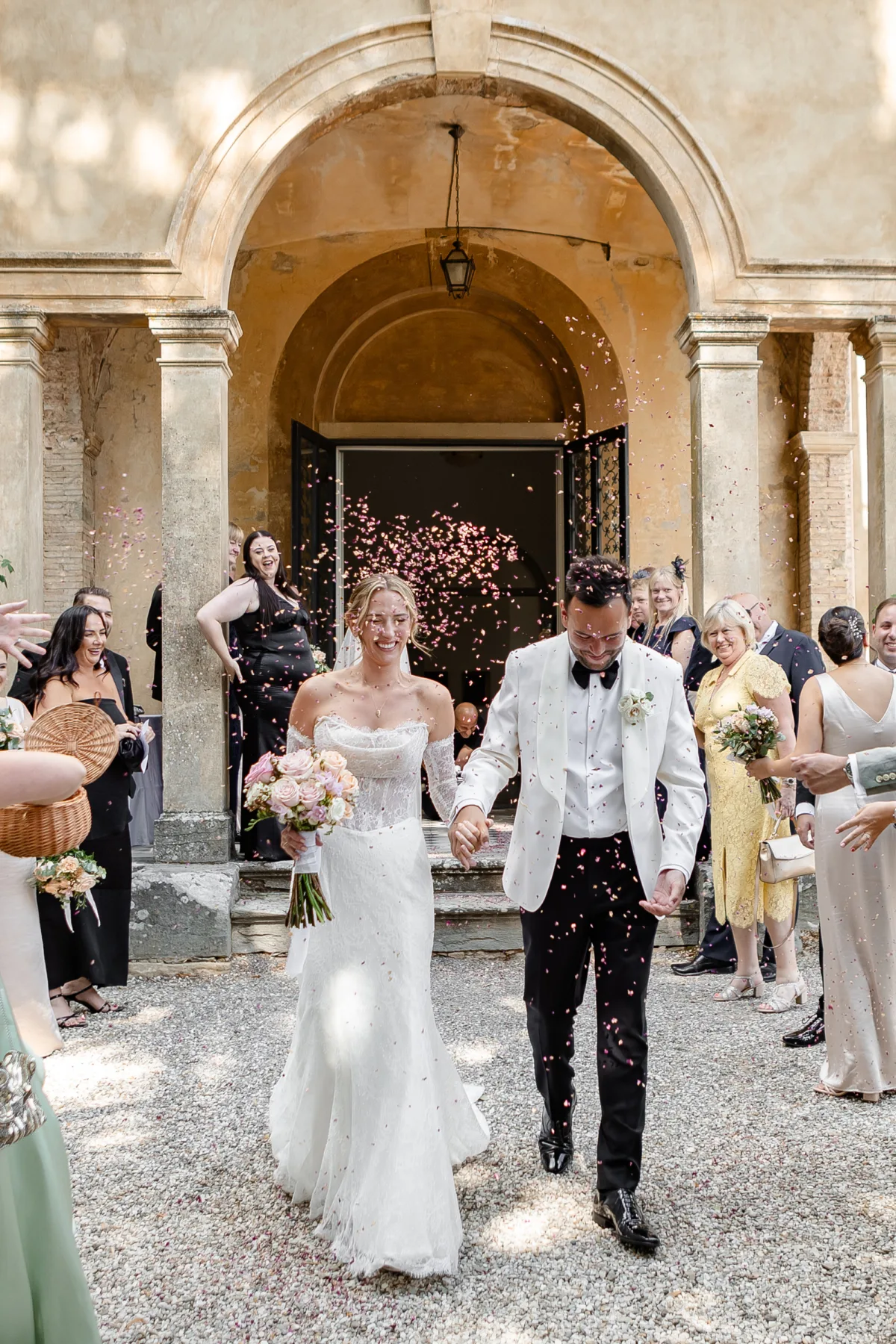
The nuptials of Anastasia and James, held last July at the Villa di Striano, represented a sophisticated fusion of historic Italian grandeur and highly personalized modern styling. Located in the rolling hills overlooking Florence, the venue served as the backdrop for a black-tie celebration meticulously coordinated by Romantica Italia, a destination wedding planning firm specializing in the Tuscan region. The event concluded a decade-long journey for the couple, culminating in a ceremony that balanced the formality of an Italian villa setting with intimate family tributes and bespoke design elements.
Architectural and Historical Context of Villa di Striano
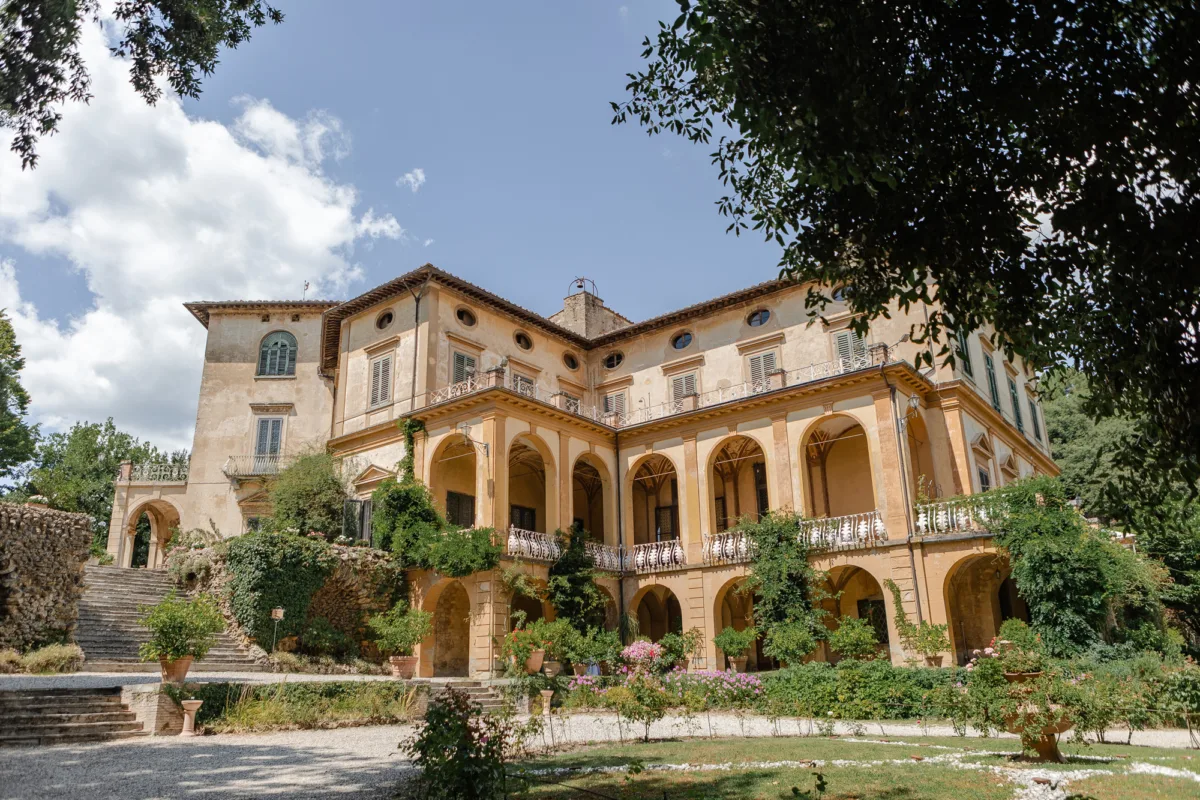
Villa di Striano, the chosen venue for the festivities, is a prominent example of the historic estates that define the Tuscan landscape. Characterized by its faded stone walls, cypress-lined gardens, and expansive views of the Florentine countryside, the property offered the "grand yet authentic" atmosphere the couple sought. Unlike many high-profile venues in the region that have been modernized into sterile luxury hotels, Villa di Striano retains a sense of private heritage, providing an exclusive environment that was a primary factor in the couple’s selection process.
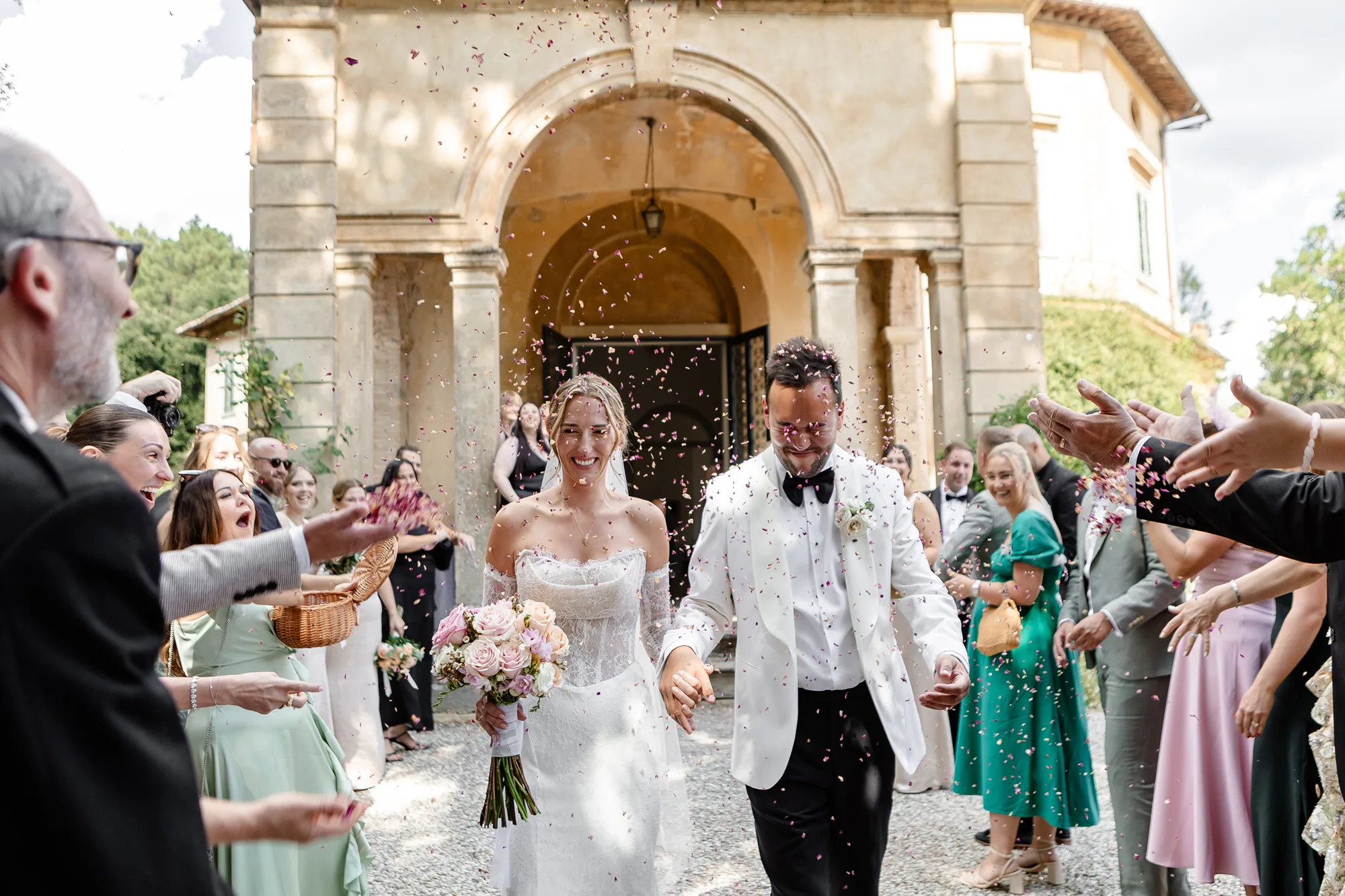
The architectural integrity of the villa presented both an aesthetic asset and a logistical framework. The couple noted that the privacy of the estate was paramount, allowing for an outdoor ceremony and reception that felt removed from the tourist-heavy centers of Tuscany. This sense of seclusion is a growing trend among high-end destination weddings, where "micro-grandeur"—the combination of massive historical scale with a small, private guest list—is increasingly favored by international couples.
The Strategic Role of Romantica Italia in Destination Logistics
Planning a wedding in a historic Italian property involves a complex matrix of local regulations, logistical hurdles, and supplier management. Anastasia and James engaged Romantica Italia to bridge the gap between their creative vision and the practical realities of a Tuscan destination event. While the couple led much of the creative direction, the planning team was responsible for overseeing timelines, supplier logistics, villa-specific regulations, and guest accommodation coordination.
The role of a local coordinator is often critical in the Italian market, where language barriers and regional business customs can complicate the procurement of high-quality services. Romantica Italia acted as the "team on the ground," ensuring that the operational details—ranging from the arrival of floral installations to the timing of the catering service within the villa’s historic grounds—were executed without friction. This allowed the couple to focus on the experiential aspects of the day rather than the technicalities of site management.
Bridal and Groom Aesthetics: A Fusion of Modernity and Heritage
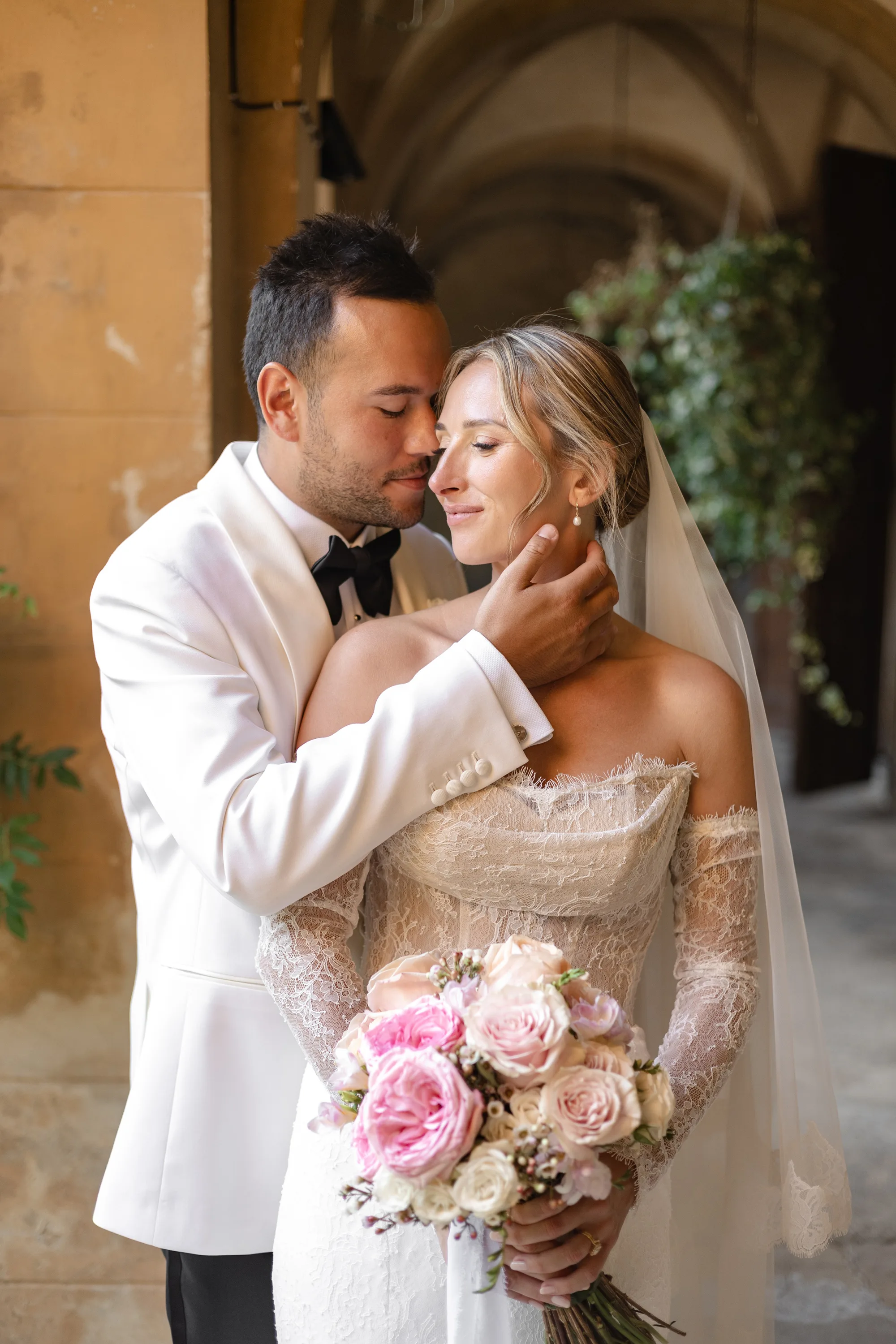
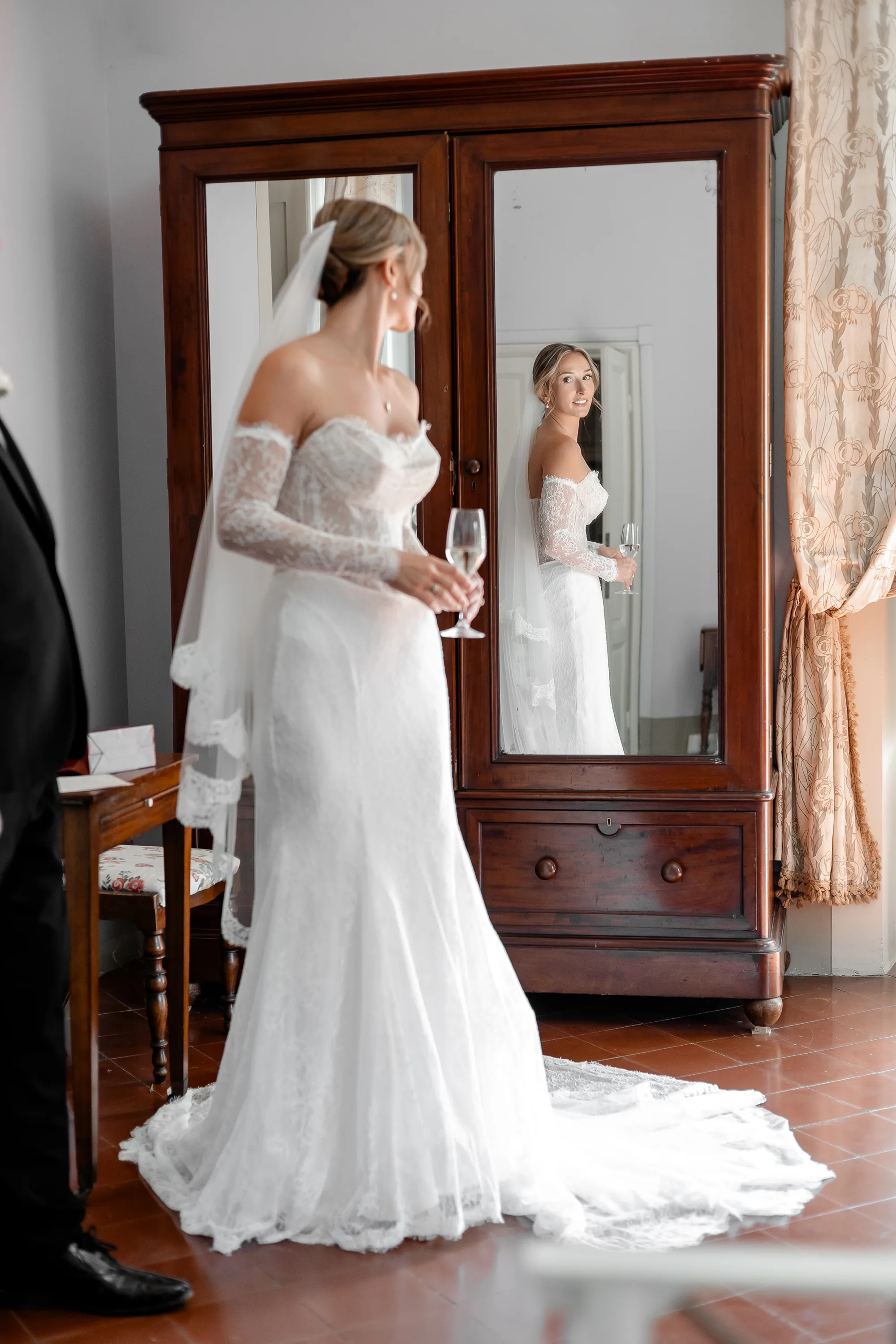
The sartorial choices for the wedding reflected a "Black Tie" dress code, adapted for the warmth and light of a Mediterranean summer. Anastasia wore the Roxanne gown by designer Evie Young, a piece sourced from the UK-based boutique Abigails Collection. The gown featured detachable lace sleeves, a design choice that allowed for a stylistic transition from the formal ceremony to the more relaxed evening reception.
Central to the bridal ensemble was a lace-edged veil that integrated significant family history. The veil was embroidered with the couple’s initials and wedding date, but its most poignant feature was the inclusion of two small bows taken from the veil Anastasia’s mother wore at her own wedding forty years prior. This integration of "something old" into a modern designer piece serves as a benchmark for contemporary bridal styling, where heritage is woven directly into the fabric of the event.
James opted for a classic yet seasonally appropriate white shawl lapel tuxedo jacket, paired with traditional black tailoring. The choice of a white dinner jacket is a historical staple of summer formalwear, particularly suited for outdoor ceremonies in Southern Europe. The groom’s attire complemented the "faded elegance" of the villa walls, contributing to a visual narrative that felt both timeless and contemporary.
The Ceremony: A Decade of Partnership and Secular Traditions
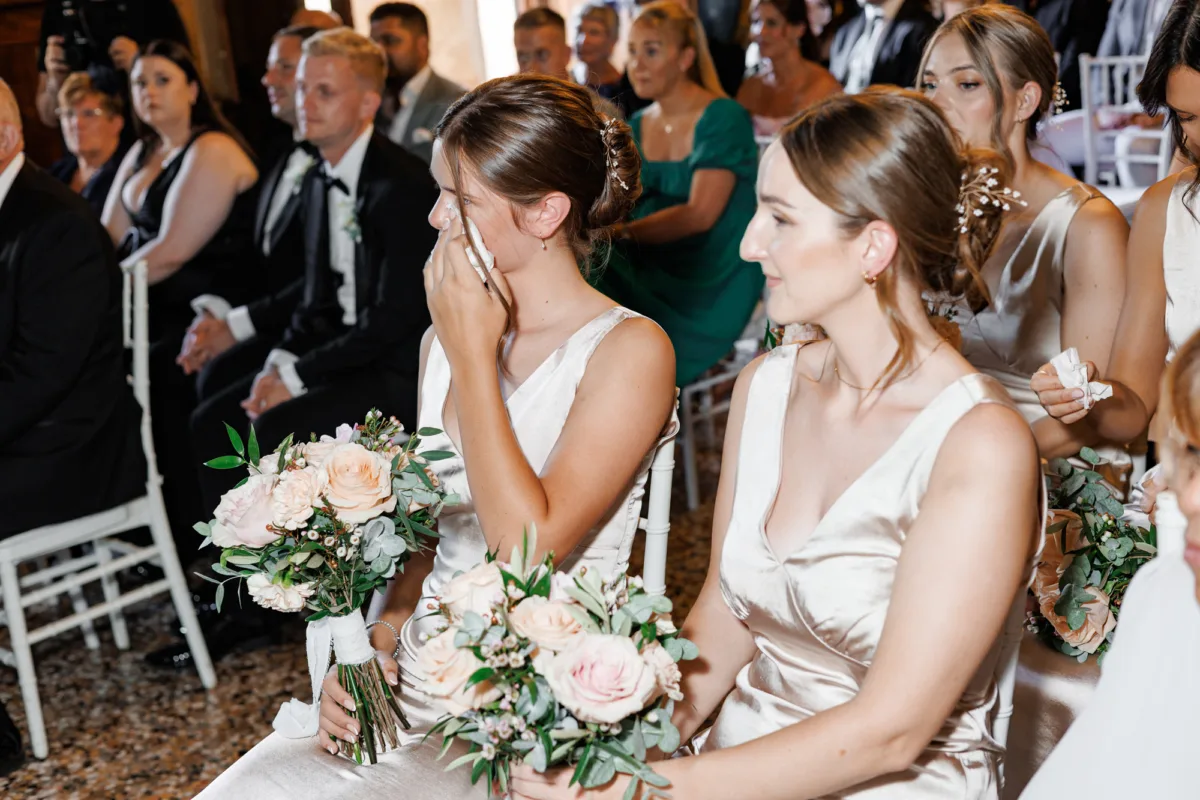
The ceremony was officiated by a close friend of the couple, Gary, who collaborated with them over the preceding year to develop a script that balanced emotional weight with humor. The process of using a personal officiant is a growing preference in the destination wedding sector, as it allows couples to bypass the standard templates of civil or religious ceremonies in favor of a narrative that reflects their specific relationship history.
Anastasia was escorted down the aisle by her father, Tony, to the orchestral piece "The Arrival of the Birds" by the London Metropolitan Orchestra and The Cinematic Orchestra. The ceremony included a reading from Philip Pullman’s The Amber Spyglass, a selection that held multi-generational significance as it had been used by James’s father at his own wedding years earlier.
The exchange of vows provided a comprehensive look at the couple’s ten-year history. Anastasia’s vows highlighted their meeting in 2014—recalling James dressed as a character from the film Up—and tracked their evolution through a decade of shared life and business ventures. A significant portion of the ceremony was dedicated to acknowledging their daughter, Lily. Anastasia spoke to the "honor" of helping raise Lily since she was four years old, reinforcing the theme that the wedding was not just a union of two individuals, but the formalization of an existing family unit.
Digital Branding and In-House Design Strategy
A notable aspect of the wedding was the couple’s decision to handle the branding and stationery in-house. Leveraging James’s professional background, they worked with the digital team at Anopia Digital to create a cohesive visual identity for the event. This extended from the formal invitations and orders of service to the menus and place cards.
The personalization included subtle, high-detail touches, such as custom napkins featuring illustrations of the couple’s three cats—Lottie, Atticus, and Bébé. This level of "micro-branding" is becoming a standard in luxury weddings, where couples seek to create a "brand experience" for their guests that is unique to their personal lives. By using their own digital resources, Anastasia and James were able to maintain total creative control over the aesthetic output, ensuring that the stationery matched the "elegant yet authentic" brief of the venue.
Chronology of the Relationship
The timeline of Anastasia and James’s relationship provides context for the deliberate and considered nature of their wedding day:
- 2013: The couple first meets through mutual friends.
- Summer 2015: They officially begin dating.
- 2015–2023: A period of eight years where they build a life together, including the raising of James’s daughter, Lily, and the establishment of shared business interests.
- Summer 2023: James proposes in a small town on the shores of Lake Garda, Italy.
- July 2024: The wedding takes place at Villa di Striano, exactly 9 years and 364 days after they started dating.
This timeline highlights a trend toward "long-term partnership weddings," where the ceremony serves as a celebration of a decade of commitment rather than the beginning of a new household.
Market Analysis: The Italian Destination Wedding Sector
The choice of Tuscany is supported by broader industry data regarding the destination wedding market. According to reports from the Centro Studi Turistici (CST), Italy remains one of the world’s top destinations for international nuptials, with Tuscany accounting for approximately 21% of the total market share. The region’s appeal is driven by its combination of world-class viticulture, historical architecture, and a robust infrastructure of experienced suppliers like Romantica Italia.
On average, destination weddings in Italy involve a higher-than-average per-guest spend compared to domestic weddings, primarily due to the multi-day nature of the events and the requirement for guest accommodation. For a black-tie event at a historic villa like Striano, the economic impact extends to local catering firms, floral designers, transportation services, and the hospitality sector in Florence.
Conclusion: The Paradigm of the Modern Destination Wedding
The wedding of Anastasia and James at Villa di Striano serves as a case study for the modern destination wedding: a balance of high-end logistics and deep personal sentiment. By combining the professional expertise of Romantica Italia with their own creative and digital skill sets, the couple produced an event that was both a formal black-tie gala and an intimate family gathering.
The success of the day, as noted by the couple, lay in the "quiet and silent moments" where they could observe their guests enjoying the atmosphere they had spent two years curated. For the broader wedding industry, this event underscores the importance of local expertise in navigating the complexities of historic venues and the rising demand for weddings that serve as a bespoke reflection of a couple’s long-term history and family identity.