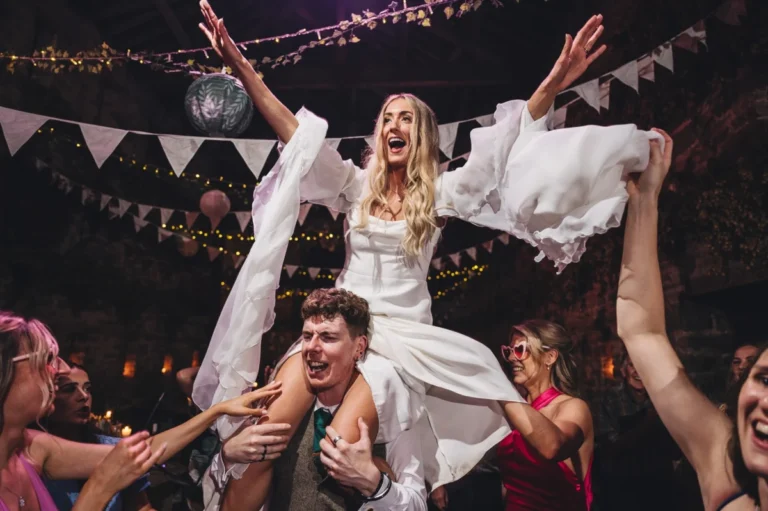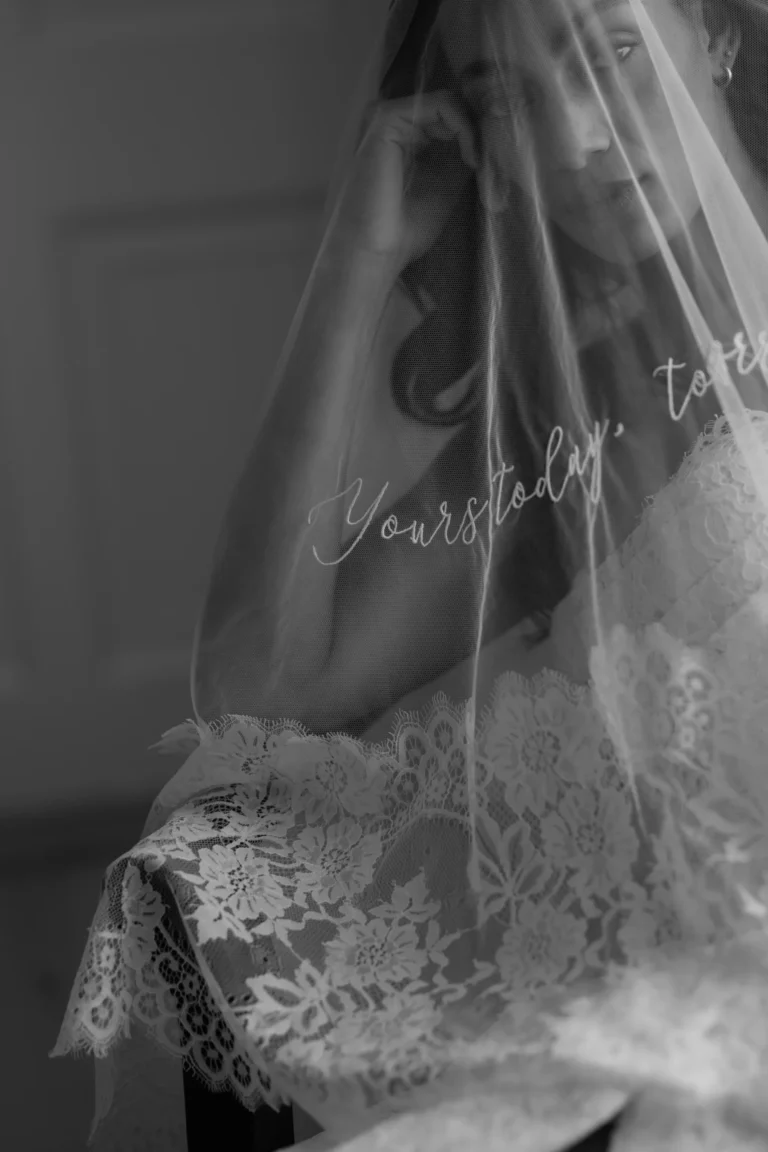












The union of Grace and Joseph, solidified through a sophisticated two-day trans-European celebration, represents a growing trend in the luxury wedding sector: the multi-destination nuptial event. Beginning with a private civil ceremony at the historic Old Marylebone Town Hall in London on July 11, 2025, and concluding with a maritime reception on the River Seine in Paris the following day, the couple’s itinerary highlights the logistical complexities and aesthetic rewards of modern, high-end destination weddings. Captured by photographer Joan Jellett, the event served as an homage to mid-century cinematic aesthetics, blending the minimalist elegance of Audrey Hepburn with the high-stakes intrigue associated with the James Bond franchise.
A Chronology of a Cross-Channel Celebration
The event’s timeline was meticulously orchestrated to balance legal requirements with atmospheric grandeur. The London proceedings on July 11 provided the formal legal foundation. By utilizing the iconic Old Marylebone Town Hall—a venue renowned for its architectural heritage and status as a preferred location for civil ceremonies—the couple established a tone of timelessness. This portion of the event featured personal tributes, including readings from the classic film Sabrina and Audrey Hepburn’s famous "I Believe in Pink" speech, delivered by the couple’s mothers.
The logistical shift to Paris on July 12 moved the festivities from a municipal setting to a bespoke environment aboard The Clipper Yacht, managed by the Paris Yacht Marina. This transition required significant coordination to ensure the seamless movement of guests between the United Kingdom and France. The reception on the Seine offered a unique vantage point of Parisian landmarks, turning the city’s urban architecture into an organic backdrop for the celebration.
The Intersection of Personal Narrative and Cinematic Inspiration
The couple’s wedding design was not merely decorative; it was deeply rooted in a shared history of travel and aspiration. The inspiration for the Parisian leg of the celebration stemmed from a long-standing desire to experience the city as a milestone in their relationship. Joseph, having curated an engagement proposal at the Eiffel Tower restaurant in Las Vegas, sought to mirror that level of intentionality in the wedding design.
The thematic elements—a fusion of Old Hollywood glamour and James Bond motifs—reflect a broader trend where couples utilize cinema as a stylistic blueprint. The decision to include a live crepe station and a traditional French choux pastry tower from the esteemed Odette bakery grounded the international celebration in local culinary culture. Furthermore, the inclusion of family memorabilia, specifically archival photographs of parents’ and grandparents’ weddings, served as a bridge between generations, offering a poignant counterpoint to the contemporary setting.
Economic and Logistical Implications of the Two-Day Wedding Model
The choice to hold a two-day, cross-border celebration highlights the evolving economics of the destination wedding industry. Recent data suggests that couples are increasingly prioritizing "experience-heavy" weddings over traditional single-venue receptions. By splitting the event between two major European capitals, Grace and Joseph utilized a model that requires substantial investment in travel, cross-jurisdictional planning, and vendor management.
The use of specific suppliers, such as Delsey Paris for luggage and bespoke Etsy-sourced favors, illustrates the meticulous attention to detail required in modern event planning. The integration of international vendors—such as transporting a DJ from the United Kingdom to perform in France—demonstrates the globalized nature of the wedding supply chain. This approach allows couples to maintain a consistent aesthetic and musical atmosphere despite the change in geography.
The Role of Visual Documentation in Modern Nuptials
The visual narrative of the wedding was entrusted to Joan Jellett, a photographer specializing in European destination events. In an era where social media consumption dictates the aesthetic standards of weddings, the role of the photographer has expanded from documentarian to brand manager. The imagery from this event, characterized by candid interactions and wide-angle shots of the couple beneath the lights of Parisian bridges, emphasizes the "cinematic" quality of the day.
The cheering of spectators from the bridges above the Seine, as noted by the couple, suggests that the "destination wedding" serves as a public performance of joy. This interaction between the private event and the public space is a hallmark of high-profile weddings in major metropolitan areas, where the surrounding city becomes an involuntary participant in the couple’s celebration.
Strategic Planning and Vendor Coordination
The involvement of professional entities such as the Paris Yacht Marina underscores the importance of infrastructure in executing complex wedding plans. For the couple, the decision to hire local expertise for the reception ensured that the event adhered to French catering standards while maintaining a personalized flair. The selection of a choux pastry tower—a quintessential French dessert—further emphasizes the importance of cultural integration within a destination wedding framework.
The couple’s advice regarding the guest list and the flow of the event—specifically the recommendation to prioritize dancing and intimacy over social obligation—reflects a shift in priorities for the post-2025 wedding demographic. Couples are increasingly seeking to optimize the "return on investment" of their wedding day by curating smaller, more meaningful guest lists, thereby reducing the social fatigue often associated with large-scale events.
Reflections on the Experience and Future Considerations
In retrospect, the couple acknowledged the physical and logistical demands of their two-day schedule, noting that an additional day of rest between the London ceremony and the Parisian reception would have been beneficial. This insight provides valuable data for future couples considering similar multi-day, multi-country itineraries. The fatigue associated with rapid travel and back-to-back event production is a critical factor that often goes overlooked during the planning phase.
Furthermore, the emphasis on personalization—from the custom embroidered napkins to the "together in Paris" theme inspired by the film Anastasia—serves as a reminder that the most successful weddings are those that articulate a clear narrative. By avoiding a "cookie-cutter" approach, the couple managed to transform their wedding into a bespoke experience that felt distinct from standardized luxury packages.
Broader Impact on the Destination Wedding Industry
The success of the Grace and Joseph wedding underscores the resilience and ongoing evolution of the European destination wedding market. Despite the challenges of international travel, the demand for high-end, atmospheric, and highly personalized wedding experiences continues to rise. For the hospitality and tourism sectors in cities like London and Paris, such events are significant economic drivers, supporting a wide range of local industries, from luxury transport and boutique catering to specialized photography and event design.
As the industry moves forward, the template established by this wedding—characterized by a clear thematic vision, strategic use of iconic locations, and a focus on intimate, high-quality guest experiences—is likely to be replicated by couples seeking to turn their matrimonial union into a grand, cinematic, and deeply personal narrative. The union of these two individuals, while private in nature, functions as a case study in how modern romance can effectively utilize global travel and historical inspiration to create a lasting, shared identity.