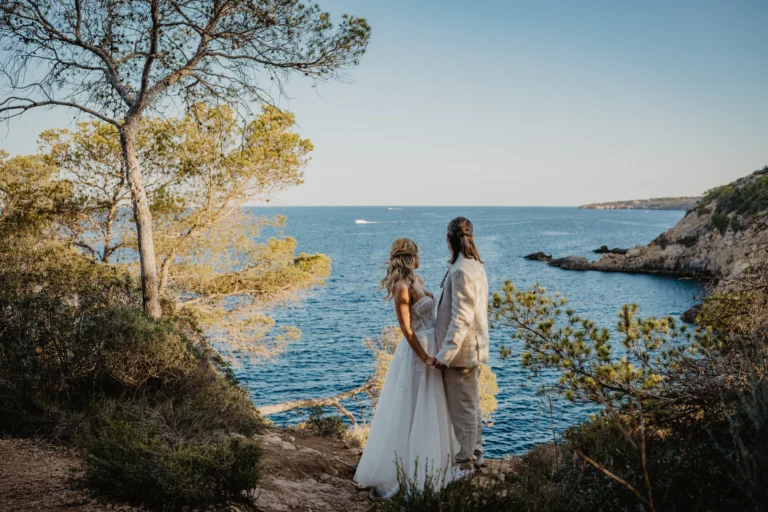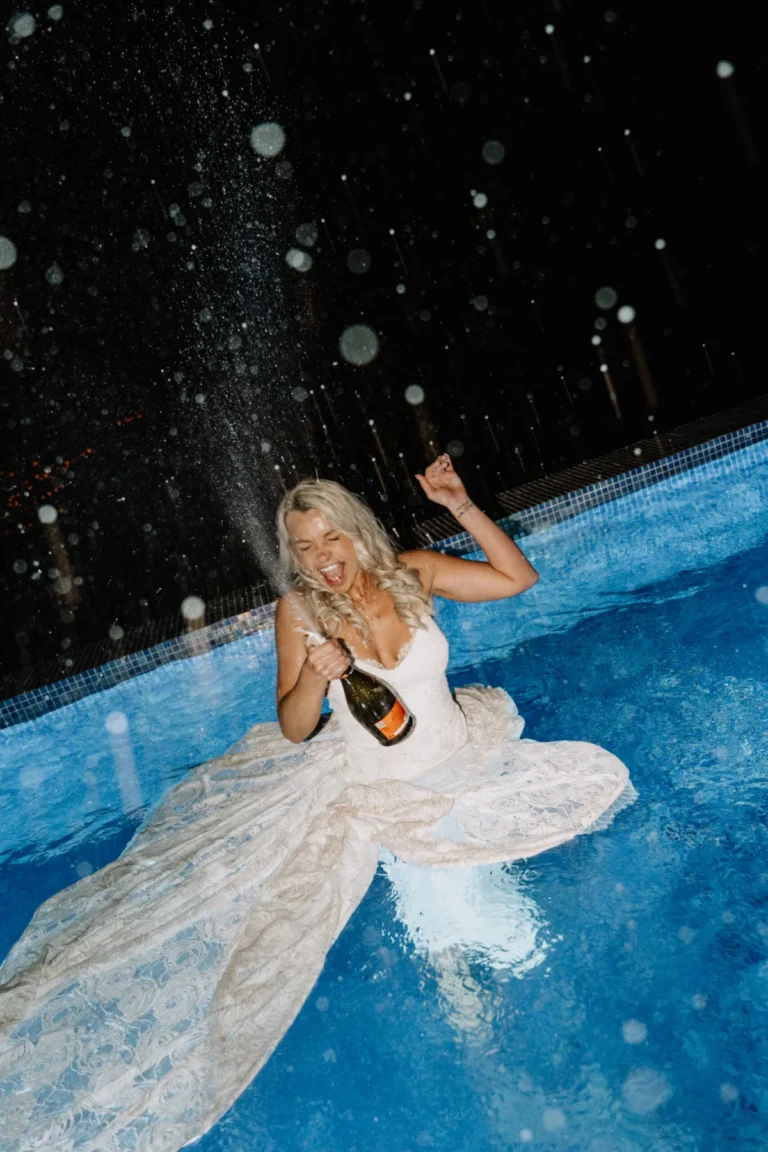









In April, the rolling hills of Herefordshire served as the backdrop for a significant cultural convergence as Shruthi and Sam celebrated their marriage at the historic Dewsall Court. The event, which blended Tamil traditions with Scottish heritage, highlighted the growing trend of bespoke, multicultural weddings that prioritize personal identity over conventional ceremony structures. The celebration, documented by photographer Marta May, provided a blueprint for how modern couples are navigating the complexities of heritage-blended ceremonies while maintaining an intimate, relaxed atmosphere in a rural English setting.
The Chronology of a Cultural Union
The couple’s journey to the altar began a decade prior, following a meeting during their university freshman year. After a ten-year courtship, culminating in an engagement at a London restaurant—a nod to their first Valentine’s Day—the pair spent eighteen months meticulously planning their nuptials. The wedding weekend was anchored at Dewsall Court, a venue chosen for its ability to offer a "home away from home" experience, allowing the couple and their guests to stay on-site.
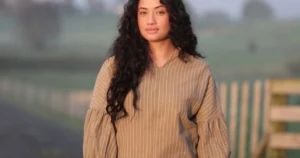
The wedding day itself followed a carefully curated sequence. The morning was dedicated to preparations, with the bride donning an ivory lehenga, custom-tailored and intricately detailed with pearl and gold embroidery. The groom, Sam, honored his lineage by wearing a kilt crafted from the Ferguson tartan. The ceremony, led by independent celebrant Eleanor Willock, took place in the gardens. It was underscored by an acoustic arrangement of "God Only Knows" by The Beach Boys, performed by the groom. Following the exchange of vows and rings sourced from the Indian jeweler Tanishq, the couple performed traditional Tamil rituals, including the tying of the Thali and the exchange of flower garlands.
Supporting Data and Supplier Integration
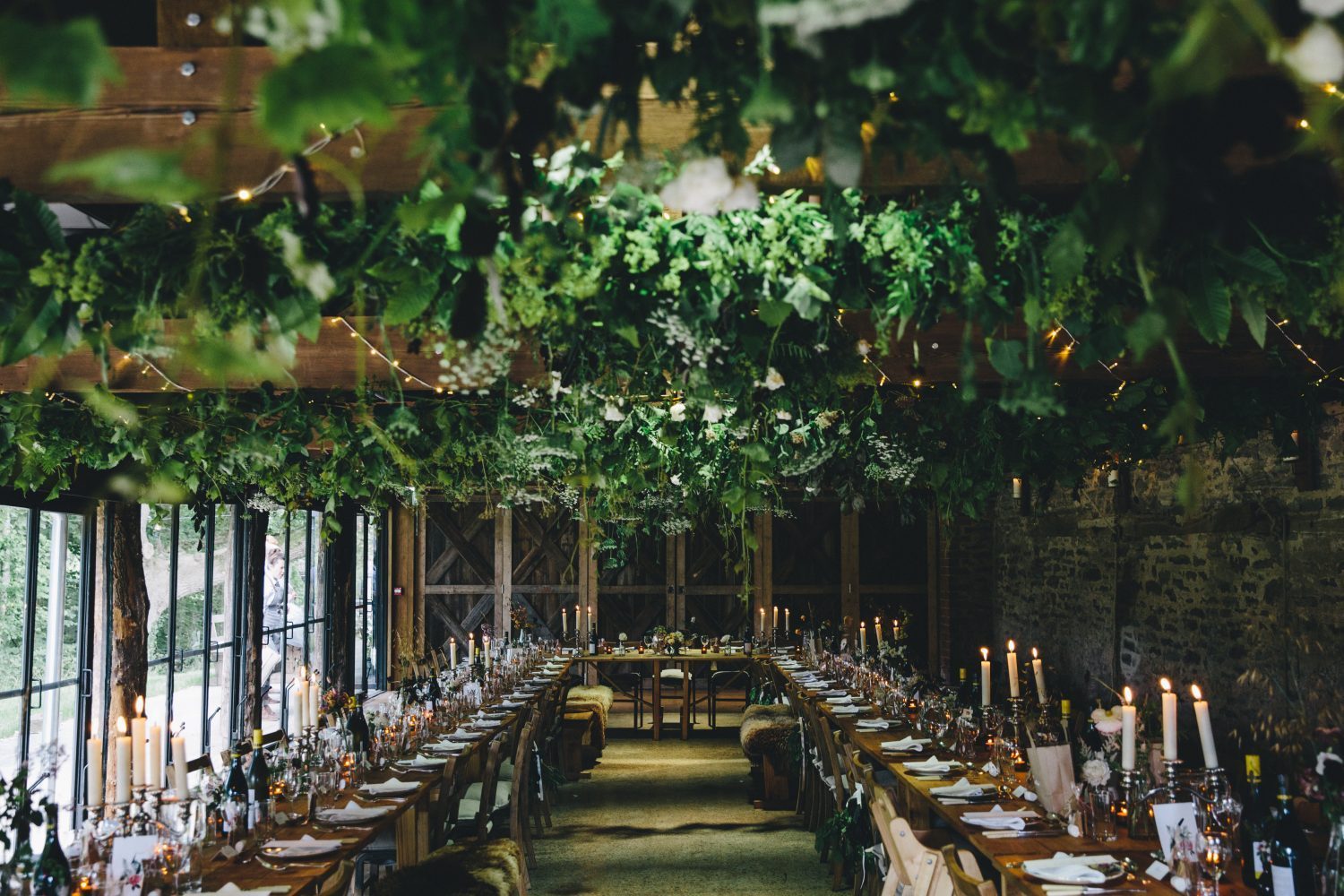
The event showcased a sophisticated approach to wedding logistics, characterized by a deliberate selection of vendors who specialize in high-end, personal celebrations. The color palette was a central feature of the aesthetic, utilizing a rich, earthy combination of plum, aubergine, and olive green. This thematic choice extended from the stationery and table settings to the bridesmaids’ handmade lehengas.
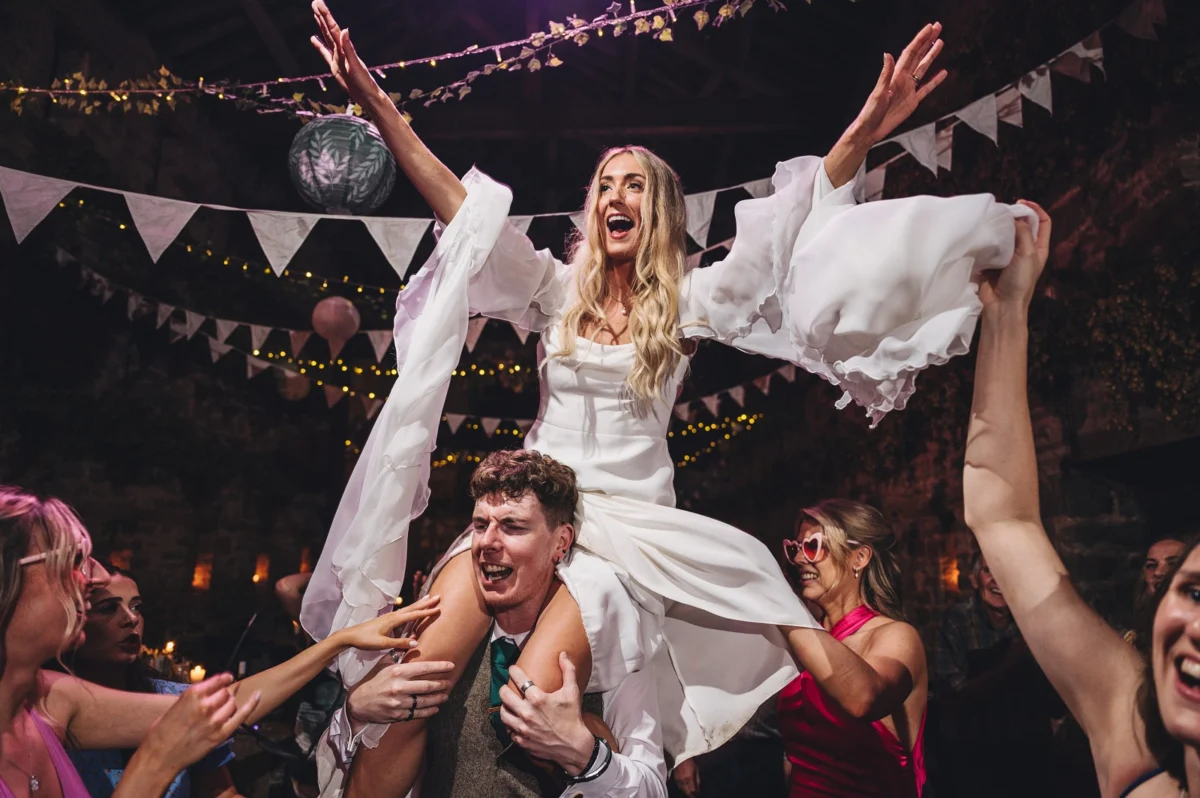
Floral arrangements, managed by Issy and Bella, favored seasonal, soft botanicals designed to complement the Herefordshire landscape rather than compete with it. Catering was provided in-house by Dewsall Court, while the culinary experience was capped with a dual-flavor chocolate, lemon, and blueberry cake from Isabel’s Bakehouse. For entertainment, DJ Max Galactic curated a playlist that synthesized Indian and Western musical genres, a choice that proved critical in sustaining the energy on the dance floor throughout the evening.
The Significance of Venue Selection
The choice of Dewsall Court reflects a broader shift in the wedding industry toward venues that offer multi-day, immersive experiences. Unlike traditional hotel weddings, private estate venues like Dewsall allow for a residential feel, which the couple noted was instrumental in reducing the "staged" nature of the proceedings. The venue’s organizational team played a pivotal role, providing the structural support necessary to execute a complex, multicultural ceremony while maintaining the relaxed, intimate atmosphere the couple requested.
The logistical benefits of a venue that offers on-site accommodation cannot be overstated. By staying at the estate prior to the ceremony, the couple eliminated the logistical stressors associated with travel, allowing for a more seamless transition from arrival to the conclusion of the event. This residential model is increasingly being analyzed by industry experts as a key factor in the rising satisfaction levels of couples who favor "destination-at-home" weddings.
Broader Impact and Industry Implications
The wedding of Shruthi and Sam serves as a case study in the evolution of modern wedding planning. Industry data suggests a marked increase in demand for celebrant-led ceremonies, which now often rival traditional religious or civil services in popularity. These ceremonies allow for the integration of diverse cultural customs—such as the Tamil traditions utilized by the couple—without the constraints of strict institutional requirements.
Furthermore, the couple’s approach to their wedding favors—hand-made palm leaf trinket baskets sourced from the bride’s father’s hometown of Manapad, India—highlights a growing emphasis on sustainability and ethical sourcing. By bypassing mass-produced wedding favors, the couple demonstrated a commitment to supporting local craft economies, a trend that is becoming increasingly prevalent among younger demographics.
Official and Professional Commentary
In reflecting on the event, the couple emphasized the importance of vendor vetting. The success of the day was largely attributed to the hours spent researching suppliers who aligned with their vision of a "perfectly imperfect" day. This sentiment is echoed by wedding planners who advise that the most successful celebrations are those where the couple prioritizes vendors who demonstrate flexibility and a willingness to accommodate bespoke requests.
Marta May, who captured the event using both digital and analogue photography, noted that the visual narrative of the day was defined by "gloriously imperfect moments." This photographic philosophy is currently favored by couples who seek to document the raw emotion of the event rather than focusing solely on posed, high-production imagery. The result is a historical record that feels authentic and deeply personal.
Concluding Analysis
The wedding at Dewsall Court is a testament to the fact that cultural synthesis in marriage does not require the sacrifice of intimacy. By curating a day that honored both the Tamil roots of the bride and the Scottish heritage of the groom, Shruthi and Sam created a template for multicultural celebrations that are both inclusive and deeply meaningful.
As the wedding industry continues to move away from rigid, one-size-fits-all formats, events like this one illustrate the importance of personal agency. The combination of thoughtful, seasonal design, local sourcing, and a focus on the ceremony as the emotional center of the day offers a clear path for future couples. The event concluded not just with a marriage, but with a firm reminder that the pressure for a "perfect" day is often secondary to the value of shared, authentic human connection. With the rise of digital planning tools and a more connected global society, the capacity for couples to weave diverse traditions into a single, cohesive celebration is higher than ever, ensuring that the weddings of the future will be as varied and complex as the individuals getting married.